Do Puma Shoes Run Small: Sizing Guide And Fit Tips
Puma shoes usually fit true to size, but some styles feel narrow or run slightly small.
Wondering, “do Puma shoes run small?” The honest answer depends on the model, your foot shape, and the fit you want. Puma’s size charts are generally reliable, yet sleek sneakers, soccer shoes, and lifestyle models may feel tighter than expected. This guide explains how Puma shoes fit, which styles need extra care, and how to choose the right size with confidence.

Do Puma Shoes Run Small?
Puma shoes do not always run small, but many pairs have a snug, streamlined fit. Most shoppers can start with their usual size. However, people with wide feet, high arches, or a preference for extra toe room may need to go up half a size.
The upper design matters too. A soft mesh sneaker may feel comfortable right away. A leather trainer or narrow soccer cleat may feel firm until the material breaks in. This is why one Puma model can fit perfectly while another feels tight in the same size.
Puma also makes shoes for different uses. Running shoes need room for natural foot movement. Soccer cleats often fit close to the foot for better control. Casual sneakers may have a more relaxed shape, but this varies by collection.
In short, do Puma shoes run small? Sometimes, but the issue is often width or shape rather than length.
How Puma Shoe Sizing Works
Puma uses standard US shoe sizes for men, women, and children. Its size charts also show measurements in centimeters or inches. Measuring your foot is more accurate than relying only on your usual size because brands can use different shoe molds.
Your left and right feet may not be exactly the same length. Measure both and use the larger measurement when choosing a size. Do this near the end of the day, when feet are often slightly larger after walking.
Follow these steps:
- Place a sheet of paper on a hard floor.
- Stand on the paper while wearing the socks you plan to use.
- Mark the end of your longest toe and the back of your heel.
- Measure the distance between both marks.
- Repeat the process for your other foot.
- Compare the larger measurement with Puma’s current size chart.
Do not measure while sitting. Your foot spreads more when you stand, so a standing measurement gives a better result. Also, avoid measuring on carpet, which can make your foot sink and affect the reading.
When shoppers ask, “do Puma shoes run small?” the best first step is to compare foot length with the official chart for that exact product. A size chart cannot solve every fit issue, but it greatly reduces guesswork.

Puma Fit by Shoe Type
The answer to do Puma shoes run small can change from one shoe category to another. Each type has a different purpose, structure, and fit goal.
Puma Running Shoes
Puma running shoes often fit true to size in length. They usually provide a secure heel and enough room for normal movement. Still, your toes should not touch the front of the shoe.
Leave about a thumb’s width between your longest toe and the end of the shoe. This space helps account for foot swelling during walks or runs. A tight running shoe can lead to sore toes, blisters, and black toenails.
Some Puma running shoes have a narrow midfoot. If your foot is wide, look for a roomier design or consider trying a half size up. Going up in length may help, but it does not always create enough width.
Puma Lifestyle Sneakers
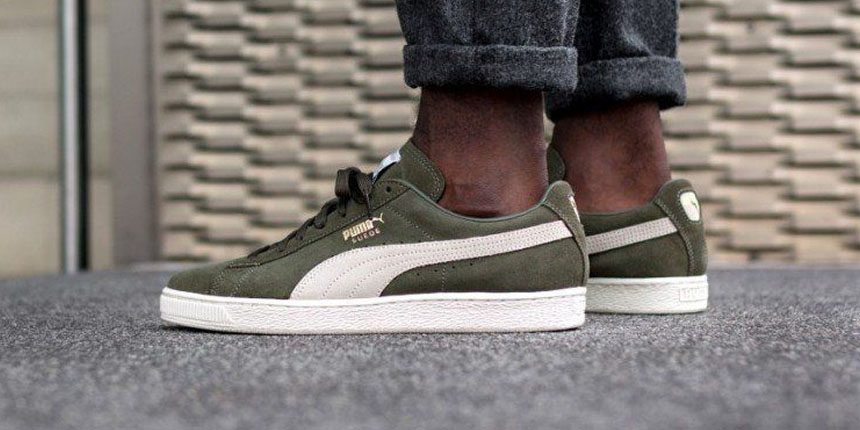
Casual Puma sneakers can vary the most. Suede, leather, and synthetic uppers may feel firm at first. Mesh models often feel more flexible and forgiving.
Classic low profile designs may have less space across the front than modern comfort sneakers. If you have wide feet, check customer comments for words such as narrow, snug, tight toe box, or good for wide feet.
Puma Soccer Cleats
Soccer cleats usually fit close to the foot. This design improves touch and control, but it can make the shoe feel small. A cleat should be snug without causing pain or forcing your toes to curl.
Do not buy a much larger cleat to create extra space. Too much movement can reduce stability and cause blisters. Instead, choose a style with a more suitable shape for your foot.
Puma Training Shoes
Training shoes often feel stable and secure. They may have a firm upper and a close midfoot fit. For gym workouts, a snug fit is useful, but your toes still need room to spread during squats and jumps.
If you plan to wear thick socks, factor them into your size choice. A shoe that fits with thin socks may feel too tight during winter workouts.
Puma Kids’ Shoes
Children’s feet grow quickly, so fit is especially important. Allow some growing room, but avoid buying shoes that are so large that the child slips inside them.
Check the fit every few months. Watch for red marks, complaints of pain, worn toes, or changes in walking. These signs may mean the shoes are too small.
Why Puma Shoes May Feel Small
Several factors can make Puma shoes seem smaller than expected. Length is only one part of fit.
Narrow Toe Boxes
Some Puma models taper toward the toes. This can feel restrictive if your forefoot is broad or your toes spread naturally. The shoe may have the correct length but still feel too tight.
Different Foot Shapes
Feet come in many shapes. Some people have long, slim feet. Others have wide forefeet, high arches, flat feet, or a larger big toe. A standard shoe shape cannot suit everyone.
Thick Socks
Thick athletic or winter socks take up extra space. Try shoes with the socks you will actually wear. This simple step prevents many sizing mistakes.
Stiff Materials
Leather and synthetic uppers can feel firm before they soften. However, do not assume painful pressure will disappear with wear. Shoes may loosen slightly, but they rarely become a full size larger.
Foot Swelling
Feet often expand after long periods of standing, exercise, travel, or hot weather. Shoes that feel fine for five minutes may feel tight after several hours.
Incorrect Measurement
Measuring only one foot, using a soft surface, or measuring while seated can produce an inaccurate result. Even a small error can affect comfort.
Different Puma Collections
Puma may use different shapes for different collections. A performance shoe, fashion sneaker, and cleat can all fit differently despite having the same marked size.
Are Puma Shoes True to Size?
Most Puma shoes are close to true to size in length. That does not mean every pair will feel identical. “True to size” usually means the length matches common US sizing, not that the width and shape will suit every foot.
Reviews can help, but read them carefully. One customer may call a shoe small because it feels narrow. Another may call the same shoe true to size because they have slim feet. Look for repeated patterns across many reviews rather than one isolated comment.
Pay attention to these details:
• The reviewer’s usual size
• Whether the shoe feels short or narrow
• The type of socks worn
• Whether the shoe was used for running, walking, or casual wear
• Comments from people with wide or high volume feet
If many reviewers mention tightness in the same area, take that pattern seriously. Product photos can show the style, but they cannot show how the shoe feels after several hours.
So, do Puma shoes run small for everyone? No. They tend to fit true to size for many people, while certain shapes feel smaller because of their narrow or structured design.
How to Choose the Right Puma Shoe Size
Choosing the right size is easier when you combine measurements with fit preferences. Do not rely on a single number.
Measure Before You Buy
Use the measurement method above and compare your result with the product’s official chart. Charts can change, so use the chart shown on the current product page when possible.
Consider Your Foot Width
If you have wide feet, focus on the shoe’s shape and material. A flexible mesh upper may offer more comfort than a stiff leather upper in the same size.
Going up half a size can help with width, but it also adds length. If your heel starts slipping, the larger size may not be the best solution.
Think About the Activity
Choose a fit based on how you will use the shoe:
• Running shoes need toe room and a secure heel.
• Soccer cleats need a close fit without painful pressure.
• Walking shoes should feel comfortable during long periods.
• Training shoes should hold the foot during side-to-side movement.
• Casual shoes can offer a little more freedom, depending on your preference.
Check Both Shoes
Try on both shoes while standing. Walk, bend, and climb a few steps if possible. Your toes should not hit the front, and your heel should not lift excessively.
Shop at the Right Time
Try shoes later in the day when your feet are at their largest. This gives you a more realistic fit for daily use.
Use the Return Policy
When ordering online, check the return rules before buying. Keep the shoes clean and try them on indoors. Avoid wearing them outside until you are sure the fit is right.
Signs Your Puma Shoes Are Too Small
A shoe can feel snug without being too small. The difference is comfort and pressure.
Your Puma shoes may be too small if:
• Your toes touch the front when you walk.
• Your toes curl or feel cramped.
• You feel pressure over the top of your foot.
• Your little toe rubs against the side.
• You develop red marks after a short walk.
• Your feet become numb or tingly.
• You get blisters in the same place.
• Your heel lifts because your foot is pushed forward.
Pain is not a normal part of breaking in shoes. A short period of firmness may be normal with leather, but sharp pressure or numbness is a warning sign.
Also check the fit after wearing the shoes for 20 to 30 minutes indoors. Some problems appear only after your feet warm up and expand.
If you are still asking, do Puma shoes run small, inspect where the pressure occurs. Pressure at the toe suggests a length or toe box issue. Pressure across the sides suggests a width or volume issue.
Can You Stretch Puma Shoes?
Some Puma shoes can soften and stretch slightly with use. Flexible fabric and natural leather usually adapt more than stiff synthetic materials. However, stretching should not be used to fix a clearly wrong size.
You can try these safer methods:
- Wear the shoes indoors with regular socks for short periods.
- Use a shoe stretcher made for the problem area.
- Ask a professional shoe repair shop for help with leather models.
- Stop if you feel pain, numbness, or strong pressure.
Avoid soaking shoes in water or applying high heat. These methods can damage glue, warp the sole, stain the upper, or weaken the materials.
A shoe may become more comfortable as it breaks in, but the sole length will not change much. If your toes touch the front, exchange the shoes instead of hoping they will stretch enough.
Puma Shoes for Wide Feet
People with wide feet often ask, do Puma shoes run small, because the shoes feel tight across the forefoot. In many cases, the main issue is width rather than length.
Look for models with:
• A rounded toe shape
• A flexible upper
• Adjustable laces
• A soft, stretchable mesh
• A removable insole
Avoid choosing a much longer shoe simply to gain width. Extra length can cause slipping and reduce support. A wider design, a different model, or a specialty width may work better.
Lacing can also improve comfort. Loosen the lower eyelets if the front of your foot feels tight, while keeping the upper eyelets secure around the ankle. This creates more room without making the whole shoe loose.
Remember that width labels and availability can differ by model and market. Check the product details instead of assuming every Puma shoe offers the same width options.
Do Puma Shoes Shrink?
Puma shoes can become tighter after exposure to heat, moisture, or poor drying methods. They do not usually shrink dramatically under normal use, but materials can change shape.
To protect the fit:
• Air dry wet shoes at room temperature.
• Keep them away from radiators and hot dryers.
• Do not leave them in a hot car for long periods.
• Clean them according to the care instructions.
• Use paper or a shoe tree to help maintain the shape while drying.
Sweat and moisture can also stiffen some materials as they dry. Regular cleaning and proper ventilation can help keep the upper flexible.
If your shoes suddenly feel small, check whether the insole has shifted or whether the upper has hardened. The problem may not be a change in your foot or size.
A Practical Fit Test for Puma Shoes
Use this simple test before wearing new Puma shoes outdoors:
- Put on the socks you normally use.
- Stand with your weight evenly placed on both feet.
- Check for space in front of your longest toe.
- Walk for five minutes on a clean indoor floor.
- Bend your knees and move side to side.
- Check for heel movement and side pressure.
- Wear the shoes for 20 to 30 minutes.
- Remove them and inspect your feet for red marks.
A good fit should feel secure but not restrictive. Your heel should stay mostly in place, your toes should move freely, and the upper should not press painfully on your foot.
This test is useful because a shoe can feel fine while sitting but tight during movement. Feet behave more like soft cushions than solid blocks. They spread, swell, and shift as you move.
Common Mistakes to Avoid
Many poor shoe purchases come from small errors rather than bad products.
• Buying the same size in every Puma model
• Ignoring foot width
• Measuring only one foot
• Trying shoes with the wrong socks
• Assuming painful shoes will stretch
• Choosing extra length to solve a width problem
• Testing shoes only while sitting
• Wearing new shoes outdoors before checking the return policy
• Trusting one review instead of looking for repeated feedback
A useful lesson from shoe fitting is to treat the size printed inside the shoe as a starting point, not a guarantee. Comfort, movement, and foot shape matter just as much.
Frequently Asked Questions About Do Puma Shoes Run Small
Do Puma shoes run small compared with Nike or Adidas?
Puma shoes are often similar in length to other major athletic brands, but the shape can feel different. Compare each brand’s size chart and consider width, toe room, and the specific model.
Should I size up in Puma shoes?
You may need to go up half a size if the model feels short or narrow, especially with thick socks. Do not size up automatically, because extra length can cause heel slipping.
Do Puma sneakers fit wide feet?
Some Puma sneakers work well for wide feet, particularly flexible styles with rounded toe boxes. Narrow, structured, or low profile models may feel tight across the forefoot.
Do Puma soccer cleats run small?
Puma soccer cleats often have a close fit for control and stability. They should feel secure without painful pressure, curled toes, numbness, or contact between your toes and the front.
How much room should be in Puma running shoes?
Leave about a thumb’s width between your longest toe and the shoe’s front. This allows for foot swelling and natural movement during a run.
Will Puma shoes stretch after wearing them?
Puma shoes may soften and adapt slightly, especially when made with leather or flexible fabric. They will not usually gain enough space to correct a shoe that is clearly too short.
Why do my Puma shoes feel tight but measure correctly?
The shoe may have a narrow toe box, low volume, stiff material, or a shape that does not match your foot. Correct length does not always mean correct width or comfort.
Conclusion
Do Puma shoes run small? Usually not in length, but some models can feel snug because of their narrow shape, firm materials, or close performance fit. Measuring both feet, checking the exact Puma size chart, considering your foot width, and testing the shoes indoors can prevent most sizing problems.
Choose comfort over a number printed on a box. If your toes touch the front, your feet go numb, or pressure remains after a short indoor test, exchange the pair. Explore more shoe fitting guides, compare model reviews, and share your Puma sizing experience in the comments.

Michael Smith is the Content Strategist behind The Style Hub, where fashion meets function. With a keen eye for trends and a passion for everyday style, he curates content that helps readers make smarter, more stylish choices—from the perfect pair of sneakers to must-have accessories. Michael specializes in breaking down fashion into practical, wearable insights, making style accessible for everyone. When he’s not researching the latest trends, he’s exploring how comfort, innovation, and timeless design come together in modern fashion.