What Are The Best Shoes For Bunions: Top Comfort Picks
The best shoes for bunions have a wide toe box, soft uppers, low heels, and enough support for daily comfort.
Finding the best shoes for bunions is not only about buying a larger size. A good shoe must reduce pressure on the big toe joint, let your toes spread, and support your foot without rubbing. This guide explains what to look for, which shoe types work best, what to avoid, and when to see a foot specialist.

What Is a Bunion?
A bunion is a hard bump that forms at the base of the big toe. It develops when the big toe shifts toward the smaller toes and the first metatarsal bone moves outward. The bump may become red, swollen, and sore inside a shoe.
Bunions can run in families. Foot shape, joint looseness, arthritis, and years of wearing tight shoes may also play a role. High heels and narrow dress shoes do not cause every bunion, but they can increase pressure and pain.
Common bunion symptoms include:
• Pain or tenderness near the big toe joint
• Redness and swelling
• A visible bump on the side of the foot
• Burning or tingling from shoe pressure
• Difficulty finding comfortable shoes
• Corns or calluses from rubbing
A shoe cannot reverse a bunion. However, the right pair can reduce pressure and help you stay active with less pain.
What Are the Best Shoes for Bunions?
The best shoes for bunions have a roomy toe box, flexible material, stable support, and a low heel. They should follow the natural shape of your foot instead of squeezing the toes into a pointed front.
Look for these key features:
• Wide or extra-wide toe box: Your toes should spread without touching the sides.
• Soft upper: Stretch mesh, knit, leather, or soft synthetic material can reduce rubbing.
• Low heel: A heel of about one inch or less usually puts less pressure on the front of the foot.
• Removable insole: This gives you room for custom orthotics or a cushioned insert.
• Firm heel counter: A stable heel area can help hold your foot in place.
• Flexible forefoot: The shoe should bend near the toes, not in the middle.
• Secure fastening: Laces, straps, or adjustable closures help prevent your foot from sliding forward.
The best shoes for bunions should feel comfortable when you first try them. Do not expect a painful shoe to “break in.” Stiff materials may soften slightly, but a tight toe box will not become truly wide.
Best Shoe Types for Bunion Pain
Different shoes work for different activities. A walking shoe may be ideal for errands, while a sandal may be better for warm weather. The best shoes for bunions match your foot shape and your daily needs.
Walking Shoes
Walking shoes are often the best shoes for bunions because they combine cushioning, support, and a practical shape. Choose a model with a broad front, a stable sole, and a soft upper.
A rocker sole may help some people move through the step with less bending at the big toe joint. This can reduce discomfort, but not everyone likes the feel. Try the shoe indoors before wearing it outside.
Running Shoes
Many running shoes have a wide toe box and soft mesh. These features can make them useful for walking, travel, and daily wear, even if you do not run.
Look for:
• A wide or extra-wide fit
• A smooth, seamless upper
• A cushioned but stable midsole
• A heel-to-toe drop that feels natural
• Enough length for your longest toe
Avoid choosing a running shoe only because it feels soft. Too much softness can make some feet feel unstable. Comfort and control should work together.
Comfort Sneakers
Comfort sneakers are a good choice for work, shopping, and casual use. Slip-on styles can be convenient, but they should not be loose. If your heel slips, your foot may slide forward and place more pressure on the bunion.
Lace-up or adjustable sneakers often provide a better fit. You can loosen the front over the bunion while keeping the heel secure.
Sandals
The best sandals for bunions have a wide footbed and adjustable straps. Look for straps that sit away from the bunion or use soft, stretchable material.
Avoid thin, flat sandals with hard straps. They may allow your toes to spread, but they often provide little cushioning or support. A contoured footbed can improve comfort on longer walks.
Dress Shoes
Dress shoes can be harder to fit, but you do not have to give up style. Choose a round, square, or almond-shaped toe rather than a sharp point. A low, broad heel is safer for comfort than a tall, narrow heel.
For special events, wear dress shoes for short periods. Bring a comfortable backup pair for walking and standing. This simple plan can prevent a painful evening.
Work Boots
People who stand, walk, or work on hard floors need more than a wide toe box. Work boots should also have a stable sole, good shock absorption, and enough interior space for socks or orthotics.
Choose safety footwear in a wide size when possible. Never force a bunion into a narrow boot. A boot that presses on the joint can cause pain, blisters, and skin irritation.
How to Choose the Best Shoes for Bunions
Shoe shopping works best when you treat it like a fitting task, not a fashion decision. Small details can make a major difference.
Measure Both Feet
Feet often differ in length and width. Measure both while standing, since the foot spreads under body weight. Buy shoes based on the larger foot.
Your feet may also swell during the day. Try shoes in the afternoon or evening, when they are closer to their largest size.
Check the Toe Box
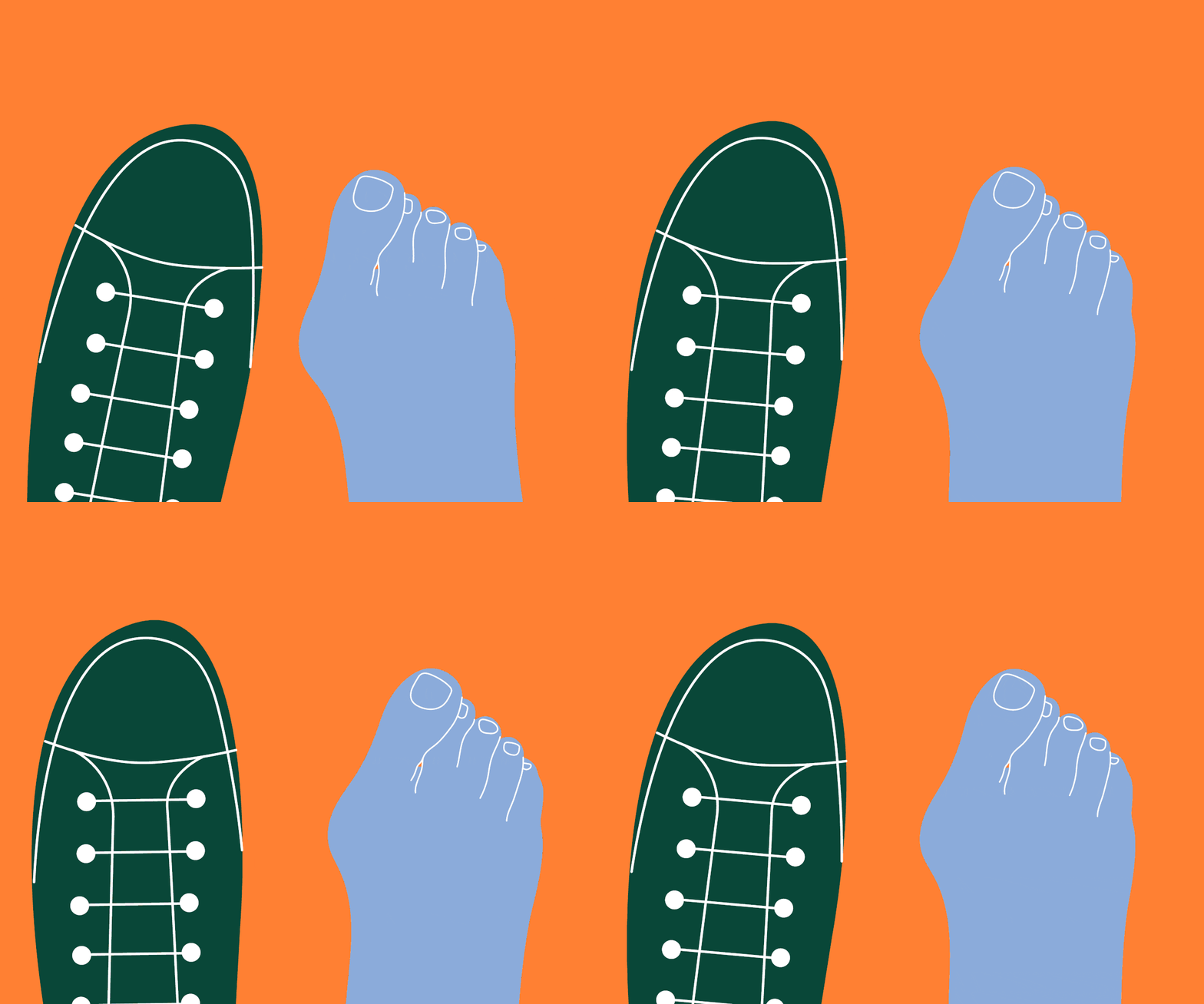
Stand up in the shoes and wiggle your toes. There should be space around the bunion and about half an inch between your longest toe and the shoe’s end.
The shoe should feel wide at the front, not just long. Going up a size may add length without giving enough width.
Test the Upper
Walk for several minutes. Notice whether the shoe rubs the bunion, presses the side of the big toe, or creates heat. A soft upper should move with your foot rather than fight it.
Seams and stiff overlays can cause trouble. Run your hand inside the shoe to feel for rough edges.
Check the Sole
The sole should bend near the ball of the foot. It should not fold in the middle. A stable sole can help your foot feel more supported during walking.
If the shoe has a rocker design, walk on a flat surface first. Some people like the smooth roll, while others need time to adjust.
Try Your Usual Socks and Inserts
If you wear thick socks, compression socks, or orthotics, bring them when you shop. A shoe that fits without them may become too tight with them inside.
A removable insole is helpful because it creates more space. It also lets you use a medical insert if a podiatrist recommends one.
Use the Indoor Test
Wear new shoes indoors for 20 to 30 minutes. Check your skin afterward. Red marks, hot spots, or new pain suggest that the fit needs to change.
This is one of the easiest lessons to apply in real life: return a shoe before a small pressure spot becomes a blister or an open sore.
Shoes to Avoid When You Have Bunions
Some shoes increase pressure on the big toe joint. They may look attractive, but they can make daily pain worse.
Avoid or limit:
• Pointed-toe shoes that squeeze the toes
• High heels that shift weight toward the forefoot