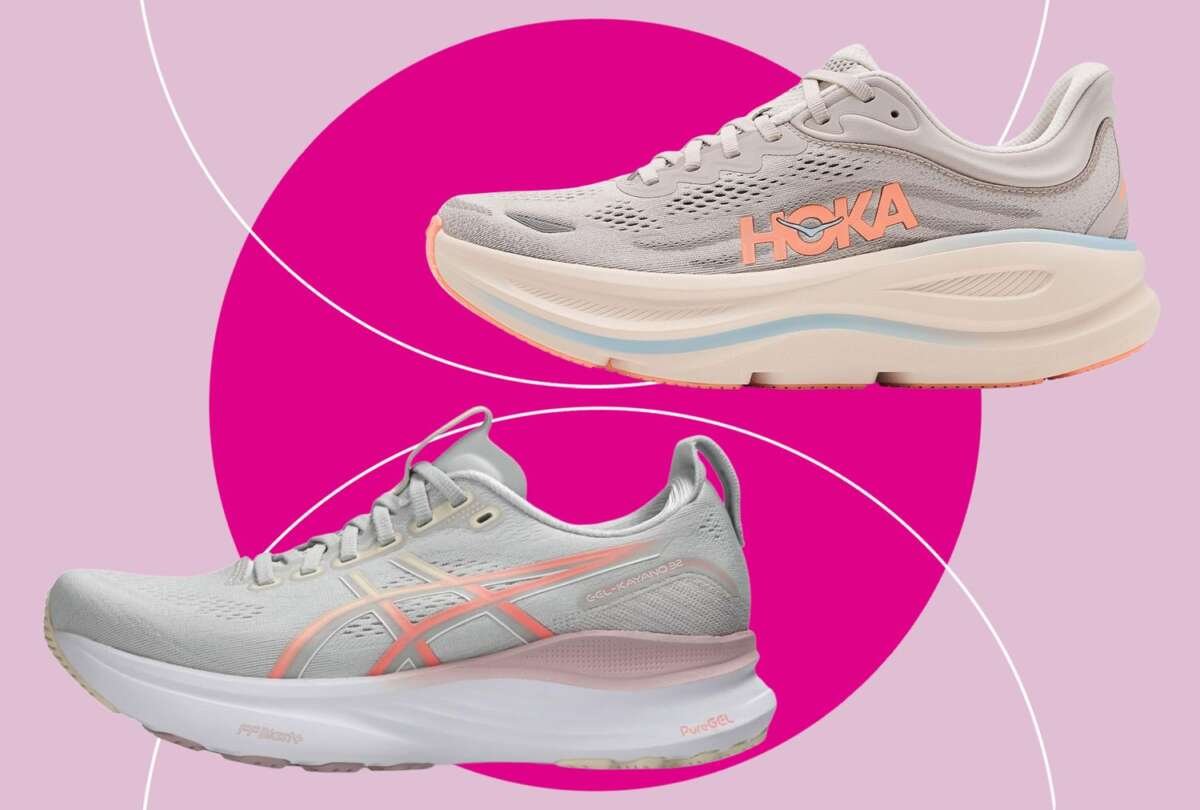
Are Brooks Shoes Good For Plantar Fasciitis: Expert Tips
Yes, Brooks shoes can help plantar fasciitis when their support, fit, and cushioning match your feet.
If heel pain makes every morning step feel like a tiny shock, choosing the right shoe matters. After reviewing running-shoe design, foot mechanics, and common plantar fasciitis care advice, I’ll explain why Brooks shoes may help, which models to consider, what limits to expect, and how to test a pair safely.
What Is Plantar Fasciitis?
Plantar fasciitis is a common cause of heel pain. It affects the plantar fascia, a strong band of tissue that runs from the heel bone to the base of the toes. This tissue helps support the arch and absorb force when you walk or run.
Pain often feels worst with the first steps after waking up. It may ease as you move, then return after long periods of standing, walking, or exercise.
Common symptoms include:
• Sharp pain under or near the heel
• Tenderness along the arch
• Pain after rest or sitting
• Stiffness in the foot and ankle
• More pain after long walks or runs
Plantar fasciitis can develop from overuse, sudden changes in activity, tight calf muscles, limited ankle motion, high or flat arches, or shoes with poor support. Body weight, work demands, and hard walking surfaces may also add stress.
Shoes do not cure every case. However, a well-fitting pair can reduce strain on the heel and make daily movement more comfortable.
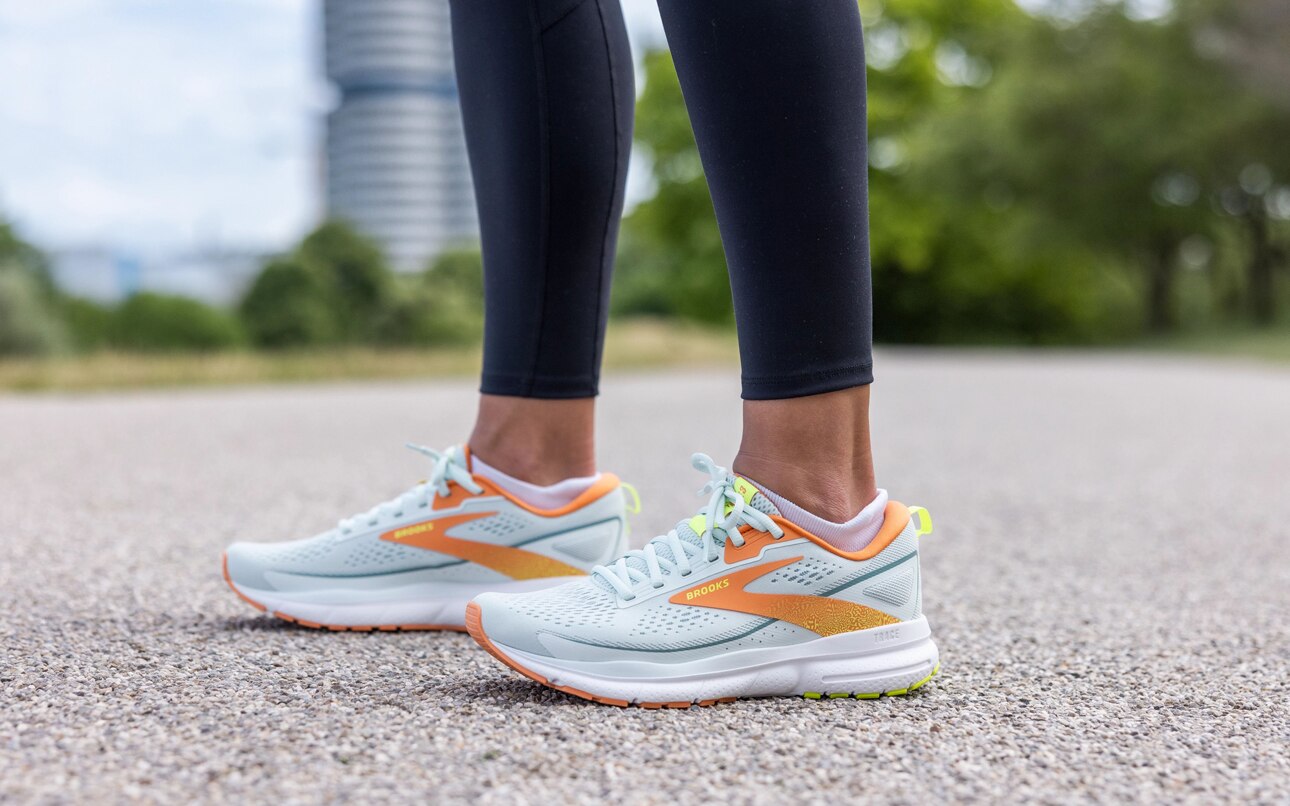
Are Brooks Shoes Good for Plantar Fasciitis?
For many people, Brooks shoes are a good option for plantar fasciitis. They offer several features that may reduce foot stress, including cushioning, stable midsoles, supportive uppers, and different levels of arch feel.
The best answer depends on your foot shape and symptoms. A shoe that feels excellent to one person may feel too soft, too firm, or too narrow to someone else.
Brooks shoes may help by:
• Reducing the shock caused by hard surfaces
• Supporting a more comfortable walking pattern
• Limiting excessive foot movement in some designs
• Providing a stable platform for the heel
• Making long periods of standing easier
Still, cushioning alone is not enough. A soft shoe can feel comfortable at first but fail to provide the stability your foot needs. On the other hand, a firm shoe may feel supportive but create pressure in the heel.
The most accurate answer to “are Brooks shoes good for plantar fasciitis” is this: they can be helpful, but the right model, size, width, and fit matter more than the brand name.
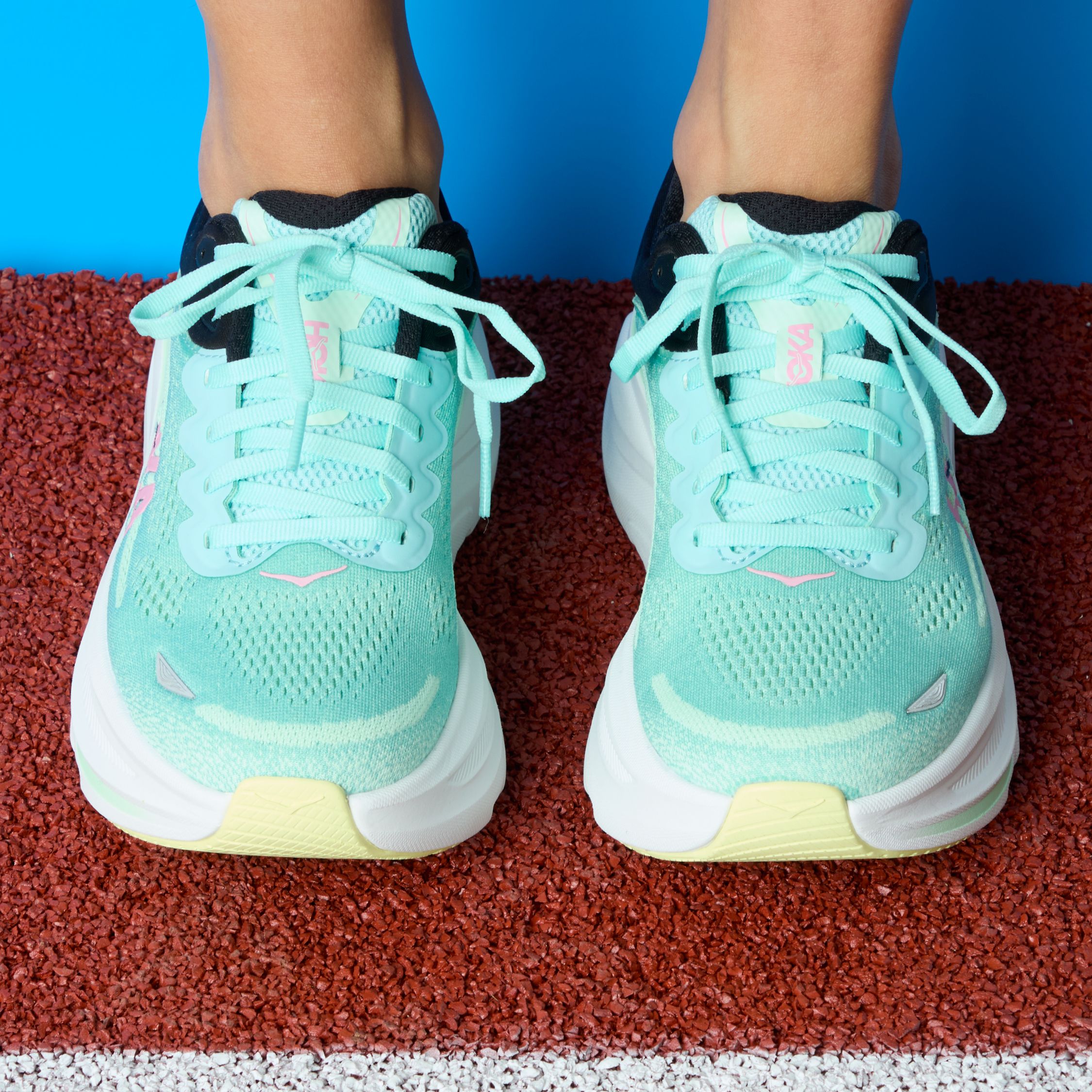
Why Brooks Shoes May Help Heel Pain
Cushioning
Many Brooks shoes use foam midsoles designed to soften impact. This can be useful if you walk on concrete, stand for work, or run on firm roads.
Cushioning does not remove the cause of plantar fasciitis. It may simply make each step less harsh. Think of it as placing a thin mat between your foot and the floor.
Some people prefer a soft, springy feel. Others feel better in a firmer shoe that gives them more control. Your comfort during a short walk is a useful clue, but it is not the only test.
Heel and arch support
Brooks shoes often have structured heel counters. The heel counter is the firmer part around the back of the foot. It helps keep the heel in place and can make the shoe feel more secure.
Some Brooks models also use stability features, such as GuideRails. These features aim to help limit excess movement around the knees and ankles. They are not custom orthotics, and they do not force every foot into one position.
A stable shoe may suit people who feel their foot rolls inward or who want a more controlled platform. But stability features should feel smooth, not restrictive.
Smooth transitions
A shoe with a well-shaped sole can help the foot move from heel contact to toe-off. This may reduce the feeling of bending or stretching the sore plantar fascia with every step.
Brooks offers shoes with rocker-like sole shapes and thick midsoles. These designs may make walking feel easier, especially when the heel is tender.
However, a very thick sole can feel unstable for some people. Try the shoe indoors first and walk on different surfaces before wearing it for a full day.
Best Brooks Shoes for Plantar Fasciitis
There is no single best Brooks shoe for every person. The following models are common options to consider, but product details can change between versions.
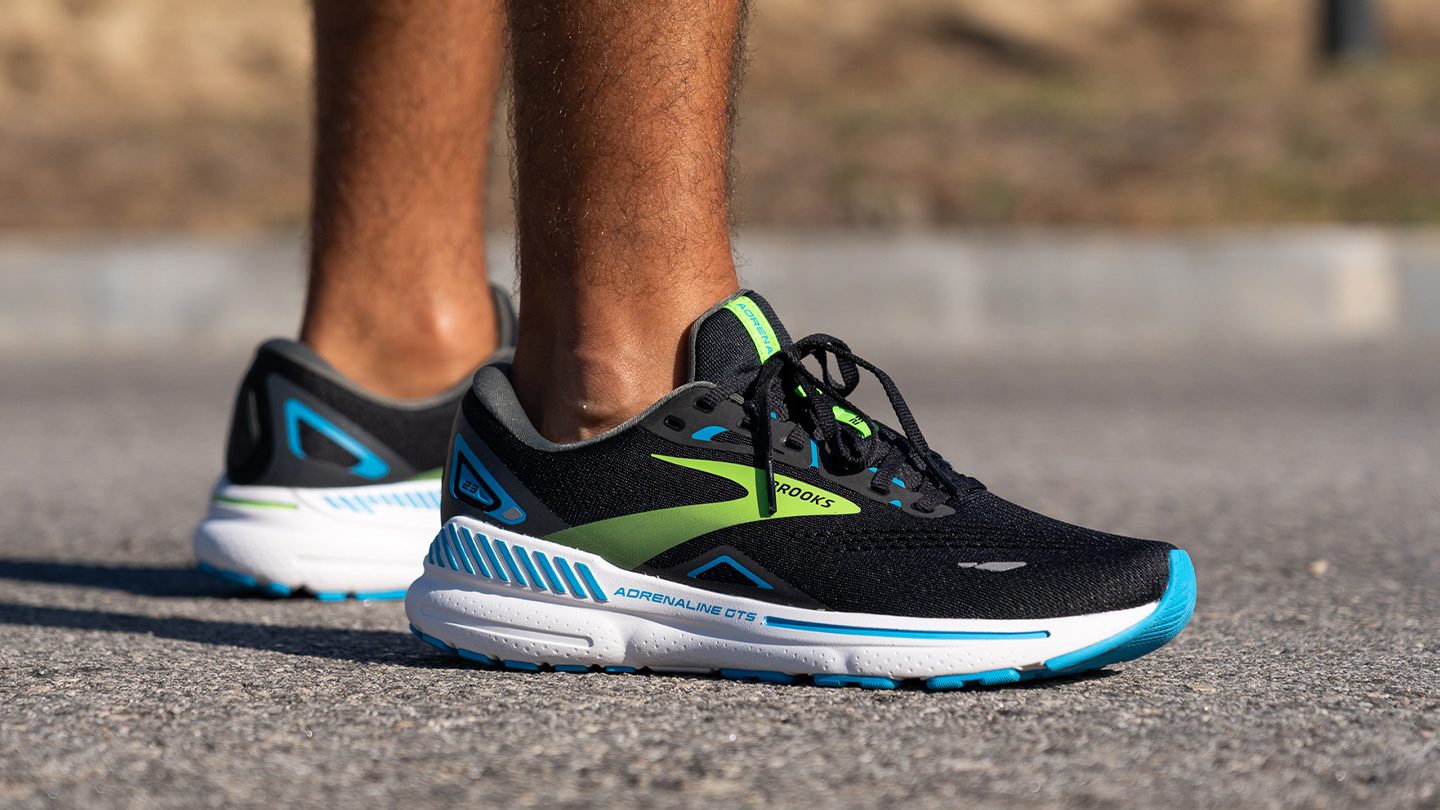
Brooks Adrenaline GTS
The Adrenaline GTS is a popular stability shoe. It combines moderate cushioning with GuideRails support and a secure heel structure.
It may suit people who:
• Want more guidance than a neutral shoe provides
• Walk or run several times per week
• Notice inward rolling or foot fatigue
• Prefer a balanced, not overly soft, feel
The Adrenaline GTS may feel too structured for people who prefer a flexible, minimal shoe. It is also important to check the width, since a narrow toe box can increase foot pressure.
Brooks Addiction Walker 2
The Addiction Walker 2 is designed mainly for walking and daily use. It has a firm platform, supportive construction, and a durable outsole.
It may be useful for:
• Jobs that require long hours of standing
• Daily walking on hard floors
• People who prefer a firm, stable feel
• Those who need a more traditional walking shoe
It may feel heavier than a running shoe. Some people also find its firm construction less comfortable during fast walking or running.
Brooks Ghost
The Ghost is a neutral running and walking shoe with balanced cushioning. It may work well for people who do not need strong stability features.
It can be a reasonable choice if you want:
• Moderate cushioning
• A lighter shoe
• A flexible ride
• A versatile option for walking and easy running
The Ghost may not provide enough control for someone who needs a more stable platform. A neutral shoe is not automatically better or worse for plantar fasciitis.
Brooks Glycerin
The Glycerin is known for a softer, more cushioned feel. It may help people who dislike firm midsoles or who spend long hours walking on hard surfaces.
It can be worth trying if:
• Your feet feel bruised after walking
• You prefer plush cushioning
• You need a comfortable shoe for daily use
• You do not need a strong stability system
Soft cushioning can feel wonderful, but it may not suit everyone. If your foot feels unstable or your arch works harder in the shoe, try a firmer option.
Brooks Ghost Max
The Ghost Max has a high-cushion design and a broad platform. Its sole shape may help create a smooth transition through the step.
It may appeal to people with heel pain who want:
• A stable, cushioned base
• A rocker-style walking feel
• Reduced bending through the forefoot
• A shoe for walking and easy daily activity
A thick shoe can affect balance. Walk slowly at first, especially on stairs, uneven paths, and wet ground.

Brooks Stability Shoes Versus Neutral Shoes
The choice between a stability and neutral Brooks shoe depends on how your foot moves and what feels comfortable.
A neutral shoe usually allows the foot to move with fewer built-in guidance features. It may suit someone with a natural stride and no need for extra control.
A stability shoe adds design features that may help guide movement. It may suit someone who feels unstable, rolls inward, or becomes tired in a softer neutral shoe.
Neither type is always best for plantar fasciitis. Research on foot posture shows that people with different arch shapes can develop heel pain, and changing foot position does not always solve the problem.
Consider a stability model when:
• Your feet feel tired or unstable
• You wear down the inner heel quickly
• A neutral shoe feels too loose or uncontrolled
• A podiatrist or physical therapist recommends added guidance
Consider a neutral model when:
• You already feel comfortable in neutral shoes
• Stability features create pressure
• Your stride feels smooth and controlled
• You prefer a lighter and more flexible shoe
The best Brooks shoes for plantar fasciitis should feel supportive without making your foot fight the shoe.
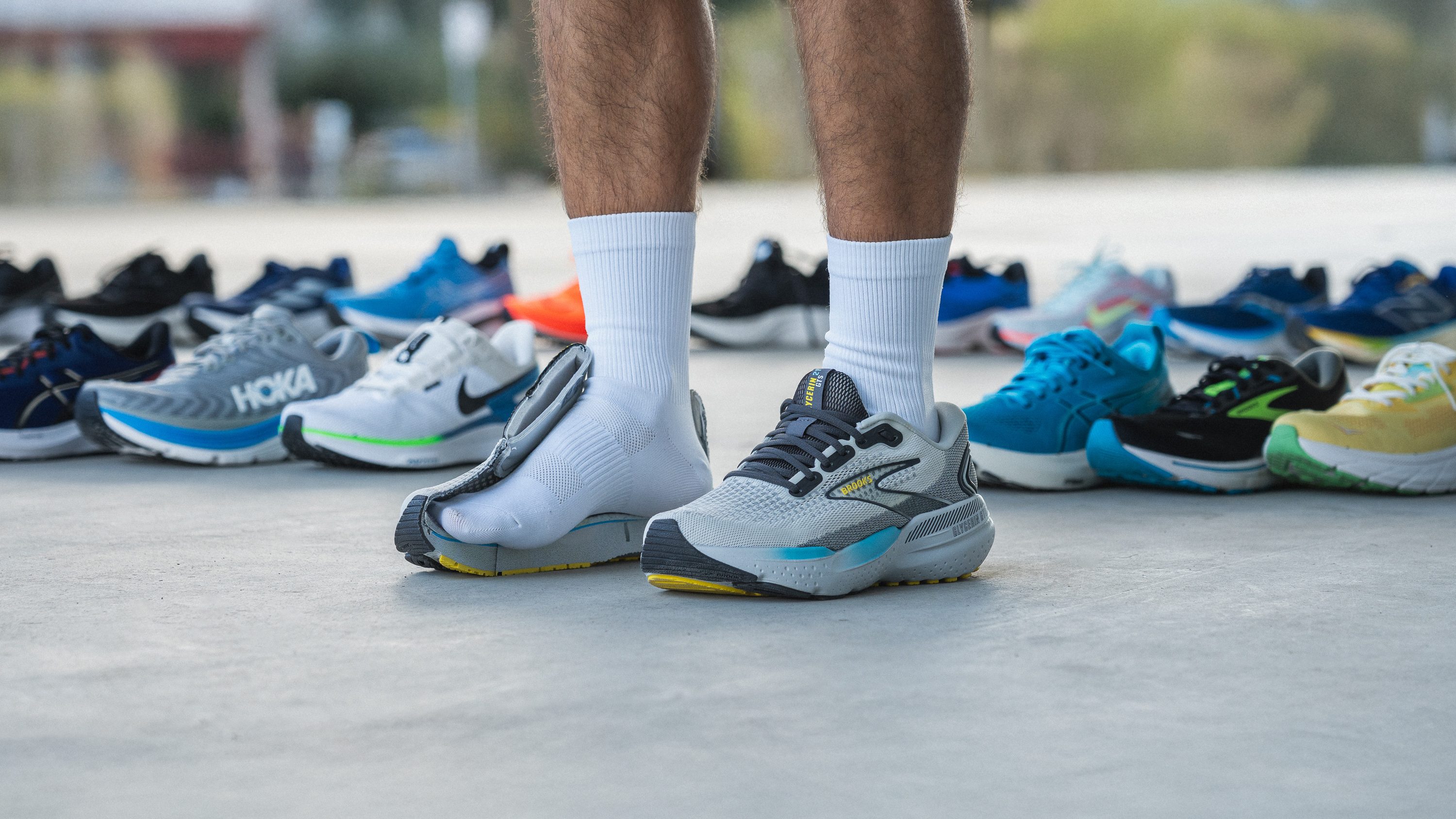
How to Choose Brooks Shoes for Plantar Fasciitis
A good fit often matters more than the model name. Use these steps when shopping.
1. Shop later in the day
Feet often swell during the day. Try shoes in the afternoon or evening, when your feet are closer to their largest size.