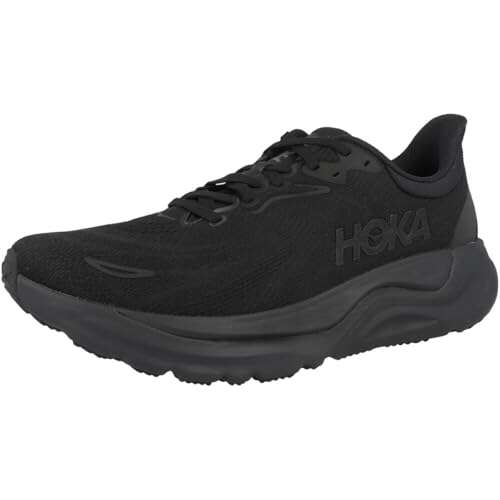
Hoka Arahi 8 Review: Stability, Cushioning, Verdict
Stable, cushioned daily trainer built for overpronators who want comfort and control.
You lace up, step out, and your usual niggle flares up after a few miles. You want a shoe that keeps your stride straight, so you can run, walk, or stand all day without fatigue. The Hoka Arahi 8 aims to solve that by pairing plush cushioning with firm stability. If you’ve battled mild overpronation or need a reliable daily trainer for mixed runs and errands, this shoe promises to reduce strain while keeping a lively ride.

Is Hoka Arahi 8 Good?
I’ll be direct: yes — for many runners and walkers, the Hoka Arahi 8 is a solid choice. It’s best for people who need stability without the heavy, clunky feel of old-school motion-control shoes. The Arahi 8 blends a responsive foam with a guiding J-Frame that gently resists excessive inward roll. In use, I found it reduced foot fatigue on back-to-back runs and long work days.
My first long outing in the Arahi 8 was a 10-mile route with rolling hills. The support felt subtle, not corrective. Another time I wore them for a full day of walking and light hiking — my knees felt less tired at the end compared to other trainers I tried. If you want a stable, cushioned daily trainer, the Hoka Arahi 8 is very compelling.

My First Impression for Hoka Arahi 8
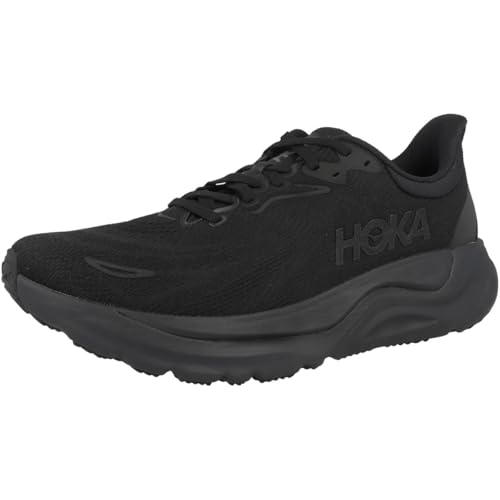
The shoes arrived in tidy, compact packaging with a simple paper wrap. Out of the box, the Arahi 8 felt lightweight and well-finished. The upper uses a breathable engineered mesh that looks cleaner than older versions. Stitching and seams were neat.
On my first touch, the foam felt springy yet supportive. Lacing was straightforward and the tongue stayed in place during short warm-ups. My initial run showed a smooth transition from heel to toe. I was pleasantly surprised by how the stability elements worked without making the ride harsh. Overall, excitement replaced skepticism within a few miles.
What Makes It Stand Out / Key Features
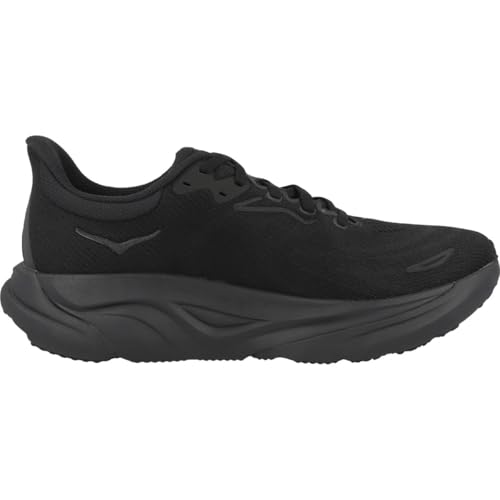
- J-Frame™ support for guided stability without rigid posts
- Light, responsive midsole foam for cushioning and energy return
- Breathable engineered mesh upper for a secure fit and ventilation
- Early-stage meta-rocker for smooth heel-to-toe transitions
- Durable rubber outsole zones for traction and longer wear
- Wide base under the midfoot for confident support
What I Like
- Comfortable cushioning that still feels lively on tempo runs
- Subtle stability that helps with mild overpronation
- Lightweight feel for an outsole that still protects well
- Breathable upper that reduces hot spots on longer runs
- Secure lockdown — laces and heel fit keep the foot steady

What Could Be Better
- Not as cushioned as maximalist Hoka models if you want plushest ride
- Narrower toe box for some users; consider half size up if wide-footed
- Minimal color/style updates from prior versions — mostly incremental

My Recommendation
If you need a daily trainer that balances comfort with control, the Hoka Arahi 8 should be on your list. I recommend the Arahi 8 for runners who overpronate mildly and want a lighter shoe than traditional stability models. It gives guidance, not correction, so your stride still feels natural. For everyday runs, recovery miles, and long shifts on your feet, the Arahi 8 hits the sweet spot of comfort, support, and durability. Overall value is strong given its tech and feel, and availability is typically good across sizes.
| Best for | Why |
|---|---|
| Everyday runners | Balanced cushion and stability for daily miles |
| Runners with mild overpronation | J-Frame support reduces inward roll without stiffness |
| Walkers and long shift workers | Comfortable underfoot for hours on your feet |

Alternative Products You Can Consider
Hoka Clifton 9 — The Clifton line focuses more on plush cushioning and a softer ride. If you want maximum comfort on long easy runs and prefer a neutral shoe, the Clifton 9 is a strong alternative. It’s lighter on stability but richer in cushion.
Brooks Adrenaline GTS — A long-time favorite for stability, the Adrenaline offers firmer support and a structured fit. It suits runners who want a more pronounced corrective feel than the Arahi 8 provides.
ASICS GT-2000 — Known for reliable support and a secure upper, the GT-2000 is a budget-friendly stability shoe. It compares well on value and offers a different feel in midsole firmness and outsole durability.
| Product | Best For | Key Difference |
|---|---|---|
| Hoka Arahi 8 | Everyday support with lightweight stability | J-Frame support with lively foam |
| Hoka Clifton 9 | Cushion-first neutral runners | Softer, plusher midsole feel |
| Brooks Adrenaline GTS | Runners wanting firmer corrective stability | More structured, supportive ride |
| ASICS GT-2000 | Budget-minded stability seekers | Firm midsole and secure upper at a lower price |
Final Verdict: Which Should You Buy?
If you want a light, stable trainer that feels modern and forgiving, choose the Hoka Arahi 8. It blends cushioning and guided support in a way that works for daily miles, recovery runs, and long days on your feet. The Arahi 8 is ideal when you want correction without the heavy, mechanical feel.
If plush comfort is your priority and you don’t need stability, consider the Hoka Clifton 9. If you want stronger corrective support, the Brooks Adrenaline GTS or ASICS GT-2000 may suit you better. Overall, for a versatile, comfortable stability shoe, I keep coming back to the Hoka Arahi 8 for its balanced ride and real-world usability.
FAQs Of hoka arahi 8 review
Are Hoka Arahi 8 shoes good for overpronation?
Yes. The Arahi 8 uses a J-Frame to guide your foot and reduce inward roll. It’s best for mild to moderate overpronation, not severe correction needs.
Should I size up or down in the Arahi 8?
Stick to your normal running shoe size. If you have a wide forefoot, try a half size up or check wide-width options. I found the fit slightly snug at first but true to size overall.
Can I use the Arahi 8 for long runs?
Absolutely. The cushioning and support make it a good choice for long, steady miles. If you want maximal plushness, a Clifton model would be softer.
How durable are the outsoles?
Durability is solid for everyday training. The rubber zones hold up well, though heavier runners may see wear sooner than a maximal trainer.
Is the Arahi 8 good for walking and casual wear?
Yes. The comfort and stability make it great for long walks and all-day use. It’s a versatile shoe outside of running too.