
How To Fix High Heel Shoes: The Ultimate 2026 Repair Guide
To fix high heel shoes, replace worn heel tips, reattach loose heels with strong adhesive, or use specialized padding. I have walked a mile in many pairs of shoes, and I know the heartbreak of a broken heel right before a big event. Whether you are dealing with a wobbly base or a peeling insole, learning how to fix high heel shoes is a life skill that saves you money and keeps your favorite pair in rotation. My years of experience with DIY footwear maintenance have taught me that most common repairs are straightforward if you have the right tools and a little bit of patience.

Assessing the Damage Before You Start
Before you grab the glue, you must identify what is actually wrong. Most people assume a broken shoe is destined for the trash, but many issues are superficial. If the heel feels wobbly, check if the screws or nails holding the top lift are loose. If the material on the heel is scratched, a quick touch of matching nail polish can work wonders. Understanding how to fix high heel shoes begins with a thorough inspection of the structural integrity versus the cosmetic wear.
Replacing Worn Heel Tips
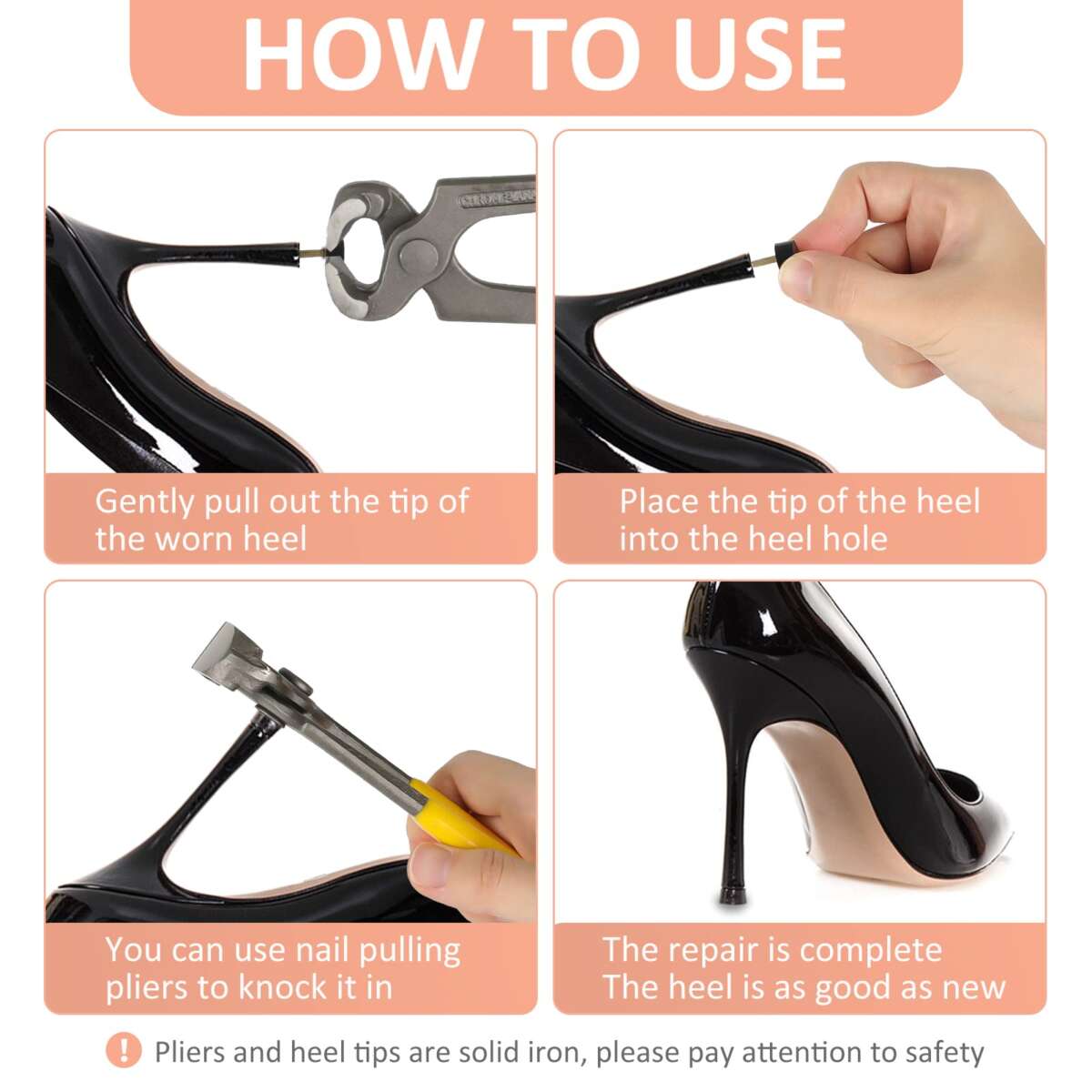
The most frequent issue with high heels is the degradation of the rubber cap at the bottom, often called a heel tip or ferrule. Walking on metal stems is noisy and damages your floors, so replacing these tips is essential. You can buy replacement tips in various sizes at most craft or shoe repair shops. Use pliers to pull out the old metal stem, then push the new cap into the existing hole. If it feels loose, a tiny drop of super glue ensures it stays put during your next night out.

Repairing Loose or Wobbly Heels
A loose heel can feel dangerous and unstable, but it is often just a matter of the internal shank or the adhesive failing. If you notice a gap between the heel and the shoe body, you need a strong, flexible glue like E6000. Apply a small amount to the connection point, clamp the heel in place, and allow it to cure for at least twenty four hours. Never try to wear the shoes before the glue has fully set, as this is how to fix high heel shoes effectively without risking further damage to the structure.

Fixing Scuffed and Damaged Heels
Scuffs happen, especially if you drive or walk on uneven pavement. For patent leather, use a cotton swab dipped in a tiny bit of acetone to blend the edges of a scuff, but be very gentle. For standard leather, leather dye or matching polish is your best friend. I personally keep a collection of acrylic paint pens in neutral colors to touch up minor chips on plastic or stacked wood heels. This simple trick makes an old pair look brand new in seconds.

Frequently Asked Questions of how to fix high heel shoes
Can I fix a broken heel if it snapped off completely?
It is very difficult to reattach a clean snap because the internal nail is usually bent or broken. You should take these to a professional cobbler who can replace the entire internal support structure.
How do I stop my heels from slipping?
Use silicone heel grips or adhesive inserts to prevent your foot from sliding forward. These affordable additions provide extra friction and help stabilize your foot inside the shoe.
Is super glue safe to use on all high heels?
Super glue works well for metal and hard plastic, but it can turn brittle on soft leather. Use a specialized shoe adhesive for leather repairs to ensure a flexible bond that lasts.
How often should I check my heel tips?
You should inspect your heel tips every few months or whenever you notice a clicking sound on hard floors. Replacing them before the metal stem is exposed prevents permanent damage to the heel block.
Can I dye my damaged high heels to hide stains?
You can use leather paint or specialized fabric dyes to cover stains and refresh the color. Always test the product on an inconspicuous area of the heel first to check for color matching and material reaction.
Conclusion
Mastering the basics of shoe repair gives you the confidence to wear your favorite heels longer without the stress of sudden malfunctions. Whether you are replacing a worn tip or masking a stubborn scuff, these techniques prove that knowing how to fix high heel shoes is both practical and empowering. Take the time to care for your footwear, and they will continue to support you through every step of your day. Start building your own small repair kit today and never let a loose heel ruin your style again. If you have any DIY success stories or questions about specific shoe materials, please feel free to leave a comment below.

Michael Smith is the Content Strategist behind The Style Hub, where fashion meets function. With a keen eye for trends and a passion for everyday style, he curates content that helps readers make smarter, more stylish choices—from the perfect pair of sneakers to must-have accessories. Michael specializes in breaking down fashion into practical, wearable insights, making style accessible for everyone. When he’s not researching the latest trends, he’s exploring how comfort, innovation, and timeless design come together in modern fashion.