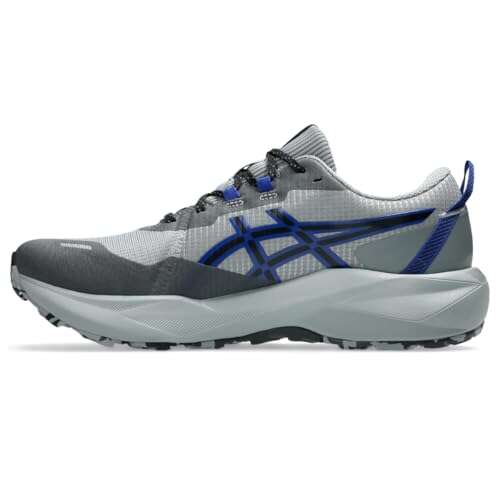

What Color Of Shoes To Wear With White Pants: Guide
The best shoe colors to wear with white pants are brown, tan, beige, white, black, navy, and metallic shades. The right choice depends on the occasion, your shirt, the season, and whether your pants are casual or tailored.
For most outfits in the United States, brown or tan shoes are the easiest starting point. They add warmth and look relaxed without feeling too casual. White sneakers create a clean weekend look, while black shoes give white pants a sharper, more formal edge.
Introduction
White pants are a blank canvas. They can look crisp and fresh, but the wrong shoe color may make the outfit feel too harsh, too pale, or out of place.
The good news is that white pants work with more shoe colors than many people expect. You do not need to follow an old rule that limits white clothing to a short summer season. In the U.S., white jeans, linen pants, chinos, and tailored trousers are now worn for travel, work-casual settings, dinners, weddings, beach trips, and everyday weekends.
The key is balance. Think about the visual weight of the shoes, the formality of the event, and the colors near your face. Shoes should support the outfit rather than compete with the bright pants.

The Best Shoe Colors for White Pants
Brown, tan, white, black, navy, and metallic shoes all work with white pants, but each creates a different mood. Use the guide below to choose the effect you want.
| Shoe color | Overall effect | Best uses | Good pairings |
|---|---|---|---|
| Tan or beige | Light, relaxed, warm | Daytime, travel, summer, smart casual | Blue, olive, cream, denim |
| Medium or dark brown | Classic and grounded | Offices, dinners, fall outfits | Navy, chambray, burgundy, gray |
| White | Clean and casual | Sneakers, errands, weekends | T-shirts, polos, denim jackets |
| Black | Sharp and high contrast | Evening, dressier events, modern outfits | Black, gray, navy, jewel tones |
| Navy | Polished but softer than black | Business casual, dinners, boating | Light blue, white, gray |
| Gray | Low contrast and modern | Casual offices, minimal outfits | Charcoal, blue, black, soft pastels |
| Metallic | Dressy and eye-catching | Parties, weddings, evening events | Black, jewel tones, satin, silk |
| Bold colors | Playful and expressive | Casual events, vacations, summer outfits | Neutral shirts and simple accessories |
Tan and beige shoes
Tan shoes are often the safest choice with white pants. Their warm tone keeps the outfit from looking stark, and their light value creates a smooth transition from the pants to the ground.
Try tan loafers, woven sandals, suede sneakers, espadrilles, or leather boat shoes. Tan works especially well with light blue shirts, striped tops, olive overshirts, and natural fabrics such as linen and cotton.
Beige shoes create an even softer look. They are useful when you want the white pants to remain the main focus.
Brown shoes
Brown shoes make white pants look more classic and grounded. Medium brown works well for daytime outfits, while dark brown feels more refined.
Brown leather loafers or derbies can work in a business-casual setting. Brown suede shoes feel less formal and pair well with white jeans or chinos. A brown belt can connect the shoes to the rest of the outfit, but the belt does not need to be an exact color match.
White shoes
white sneakers with white pants create a simple, modern outfit. This combination works best when the shoes are clean and the pants have a casual cut.
You can create contrast through your shirt or jacket. For example, white pants and white sneakers look more complete with a navy polo, blue denim shirt, black T-shirt, or olive jacket.
Avoid pairing white pants with shoes that are yellowed, heavily scuffed, or much brighter than the pants. Even a good outfit can look untidy when the whites clash.
Black shoes
Black shoes create the strongest contrast with white pants. That contrast can look stylish, but it needs some support elsewhere in the outfit.
A black belt, black shirt, black sunglasses, or dark jacket can make the shoes feel intentional. Black loafers or sleek boots suit evening events better than casual white jeans and athletic shoes.
For a softer effect, choose charcoal or dark gray instead of pure black.
Navy and gray shoes
Navy shoes are a strong choice when black feels too severe. They look polished with white pants and pair naturally with blue shirts, striped tops, and gray jackets.
Gray shoes offer a clean, low-contrast option. Light gray sneakers feel casual and cool, while dark gray loafers or boots can look more refined. These colors are helpful when your outfit already contains several dark or bright elements.

How to Choose Shoes by Occasion
The occasion should guide the formality of the shoe before you choose its color. A tan sandal and a tan leather loafer may share a color, but they send very different style signals.
Casual weekends and everyday wear
For errands, casual lunches, and weekend walks, choose white sneakers, canvas shoes, tan sneakers, or simple sandals.
White jeans with white sneakers can look sharp when the pants are slim or straight and the top adds contrast. A dark T-shirt, denim shirt, or casual jacket prevents the outfit from blending into one pale block.
If you wear wide-leg white pants, a low-profile sneaker or sandal can keep the outfit relaxed. Chunky shoes may work too, but they add more visual weight and can change the balance of the pants.
Business-casual outfits
For a casual office or a professional lunch, brown loafers, dark brown oxfords, navy loafers, or clean leather sneakers may work, depending on the dress code.
White denim is usually less formal than white cotton trousers or wool-blend pants. Check the workplace standard before wearing white pants to the office. If the setting is conservative, cream or off-white trousers may look more professional than bright white jeans.
Pair the shoes with a structured shirt, knit polo, blazer, or neat cardigan. Avoid beach sandals, worn sneakers, and very bright colors in a formal workplace.
Weddings and dressy daytime events
White pants can work for a daytime wedding when the invitation and setting allow them. Tan loafers, brown dress shoes, metallic sandals, or refined navy shoes are common choices.
Do not treat white pants as a substitute for a white wedding dress or a formal white suit without checking the dress code. At some weddings, an all-white outfit may be inappropriate for guests. The invitation, venue, and cultural expectations matter more than a general style rule.
For dressier outfits, choose shoes with a clean shape and good condition. A polished leather loafer often looks more appropriate than a casual canvas sneaker.
Evening events
Black, dark brown, navy, and metallic shoes work well at night. Sleek boots, loafers, dress sandals, and pointed-toe shoes can add structure to white pants.
The top should usually provide some depth. Black, navy, emerald, burgundy, chocolate brown, and deep gray all create a balanced evening outfit.
Bright white pants can feel very bold at night. If you want a quieter look, try ivory, ecru, or cream pants with dark shoes.
Beach trips and warm-weather travel
For a beach trip, choose tan sandals, leather slides, espadrilles, woven shoes, or clean canvas sneakers. Natural textures make white pants feel relaxed and suited to warm weather.
Linen white pants often look best with shoes that have a light, simple shape. Heavy black boots or thick athletic shoes may overpower the fabric unless the rest of the outfit is deliberately modern.

Match the Shoe to the Pants Style and Fabric
The cut and fabric of the pants affect which shoes look balanced. Start with the pants’ shape, then consider color.
White jeans
White jeans work with sneakers, loafers, boots, sandals, and casual oxfords. Straight-leg jeans are flexible and can handle most shoe shapes.
Skinny or slim white jeans often look best with low-profile shoes. Straight-leg and relaxed jeans can support boots, chunky sneakers, or wider loafers.
Cuffing the hem can show more of the shoe and create a casual look. Keep the cuff neat and use it only when it suits the cut of the jeans.
White linen pants
Linen pants have a light, relaxed texture. Tan sandals, espadrilles, woven loafers, canvas sneakers, and light brown shoes usually fit that mood.
Avoid overly shiny shoes unless the event is formal. The contrast between very glossy leather and airy linen can look less natural.
White chinos
White chinos sit between jeans and dress trousers. They work with leather sneakers, loafers, boat shoes, desert boots, and clean casual oxfords.
For a classic American look, try white chinos with brown loafers and a light blue Oxford shirt. For a more casual outfit, wear them with white sneakers and a navy polo.
White dress trousers
Tailored white trousers need a cleaner shoe. Loafers, oxfords, monk straps, sleek boots, and refined sandals can work, depending on the event.
The length matters. The hem should not bunch heavily over the shoe. A tailor can adjust the break—the amount of fabric resting on the shoe—if the trousers look too long.
Wide-leg and cropped white pants
Wide-leg pants need enough shoe presence to keep the outfit balanced. Loafers, platform sandals, boots, and structured sneakers can work well.
Cropped pants show more of the ankle and shoe. This makes the shoe color more noticeable, so use it as part of the outfit’s main color plan.

Coordinate Shoes With Socks, Belts, and Tops
You do not need every accessory to match, but the outfit should have a clear color relationship.
Socks
With sneakers, low socks or no-show socks can keep the look light. With loafers, visible socks can add personality, especially in navy, gray, brown, or a color pulled from the shirt.
For dress shoes, socks usually look more polished than bare ankles. Match them to the trousers, shoes, or another quiet color in the outfit.
Bright white pants with black shoes and bare ankles can create a sharp break. That may be intentional, but it can also make the shoes look disconnected. Dark socks can help link the shoes to the upper half of the outfit.
Belts
A belt does not need to match your shoes perfectly. It should, however, feel compatible with them.
Brown shoes usually pair well with a brown, tan, or woven belt. Black shoes can work with black or dark belts. With casual white jeans, a canvas or braided belt may look better than a formal leather belt.
If the outfit already contains several colors, keep the belt simple.
Shirts and jackets
White pants pair well with both neutral and bold tops. The shoe color can repeat a shade from the shirt or jacket:
- Navy shoes with a light blue shirt
- Brown shoes with a burgundy sweater
- Black shoes with a black jacket
- Tan shoes with an olive overshirt
- Metallic shoes with a black or jewel-tone outfit
- White sneakers with a gray sweatshirt
You can also use contrast. A bright blue shirt, for example, does not require blue shoes. Tan or white shoes may create a cleaner result.