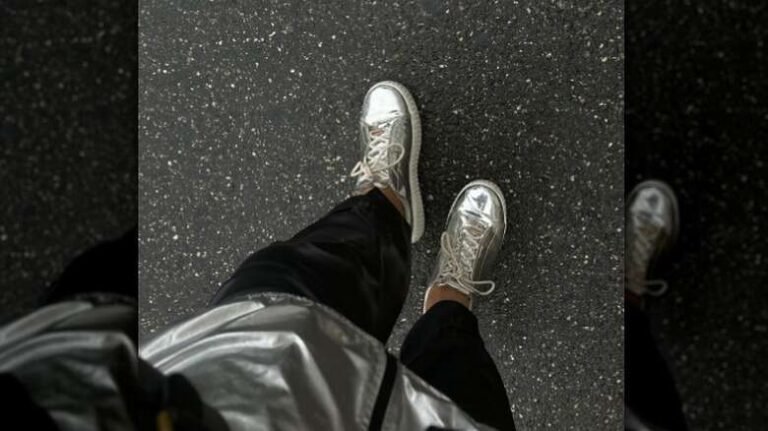
What Are The Best Leather Sneakers: Buying Guide
For shoppers in the United States, the best leather sneakers are the ones that match your daily use, foot shape, climate, and budget—not simply the pair with the highest price. For most people, a clean low-top sneaker made from sturdy leather, with a cushioned footbed, a rubber outsole, and a return-friendly U.S. seller is the best all-around choice.
A good starting shortlist includes the Koio Capri, Thursday Premier Low Top, Beckett Simonon Reid, Adidas Stan Smith, and Common Projects Achilles Low. Each serves a different buyer. The right choice depends on whether you value comfort, price, repairability, classic style, or premium materials.
This guide explains how to compare leather sneakers without relying on vague claims such as “luxury,” “premium,” or “built to last.”

The Best Leather Sneakers at a Glance
The table below compares well-known leather sneaker options sold to U.S. shoppers. Materials, colors, prices, and construction can change by version, so check the product page before buying.
| Best for | Model | Main strengths | Main limits |
|---|---|---|---|
| Best overall balance | Koio Capri | Clean design, leather upper, broad color range, versatile styling | Premium price; limited cushioning for some feet |
| Best lower-cost leather sneaker | Thursday Premier Low Top | Classic shape, leather upper, accessible price | Fit and material details vary by version |
| Best made-to-order value | Beckett Simonon Reid | Leather construction and direct-to-consumer value | Production and delivery may take longer |
| Best classic casual sneaker | Adidas Stan Smith | Recognizable design, easy styling, wide U.S. availability | Some versions use recycled or synthetic materials rather than traditional leather |
| Best minimalist luxury sneaker | Common Projects Achilles Low | Simple silhouette, refined finish, low visual branding | High price; little cushioning for the cost |
| Best fashion-forward option | Axel Arigato Clean 90 | Distinctive details and modern styling | Styling is less understated; prices vary |
| Best for a retro look | New Balance 550 | Roomier-feeling retro shape and strong casual appeal | Material mixes vary; not the best choice for dressy outfits |
Best overall for many U.S. buyers: the Koio Capri is a balanced option if you want a refined white leather sneaker for casual office wear, travel, and everyday use.
Best value: the Thursday Premier Low Top or Beckett Simonon Reid may offer more leather-focused construction at a lower cost than luxury designer sneakers.
Best budget decision: buy based on the actual material label. A sneaker described as “leather-look,” “vegan leather,” or “synthetic leather” is not the same as a full leather upper.
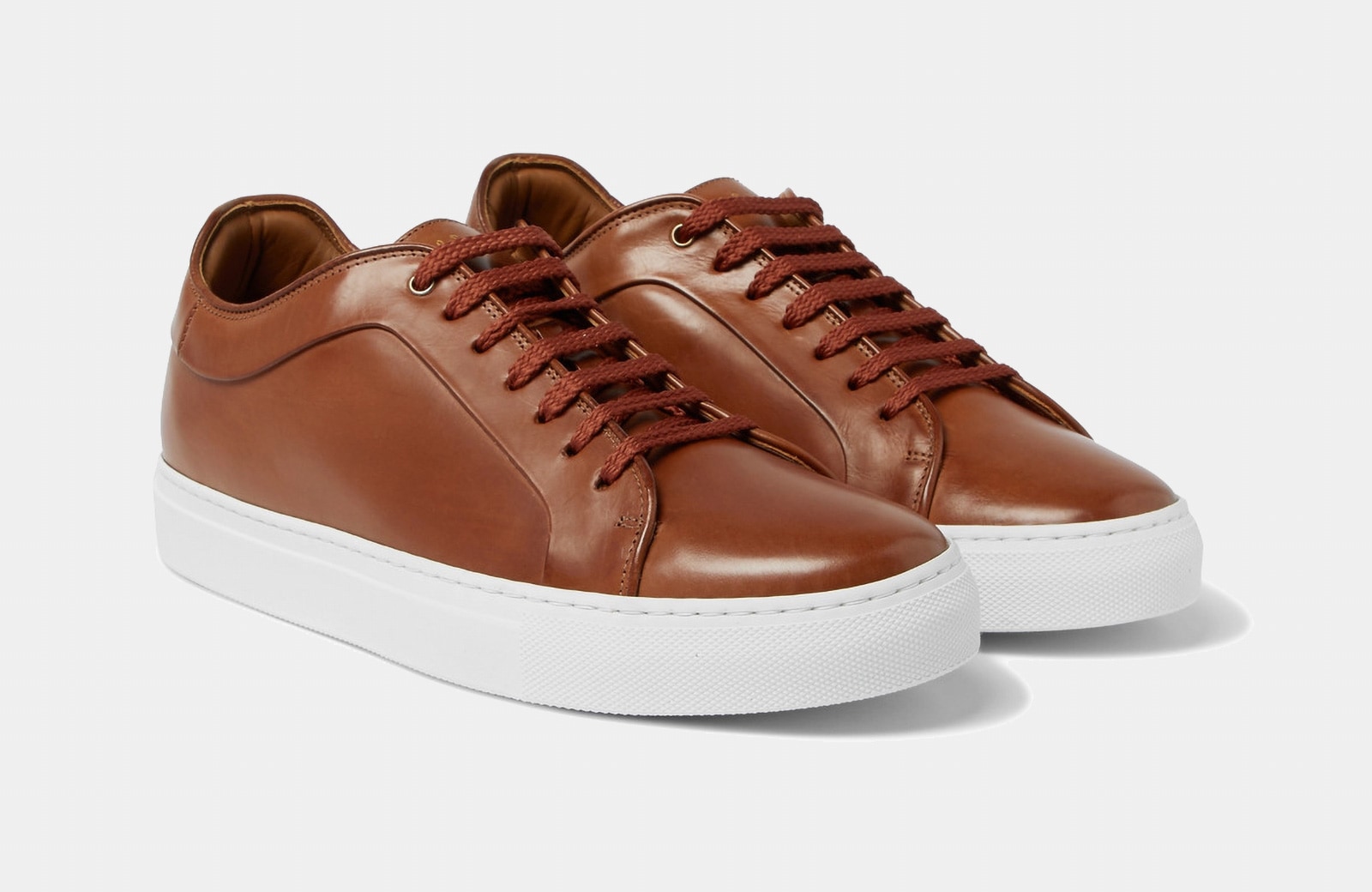
What Makes a Leather Sneaker Good?
A good leather sneaker combines four things: a useful upper material, a secure fit, a supportive sole, and construction that suits the way you plan to wear it.
1. The upper material
The upper covers most of the top and sides of the shoe. Common materials include:
- Full-grain leather: The outer surface of the hide remains largely intact. It can develop character over time and may resist wear well when cared for.
- Top-grain leather: The surface has been lightly corrected or finished. It can offer a smooth, uniform look but may show less natural grain.
- Corrected-grain leather: The surface is more heavily treated to hide marks and create a consistent finish.
- Nubuck: The outer surface is sanded to create a soft, fine nap. It looks rich but needs more care.
- Suede: The inner side of the hide is used or processed for a fuzzy texture. Suede is leather, but it needs different cleaning methods.
- Synthetic or polyurethane material: This may look like leather but is not animal hide. It can be easy to clean, though its aging pattern differs from leather.
The label alone does not predict the whole shoe. A full-grain upper does not guarantee a comfortable fit, and a corrected-grain upper can still be well made.
2. The lining and footbed
The lining affects comfort, heat, and moisture. Leather lining may feel smooth, while textile lining can dry faster and reduce cost.
The footbed should support your foot without creating pressure under the arch or heel. A removable insole can help if you use orthotics, but check the available depth before buying.
3. The outsole
A rubber outsole usually gives better grip and shock absorption than a leather dress-shoe sole. Look for:
- A tread pattern suited to wet sidewalks
- A heel that does not rock
- A flexible forefoot
- Enough thickness for your daily surfaces
- A sole that is bonded or stitched cleanly to the upper
A cupsole is a rubber sole that wraps slightly around the upper. It is common in casual sneakers and can provide a stable feel. A stitched or welted construction may offer repair advantages, but it does not automatically make a sneaker more comfortable.
4. The construction
Sneaker construction affects durability and repair options.
- Cemented construction: The upper is glued to the sole. It is common, light, and flexible, but replacement can be difficult.
- Stitched cupsole: The upper and sole have visible stitching. This may improve security, though the quality of the glue and stitch work still matters.
- Vulcanized construction: Heat bonds the rubber sole to the shoe. It is common in canvas and casual sneakers.
- Welted construction: A strip connects parts of the shoe. It can support resoling, but few everyday sneakers are built this way.
For most buyers, a clean bond, even stitching, strong eyelets, and a comfortable fit matter more than a technical construction label.

The Best Leather Sneakers by Use
The best pair changes with the setting. A sneaker for an office commute has different needs from one for long walks or weekend travel.
Best for everyday smart-casual wear: Koio Capri
The Koio Capri has the simple shape many people want from a modern leather sneaker. It works with jeans, chinos, casual trousers, and some relaxed suits. Its low branding also makes it easier to wear in offices where a bright athletic shoe may look out of place.
Choose it if you want:
- A clean white or neutral sneaker
- A polished shape
- A shoe that can move between casual and smart-casual settings
- A leather-focused alternative to running shoes
The main trade-off is cost. A sleek leather sneaker may look refined, but it will not provide the same cushioning or motion control as a performance walking shoe.
Best for value: Thursday Premier Low Top
The Thursday Premier Low Top is aimed at buyers who want a classic leather sneaker without moving into luxury pricing. Its simple design makes it useful for everyday outfits, travel, and casual workplaces.
Choose it if you want:
- A traditional low-top shape
- A more accessible price than many luxury brands
- A versatile shoe with modest branding
- A pair that does not look overly sporty
Check the exact version before purchase. Brands can change leather, lining, insole, and outsole details across colors or production runs. Read the material list instead of assuming every model in a product family is identical.
Best made-to-order option: Beckett Simonon Reid
Beckett Simonon uses a made-to-order model for many products. That can help keep prices below some traditional retail brands, but it also means you may wait longer for production and delivery.
Choose it if you want:
- A more formal-looking leather sneaker
- A direct-to-consumer buying model
- A broad range of colors
- Time to wait for an order rather than immediate shipment
This option is less suitable when you need shoes for a trip next week. Confirm the current production timeline, exchange rules, and return conditions before ordering.
Best classic design: Adidas Stan Smith
The Stan Smith is one of the easiest leather sneaker styles to recognize. Its low profile and simple panels work with shorts, denim, khakis, and casual trousers.
However, “Stan Smith” is now a broad product family. Some versions use leather, while others use recycled or synthetic materials. If leather matters to you, read the exact U.S. product listing and confirm the upper composition.
Choose it if you want:
- A familiar court-sneaker shape
- Easy access through major U.S. retailers
- Many color and collaboration options
- A casual shoe with a long-standing design language
Do not choose it solely because the model name is associated with leather. Check the current material label.
Best minimalist luxury option: Common Projects Achilles Low
The Achilles Low is known for its sparse design, smooth upper, and limited visible branding. It can suit people who want a refined sneaker that does not display a large logo.
Choose it if you value:
- Minimal branding
- A sleek shape
- Premium fashion positioning
- A sneaker that works with tailored casual clothing
The price is its largest limitation. It does not provide the same level of athletic cushioning as a performance shoe, and the high cost does not guarantee a perfect fit or longer life for every wearer.
Best for a retro casual look: New Balance 550
The New Balance 550 has a chunkier, more athletic shape than minimalist leather sneakers. It fits casual wardrobes well and may feel roomier to some wearers than narrow fashion styles.
Material details vary by colorway. Some versions combine leather with synthetic overlays or textile panels. It is a good choice for relaxed outfits, but it may look too sporty for a formal office.
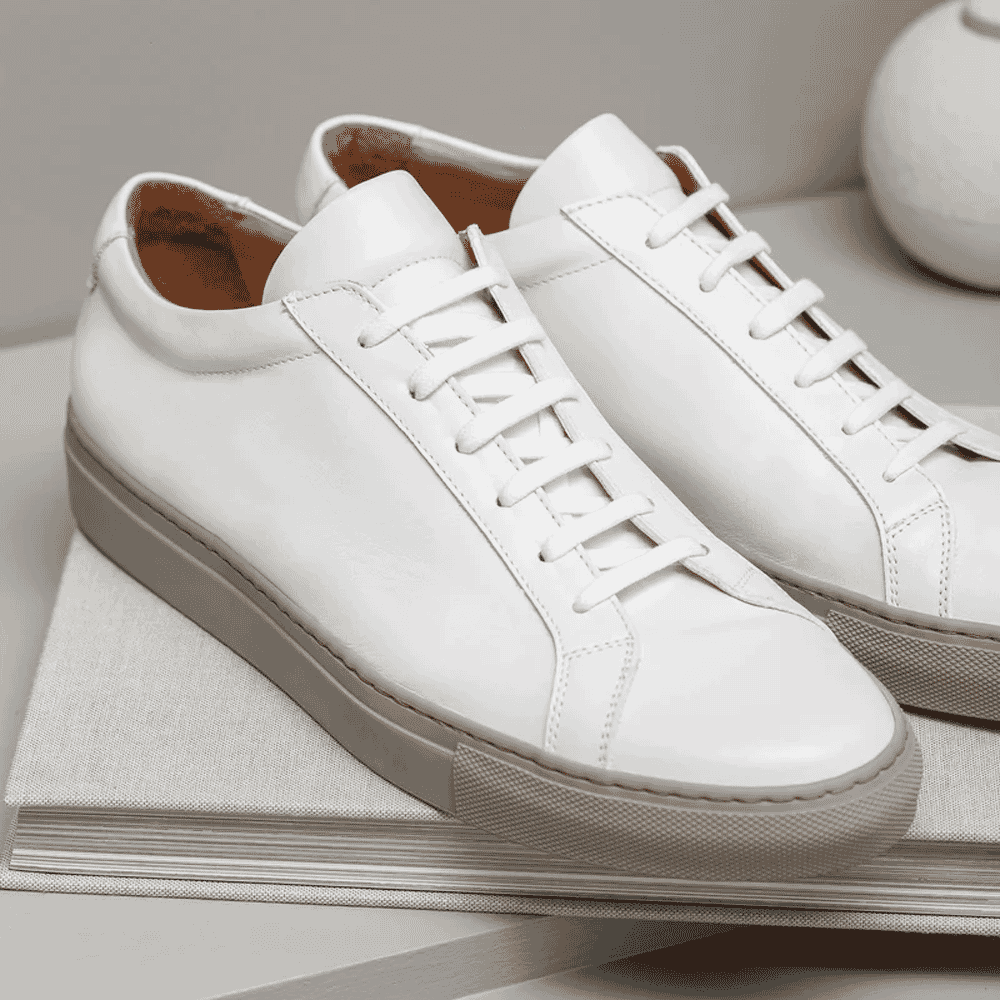
How to Choose the Right Leather Sneakers
Use this five-step process before you buy.
Step 1: Define the main use
Ask where the shoes will spend most of their time:
- Office and dinners: Choose a clean, low-profile shape.
- Travel: Prioritize comfort, grip, easy cleaning, and a reliable return policy.
- Daily walking: Look for cushioning, a stable heel, and enough toe space.
- Rainy climates: Choose treated leather and a rubber outsole, but do not expect any casual sneaker to be fully waterproof.
- Warm climates: Look for breathable lining and avoid overly heavy construction.
- Occasional wear: Style may matter more than maximum durability.
A leather sneaker is not a substitute for a running shoe, hiking shoe, work boot, or safety shoe. Use footwear made for the activity when the surface, distance, or hazard demands it.
Step 2: Check the material page
Search the product details for exact wording:
- “Leather upper”
- “Full-grain leather”
- “Cowhide leather”
- “Suede upper”
- “Synthetic leather”
- “Polyurethane upper”
- “Textile and leather upper”
“Leather upper” usually means at least part of the upper uses leather, but it may not describe every panel, trim piece, tongue, or lining. If the material is unclear, contact the seller before buying.
Step 3: Measure both feet
Feet often differ slightly in length or width. Measure at the end of the day while wearing the socks you plan to use.
Trace each foot on paper, then measure:
- Heel to the longest toe
- The widest part of the forefoot
- The difference between the left and right foot
Use the brand’s size chart. U.S. shoe sizes are not perfectly consistent between brands. A size 10 in one sneaker may not match a size 10 in another.
Step 4: Check the fit indoors
Wear both shoes on a clean indoor floor. Walk, stand, and bend your feet.
A good fit usually has:
- Toes that can move without hitting the front
- A heel that stays mostly in place
- No pinching across the widest part of the foot
- No seam pressing on a toe or bunion
- A tongue that lies flat
- No need to tighten the laces excessively
Leather may soften with wear, but it will not reliably become longer. Do not buy a shoe that is too short and hope it stretches.
Step 5: Compare the return policy
A U.S. return address can make a major difference. Before ordering, check:
- The number of days allowed for returns
- Whether shoes must be unworn
- Whether the original box is required
- Who pays return shipping
- Whether exchanges are available
- Whether made-to-order items are final sale
The best sneaker on paper is a poor choice if you cannot return it after an indoor fit test.
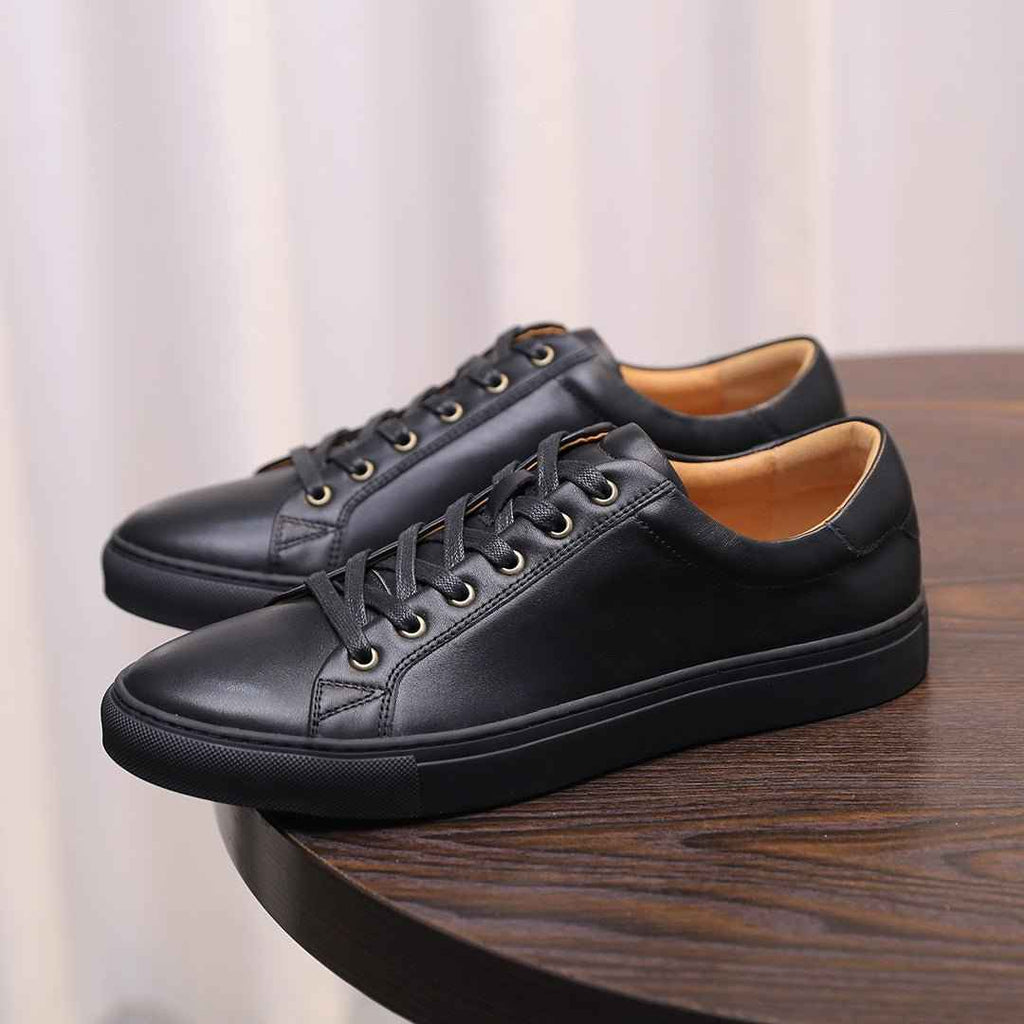
Leather Quality: What the Labels Really Tell You
Leather grades describe the surface and processing of the hide. They do not provide a complete durability rating.
Full-grain leather often shows natural variation. Small marks or changes in grain are not automatically defects. It may age attractively, but the result depends on the finish, thickness, use, and care.
Top-grain leather has a more uniform surface. It may be sanded, coated, or embossed. This can create a smooth appearance and consistent color.
Corrected-grain leather has more surface treatment. It can resist some marks and look uniform, but heavy coatings may crease differently from less treated leather.
Suede and nubuck can feel soft and look distinctive. They are not poor materials, but they need a brush and cleaner made for their texture. Do not apply ordinary shoe polish to suede.
Bonded leather is made from leather fibers and binders. It should not be treated as the same material as a solid leather upper.
A key point: leather quality is only one part of shoe quality. A well-fitted sneaker with a modest leather grade may serve you better than an expensive shoe that slips at the heel.