Are High Top Sneakers Comfortable: Comfort Guide
For many people in the United States, high-top sneakers are comfortable for daily wear, walking, and some sports. Their taller collar can make the ankle feel secure and warm. However, comfort depends on more than height. Fit, cushioning, weight, flexibility, and ankle shape matter just as much.
A high-top sneaker is not automatically more supportive or safer than a low-top shoe. It may feel stable, but research does not show that every high-top design prevents ankle injuries. The best choice depends on your activity, foot shape, and personal comfort.

What Makes a High-Top Sneaker Different?
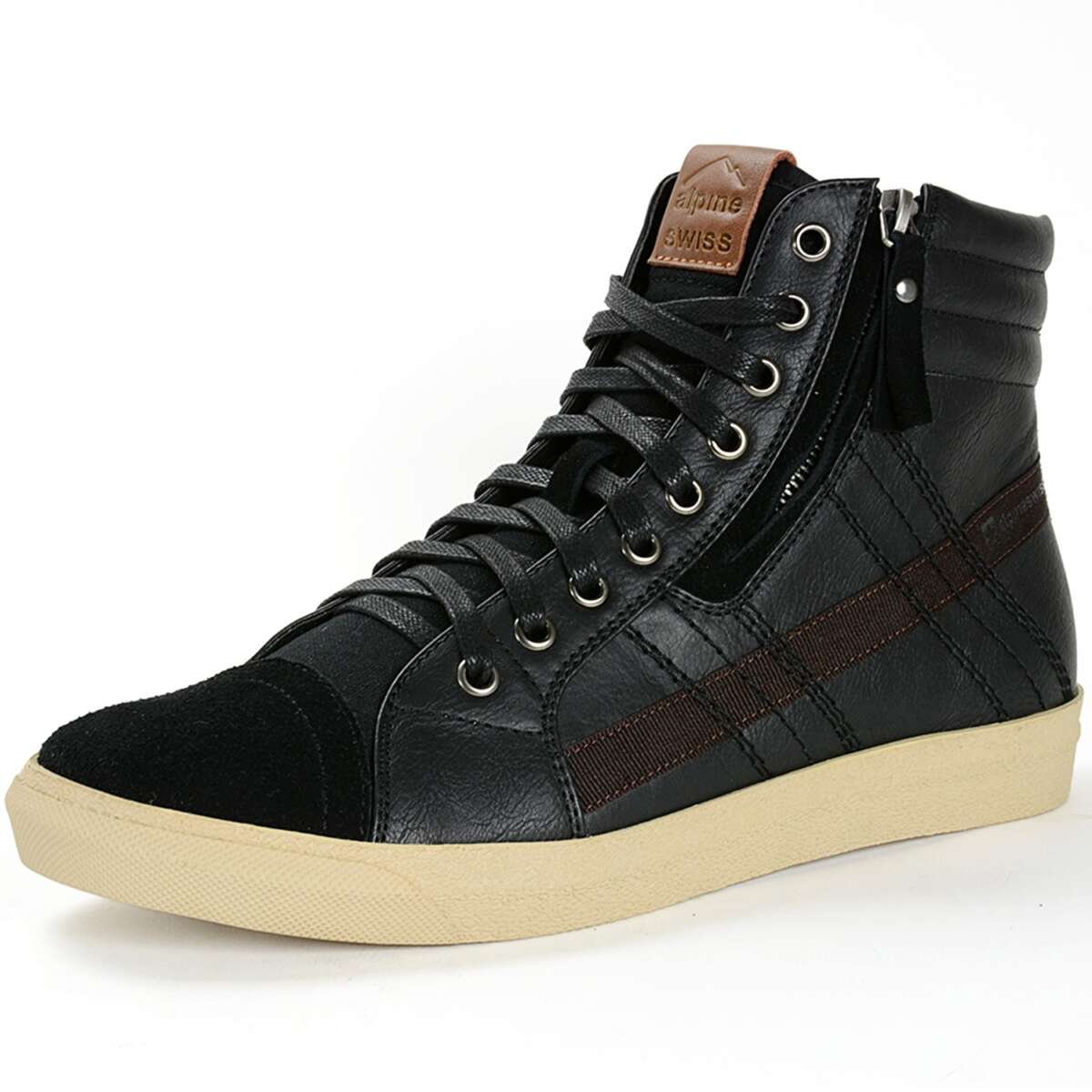
A high-top sneaker has a collar that rises above the ankle. The collar may cover part of the ankle bones, unlike a low-top shoe, which ends below them. A mid-top design falls between the two.
The collar can change how the shoe feels in several ways:
- It may give the ankle a more secure feel.
- It can add warmth in cold weather.
- It may reduce side-to-side movement of the upper.
- It can make the shoe harder to put on.
- It may rub the ankle if the shape or padding is wrong.
- It can add weight and reduce freedom of movement.
The collar is only one part of the shoe. The sole, insole, heel counter, laces, and upper all affect comfort.
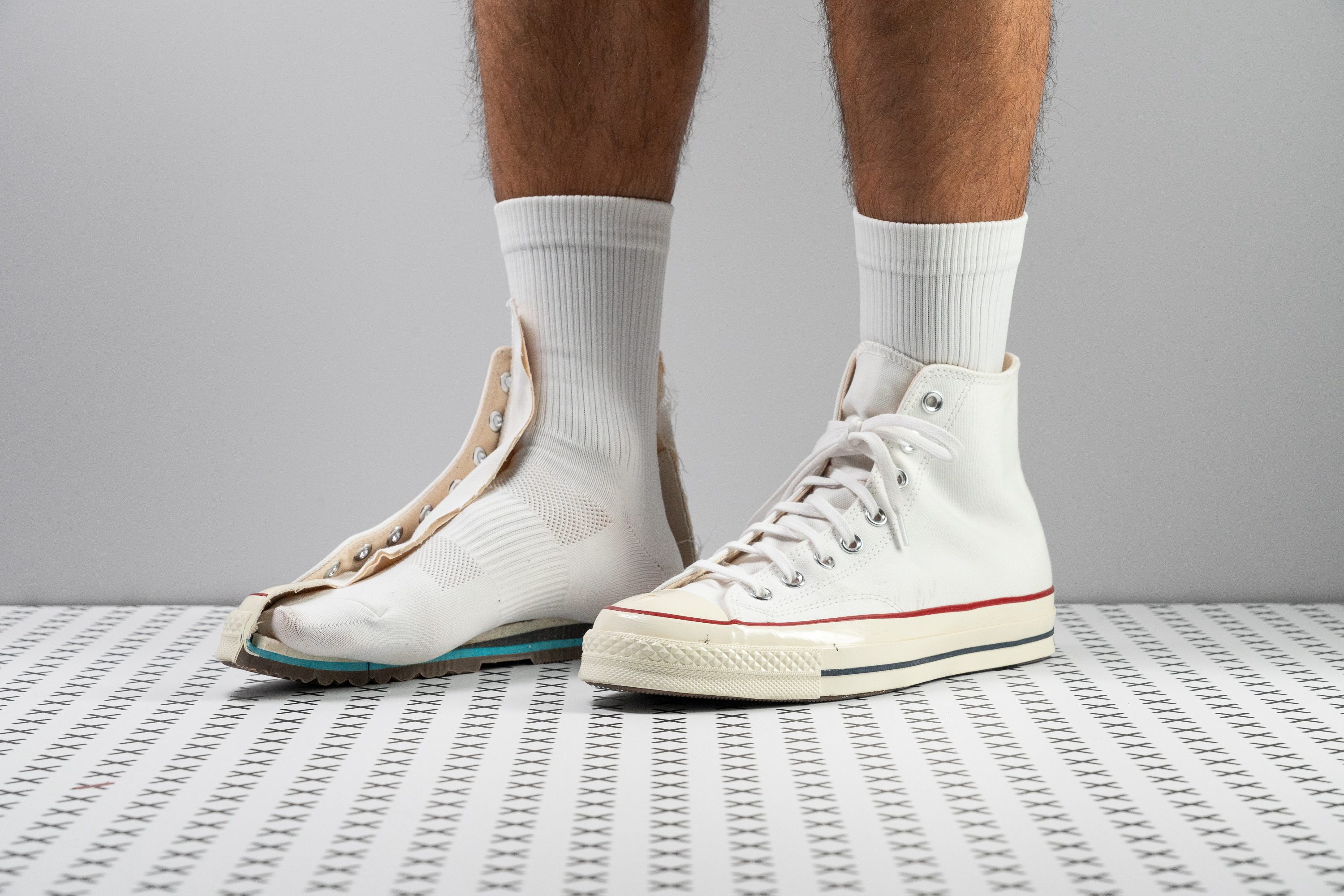
A firm heel counter can help hold the heel in place. A padded tongue can reduce pressure from the laces. A flexible forefoot can make walking easier. These features often matter more than the shoe’s height alone.
Are High-Top Sneakers Comfortable for Everyday Wear?
High-top sneakers can be comfortable for daily wear when they fit well and match the way you walk. Many people like them with jeans, casual clothes, and streetwear because they combine ankle coverage with a familiar sneaker sole.
They may work well for:
- Short walks
- Commuting
- Casual errands
- Standing for moderate periods
- Cool or windy weather
- People who prefer a secure ankle feel
They may feel less comfortable when they are stiff, heavy, narrow, or poorly padded. A tall collar can press against the ankle bones. It can also cause heat and sweat during warm U.S. summers.
For long walks, comfort usually depends more on cushioning, fit, and weight than on the high-top shape. A lower shoe with good cushioning may feel better than a high-top with a hard sole.
Daily-wear comfort checklist
Before buying, check these points:
- Toe room: Your toes should have space to spread and move.
- Heel fit: Your heel should not lift much when you walk.
- Ankle contact: The collar should touch gently, not dig into the skin.
- Flex point: The shoe should bend near the ball of your foot.
- Weight: Heavy shoes may tire your legs over a long day.
- Breathability: Mesh or perforated panels can help in hot weather.
- Sole grip: The outsole should suit the floors or roads where you walk.
A simple test helps: wear the shoes indoors with the socks you normally use. Walk, climb stairs, and sit for at least 10 minutes. Check for pressure, rubbing, numbness, or heel slip.

Are High-Tops Good for Ankle Support?
High-tops can make the ankle feel more supported, but that feeling is not the same as proven injury protection.
The taller upper may limit some ankle motion. Laces can also help hold the foot in place. Yet ankle stability comes from several factors, including muscle control, balance, shoe fit, the surface, and the activity.
A review in the British Journal of Sports Medicine found that footwear design and ankle injury risk are complex. High-top shoes should not be treated as a complete defense against sprains. The American Academy of Orthopaedic Surgeons also focuses on fit, activity, and injury care rather than recommending high-tops for everyone.
For this reason, choose high-tops for a secure feel, style, warmth, or sport-specific design—not as a guarantee against injury.
When high-tops may feel helpful
A high-top may suit you if:
- You like a snug feeling around the ankle.
- You often walk on uneven city sidewalks.
- You want extra warmth in cold weather.
- You play a sport that uses a high-top model for fit or tradition.
- You prefer more material around the ankle.
When they may not help
A high-top may be a poor choice if:
- The collar presses on your ankle bones.
- The shoe limits normal movement.
- You need a light shoe for running.
- Your feet become hot or sweaty.
- The shoe is too loose at the heel.
- You expect it to replace training or injury care.
If you have repeated ankle sprains, pain, swelling, or a feeling that the ankle gives way, a qualified health professional can assess the problem. Shoe height alone may not address the cause.

Are High-Top Sneakers Comfortable for Walking?
High-top sneakers can be comfortable for walking, but they are not always the best walking shoes.
Walking comfort depends on how the foot rolls from heel to toe. The shoe should allow a smooth step. A stiff upper or heavy sole can make that motion feel less natural.
Look for these features in a walking high-top:
- A cushioned but stable midsole
- A flexible forefoot
- A secure heel
- Enough room at the toes
- A sole with reliable grip
- Padding that does not press on the ankle
Avoid choosing by appearance alone. A shoe may look supportive but still cause heel slip, arch pressure, or toe crowding.
For a short walk, most well-fitting high-tops can work. For several miles, travel, or daily walking, compare the high-top with a low-top walking shoe. The lower shoe may offer less ankle coverage but more flexibility and less weight.
Are High-Tops Comfortable for Basketball?
High-top basketball shoes can feel comfortable during basketball because they often include a structured upper, cushioning, and a sole designed for indoor court traction. Still, the “high-top” label does not tell you how well the shoe performs.
Basketball comfort depends on:
- Court grip
- Cushioning
- Fit during sudden stops
- Weight
- Breathability
- Lateral stability
- The player’s position and movement style
A high collar may provide a secure sensation, but it does not lock the ankle in place. Basketball players still need proper warm-ups, strength, balance, and safe play habits.
The National Athletic Trainers’ Association and sports medicine guidance generally treat footwear as one part of injury prevention. A shoe cannot correct every movement problem or prevent all injuries.
Do not use running shoes for basketball simply because they feel soft. Running shoes are made for forward motion. Basketball requires frequent side-to-side movement and sudden stops.

High-Tops vs. Low-Tops: Which Is More Comfortable?
Neither style is always more comfortable. The better option depends on what your feet need and what you plan to do.
| Feature | High-top sneakers | Low-top sneakers |
|---|---|---|
| Ankle coverage | More | Less |
| Weight | Often higher, but varies | Often lower, but varies |
| Warmth | Usually higher | Usually lower |
| Ease of entry | May take longer | Usually easier |
| Flexibility | May feel more restricted | Often feels freer |
| Ankle feel | More secure for some people | Less noticeable for some people |
| Hot-weather comfort | May be lower | Often higher |
| Walking comfort | Depends on the sole and fit | Depends on the sole and fit |
This table shows a general pattern, not a rule. Materials and construction can change the result. A lightweight high-top may feel freer than a stiff low-top.
Choose a high-top when ankle coverage, warmth, or a secure feel matters most. Choose a low-top when light weight, airflow, and easy movement matter most.
How Should High-Top Sneakers Fit?
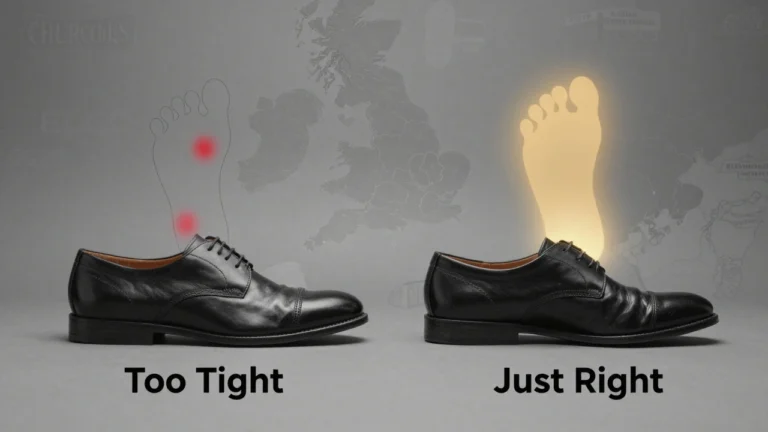
A comfortable high-top should feel secure without squeezing the foot or ankle. It should hold the heel while leaving the toes free.
Use this fitting process:
- Shop later in the day. Feet often swell slightly after hours of activity.
- Wear normal socks. Thick athletic socks can change the fit.
- Measure both feet. One foot may be longer or wider.
- Fit the larger foot. Use an insole or lacing change if needed.
- Check the toe box. Your longest toe should not hit the front.
- Walk on a hard surface. Look for heel slip and pressure.
- Bend the shoe. It should flex near the ball of the foot.
- Try the laces in stages. The ankle and midfoot should feel held, not trapped.
Do not assume a larger size will solve a narrow toe box. Extra length can cause heel slip. A wider version may be a better solution.
Also check U.S. sizing carefully. Sizes can vary by brand, and men’s and women’s size labels do not always fit the same way. Read the brand’s size chart, but use it as a guide rather than a guarantee.

How Can You Break In High-Top Sneakers Safely?
Most new sneakers need a short adjustment period, but painful shoes should not be “broken in” by force.
Start by wearing the shoes indoors for 20 to 30 minutes. Use normal socks and lace them as you would for daily use. If the shoes feel fine, increase wear time over the next few days.
To reduce rubbing:
- Loosen the top eyelets.
- Use a soft, moisture-wicking sock.
- Apply a protective bandage to a known hot spot.
- Stop if the skin becomes raw.
- Avoid long walks until the fit is proven.
Do not use heat to force the shoe to stretch. Heat can damage adhesives, foam, leather finishes, and synthetic materials. If the shoe causes numbness, sharp pain, or repeated blisters, return or replace it if possible.
A comfortable shoe should improve with normal wear. Persistent pain is a fit warning, not a challenge to overcome.
Do High-Tops Cause Ankle Stiffness?
They can make the ankle feel less free, especially when the collar is firm or the laces are tight. That is not always harmful, but it can change your walking pattern.
Some people like this secure feeling. Others feel restricted, especially when climbing stairs, driving, squatting, or walking on uneven ground.
To reduce stiffness, try:
- Loosening the top two eyelets
- Using a flexible model
- Choosing softer collar padding
- Wearing the shoes for shorter periods at first
- Comparing the shoe with a mid-top style
If ankle stiffness continues after removing the shoes, or if it comes with swelling or pain, do not assume the footwear is the only cause. Consider medical advice.
Common Mistakes When Buying High-Top Sneakers
The most common mistake is buying a high-top for looks and ignoring the foot inside it. Style can guide the choice, but fit should decide whether the shoe stays.
Avoid these errors:
- Buying a size that is too small because the upper will “stretch”
- Assuming more ankle material means more support
- Wearing new shoes for a full day right away
- Ignoring heat and sweat
- Choosing a heavy shoe for long-distance walking
- Using a basketball shoe for every type of exercise
- Relying on online reviews without checking the return policy
- Wearing shoes with worn tread on slick surfaces
- Treating high-tops as medical devices
Replace sneakers when the tread is worn, the midsole feels flat, or the upper no longer holds the foot well. There is no single mileage number that applies to every shoe. Body weight, use, surface, and construction all affect wear.

Who Should Consider High-Top Sneakers?
High-tops may be a good fit for people who want ankle coverage, a secure feel, or extra warmth. They can also suit casual outfits and some court sports.
They may be less suitable for people who:
- Prefer a very light shoe
- Walk long distances in hot weather
- Need a wide toe box not offered by the model
- Have ankle pain caused by pressure from the collar
- Need a flexible shoe for running
- Find high collars hard to put on or remove
People with diabetes, reduced foot sensation, significant foot deformity, or recurring wounds should choose footwear with guidance from a qualified clinician. Reduced sensation can make it harder to notice pressure or skin damage.

Frequently Asked Questions
Are high-top sneakers better than low-tops?
No style is better for everyone. High-tops offer more ankle coverage and may feel more secure. Low-tops are often lighter and allow more ankle movement. Fit and activity matter more than the height of the collar.