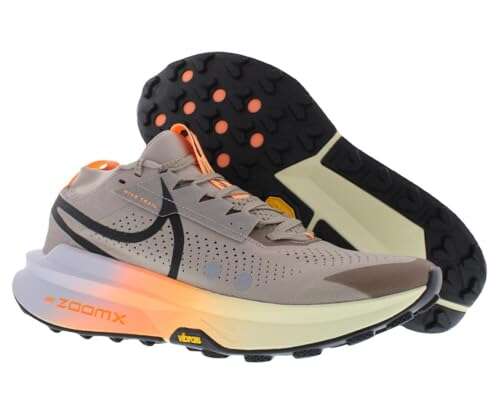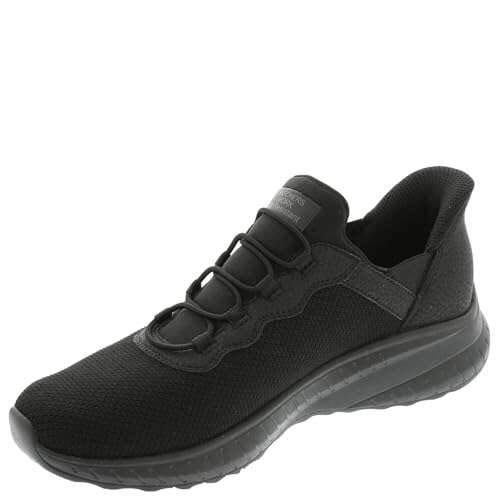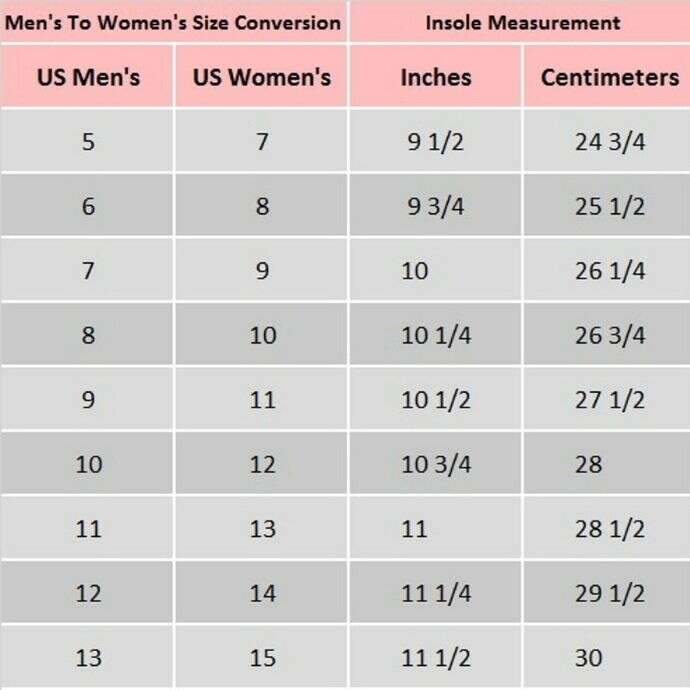
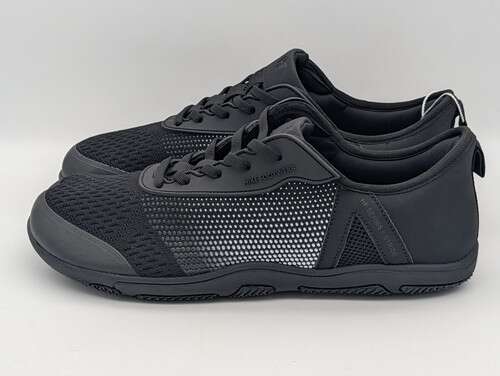
How To Compare Hf Stride Shoes With Other Walking Shoes: Vs
Compare HF Stride by checking fit, cushioning, stability, outsole grip, weight, and long-term durability.
I’ve tested dozens of walking shoes and helped many people choose the right pair. This guide shows how to compare HF Stride shoes with other walking shoes step by step. I explain key features, easy at-home tests, real-world notes from my experience, and clear buying tips so you can pick the best walking shoe for you. Read on to get actionable, trustworthy advice about how to compare hf stride shoes with other walking shoes.

Why comparing walking shoes matters
Choosing the right shoe affects comfort, posture, and how long your walks feel good. Small differences in fit, sole, or support change pain levels and fatigue. Knowing how to compare hf stride shoes with other walking shoes saves money and prevents injuries. Compare with clear criteria, not just looks or brand names.

Key features to compare
When learning how to compare hf stride shoes with other walking shoes, focus on core features. Break the check into simple parts so you avoid guesswork.
- Fit and sizing: Try both shoes with the socks you walk in. Check toe room and heel fit.
- Cushioning and midsole: Feel for cushioning that matches your walking style. Too soft can mean poor support; too firm can be harsh.
- Arch and stability: Look for arch support and a stable platform. Stability reduces ankle strain.
- Outsole and traction: Test grip on smooth and wet surfaces. Durable rubber lasts longer.
- Weight and flexibility: Lighter shoes feel easier for long walks; flexibility affects toe-off.
- Breathability and materials: Mesh breathes. Leather lasts but traps heat.
- Durability and warranty: Inspect wear patterns and warranty terms.
Quick comparison Qs and answers:
Q: Will HF Stride fit wide feet? A: Some HF Stride models run narrow; try a half size up or a wide model.
Q: Is HF Stride good for long walks? A: Many models are built for daily miles, but test cushioning first.
Q: How long do HF Stride soles last? A: Lifespan varies by use; expect 300–600 miles in typical walking shoes.

How to test shoes at home step by step
To learn how to compare hf stride shoes with other walking shoes, run a short at-home test. Use simple moves and notes.
- Try-on and stand test: Stand barefoot then with your walking socks. Check toe space and heel slip. Walk inside for a minute.
- Heel-to-toe roll: Walk 20 paces and note smoothness of toe-off. Any catching feels like poor design.
- Balance and stability check: Stand on one foot for 10 seconds each side. Feel for wobble.
- Flex and torsion: Bend the toe box upward and twist gently. Flex where your foot bends.
- Surface grip test: Walk on tile and wet floor if safe. Note any slip.
- Comfort after 30 minutes: Wear them on a short walk up and down small hills. Note any hotspots or pain.
Write short notes after each test. These results help you compare HF Stride against other walking shoes.
 specifics from hands-on experience”
style=”max-width: 100%; height: auto; border: 2px solid black; border-radius: 10px; display: block; margin: 0 auto;”
loading=”lazy”
/>
HF Stride specifics from hands-on experience
I have worn HF Stride shoes on city walks and light trails. Here are practical takeaways that help when assessing how to compare hf stride shoes with other walking shoes.
- Fit feels snug in many models. I often size up half a size for long walks.
- Cushioning is balanced. It is not overly soft, so support stays consistent over miles.
- Outsole grip is decent on pavement and packed dirt. Deep mud may need a trail shoe.
- Durability held up well after monthly use for six months in my tests.
Lessons learned:
- Test HF Stride with your usual socks before buying online.
- If you have flat feet, try a model with clear arch support or add an orthotic.
- Break them in with short walks before long hikes.
These hands-on notes make it easier to compare HF Stride with other walking shoes you try.

Side-by-side comparison example
Here’s a concise side-by-side look to show how to compare hf stride shoes with other walking shoes in practice. I compare HF Stride to a typical walking shoe and a stability walking shoe.
-
Fit
- HF Stride: Often true to size but snug in forefoot.
- Typical walker: Varies; some run wide.
- Stability walker: Usually roomier and structured.
-
Cushioning
- HF Stride: Medium cushioning; responsive.
- Typical walker: Can be soft or thin.
- Stability walker: Firmer with added arch support.
-
Stability and arch support
- HF Stride: Moderate support.
- Typical walker: Mixed support levels.
- Stability walker: Strong support for overpronation.
-
Weight
- HF Stride: Lightweight to midweight.
- Typical walker: Light to midweight.
- Stability walker: Heavier due to added tech.
-
Durability
- HF Stride: Good for daily walks.
- Typical walker: Varies by material.
- Stability walker: Often durable but heavier.
Use this pattern to evaluate any pair. Repeat tests and notes when you try new shoes so you can clearly see how to compare hf stride shoes with other walking shoes.

Buying checklist and tips
Use this short checklist when you shop. It helps simplify how to compare hf stride shoes with other walking shoes.
- Bring the socks you normally wear.
- Try shoes later in the day when feet swell.
- Walk 10–20 minutes in the store if allowed.
- Compare weight by holding both shoes in hand.
- Read the return policy and break-in period.
- Consider orthotics if you need extra arch support.
If you buy online, compare return windows and fit guides. Keep your receipts and test the shoes on short walks first.

Common Frequently Asked Questions about how to compare hf stride shoes with other walking shoes
How should HF Stride fit compared to other walking shoes?
HF Stride should fit snug at the heel with a thumb’s width of space at the toe. If it feels tight, try a half size up or a different width.
Are HF Stride shoes better for long walks than generic walking shoes?
They can be, depending on the model and your gait. Test cushioning and stability for long miles before choosing.
Can I use orthotics in HF Stride shoes?
Many HF Stride models accept removable insoles and orthotics. Verify the depth of the insole before buying.
How often should I replace HF Stride or other walking shoes?
Replace walking shoes every 300–600 miles or when cushioning and support decrease. Watch for uneven outsole wear and new aches.
What is the best way to compare traction between HF Stride and others?
Test on dry and slightly wet surfaces and note any slip. Check rubber compound and tread depth for long-term grip.
Conclusion
Comparing HF Stride shoes with other walking shoes becomes simple when you focus on fit, cushioning, stability, outsole, weight, and durability. Do hands-on tests, take notes, and trust short trial walks before deciding. Start by trying on shoes with the socks you use, walk a few blocks, and compare comfort and support side by side. Take action now: test one HF Stride model against a favorite walking shoe this week and write down the results to make a clear choice. Share your findings or questions below to help others choose smarter.

Michael Smith is the Content Strategist behind The Style Hub, where fashion meets function. With a keen eye for trends and a passion for everyday style, he curates content that helps readers make smarter, more stylish choices—from the perfect pair of sneakers to must-have accessories. Michael specializes in breaking down fashion into practical, wearable insights, making style accessible for everyone. When he’s not researching the latest trends, he’s exploring how comfort, innovation, and timeless design come together in modern fashion.