How To Store Leather Shoes: Ultimate Care Tips
Store leather shoes clean, shaped, and in breathable storage with cedar or silica gel.
I’ve cared for hundreds of pairs of leather shoes over the years — from dress oxfords to battered boots — and I’ll show you exactly how to store leather shoes so they stay soft, shaped, and long-lasting. This guide breaks down step-by-step prep, short-term and long-term storage, packing tips for travel, mistakes to avoid, and real tips from my experience that you can use today. Read on to protect your investment and make leather shoes last for years.
Why proper storage matters for leather shoes
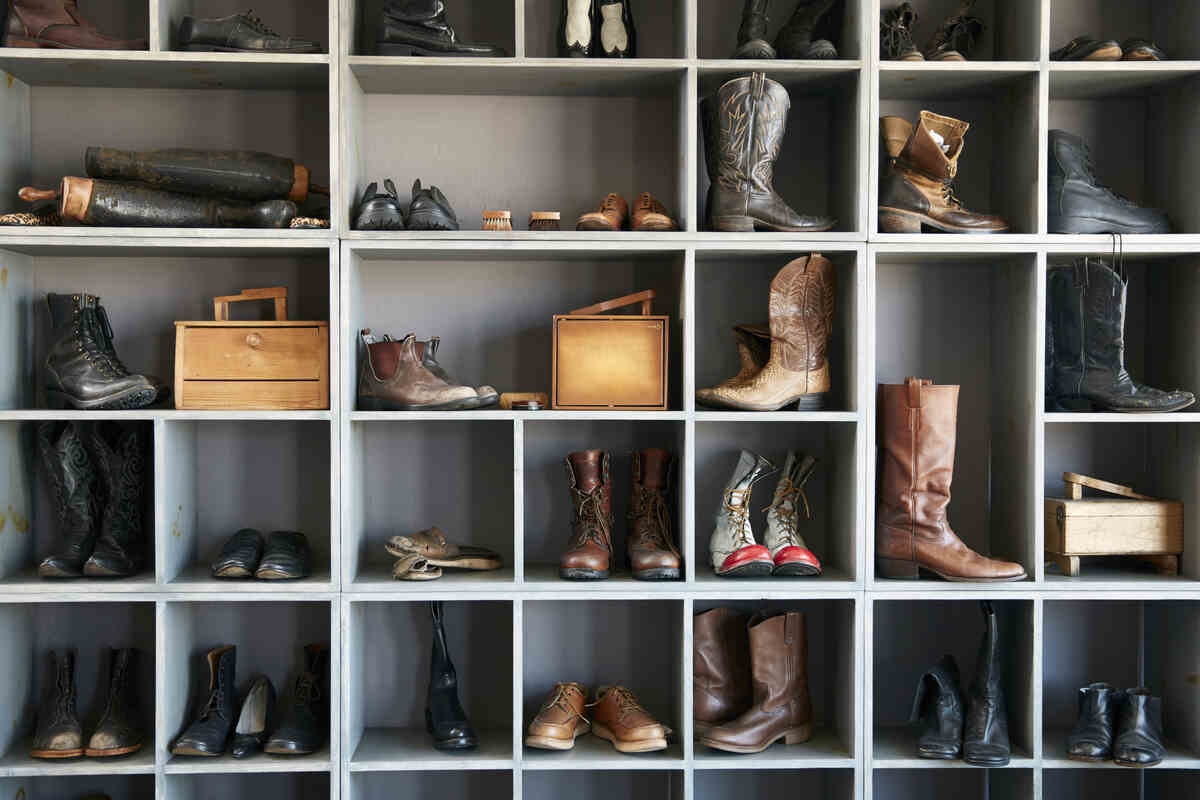
Leather is a natural material. It needs air, shape, and the right humidity to last. If you don’t know how to store leather shoes, leather can dry, crack, warp, or grow mold. Good storage preserves fit, shine, and comfort. I learned this after losing a favorite pair to dry cracking — proper storage would have saved them.
What you need before you store leather shoes
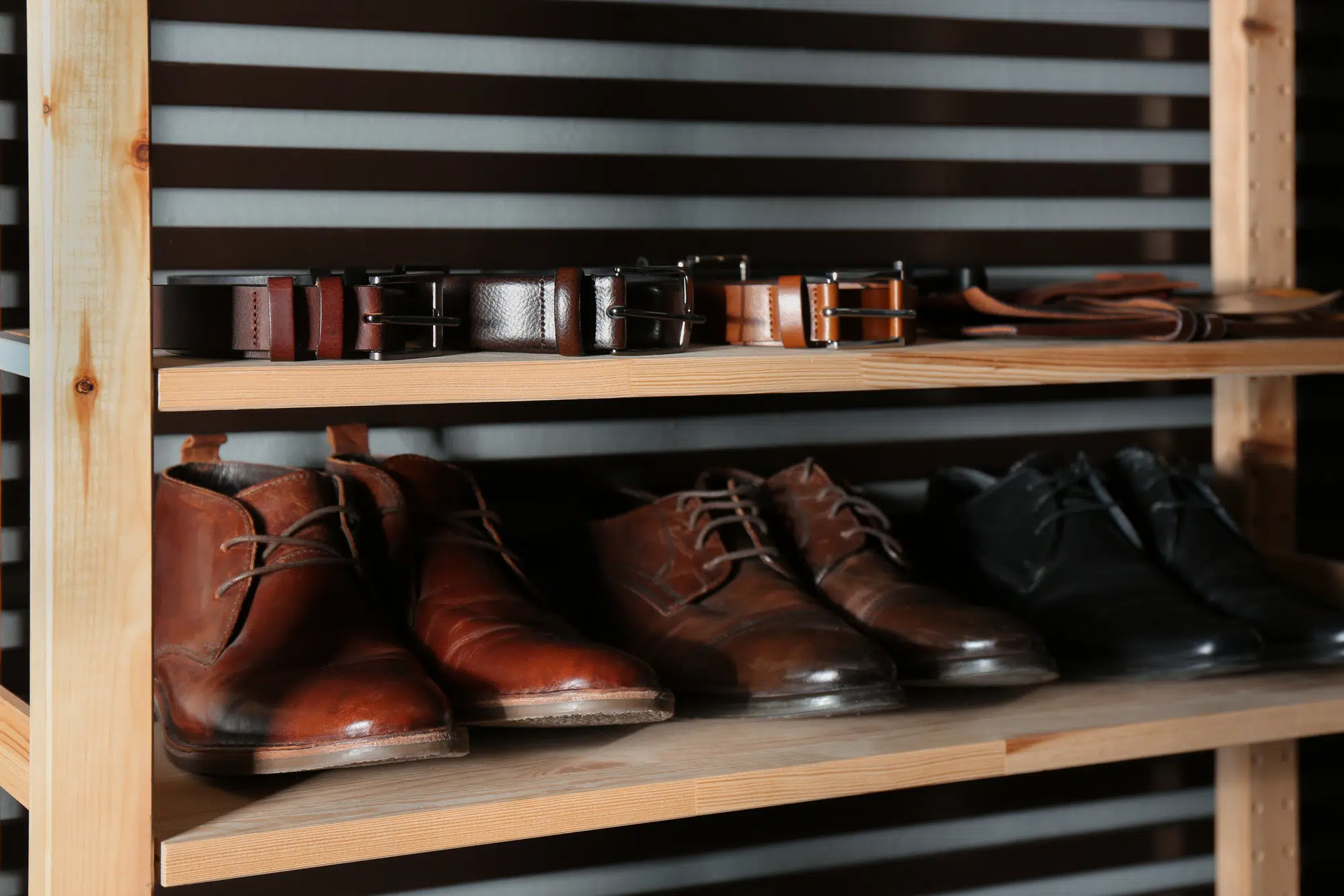
- Shoe trees
Use cedar or beech shoe trees that match the shoe size. They keep shape and absorb moisture. - Soft cloths and a horsehair brush
For gentle cleaning and polish removal. - Leather cleaner and conditioner
A mild cleaner and a neutral conditioner keep leather supple. - Breathable shoe bags or boxes
Cloth bags or ventilated boxes let shoes breathe. - Acid-free tissue or paper
For toe stuffing and preventing creases. - Silica gel packets or a small dehumidifier
To control humidity in closets or boxes. - Repair kit basics
Extra heel caps, glue, and a needle and thread for quick fixes.
I always pack a small repair kit with my nicer shoes. It saved me from tossing a pair after a sole came loose on a trip.

Short-term storage: How to store leather shoes for daily use and weeks
- Clean first
Wipe away dirt and salt with a damp cloth. Let shoes dry at room temperature. - Insert a shoe tree or stuff with tissue
Keep the toe box filled to avoid creases. - Fasten closures and place upright
Use shelves or an open shoe rack for airflow. - Avoid plastic bags and direct sunlight
Plastic traps moisture and sunlight fades leather.
If I wear shoes two days in a row, I at least rotate with another pair. That small habit helps me follow advice on how to store leather shoes easily.
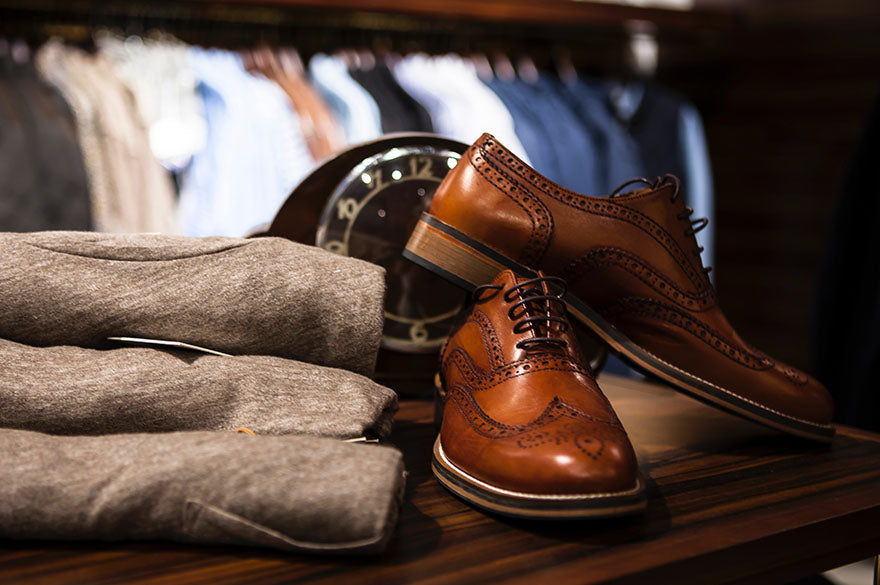
Long-term storage: How to store leather shoes for months or seasons
- Deep clean and condition first
Remove grime and apply a thin layer of conditioner. Let it absorb fully. - Use cedar shoe trees and acid-free tissue
Cedar controls odor and pests. Tissue maintains shape without acidic damage. - Store in breathable boxes or cloth bags
Avoid airtight plastic. Leather needs to breathe to avoid mold. - Control climate and humidity
Aim for 40–55% relative humidity and about 60–70°F for best results. - Check periodically
Inspect every 2–3 months. Reapply conditioner if leather looks dry.
When I store winter boots in summer, I wipe them, condition, and tuck in cedar trees. Every season I find them ready to wear.

Travel and temporary storage tips: How to store leather shoes on the go
- Use individual shoe bags or cloth wraps
Keeps leather from scuffs and separates shoes from clothes. - Pack shoe trees if possible or stuff with socks
Prevents crushing in luggage. - Place shoes at the bottom of the suitcase
Protects them from getting squeezed. - Carry a small leather cleaner and cloth
Quick touch-ups keep shoes looking fresh.
I once used inflatable shoe trees on a business trip. They worked well when space was tight and taught me how to store leather shoes without bulk.
Common mistakes to avoid when you store leather shoes
- Storing while wet or dirty
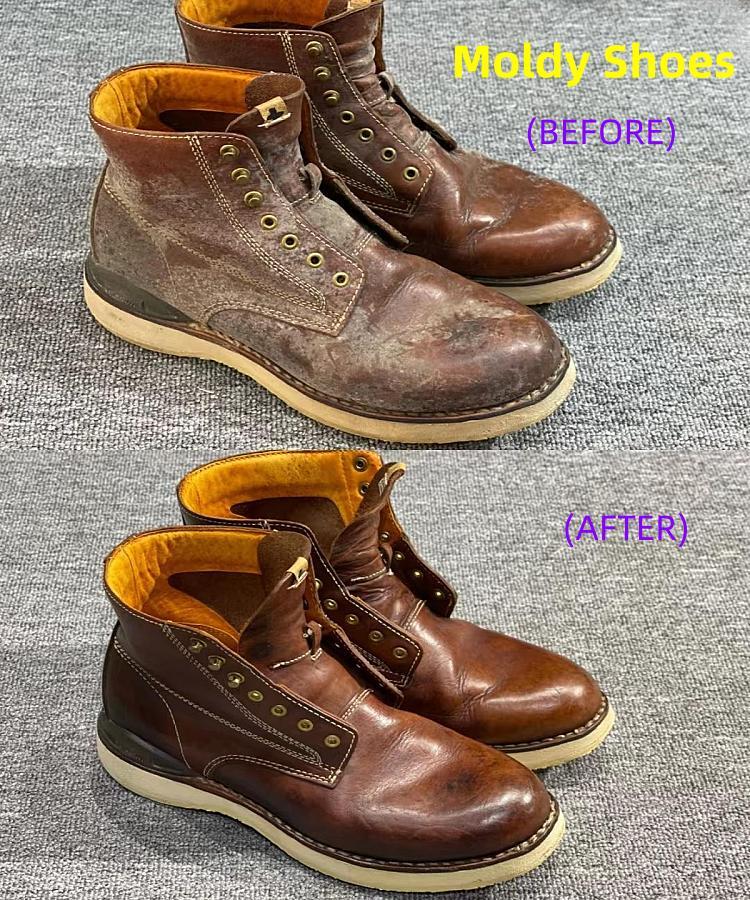
This invites mold and stains. - Using non-breathable plastic bags or airtight boxes
Trapped moisture causes mildew and softens glues. - Leaving shoes unshaped
Creases, collapsed toes, and warped soles follow. - Exposing shoes to heat or direct sun
Heat dries the leather and speeds cracking. - Relying on newspaper with colored ink
Ink can transfer and stain light leather.
I once stored a pair in a plastic milk crate in an attic. The heat ruined the leather finish fast. Don’t repeat that mistake.
Materials comparison: Best containers and packing choices to store leather shoes
- Breathable fabric shoe boxes
Pros: airflow and stackable. Cons: less dust protection than sealed boxes. - Cardboard boxes with ventilation
Pros: cheap and eco-friendly. Cons: can absorb moisture if not stored properly. - Hard plastic boxes with vents
Pros: protection and visibility. Cons: may trap humidity if not vented. - Shoe bags (cloth)
Pros: best for single pairs and travel. Cons: not rigid, so shoes still need shaping. - Cedar vs plastic shoe trees
Cedar absorbs moisture and adds fragrance. Plastic holds shape but does not manage moisture.
For most closets, breathable cloth bags plus cedar shoe trees strike the best balance when you want to store leather shoes and protect them.

Should I use plastic shoe boxes to store leather shoes?
Plastic boxes can work if they have vents and you include silica gel. Fully sealed plastic is risky because it traps moisture and can cause mold.
Can I store leather shoes in my basement?
Avoid basements with dampness. If the space is climate-controlled and dry, it’s fine. Always use vapor barriers and silica gel if humidity is a concern.
Quick repairs and maintenance before storage
- Patch or glue small sole lifts and loose heel caps
Fix small issues before they worsen in storage. - Polish or wax sparingly
A thin coat protects but avoid thick layers that can crack. - Replace worn laces and insoles
Fresh parts make shoes ready to wear after storage. - Mark vintage or delicate pairs and store separately
That prevents accidental use or harsh cleaners later.
I learned to fix heels before putting shoes away. It stopped small problems from becoming irreversible damage.
How often should you check stored leather shoes?
- Short-term stored shoes
Inspect every 1–2 weeks for dampness and odor. - Long-term stored shoes
Check every 2–3 months. Recondition if leather looks dry.
Regular checks are part of how to store leather shoes correctly. They prevent surprises and keep shoes wearable.
Environmental tips and pest prevention
- Use cedar, lavender sachets, or natural repellents
These deter moths and beetles without harsh chemicals. - Keep storage clean and free of food or leather scraps
Pests look for food and nesting materials. - Avoid mothballs with strong chemicals
They can leave residues that harm leather and health.
In my experience, cedar does a reliable job and adds a pleasant smell. It’s a simple, natural step when you store leather shoes.
Personal lessons and mistakes I’ve made storing leather shoes
- Don’t skip conditioning before long storage; leather dries out fast.
- Avoid airtight solutions unless you control humidity; I lost one pair to mildew this way.
- Rotate storage spots to avoid a single point of heat or cold.
- Label boxes with photos and notes to find pairs fast without opening everything.
These small changes improved how I store leather shoes and extended the life of my collection.
Frequently Asked Questions of how to store leather shoes
How long can I store leather shoes without wearing them?
You can store leather shoes for months or years if you prepare them properly. Use conditioning, cedar shoe trees, and breathable storage, and check them every few months.
Can I put leather shoes in plastic bags for storage?
Avoid sealed plastic bags because they trap moisture and can cause mold. If you must use plastic, add ventilation and silica gel packets to control humidity.
Do I need to condition leather before storage?
Yes. Condition leather before long-term storage to keep it supple and prevent cracks. Apply a thin, even layer and let it absorb fully.
Will shoe trees prevent all creases?
Shoe trees greatly reduce creasing but won’t erase deep, existing creases. Use them immediately after cleaning to minimize new creases.
Is cedar better than silica gel for storage?
They serve different roles: cedar controls odor and pests and helps with moisture; silica gel controls ambient humidity. Use both for best results.
How should I store leather shoes in a humid climate?
Store in breathable boxes with silica gel and a small dehumidifier if possible. Keep shoes off concrete floors and check them more often for mold.
Can I stack shoes to save space?
Stacking is fine if you use supportive boxes and shoe trees to keep shape. Avoid heavy items on top of leather shoes to prevent deformation.
Conclusion
Storing leather shoes the right way is simple: clean, shape, control moisture, and choose breathable storage. These steps protect fit, look, and lifespan. Start today by picking up shoe trees and a soft cleaner, and check your stored pairs regularly. Try one tip from this guide and you’ll see the difference in months — leave a comment with your storage wins or questions, or subscribe for more shoe care tips.

Michael Smith is the Content Strategist behind The Style Hub, where fashion meets function. With a keen eye for trends and a passion for everyday style, he curates content that helps readers make smarter, more stylish choices—from the perfect pair of sneakers to must-have accessories. Michael specializes in breaking down fashion into practical, wearable insights, making style accessible for everyone. When he’s not researching the latest trends, he’s exploring how comfort, innovation, and timeless design come together in modern fashion.