
Best Running Shoes For Piriformis Syndrome: Top Picks
The best running shoes for piriformis syndrome offer soft cushioning, steady support, a secure fit, and room for natural foot movement.
You may know the feeling: a short run starts well, then a deep ache spreads from your buttock into your hip or upper leg. Piriformis syndrome can make each step feel like a small tug on a tight rope. The right shoe cannot cure the condition, but it can reduce harsh impact and help you keep better form. I reviewed the listed footwear and running guidance with comfort, support, fit, and injury prevention in mind. I also included a running book because lasting relief needs more than a new pair of shoes.
Orthopedic Wide Walking Shoes for Women
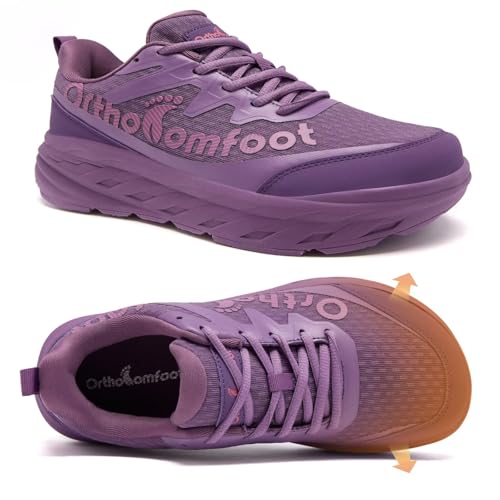
This wide orthopedic shoe is built for women who need a softer, roomier base for daily walking. The design targets common comfort needs linked with plantar discomfort, overpronation, and sensitive feet. A broad toe area can help reduce pressure when your feet swell during a long day. I see it as a comfort-first option rather than a high-speed racing shoe.
The light build may suit easy walks, errands, and short run-walk sessions on smooth ground. Its support can help you feel more stable when your foot lands, which matters when hip and buttock muscles already feel tired. Still, shoe support works best with a gradual training plan and basic hip strength work. Check the size chart and wear the shoes indoors first, since fit has a greater effect than marketing terms.
Pros:
- Wide shape gives toes more space to spread
- Light feel works well for walks and easy training
- Orthopedic design may suit people with foot discomfort
- Supportive base can help reduce unstable foot motion
- Athletic look fits daily use and light exercise
- Roomy fit may help people who dislike tight shoes
Cons:
- May feel too roomy for narrow feet
- Not designed as a technical racing shoe
- Support may not replace custom orthotics or clinical care
Injury-Free Running Training Book

This book takes a different path from the other products. It does not cushion your foot, but it helps you understand strength, form, training load, and injury prevention. That matters because piriformis pain often flares when a runner adds distance or speed faster than the body can adapt. I like this type of guide for runners who want a plan instead of random stretches.
The book can help you connect shoe choice with the rest of your running routine. It may encourage a slower return, better warm-ups, and strength work for the hips and legs. Those habits can make even the best running shoes for piriformis syndrome more useful. A book cannot assess your gait or diagnose nerve pain, so use its ideas as education and seek a qualified clinician when symptoms persist.
Pros:
- Explains ways to build running strength
- Helps runners understand training errors
- Supports a gradual return after pain or injury
- Useful beyond one pair of running shoes
- Encourages better form and body awareness
- May help reduce repeated stop-and-start training
Cons:
- Does not provide physical shoe cushioning
- Readers must apply the advice with care
- May feel too general for a runner needing a personal exam
Orthopedic Wide Walking Shoes for Overpronation

This second orthopedic walking shoe has a similar wide athletic profile, with a stronger focus on overpronation relief. Overpronation means the foot rolls inward more than a runner can comfortably control. That motion does not automatically cause pain, but some runners feel more strain when the foot, knee, hip, and pelvis lose smooth alignment. A stable, comfortable shoe may help the foot feel less busy during each step.
I would consider this model for daily walking, work, travel, and gentle return-to-run sessions. The spacious fit may work well for people who need extra room around the forefoot or who use an insole. As with any support shoe, comfort is the deciding test: if the arch feels hard or the shoe changes your stride, it may not be the right match. Give your body a few short sessions before using it for a long run.
Pros:
- Wide fit can reduce side pressure on the toes
- Overpronation-focused design may feel more stable
- Light construction suits walking and casual exercise
- Athletic shape works for everyday wear
- May accommodate a supportive replacement insole
- Useful for runners who need a gentle training shoe
Cons:
- May not fit runners who prefer a close, narrow heel
- Walking-shoe design may lack the response of a true running shoe
- Arch support can feel too strong for some feet
My Recommendation
The first wide orthopedic shoe is best for women who want a soft, roomy option for walking, errands, and low-impact training. I would choose it for a runner whose feet feel cramped in standard shoes or who needs space for a mild comfort insole. It is not my first choice for fast road miles, but it may work well during a calm return from a pain flare.
The Injury-Free Running book is best for runners who keep getting the same problem. It gives the shoe decision a wider frame. Instead of asking only which shoe is the best running shoes for piriformis syndrome, it helps you ask better questions: Did I increase my mileage too soon? Do my hips tire before my lungs? Am I skipping strength work? Those questions can change your training more than a new color or foam label.
The second orthopedic shoe is best for people who notice inward foot roll or who want a wider shoe with a more supportive feel. It may be a practical option for walking and easy run-walk workouts. I would not use the word “corrective” as a promise. Feet differ, and a podiatrist, physical therapist, or running clinician can check whether the support fits your gait.
| Best for | Why |
|---|---|
| Wide-fit daily walking | Gives the toes room and offers a stable, light platform |
| Overpronation and easy training | Adds a support-focused feel for slow runs and walks |
| Long-term injury prevention | The running guide covers strength, form, and training load |
What Piriformis Syndrome Feels Like While Running
The piriformis is a small muscle deep in the buttock. It helps rotate the hip and steady the leg. The sciatic nerve usually travels below it, though body structure can vary. When the muscle becomes irritated or tight, the area may hurt during running, sitting, climbing stairs, or pushing off.
Pain from this area can feel dull, sharp, hot, or like a deep knot. Some people feel symptoms down the back of the thigh. That pattern can look like sciatica, hamstring trouble, sacroiliac pain, or a problem from the lower back. A shoe review cannot tell those conditions apart.
I always advise caution with new nerve-like symptoms. Seek medical care if pain causes leg weakness, major numbness, loss of balance, or bowel or bladder changes. Get prompt help for severe pain after a fall or accident. A clinician should also assess pain that does not improve with rest and sensible training changes.
For mild symptoms, many runners start by reducing the activity that triggers pain. A short walk may be fine while sprinting is not. The goal is not complete stillness for weeks. The goal is to keep comfortable movement while the irritated area settles.
How Shoes May Affect Hip and Buttock Comfort
Running shoes do not directly treat piriformis syndrome. They can, however, change how your foot meets the ground. That change may affect the ankle, knee, hip, and pelvis. Think of the shoe as one link in a chain, not the entire chain.
A shoe that feels stable may help you avoid wobbling when your leg lands. A shoe with enough cushioning may reduce the harsh feel of hard pavement. A wide toe box may let your toes spread and help you feel balanced. None of these features guarantees pain relief.
The best running shoes for piriformis syndrome should feel comfortable from the first few minutes. You should not need to “break in” a shoe that causes arch pain, heel slipping, or hip tension. Mild new muscle effort can happen when you change shoes, but sharp pain is a stop sign.
Fit also matters more than a label such as “orthopedic.” A shoe can claim support yet still be wrong for your foot. Your heel should stay secure. Your toes should have space to move. The upper should not press on the top or side of your foot.
Features I Look For in a Supportive Running Shoe
Cushioning without a mushy feel
Cushioning helps soften the feel of each landing. Too little can make hard ground feel harsh. Too much softness can make some runners feel unstable. I look for a balanced midsole that feels smooth rather than wobbly.
A cushioned shoe cannot erase the force of running. Your body still manages that force through the foot, calf, thigh, hip, and trunk. Good cushioning simply changes the feel and timing of the load. Choose the level that lets you run with relaxed steps.
A stable platform
A stable platform gives the foot a predictable base. It may include a broad outsole, a firm heel area, or side walls that guide the foot. The shoe should not fold or twist too easily when you hold it.
Stability does not mean a stiff block. Some runners do well in a neutral shoe. Others prefer added guidance. If a shoe forces your foot into a shape that feels unnatural, its “support” may become a new source of tension.
A secure heel
Heel slip can make you grip with your toes. That small change can travel up the leg and alter your stride. I want the heel to stay in place without requiring the laces to feel painfully tight.
Try the shoes with the socks you normally run in. Lace them, walk on a hard floor, and notice whether your heel lifts. A runner’s knot can help some shoes, but it cannot fix a poor shape.
Enough toe room
Your foot expands during exercise. A narrow toe box can press the toes together and make balance feel less natural. Look for space in front of the longest toe and room across the forefoot.
Do not confuse a wide toe box with a loose shoe. The midfoot and heel should still hold your foot. The first product in this review may help people who need more width, while the second orthopedic model may suit those who want width with a more noticeable support feel.
A flexible forefoot
The shoe should bend near the toes, not collapse in the middle. A little flex can help walking and easy running feel natural. A very stiff shoe may suit a specific foot problem, but it is not right for everyone.
Check flexibility with your hands, but do not judge the full shoe from that test alone. Walk in it. The best running shoes for piriformis syndrome should allow a smooth roll from heel to toe without forcing a hard push-off.
A useful outsole
Road runners need an outsole that grips dry pavement and resists wear. Trail runners need deeper lugs and more protection. Wet leaves, loose rock, and mud demand more traction than a sidewalk.
These products appear better suited to walking and light road use than rugged trails. I would not take them onto technical ground without checking the tread first. A slip can create a sudden hip twist, which is the last thing an irritated buttock needs.
How I Would Test a New Pair
I would begin with a short indoor session. Wear the socks and insole you plan to use. Walk for ten to fifteen minutes and check the heel, arch, forefoot, and hip.
Next, take a short outdoor walk on a familiar surface. Do not test new shoes on a long run, hill workout, or speed day. If the shoes feel good, repeat the walk before adding a few minutes of easy jogging.
Track how you feel during the session and the next morning. Delayed pain matters. A shoe may feel fine at first but create deep buttock soreness later. Keep notes on distance, surface, pace, and pain level so you can spot a pattern.
Stop if symptoms become sharp, spread down the leg, or change your strength. Do not try to run through numbness or a worsening limp. A limp changes your stride and can place extra stress on other joints.
Why a Wide Shoe Can Help Some Runners
A wide shoe can make the foot feel less trapped. When toes have space, they may spread during the stance phase. That can improve the feeling of balance for some people. It may also reduce pressure from bunions, swelling, or a broad forefoot.
The benefit depends on shape. Some wide shoes are wide at the toes but loose at the heel. Others offer a broad base from heel to toe. I would look for a shoe that matches your whole foot, not just the front.
A wide shoe does not automatically fix overpronation. Pronation is a normal part of walking and running. The question is whether your motion feels controlled and comfortable. If a wide shoe makes your foot slide, it may reduce control rather than improve it.
Overpronation, Neutral Feet, and Honest Fit Advice
Many product listings use terms such as “overpronation relief.” Treat those terms as a starting point. They do not replace a gait check. A person can overpronate without pain, while another person can hurt in a heavily supported shoe.
If you have a history of comfortable neutral shoes, do not switch to a rigid support model just because pain appeared. First look at training load, sleep, surface, hills, pace, and strength. A sudden mileage jump often matters more than the shoe category.
If your shoes wear unevenly, that clue may help, but it does not prove a diagnosis. Outsole wear changes with terrain and running style. A physical therapist can watch your walking or running and check hip strength, mobility, and control.
I prefer a gradual approach. Start with the least support that feels stable and comfortable. Move up only if you have a clear reason and the shoe improves your stride.
Running Form Tips for Sensitive Hips
Shorter steps can reduce overreaching. When your foot lands far ahead of your body, braking forces may rise. Try a quiet, light step and let your foot land closer to your center.
Do not force a new cadence number. A small increase in step rate may help some runners, but a large change can create new calf or foot stress. Focus first on relaxed steps and a steady rhythm.
Keep your posture tall without leaning back. A slight forward lean from the ankles can help on flat ground. Avoid folding at the waist or clenching your glutes.
Run easy enough to speak in short sentences. Hard efforts can expose weak hip control sooner. Return to speed work only after easy running feels steady for several sessions.
Simple Strength and Mobility Ideas
A professional should guide exercise when pain is strong or unclear. For mild symptoms, runners often use gentle hip work such as bridges, side steps, clamshells, and controlled step-downs. These movements train the muscles that help control the pelvis.
Start with a small amount. One or two sets may be enough at first. Move slowly and keep the knee aligned with the middle toes. Stop if an exercise creates sharp buttock pain or symptoms down the leg.
Gentle mobility can also help. A light figure-four stretch may feel useful, but never force the hip. Stretching a painful nerve can make symptoms worse for some people. A physical therapist can help you decide whether the tight feeling comes from muscle, nerve, joint, or the lower back.
Strength work should support running, not replace it. Keep easy walking in your routine if it feels good. Build running time in small steps, such as a few extra minutes, rather than making a large jump.
Choosing Between the Three Listed Products
Choose the first orthopedic shoe if your biggest issue is pressure, width, or daily comfort. It may be a good bridge from painful walking to easy run-walk sessions. I would pair it with careful strength work and a slow increase in distance.
Choose the second orthopedic shoe if you want a more support-focused feel for inward foot motion. It may suit a person who feels steadier in structured footwear. I would test the arch and heel closely before committing to long outings.
Choose the book if your pain returns every time you resume training. The guide can help you build a better routine around the shoes. It is the most useful choice for learning, but it cannot replace an examination.
You can also use the products together. A comfortable wide shoe may help daily movement, while the book helps you manage training. That combination makes more sense than expecting one shoe to solve every cause of hip or buttock pain.
Common Buying Mistakes to Avoid
The first mistake is buying by appearance. A bright color and a thick sole can look impressive, but neither tells you how the shoe will fit. Comfort, heel security, toe room, and smooth movement matter more.
The second mistake is choosing a size based on an old pair. Shoe shapes differ across brands and models. Measure both feet later in the day, when feet are slightly larger. Use the larger foot to guide your size.
The third mistake is making a sudden switch. A new heel height, support shape, or midsole can change how your legs work. Wear the new shoes for short walks before you run.
The fourth mistake is keeping worn shoes too long. There is no perfect mileage number for every runner. Replace shoes when the foam feels flat, the outsole loses grip, or the shoe makes you feel less stable.
The fifth mistake is ignoring the rest of the body. Poor sleep, weak hips, a sudden hill block, and long sitting hours can all affect symptoms. The best running shoes for piriformis syndrome work better when the whole training plan is sensible.
Are These Products True Running Shoes?
The two footwear products are described as orthopedic walking and athletic shoes. They may work for walking, light road use, or gentle run-walk training. I would not assume they perform like dedicated daily trainers from a specialist running line.
That distinction matters. A true running shoe often includes a tested road outsole, a running-specific midsole, and a fit shaped around repeated impact. A walking shoe may prioritize comfort and easy movement instead. Neither category is automatically better for every person.
If you plan to run several miles, test the shoes with care. Check whether the sole bends smoothly, the upper holds your foot, and the cushion remains comfortable after thirty minutes. If the shoe feels hot, loose, stiff, or unstable, look for another option.
Product descriptions can change. Check the current Amazon listing for size options, seller details, return rules, and updated specifications before ordering. Availability and price may also change.
When to See a Professional
Pain that lasts more than a few days after reducing training deserves attention. A clinician can check the hip, spine, pelvis, hamstring, and nerves. This matters because similar symptoms can have different causes.
See a sports medicine professional if you cannot walk normally, if pain wakes you often, or if symptoms keep returning. A physical therapist can assess single-leg balance, hip rotation, strength, and running form. That information can guide both shoe choice and exercise.
Seek urgent care for sudden leg weakness, progressive numbness, or changes in bladder or bowel control. These signs do not fit a simple shoe problem. Do not delay care while trying another insole.
A good evaluation can also reduce fear. Many runners worry that every ache means they must stop forever. Clear advice can show you how to move safely while your body rebuilds capacity.
FAQs Of best running shoes for piriformis syndrome
Can running shoes cure piriformis syndrome?
No. Shoes may improve comfort and reduce unwanted movement, but they do not cure the condition. A gradual training plan, strength work, and professional advice may be needed.
What type of shoe is best for piriformis pain?
Look for a comfortable shoe with a secure heel, enough toe room, balanced cushioning, and a stable base. The best running shoes for piriformis syndrome are the ones that support your natural stride without creating new pressure.
Should I choose a wide shoe?
Choose a wide shoe if your toes feel cramped, your forefoot is broad, or swelling makes standard shoes uncomfortable. Do not choose extra width if it lets your foot slide. The fit should feel roomy in front and secure at the heel.
Can overpronation cause piriformis syndrome?
Overpronation may affect leg and hip motion in some runners, but it does not prove that the piriformis is the pain source. Many factors can contribute, including training load, hip strength, posture, and lower-back problems.
Is it safe to run with piriformis syndrome?
It may be safe to continue easy running if symptoms stay mild, do not worsen during the run, and settle soon after. Reduce distance and speed when needed. Stop and seek care if pain spreads, weakness appears, or your stride changes.
How long should new shoes take to feel comfortable?
A good pair should feel comfortable during a short first walk. Give your body time to adjust to a different support shape, but do not push through sharp pain. Use short sessions before long runs.
Final Verdict: Which Should You Buy?
For comfort-focused walking and easy run-walk training, I would choose the first wide orthopedic shoe. The second suits runners who want a more supportive feel, while the book is best for long-term injury prevention.
The best running shoes for piriformis syndrome should fit well and support a smart plan. Start slowly, track symptoms, and seek care when pain persists or spreads.

Michael Smith is the Content Strategist behind The Style Hub, where fashion meets function. With a keen eye for trends and a passion for everyday style, he curates content that helps readers make smarter, more stylish choices—from the perfect pair of sneakers to must-have accessories. Michael specializes in breaking down fashion into practical, wearable insights, making style accessible for everyone. When he’s not researching the latest trends, he’s exploring how comfort, innovation, and timeless design come together in modern fashion.