Can You Play On Clay With Hard Court Shoes: 2026 Guide
While you technically can play on clay with hard court shoes, it is highly discouraged due to significant safety risks and poor performance.
Many tennis players eventually find themselves facing this exact dilemma. You show up to a local club, excited for a match, only to realize the surface is red or green clay rather than the hard court you expected. I have been there myself, and I can tell you from personal experience that trying to force a hard court shoe to perform on clay is a recipe for a twisted ankle. Understanding why footwear matters is the first step toward protecting your body and improving your game. In this guide, we will explore the engineering differences between shoe types and why choosing the right pair is essential for your time on the court.
Why Shoe Traction Matters on Clay Surfaces
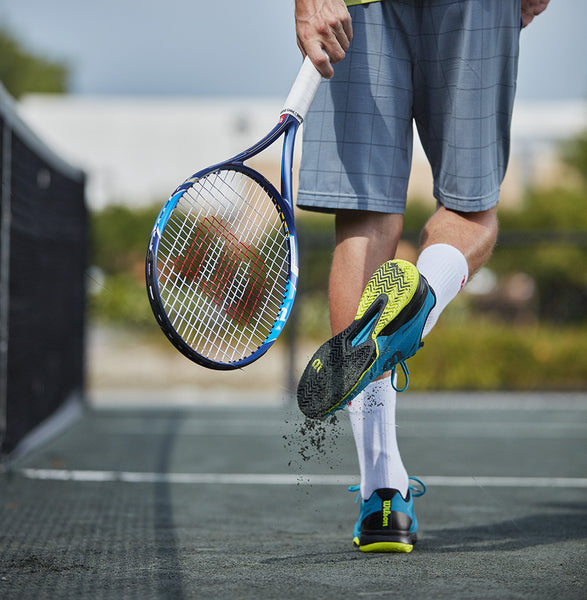
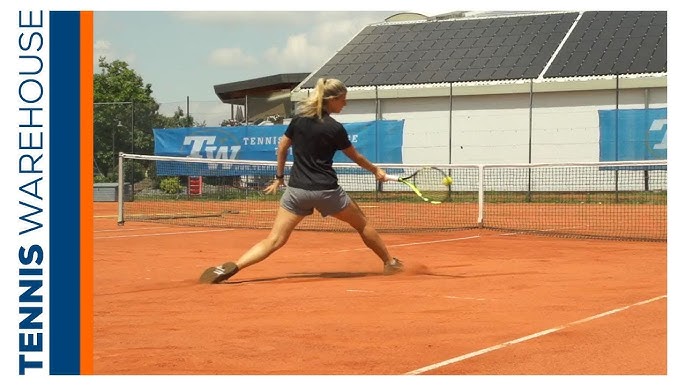
Hard court shoes are built with dense, patterned outsoles designed to grip high-friction acrylic surfaces. When you use these shoes on loose, granular clay, that grip acts like a trap. Instead of allowing you to slide gracefully into your shots, the hard court tread digs into the surface. This creates a sudden stop, which puts immense strain on your knees, ankles, and ligaments.
In my early years of playing, I once tried to save money by wearing my old hard court trainers for a clay tournament. By the second set, my movement felt jerky and unstable. Because hard court shoes lack the specialized herringbone pattern found in clay court shoes, they do not release the surface particles properly. This lack of controlled sliding is not just an inconvenience, it is a genuine physical hazard that can lead to long-term injuries.
The Engineering Differences Between Court Shoes
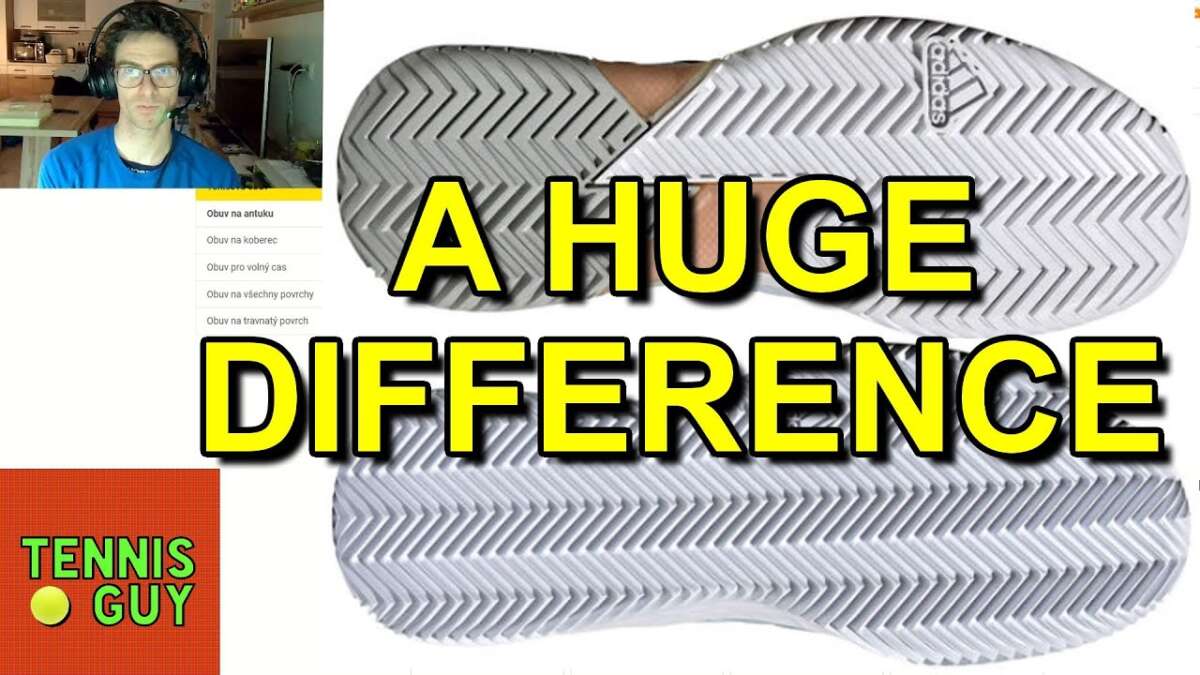
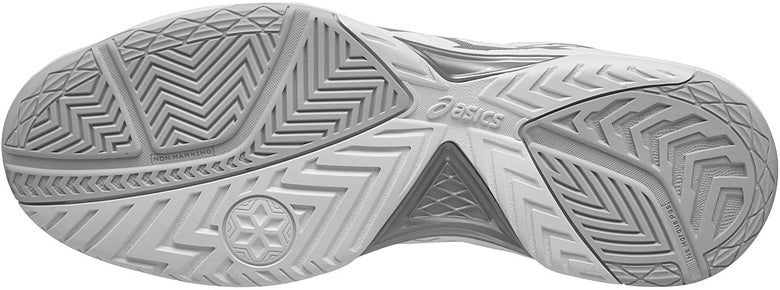
To truly understand if you can play on clay with hard court shoes, you must look at the outsole technology. Clay court shoes are crafted with a full herringbone pattern that spans the entire sole. This specific design allows you to slide smoothly and clear the clay out from the grooves as you move.
Hard court shoes often feature modified herringbone or multidirectional patterns designed for durability and traction on concrete. When these shoes encounter clay, they clog up quickly. Once the tread is filled with dirt, you lose all traction, turning your shoes into smooth sliders that offer no stability. This transition from total grip to no grip is why players often lose their footing when using the wrong equipment.

Risks of Using Incorrect Footwear
The primary risk of wearing hard court shoes on clay is the potential for acute injury. Since hard courts require shoes that prevent slipping, the lateral support is rigid. On clay, your body needs to slide to neutralize momentum. If your shoe refuses to slide, that energy is transferred directly into your joints.
Beyond injury, you also face a practical issue: damage to the court. Most clubs have strict rules about footwear because hard court shoes can leave deep gouges in the surface. These ruts disrupt the game for everyone else and require extra maintenance for the staff. Respecting the court surface is part of the etiquette that keeps our tennis community thriving.

Selecting the Right Gear for Your Game
If you find yourself playing on clay frequently, investing in a dedicated pair of clay court shoes is the best decision you can make. These shoes are designed to provide the perfect balance between stability and mobility. They offer the necessary lateral support for aggressive baseline play while ensuring the outsole remains clear of debris.
I recommend looking for shoes that feature a durable, abrasion-resistant upper, as clay can be quite hard on the fabric. By rotating your footwear based on the surface, you extend the life of your shoes and ensure you are always playing at your peak potential. Proper equipment acts as a bridge between your physical effort and your tactical execution on the court.
Frequently Asked Questions of can you play on clay with hard court shoes
Will wearing hard court shoes ruin the clay court?
Yes, hard court shoes have aggressive tread patterns that can dig deep into the surface, causing ruts and uneven spots. This creates extra work for groundskeepers and negatively impacts the playability for other tennis players.
Can I just wipe the clay out of my hard court shoes?
You can brush off the surface clay, but the deep tread grooves will inevitably clog up during play. This makes it impossible to maintain consistent traction, leading to slips and unstable footwork throughout your match.
Are there any hybrid shoes available for both surfaces?
There are some all-court tennis shoes designed with a modified tread pattern, but they are generally less effective than dedicated clay shoes. If you play on clay more than once a month, it is better to have a specialized pair.
What is the biggest danger of using hard court shoes on clay?
The biggest danger is a high risk of injury, specifically ankle sprains and knee ligament damage caused by the shoe gripping too hard. Without the ability to slide, your joints absorb the full force of your sudden stops.
Does playing on clay with the wrong shoes affect my performance?
Yes, you will likely feel hesitant and slow because you cannot trust your footing. Confidence in your movement is vital for tennis, and using the wrong shoes will force you to play defensively rather than aggressively.
Conclusion
Choosing the right equipment is a fundamental aspect of becoming a serious tennis player. While the temptation to use one pair of shoes for every surface is understandable, the performance limitations and safety hazards of using hard court shoes on clay are simply too great to ignore. By prioritizing your foot health and the maintenance of the court, you set yourself up for a much more enjoyable and effective experience.
Take the time to assess where you play most often and invest in footwear that supports your specific environment. Your joints will thank you, and your movement on the court will feel more fluid and controlled than ever before. If you have any personal experiences with switching between court types or need recommendations for the best clay court gear, feel free to share your thoughts in the comments below.

Michael Smith is the Content Strategist behind The Style Hub, where fashion meets function. With a keen eye for trends and a passion for everyday style, he curates content that helps readers make smarter, more stylish choices—from the perfect pair of sneakers to must-have accessories. Michael specializes in breaking down fashion into practical, wearable insights, making style accessible for everyone. When he’s not researching the latest trends, he’s exploring how comfort, innovation, and timeless design come together in modern fashion.