How To Choose Comfortable Casual Sneakers: Easy Tips
Comfortable casual sneakers should fit your foot well, match your daily use, and support natural movement. Look for enough toe room, a secure heel, soft but stable cushioning, good flexibility, and a shape that suits your foot. Then try them on at the end of the day with the socks you plan to wear.
In the United States, sneaker sizes can vary by brand and style. A labeled size is only a starting point. Your foot shape, walking habits, climate, and intended use matter just as much.
This guide explains how to choose comfortable casual sneakers for walking, errands, work, travel, and daily wear. It also covers common fit problems, shoe materials, support needs, and when foot pain calls for professional care.

Start With the Way You Will Wear the Sneakers
The best casual sneaker for a New York commute may not suit a person who drives to work in Phoenix. Start with your real routine.
Ask yourself:
- Will you walk for several hours?
- Will you stand on hard floors?
- Will you wear the sneakers for travel?
- Do you need them for light exercise?
- Will you use them in rain, snow, or hot weather?
- Do you need room for a wide forefoot?
- Do you have a foot issue that affects fit?
Casual sneakers are not all built for the same task. A soft lifestyle shoe may feel pleasant for short trips. A walking sneaker may offer more structure for long days. A running shoe may work for walking, but it can feel too flexible or tall for some daily activities.
Match the shoe to your main activity
| Main use | Features to consider |
|---|---|
| Short errands | Light weight, basic cushioning, easy fit |
| Long walks | Stable sole, secure heel, breathable upper |
| Travel | Comfort over long hours, low weight, durable outsole |
| standing at work | Even cushioning, firm support, roomy toe box |
| Light gym use | Stable base and flexible forefoot |
| Warm climates | Breathable mesh and moisture control |
| Wet conditions | Water-resistant materials and a grippy outsole |
A shoe can be comfortable in a store yet tiring after several hours. Think about the surfaces you use most. Concrete, tile, asphalt, and uneven sidewalks place different demands on your feet.

Measure Both Feet Before You Shop
Measure both feet because many people have one foot that is slightly longer or wider. Choose a shoe that fits the larger foot. A small size difference is common and does not always require special treatment.
You can measure your feet at home with paper, a pencil, and a ruler:
- Place a sheet of paper on a hard floor.
- Stand on the paper while wearing your usual socks.
- Trace around each foot, keeping the pencil upright.
- Measure from the heel to the longest toe.
- Measure the widest part of each foot.
- Compare the measurements with the brand’s own size chart.
Do not measure while sitting. Your foot may spread slightly when you stand and place weight on it.
Measure later in the day if possible. Feet often expand after walking or standing. This gives you a more useful fit check for everyday wear.
Do not rely on size alone
A US men’s 9 or women’s 8 is not identical across all brands. Shoe lasts, materials, toe shapes, and construction methods differ. One brand’s regular width may feel like another brand’s narrow or wide fit.
Use the size chart as a guide, then judge the actual fit. If a shoe pinches, causes pressure, or forces your toes together, moving up in length may not solve the problem. You may need a wider shape instead.

Check the Fit With a Simple Five-Part Test
A comfortable sneaker should feel secure without squeezing your foot. Use this checklist when trying on shoes in a US store or at home.
1. Check the toe room
You should have some space between your longest toe and the front of the shoe. Your toes should also be able to spread and move slightly.
Do not choose a shoe that presses on the tips of your toes. Your longest toe may be the second toe rather than the big toe, so check both feet.
A pointed or sharply tapered toe box can create pressure even when the shoe has enough overall length. Look for a toe box that follows the natural shape of your forefoot.
2. Check the width
The upper should touch your foot without pressing hard across the ball of the foot. Watch for bulging material along the sides. This can signal that the shoe is too narrow.
Do not expect shoes to stretch enough to fix a poor fit. Some soft materials relax with wear, but they do not reliably create extra room where you need it.
3. Check the heel
Your heel should stay mostly in place when you walk. A small amount of movement can be normal, but repeated slipping may cause rubbing and blisters.
Try the shoe with the lacing system fully adjusted. A heel-lock lacing method can improve fit in some sneakers, but it cannot fix a shoe that is too large or too shallow.
4. Check the instep
The instep is the top of your foot. The shoe should not create hard pressure there. If you feel a tight band across the top, try a different lacing pattern or a shoe with more upper depth.
High-volume feet may need more space over the instep. Low-volume feet may need a closer fit or an adjustable insole.
5. Walk on a firm surface
Walk, turn, climb a few steps, and stand still. Notice pressure points before you decide.
Do not judge a sneaker only by how soft it feels. Very soft foam may feel pleasant at first but may not give you the stable platform you prefer for long standing or walking.
Choose Cushioning That Feels Stable, Not Just Soft
Cushioning reduces the harsh feel of hard surfaces. It does not automatically make a shoe better or more supportive.
Different people prefer different levels of cushioning. A lightweight person who takes short walks may like a simple foam sole. Someone who walks several miles each day may prefer more shock reduction. Personal comfort matters, but the shoe should still feel steady.
Compare these cushioning traits
- Softness: How much the foam compresses under your foot.
- Responsiveness: How quickly the foam springs back as you step.
- Stability: How steady the shoe feels during standing and turning.
- Stack height: The amount of material between your foot and the ground.
- Flexibility: How easily the shoe bends at the front.
A high, soft sole can feel comfortable, but it may also feel unstable to some people. A firm sole may feel less plush but provide a more secure base.
There is no single cushioning level that works for every foot. Choose the feel that lets you walk without pressure, rubbing, or excess effort.
Use the twist and bend checks carefully
Hold the sneaker at both ends. It should bend near the forefoot rather than folding in the middle. It should not feel like a rigid board unless you have a specific reason to choose a stiff design.
You can also gently twist the shoe. Some resistance is useful for a stable feel. However, this simple hand test does not predict every aspect of real walking. Use it as one clue, not a final verdict.
Look for Support That Matches Your Foot
“Support” can mean several things. It may refer to heel structure, a stable midsole, an arch shape, or a firm upper. A shoe does not need a large arch bump to be comfortable.
Some people like a noticeable arch shape. Others find it irritating. The best choice is the one that supports your foot without creating a pressure point.
Pay attention to:
- A secure heel counter, which is the rear part of the shoe.
- A midsole that does not collapse sharply to one side.
- A sole that feels steady when you stand.
- A footbed that does not force your arch into an uncomfortable position.
- Enough space for your toes to move.
If you use custom orthotics, remove the factory insole when the shoe allows it. Check whether the orthotic fits without raising your heel too much or reducing toe room. Some sneakers have removable insoles and deeper interiors that work better with inserts.
Do not assume an over-the-counter insole will correct a medical problem. It may improve comfort for some people, but ongoing pain, numbness, swelling, or weakness deserves medical evaluation.
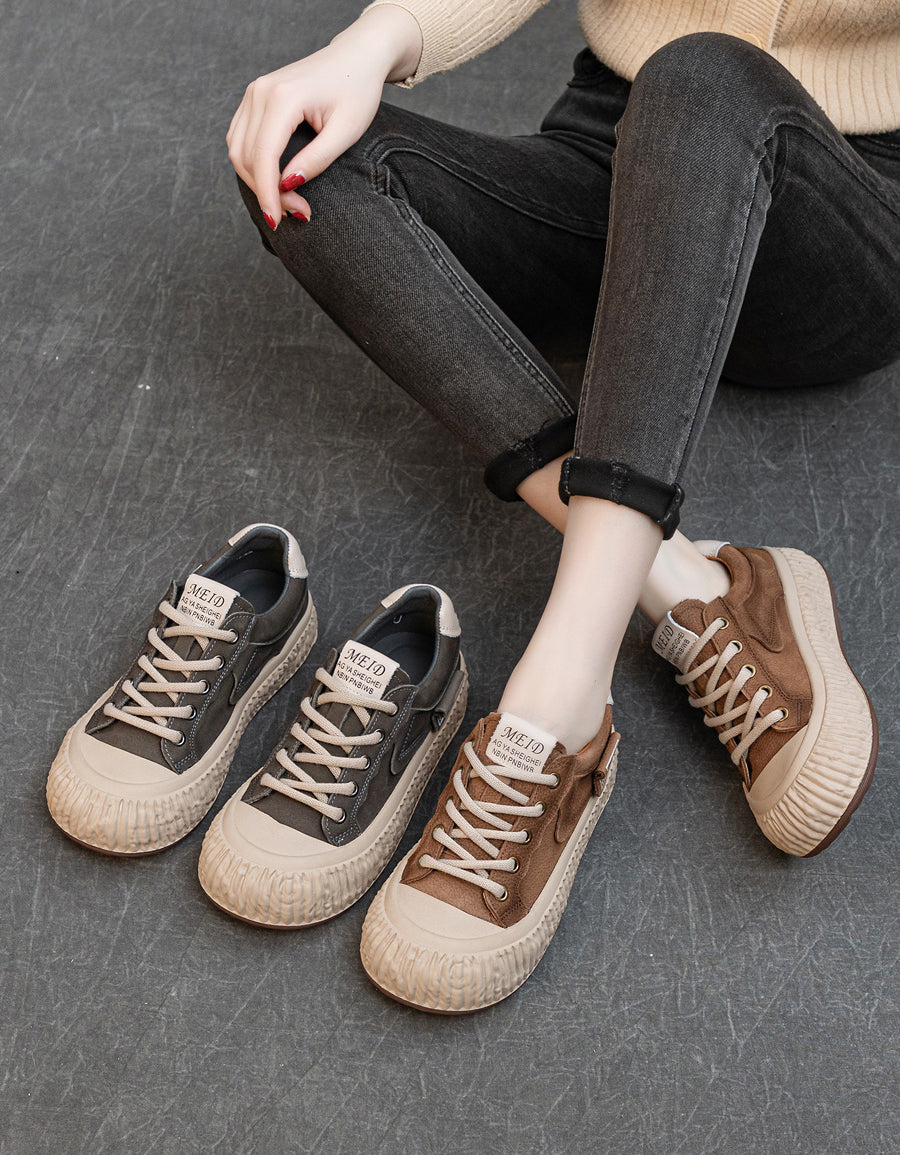
Pick Materials for Breathability and Daily Care
The upper material affects heat, moisture, flexibility, and durability.
Mesh
Mesh is often breathable and light. It may suit warm weather, travel, and long walks. Its open structure can provide less protection from rain and may wear faster in high-friction areas.
Leather
Leather can offer structure and some weather resistance. It may feel less breathable than mesh and may need a break-in period. Look for a soft upper if you are sensitive to pressure.
Synthetic materials
Synthetic leather and coated textiles can resist light moisture. Their breathability varies. A smooth finish may be easier to clean, but it can feel warmer.
Knit fabric
Knit uppers can flex around the foot. They may feel comfortable for casual use, but the amount of support depends on the shoe’s structure below the upper.
Choose the material based on your climate and routine. In humid states such as Florida or Louisiana, ventilation may matter more. In wet areas of the Pacific Northwest, weather resistance and traction may matter more.
Keep sneakers dry between uses. If they become wet, let them air-dry at room temperature. Avoid placing them directly against a heater, since strong heat can damage some materials and adhesives.
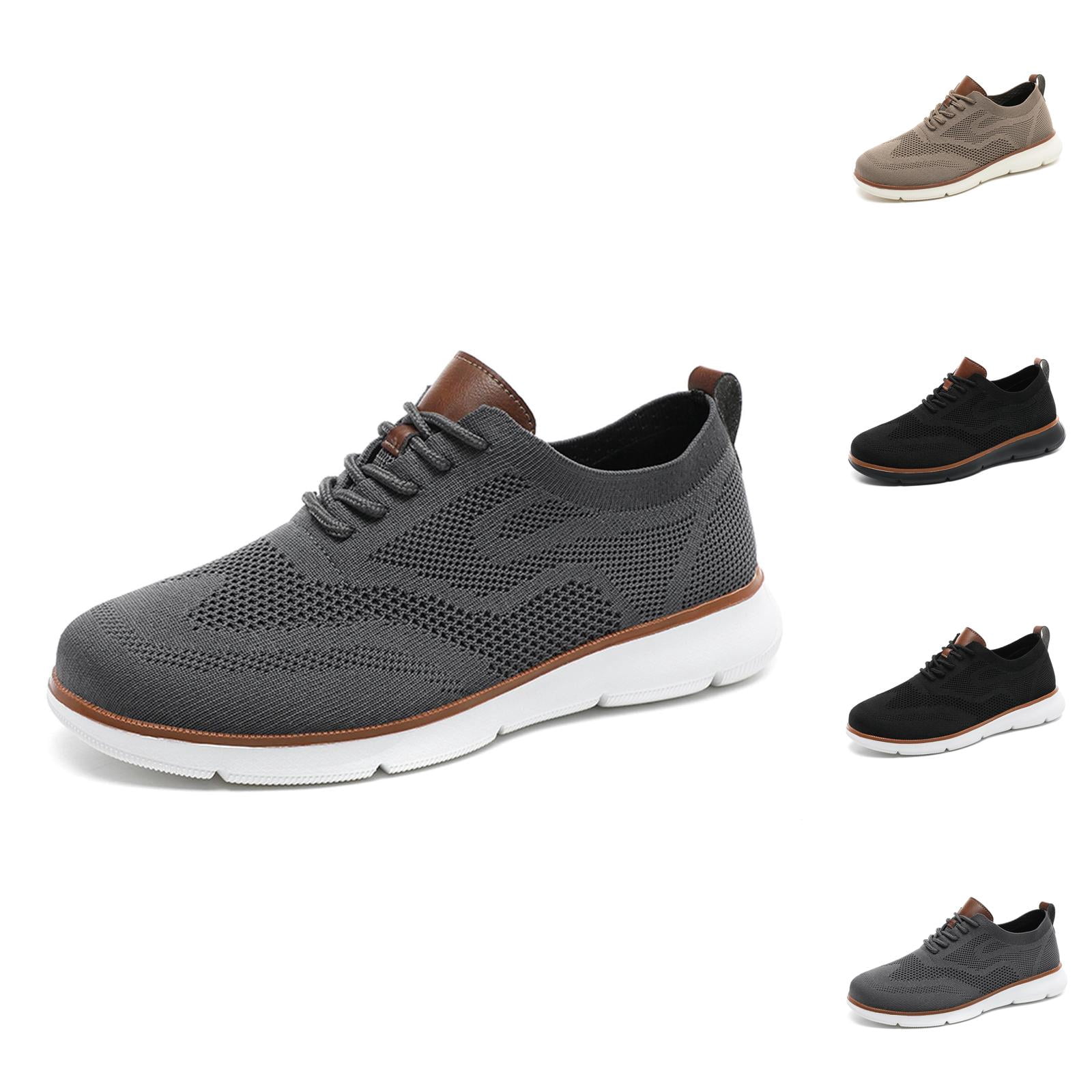
Try Sneakers on the Right Way
The fitting process matters as much as the shoe itself. Use these steps before buying.
- Shop later in the day. Your feet may be larger after normal activity.
- Wear your usual socks. Thick socks can change the fit.
- Try on both shoes. Do not fit only the smaller foot.
- Stand before walking. Weight changes the shape of your foot.
- Walk for several minutes. Test turns, stairs, and hard floors if allowed.
- Check for pressure. Look at the toes, heel, arch, and instep.
- Test the laces. The shoe should stay secure without excessive tightness.
- Review the return policy. A short indoor trial at home is useful.
Do not buy a sneaker that needs to “hurt until it breaks in.” Mild stiffness may improve. Pinching, burning, sharp pressure, and numbness are warning signs of a poor fit.
For online orders, check the brand’s current size chart, width options, return window, shipping terms, and condition rules. Policies change, so read the page for the exact model and seller.
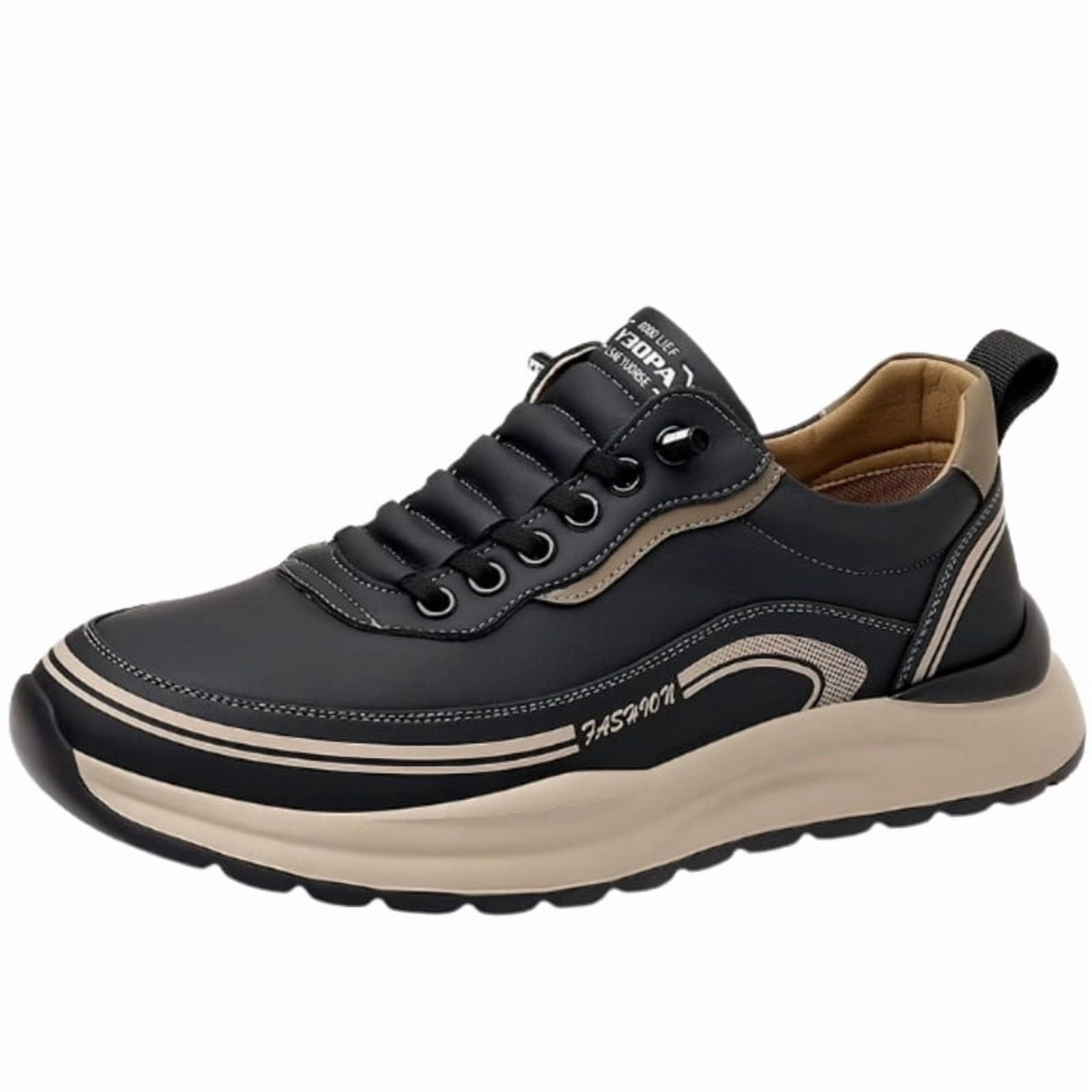
Understand Width, Toe Shape, and Foot Type
Width is not only about wide feet. A shoe can feel too narrow because the toe box tapers, the upper is shallow, or the material does not flex in the right place.
Common fit needs include:
- Narrow fit: Less internal space across the forefoot.
- Standard fit: A middle range that varies by brand.
- Wide fit: More room across the forefoot.
- Extra-wide fit: More total volume for feet that need it.
- High-volume fit: More space over the top of the foot.
- Low-volume fit: Less internal depth.
Look at the shape of your foot from above. If your forefoot is broad and your toes spread naturally, a rounded or foot-shaped toe box may feel better than a narrow fashion shape.
People with bunions may need extra room around the base of the big toe. People with hammertoes may need more height above the toes. These conditions can make fit more complex. A podiatrist can help if shoes cause repeated pain or skin damage.
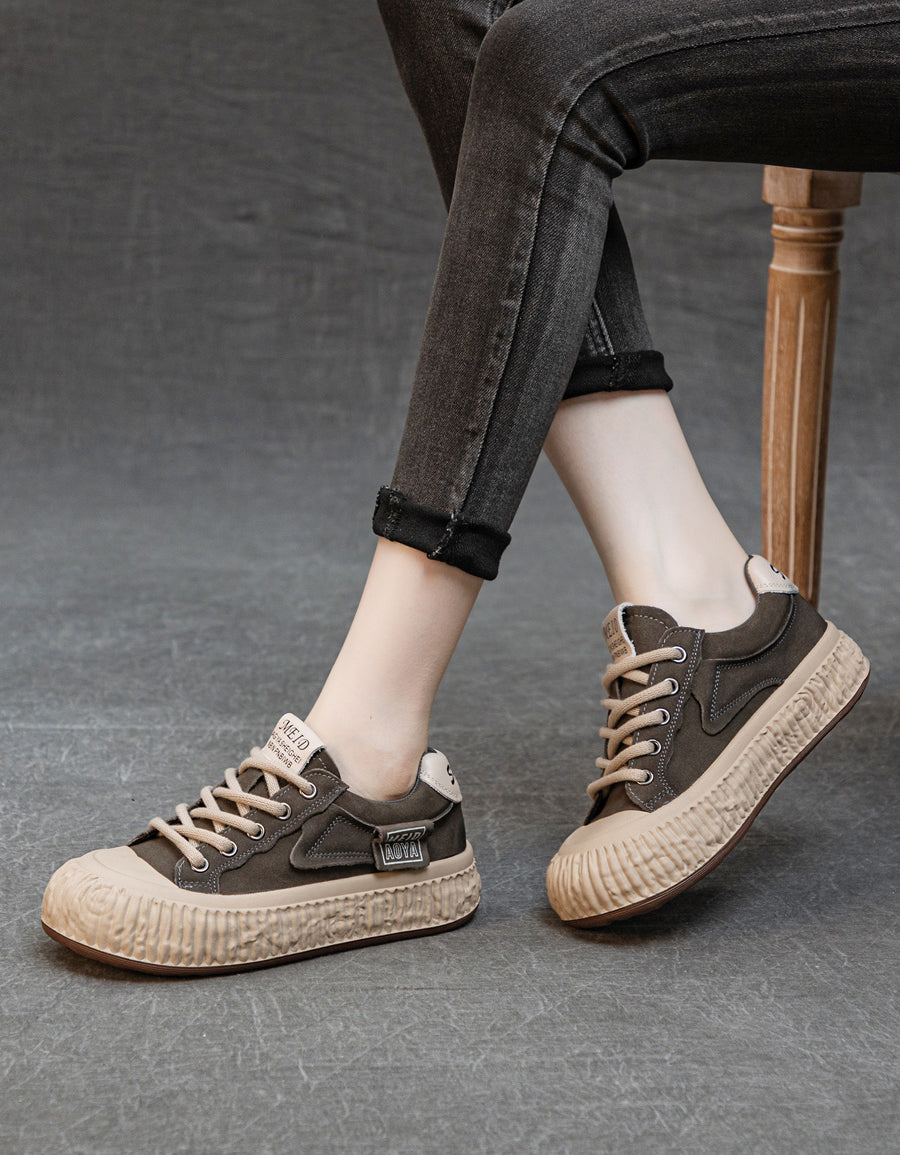
Avoid Common Comfortable-Sneaker Mistakes
Many comfort problems come from buying habits rather than a lack of shoe choices.