How To Store Shoes In Garage: Smart Space-Saving Tips
Store shoes off the floor in sealed, breathable containers with moisture control and regular cleaning.
I’ve spent years organizing homes and garages for busy people. I know what works and what fails when you store shoes in garage space. This guide gives clear, practical steps, smart storage options, and real-world tips to keep shoes dry, odor-free, and easy to find. Read on to learn how to store shoes in garage the right way, avoid common mistakes, and save both space and shoe life.

Why store shoes in garage?
Storing shoes in the garage frees up indoor space. It also keeps dirty or seasonal footwear out of high-traffic areas. But the garage can be damp, dusty, and pest-friendly. If you plan how to store shoes in garage, you protect shoes from moisture, grime, and damage. That extends shoe life and keeps your home cleaner. Good storage also makes shoes easy to rotate by season.
:max_bytes(150000):strip_icc()/273121126_1134465113966029_6794230389686536996_n-73a1d3bc5b7242a9bec3fe5bdc4c8fa5.jpg)
Assess your garage before storing shoes
Check humidity, temperature swings, and pest risks. A damp garage quickly ruins leather and promotes mold. Identify where chemicals, paints, or fuels are stored and keep shoes away from them. Watch for direct sunlight, which can fade and dry out some materials. Measure your space so you pick shelving, bins, or racks that fit well.
:max_bytes(150000):strip_icc()/56692413_394569364670355_6817220111725320215_n-66acc44279d64638b27bc5d4b2f58807.jpg)
Will shoes get moldy in garage? They can if humidity is high or shoes are stored wet. Dry shoes fully and add moisture absorbers to reduce mold risk.
Will rodents chew shoeboxes in garages? Cardboard can attract pests. Use sealed plastic bins or metal cabinets to protect shoes.
Best storage methods for shoes in garage
Choose a method that matches your space, shoe types, and budget. The goal is to keep shoes off the floor, dry, and ventilated.
- Clear plastic bins with lids
- Pros: stackable, waterproof, easy to see contents
- Cons: can trap moisture if shoes aren’t dry
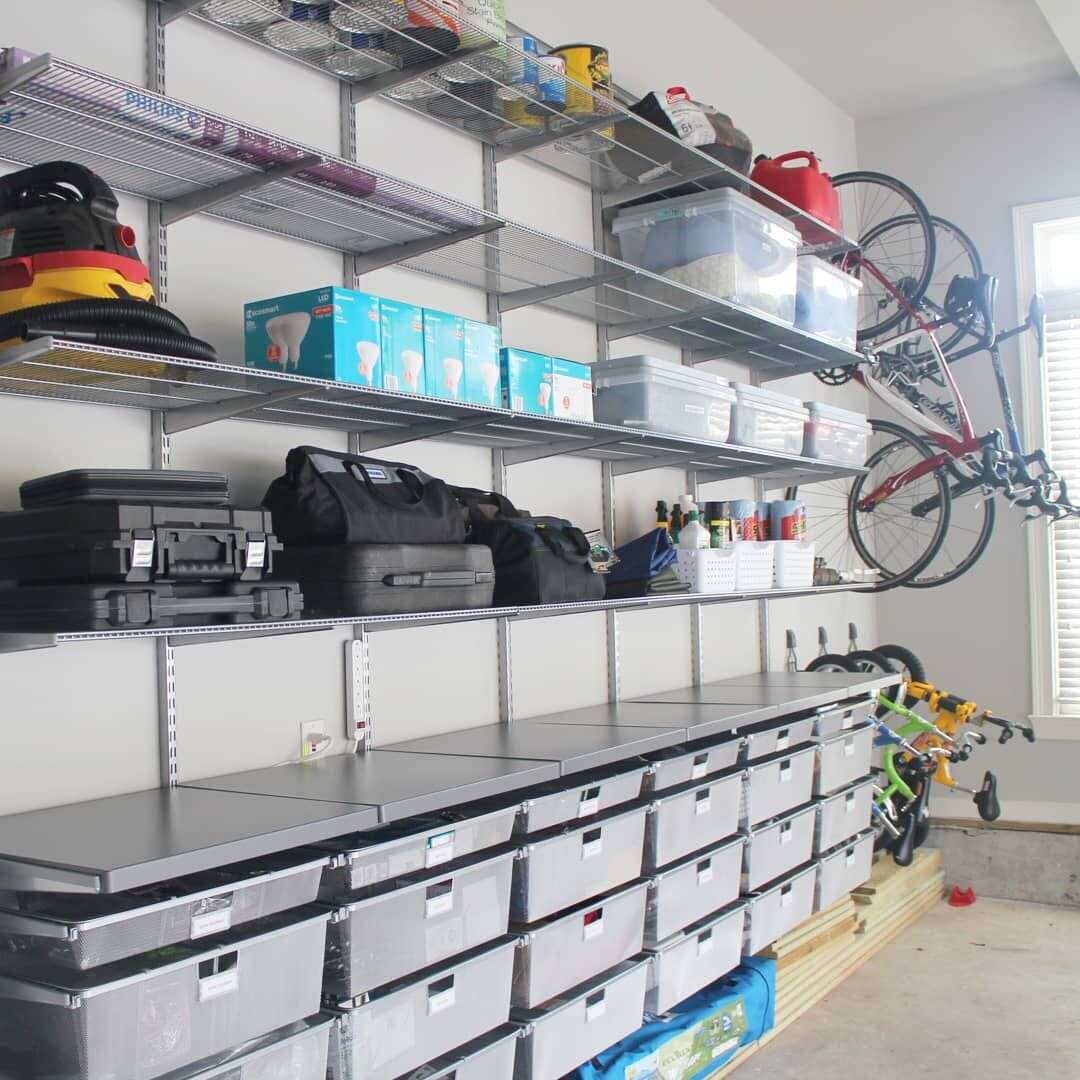
- Open shelving or wire racks
- Pros: good airflow, quick access
- Cons: dust settles on shoes more easily
- Closed cabinets or metal storage lockers
- Pros: protect from dust, pests, and sunlight
- Cons: higher cost, less ventilation
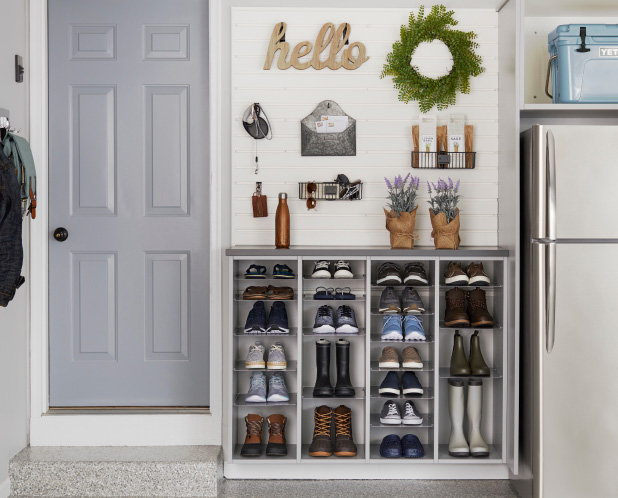
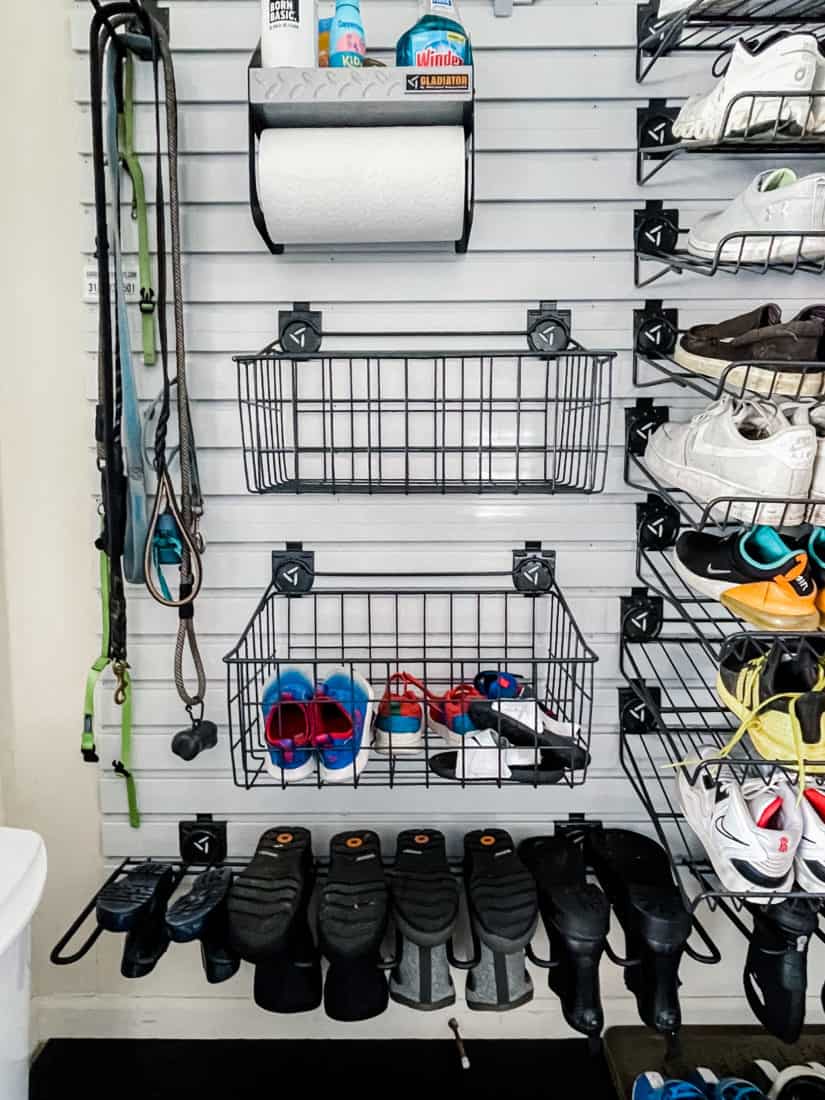
- Hanging shoe organizers or peg systems
- Pros: use vertical space, good for frequent-access shoes
- Cons: limited capacity for heavy boots
- Ceiling or overhead racks
- Pros: frees floor space, ideal for seasonal boxes
- Cons: harder to access frequently used shoes
How to store shoes in garage depends on shoe material. For leather boots, use ventilated cabinets and cedar blocks. For sneakers, breathable bins and shoe trees work best.
Step-by-step: how to store shoes in garage the smart way
Follow a simple routine. It saves time and prevents damage.
- Clean each pair
- Wipe off dirt and mud.
- Let shoes air dry fully before storage.
- Repair small damage
- Replace worn insoles or fix loose soles now.
- Sort by frequency and season
- Keep daily shoes near the door.
- Put seasonal or specialty shoes in higher storage.
- Choose protective packaging
- Use breathable shoe bags or perforated boxes for leather.
- Use sealed plastic bins for long-term or moisture-prone storage.
- Add moisture control
- Place silica packets or small dehumidifiers in bins.
- Label and inventory
- Put clear labels on bins or shelves for fast retrieval.
- Rotate and inspect
- Check stored shoes every season for moisture and pests.
I learned early on that storing muddy shoes without cleaning ruined boots fast. Now I always clean and dry before stowaway. This small habit paid off for years.
:max_bytes(150000):strip_icc()/GettyImages-1241375823-f7b8b207bcd54a3f82b4ee10fef5883b.jpg)
Climate control and moisture prevention
Humidity is the main enemy when you store shoes in garage. Even a mild damp can warp leather or cause mold on fabrics.
- Use a small dehumidifier if your garage is damp.
- Add silica gel or other desiccants to bins and boxes.
- Install weather stripping on garage doors to limit moisture entry.
- Insulate walls or add a vapor barrier if humidity is extreme.
- Elevate storage at least a few inches off the floor to avoid rising moisture.
If you can’t control garage humidity, prioritize sealed bins and regular inspections. I once lost three pairs of leather shoes to mold after a wet winter. After adding a dehumidifier, the problem stopped.
Storing different shoe types
Different shoes need different care when you store shoes in garage.
- Leather boots
- Keep upright with boot trees or rolled newspapers.
- Use breathable storage and cedar to control odor.
- Athletic shoes and sneakers
- Clean and air dry.
- Store in breathable boxes or stackable crates.
- Work or muddy boots
- Clean before storage or keep in removable trays.
- Consider washable bins for heavy dirt.
- Heels and dress shoes
- Store in stacked clear boxes to protect shape.
- Use shoe trees for leather dress shoes.
- Winter boots with salt stains
- Rinse salt, dry fully, then store in ventilated bins.
Rotate seasonal shoes every few months. This prevents long-term compression damage and makes daily selection easier.
:max_bytes(150000):strip_icc()/262436928_127895623005949_9209013495504749414_n-b6d0e375b7be483985e6462b0bba78dd.jpg)
Odor and pest control when you store shoes in garage
Prevent smells and keep pests out of shoe storage.
- Use natural deodorizers like baking soda or activated charcoal in bins.
- Place cedar blocks or sachets to repel moths and add a fresh scent.
- Avoid open piles of shoes; they invite rodents and insects.
- Seal bins tightly and keep floors swept and dry.
- Check for rodent signs regularly and treat the garage perimeter if needed.
A tip from experience: cedar can fade over time. Replace cedar blocks yearly for best pest control.
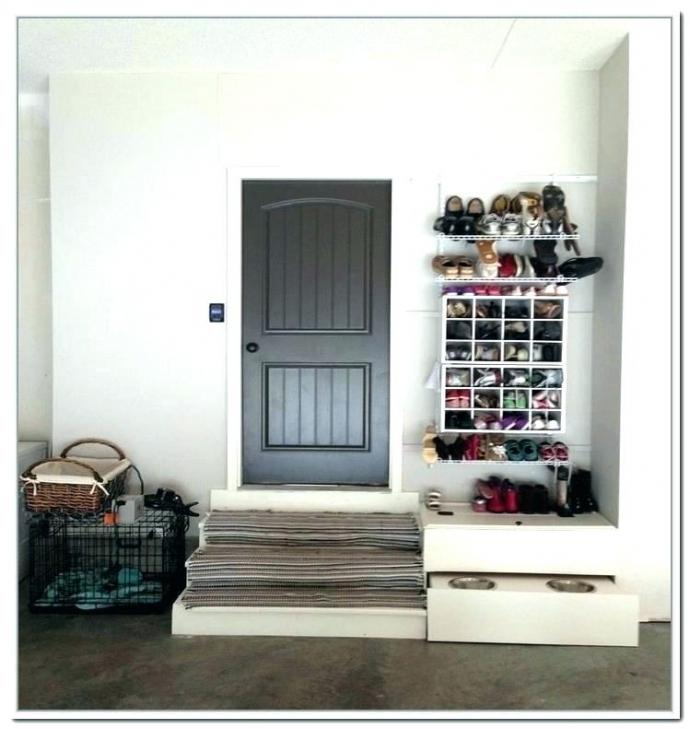
Safety and maintenance
Protect shoes and protect your home at the same time.
- Keep shoes away from flammable liquids, paint cans, and chemicals.
- Don’t store shoes directly under water heaters or pipes that can leak.
- Use metal shelving near chemical storage for fire safety where possible.
- Secure tall shelving to studs or anchors to prevent tipping.
- Inspect stored shoes every season and after storms.
I once stored boxes under a water pipe that leaked. Lesson learned: never store anything under potential leak points.
Cost-effective and DIY solutions
You don’t need to spend a lot to store shoes in garage well.
- Repurpose old bookshelves or a wardrobe for closed storage.
- Build simple PVC pipe racks for boots and heels.
- Use plastic crates stacked on a pallet to lift boxes off the floor.
- Hang clear shoe pockets on garage door panels for quick access to light shoes.
- Paint old wooden pallets and add shelves for a rustic, cheap organizer.
DIY can save money. Test a small setup first to make sure it handles weight and moisture.
Common mistakes and how to avoid them
Avoid these easy errors when you store shoes in garage.
- Storing wet shoes in sealed bins: dries out materials and invites mold.
- Using only cardboard boxes: they attract pests and fall apart when damp.
- Stacking shoes without support: causes misshaping and crushed heels.
- Placing storage directly on the floor: risks water damage and damp.
- Ignoring labels: you’ll waste time hunting for pairs.
My worst mistake was storing shoes in unvented plastic tubs while damp. The result was mold and a lot of lost pairs.
Quick PAA-style questions (brief answers embedded)
Will storing shoes in a garage ruin them? It can if the garage is damp or has big temperature swings. Use sealed storage and moisture control to prevent damage.
Can I store leather shoes in a garage? Yes, but only if they are dry, kept in breathable containers, and protected from humidity and heat.
Is it OK to leave shoes on the garage floor? It’s not ideal. Floors trap moisture and dirt. Elevate storage and use mats or pallets.
Frequently Asked Questions of how to store shoes in garage
How do I prevent mold when I store shoes in garage?
Dry shoes fully before storing. Use moisture absorbers like silica gel and run a dehumidifier if needed.
What is the best container for long-term shoe storage in a garage?
Clear, airtight plastic bins with small vents or breathable fabric bins work well. Ensure shoes are dry to avoid trapped moisture.
Can I store expensive leather shoes in the garage?
You can, but place them in breathable boxes or cabinets, keep humidity low, and use cedar or shoe trees to preserve shape.
How should I store heavy work boots in a garage?
Clean off mud, dry completely, and store on sturdy shelves or in washable bins. Use boot trays for very dirty boots.
How often should I check shoes stored in a garage?
Inspect stored shoes every three to six months. Check for moisture, pests, and odors, and refresh desiccants and cedar.
Conclusion
Storing shoes in your garage can save space and keep your home tidy when you follow the right steps. Clean and dry shoes first, choose the right containers, control moisture, and keep shoes elevated and labeled. Start small: pick one shelving unit or a set of bins and test the system for a season. You’ll save money by extending shoe life and reduce daily clutter. Try one new tip this week and see how your shoe storage improves — then share your results or ask a question below.

Michael Smith is the Content Strategist behind The Style Hub, where fashion meets function. With a keen eye for trends and a passion for everyday style, he curates content that helps readers make smarter, more stylish choices—from the perfect pair of sneakers to must-have accessories. Michael specializes in breaking down fashion into practical, wearable insights, making style accessible for everyone. When he’s not researching the latest trends, he’s exploring how comfort, innovation, and timeless design come together in modern fashion.