What Are Lifts In Shoes: Height Boost Explained
Shoe lifts are inserts or built-in shoe parts that raise one foot, usually at the heel or across the whole sole. People in the United States use them to balance a leg-length difference, add height, improve comfort, or change how a shoe fits.
A shoe lift may be a thin foam pad, a firm heel wedge, a full-length insole, or part of a specially made shoe. The right type depends on why you need it, how much height you need, and whether the lift changes your walking pattern.
Introduction
Shoe lifts can look simple, but they affect the way your foot, ankle, knee, hip, and back work together. A small lift may feel helpful. A lift that is too high, too hard, or placed in the wrong shoe may cause pain or make walking less stable.
This guide explains what shoe lifts are, how they work, when people use them, how to choose one, and when to ask a health professional for help. It also explains the difference between a shoe lift, an orthotic, and an elevator shoe.

What Are Lifts in Shoes?
A lift in a shoe is a device or built-in layer that raises the foot above the shoe’s normal footbed. Most lifts sit under the heel, but some run from the heel to the toe.
The main types include:
- Heel lifts: Raise only the heel or rear part of the foot.
- Full-length lifts: Raise the entire foot from heel to toe.
- Shoe inserts: Removable lifts placed inside the shoe.
- External sole lifts: Added to the outside of the shoe by a shoe repair professional.
- Elevator shoes: Shoes made with extra height built into the inner sole and outer sole.
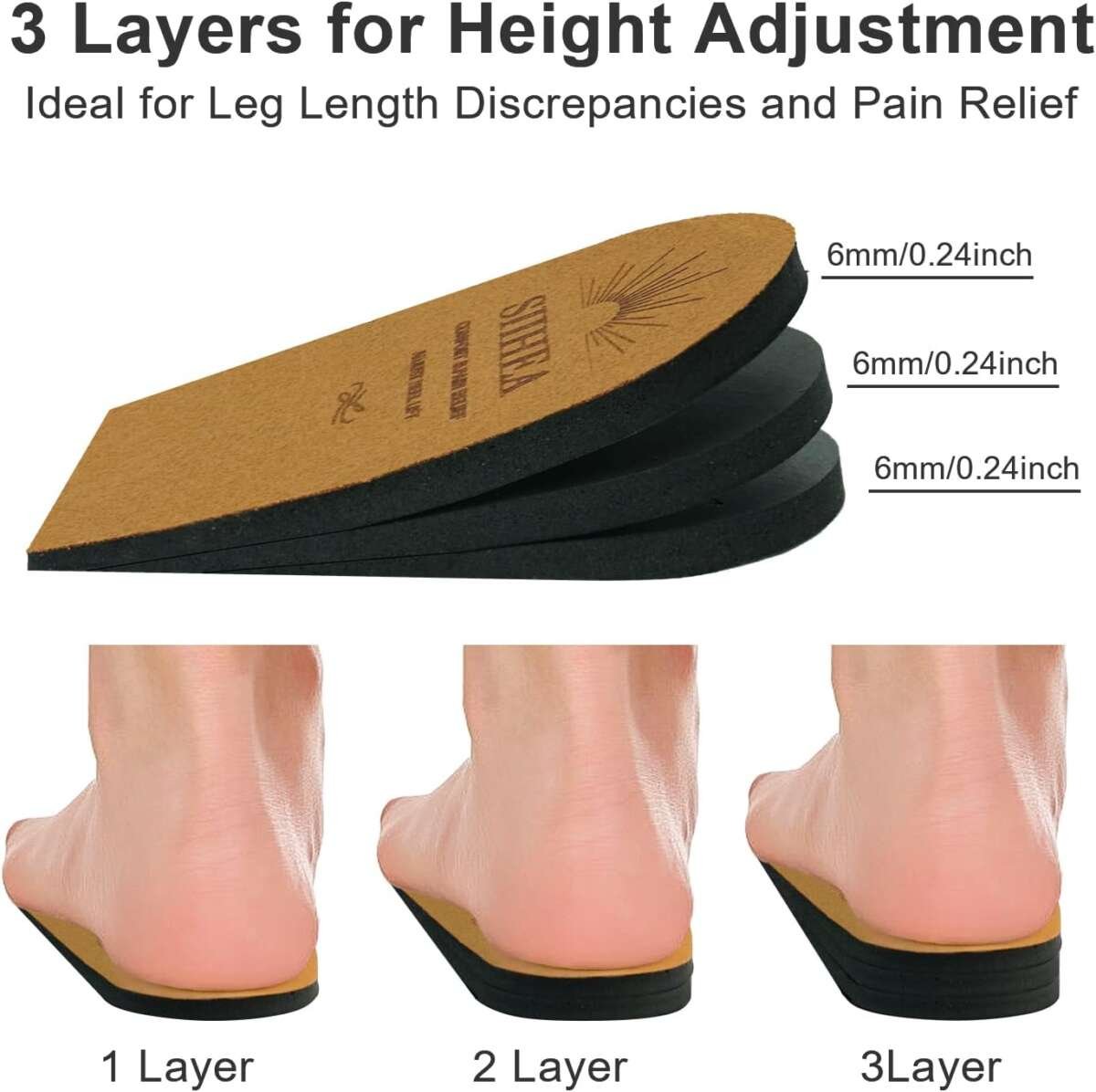
- Adjustable lifts: Stackable inserts that let the user change the height.
A heel lift changes the angle of the foot. A full-length lift raises the foot with less change to that angle. This difference matters when comfort, balance, or leg alignment is the main goal.
What do shoe lifts do?
Shoe lifts can:
- Make one leg appear longer.
- Add height to the wearer.
- Reduce the effect of a small leg-length difference.
- Change tension in the calf and Achilles tendon.
- Alter how the foot meets the ground.
- Help a shoe fit more securely when used correctly.
A lift does not lengthen the leg itself. It only raises the foot while the shoe is being worn.
Why Do People Wear Shoe Lifts?
People wear shoe lifts for several different reasons. The same product may not work equally well for every purpose.
To manage a leg-length difference
A leg-length difference means one lower limb measures longer than the other. The difference may be:
- Structural: The bones are different in length.
- Functional: The legs measure similarly, but the hips, pelvis, feet, or muscles affect how the legs appear or work.
- Temporary: Swelling, injury, surgery, or a walking aid changes a person’s normal stance.
A lift can compensate for part of a leg-length difference by raising the shorter side. It does not correct the underlying bone length.
The American Academy of Orthopaedic Surgeons notes that small leg-length differences often cause no symptoms. Larger differences may affect walking, posture, or comfort. The amount that needs correction should not be guessed from appearance alone.
To add height
Some people use elevator shoes or discreet shoe lifts to appear taller. These products often place extra material inside the shoe and may also use a thicker outer sole.
A height lift works best when:
- The shoe has enough space for the insert.
- The heel is held firmly.
- The wearer can walk without wobbling.
- The shoe does not force the toes forward.
- The added height matches the shoe’s design.
More height is not always better. A very thick insert can crowd the foot and make the shoe unstable.
To reduce strain after an injury
A clinician may suggest a heel lift for a short period after certain injuries or during treatment for conditions that involve the calf or Achilles tendon. The lift may reduce stretch on the tendon by keeping the heel slightly raised.
This is not a general treatment for every foot or leg problem. The correct height and length depend on the injury, footwear, and stage of recovery.
To improve shoe fit
A thin heel insert can reduce heel slipping in a loose shoe. This use is different from correcting a leg-length difference. The goal is to hold the heel in place, not to change leg alignment.
If the shoe is too short or narrow, a lift usually will not solve the problem. It may make crowding worse.

How Do Shoe Lifts Work?
Shoe lifts work by changing the height and position of the foot inside or below the shoe. That change affects the angle of the ankle and the way weight moves through the leg.
A heel lift raises the rear of the foot. This places the ankle in more plantar flexion, which means the foot points slightly downward. It may reduce stretch on the calf and Achilles tendon, but it can also increase pressure at the front of the foot or change balance.
A full-length lift raises the whole foot. It usually changes the ankle angle less than a heel-only lift of the same height.
A lift also changes the position of the body above the foot. The knees, hips, and pelvis may adapt to the new height. Some people notice a quick improvement. Others need time to adjust.
Heel lift versus full-length lift
| Type | Where it raises the foot | Common use | Main trade-off |
|---|---|---|---|
| Heel lift | Heel or rear foot | Short-term heel or tendon support; small height change | Changes ankle angle |
| Full-length lift | Entire foot | Leg-length compensation; height increase | Needs more shoe space |
| External sole lift | Outside of the shoe | Larger correction or custom work | Requires a suitable shoe and professional work |
| Elevator shoe | Built into the shoe | Discreet height increase | Less flexible between shoes |
| Stackable insert | Heel or full foot, in layers | Adjustable height | Layers may shift or reduce stability |
The main decision is simple: if you need to change leg height, a full-length or professionally fitted lift may be more suitable; if you need a small heel change, a heel lift may be enough.
How Much Lift Do You Need?
The correct amount depends on the reason for wearing the lift. Do not use visual inspection alone to choose a large correction.
For height increase
For a cosmetic height boost, comfort sets the practical limit. A small lift may work in many shoes. A larger lift needs a deeper shoe, a firm heel counter, and enough room over the toes.
The lift should not:
- Push the heel out of the shoe.
- Make the toes curl.
- Cause the foot to slide forward.
- Make the ankle feel unstable.
- Prevent the shoe from closing properly.
For a leg-length difference
A measured difference does not always mean the full difference should be placed inside the shoe. Your body may already compensate through the pelvis, knees, feet, or spine.
A podiatrist, orthopedic clinician, physical therapist, or other qualified professional may assess:
- Leg length while lying down and standing.
- Pelvic position.
- Walking pattern.
- Hip and knee movement.
- Foot posture.
- Pain and activity limits.
- Whether the difference is structural or functional.
Some assessments use blocks under the shorter side to see how the pelvis and symptoms respond. Imaging may be needed when the measurement is uncertain or the difference is significant.
A simple example
Imagine a hypothetical person with a measured leg-length difference of 10 millimeters. A clinician might recommend correcting only part of that difference at first. The person could begin with a smaller lift, monitor comfort and walking, and adjust only with professional guidance.
This example does not establish a standard correction. The right amount varies by person and cause.

How to Choose the Right Shoe Lift
Choose the lift by matching the design to your goal, shoe, and walking needs.
1. Identify the goal
Ask what you want the lift to do:
- Add visible height.
- Reduce heel slipping.
- Support a temporary injury plan.
- Compensate for a measured leg-length difference.
- Improve comfort in a specific pair of shoes.
A product made for height may not be suitable for medical use. A medical heel wedge may not create an even or natural appearance.
2. Check the shoe
A suitable shoe should have:
- A firm heel counter.
- A secure lace, strap, or closure.
- Enough internal depth.
- A stable sole.
- A shape that matches your foot.
Slip-on shoes may not hold a thick insert well. Very soft sneakers may compress under the lift. Dress shoes may have limited room and less support.
3. Select the lift shape
Choose a heel lift when you need a small rear-foot raise and the change in ankle angle is acceptable. Choose a full-length lift when you want to raise the entire foot or reduce the angle created by a heel-only insert.
For a larger correction, an external sole lift or custom shoe modification may provide better stability than stacking thick inserts inside the shoe.
4. Start with a small change
If the lift is not prescribed for a specific medical plan, start with a low height. Wear it for a short period at home. Check your balance, heel hold, toe room, and comfort before using it for long walks.
Do not increase the height just because the first lift feels noticeable. A noticeable change is not proof that the lift is working correctly.
5. Use the lift in both shoes only when appropriate
If one side is shorter, the lift often goes in the shoe on that side. Adding the same lift to both shoes increases overall height but does not correct the difference between the legs.
Follow the instructions from the clinician or manufacturer. Do not move a prescribed lift from one side to the other without advice.
How to Wear Shoe Lifts Safely
A safe fit begins with gradual use and close attention to symptoms.
- Place the lift flat. It should not curl, slide, or sit on top of another loose insert.
- Keep the heel secure. Your heel should not lift out of the shoe when you walk.
- Try it indoors first. Walk on a clear, level surface for a short time.
- Check your toes. They should not feel cramped or forced downward.
- Increase wear time slowly. Give your feet and legs time to adapt.
- Inspect the skin. Look for rubbing, blisters, redness, or pressure marks.
- Stop if pain develops. Persistent pain is a reason to remove the lift and seek advice.
A lift should feel stable, not like a steep platform under the heel. If you limp, wobble, or feel new pain in the foot, ankle, knee, hip, or back, the lift may be too high, poorly placed, or not suited to your problem.
Are Shoe Lifts Safe?
Shoe lifts are often safe when they fit well and match the user’s needs. They can also create problems when used without enough space, support, or assessment.
Possible problems include:
- Blisters and skin pressure.
- Heel slipping.
- Forefoot pain.
- Calf tightness.
- Achilles tendon irritation.
- Ankle instability.
- Knee, hip, or back discomfort.
- A new limp or uneven walking pattern.
- Increased fall risk in people with poor balance.
People with diabetes, reduced foot sensation, circulation problems, a history of falls, or significant joint disease should take extra care. Reduced sensation may make it harder to notice pressure or injury.
Seek medical advice before using a lift for a child, after surgery, after a fracture, or for a large leg-length difference. A child’s bones and gait are still developing, so a lift should not be chosen only from an online measurement.
Get prompt care for severe pain, sudden swelling, numbness, weakness, skin color changes, or an inability to bear weight.

Shoe Lifts vs. Orthotics vs. Heel Cups
These terms are related but do not mean the same thing.
Shoe lift
A shoe lift raises the foot. Its main purpose is height, leg-length compensation, or a change in heel position.
Orthotic
An orthotic is a device designed to influence foot motion, pressure, or alignment. It may support the arch, guide the heel, redistribute pressure, or improve comfort.
An orthotic may include a lift, but many orthotics do not raise the leg for height or leg-length correction.
Heel cup
A heel cup surrounds or cradles the heel. It may improve heel positioning or cushion impact. It usually does not create the same height change as a shoe lift.