Where Should Your Toe Be In A Shoe: Perfect Fit Guide
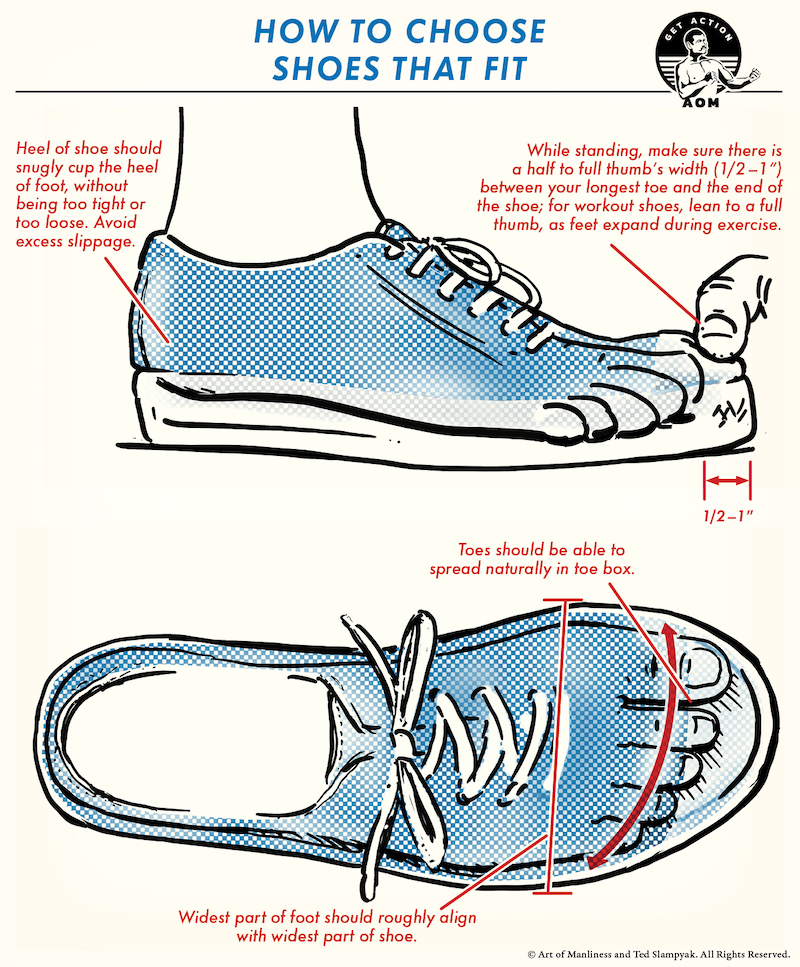
Your toe should rest straight ahead with about a half-inch of space from the shoe’s front.
Knowing where should your toe be in a shoe can prevent pain, blisters, black toenails, and long-term foot strain. As a footwear fitting guide, I’ll explain how much room you need, how to test the fit, and why shoe shape matters as much as shoe size.
Where Should Your Toe Be in a Shoe?
Your toes should sit naturally inside the shoe without touching the front, curling under, or pressing against the sides. The longest toe, which may be your big toe or second toe, should have about 3/8 to 1/2 inch of space in front of it.
This space lets your foot move forward slightly as you walk. It also allows your toes to spread and your foot to swell during the day. A shoe that feels perfect when you stand still may feel too small after several hours of walking.
Where should your toe be in a shoe? It should be near the front of the toe box, but it should not touch it. Think of the space as a small safety zone, not an empty gap large enough for your foot to slide around.
Your heel should stay in place while your toes remain relaxed. If your heel slips badly, the shoe may be too large, too wide, or poorly shaped for your foot.

How Much Room Should Be in Front of Your Toes?
For most everyday shoes, leave about a thumb’s width between your longest toe and the end of the shoe. This is usually close to 3/8 to 1/2 inch, though the best amount depends on the shoe type and your foot.
Use these general guidelines:
• Walking shoes should have about 1/2 inch of space for natural foot movement.
• Running shoes may need 1/2 to 3/4 inch because feet often swell during longer runs.
• Dress shoes need enough room to avoid pressure, but too much space can cause sliding.
• Hiking boots should allow room for downhill movement without letting your toes hit the front.
• Children’s shoes may have about 1/2 inch of growing room, but more space can make walking less stable.
Where should your toe be in a shoe when you are standing? Your longest toe should remain slightly away from the front. Always check this while standing because your foot becomes longer and wider when it bears weight.
Do not judge the fit by your big toe alone. Some people have a longer second toe, known as a Greek foot shape. The longest toe determines the needed front space.

How to Check Toe Room at Home
You can check shoe length in a few simple steps. Try the test at the end of the day, when your feet are often at their largest.
-
Put on the socks you plan to wear with the shoes.
-
Stand up and place your weight evenly on both feet.
-
Press your toes gently toward the front of the shoe.
-
Check the space behind your heel.
-
Slide one finger behind your heel if the shoe has laces or an open collar.
-
Remove the shoe and compare your longest toe with the insole, if it can be removed.
The insole test is one of the easiest methods. Take out the insole and stand on it. Your heel should sit near the back edge, while your longest toe should stop about half an inch from the front edge.
Where should your toe be in a shoe during this test? It should stay within the insole’s safe area without hanging over the front or sides.
Walk on a firm surface for several minutes. Pay attention to rubbing, pressure, toe curling, and heel movement. A good fit should feel secure but not tight.
Why Toe Box Shape Matters
Shoe length is only part of the fit. The toe box must also provide enough height and width for your toes to rest in a natural position.
A narrow toe box can squeeze the toes together. Over time, this may contribute to blisters, corns, calluses, bunions, or discomfort. A pointed dress shoe may look stylish, but its shape may not match the natural shape of your foot.
A healthy toe box should allow:
• Your toes to spread slightly.
• Your big toe to point forward.
• Your smaller toes to stay flat.
• The top of your toes to avoid rubbing the shoe.
• The ball of your foot to rest at the widest part of the shoe.
Where should your toe be in a shoe with a wide toe box? Your toes should still remain a short distance from the front. Extra width does not replace proper length.
A shoe can be long enough but still too narrow. It can also be wide enough but too short. Check length, width, depth, and overall shape together.

Signs Your Shoes Are Too Small
Many people keep wearing shoes that are too short because the discomfort starts slowly. Your feet may adapt to pressure for a while, but that does not mean the fit is safe.
Common signs include:
• Your longest toe touches the front while walking.
• Your toenails turn dark or become sore.
• Your toes curl to create more space.
• You feel numbness or tingling.
• The sides of your feet bulge over the shoe.
• You develop blisters near the toes.
• Your toes feel cramped after standing.
• You feel pain when walking downhill or going downstairs.
Where should your toe be in a shoe if it touches the front during downhill walking? The shoe is likely too short, even if it feels fine on level ground. Your foot slides forward during downhill movement, so extra length is important for hiking and trail shoes.
Repeated toe pressure can cause bruising beneath the toenail. It may also irritate the skin and increase the risk of painful nail problems. If pain continues after changing shoes, consult a qualified health professional.

Signs Your Shoes Are Too Large
A shoe with too much room can also cause problems. Your foot may slide forward and backward with every step, creating friction.
Look for these signs:
• Your heel lifts noticeably as you walk.
• Your toes grip the floor inside the shoe.
• Your foot slides toward the front.
• You develop blisters on the heel or ball of the foot.
• You must tighten the laces very hard.
• The shoe bends in the wrong place.