
Why Do My Shoes Squeak: Easy Fixes That Work
Shoes squeak when friction, trapped moisture, or loose parts rub together as you walk.
Wondering why do my shoes squeak can be frustrating, especially in a quiet office, school hallway, or store. The good news is that most squeaks have a simple cause and an easy fix. This guide explains how to find the sound, stop it safely, and know when your shoes need professional care or replacement.

Why do my shoes squeak?
The short answer is that two shoe parts are rubbing, sticking, or shifting against each other. That movement creates vibration, which your ears hear as a squeak.
A shoe has many parts. These may include the outsole, midsole, insole, tongue, lining, eyelets, stitching, and heel counter. If even two of these parts move against each other, they can act like a tiny musical instrument.
The most common causes include:
• Moisture trapped inside the shoe
• Friction between the insole and midsole
• A smooth rubber outsole rubbing against a hard floor
• Loose stitching, eyelets, or shoe panels
• New leather or synthetic materials that have not softened
• A loose heel or damaged sole
• Air or glue problems inside the sole
The sound can also change with the floor. A shoe may squeak on polished tile but stay quiet on carpet. This happens because hard, smooth surfaces increase grip between the outsole and the floor.
In many cases, the squeak does not mean the shoe is unsafe. Still, a sudden squeak from an older shoe may point to a loose sole or internal damage. That is why finding the exact source matters.
Common reasons shoes squeak
Moisture inside the shoe
Sweat, rain, spilled drinks, and damp storage can all cause squeaking. Moisture creates a thin film between surfaces. As those surfaces stick and release, they produce a sharp sound.
This often happens under the insole. Your foot presses down, the insole moves slightly, and the damp material rubs against the layer below it.
Leather shoes may also squeak when they become wet. Leather fibers swell as they absorb water. When the shoe dries, those fibers can rub until they soften again.
Friction under the insole
An insole may squeak even when the outside of the shoe looks perfect. The insole can shift with each step, especially if it is smooth, thin, or slightly loose.
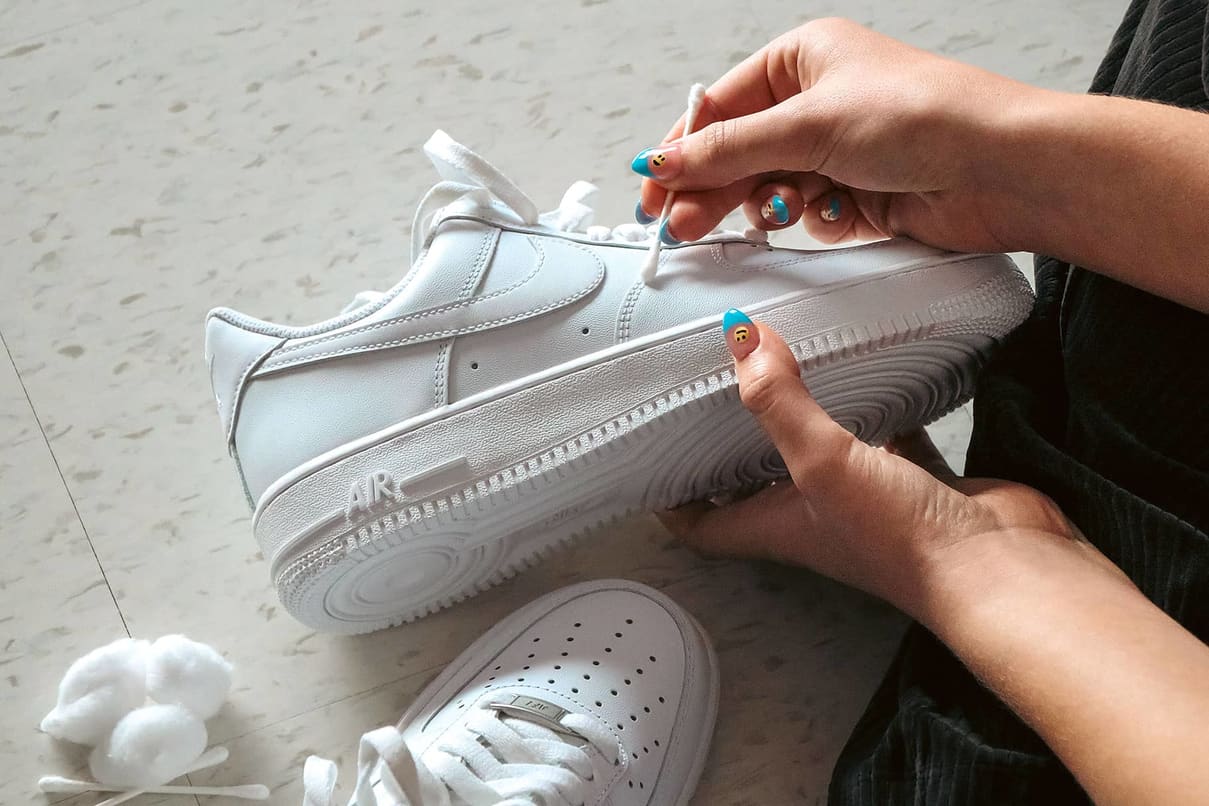
This cause is easy to test. Remove the insole if the shoe allows it, then walk a few steps. If the squeak disappears, you have found the problem area.
Some removable insoles also squeak because their foam or plastic base rubs against the footbed. A small amount of safe powder can reduce this movement.
A rubber outsole and hard floor
Many modern shoes use rubber or synthetic outsoles. These materials grip hard floors well, but that grip can create noise when the sole bends.
Polished tile, sealed wood, vinyl, and gym floors are common trouble spots. The same shoes may stay silent on carpet because carpet fibers reduce direct contact.
This type of squeak is usually harmless. It often becomes quieter as the outsole gains light wear.
New leather or synthetic materials
New shoes can squeak because their parts are still stiff. Leather panels, tongue layers, and lining materials may press together before they become flexible.
New dress shoes often make noise near the tongue and eyelets. New sneakers may squeak near the sole because the midsole and outsole are still settling.
Do not soak new shoes or apply heavy oils to silence them. Those shortcuts may stain the material or weaken adhesives.
Loose stitching, eyelets, or panels
Small metal eyelets can rub against laces or leather. Loose stitching can also move with each step. These parts may create a light, high-pitched squeak near the top of the shoe.
Press and bend the shoe gently with your hands. Listen for the same sound. If you hear it while flexing the shoe, the source may be in the upper rather than the sole.
A loose sole or heel
A loose outsole can squeak as it bends away from the midsole. A loose heel can make a deeper sound and may feel unstable.
Look for visible gaps, peeling edges, uneven wear, or a heel that rocks from side to side. These signs need more attention than a simple insole squeak.
A loose sole can let in water and worsen quickly. It can also change how your foot lands, which may increase discomfort or the risk of a trip.
Air or glue problems inside the sole
Some shoes contain air pockets, foam layers, or several bonded sole pieces. If a layer separates or air moves through a tiny gap, the shoe may squeak from inside.
This issue is harder to repair at home. If the shoe is new, check the return or warranty policy before using glue or other products.
How to find the source of the squeak
Before trying a fix, identify where the noise starts. Guessing can lead to stains, damaged leather, or a repair that does not address the cause.
Use this simple test:
-
Walk on several surfaces, such as carpet, tile, wood, and concrete.
-
Notice whether the sound comes from the sole, heel, tongue, or inside the shoe.
-
Remove the insole if it is removable, then walk again.
-
Flex the shoe by hand and listen for rubbing or clicking.
-
Press around the heel, toe box, side panels, and outsole.
-
Ask someone to watch you walk while you take a few slow steps.
The floor test is useful. If the shoe squeaks only on smooth floors, the outsole is likely rubbing against the surface. If it squeaks on every floor, look inside the shoe or around the upper.
The hand test is also helpful. Hold the heel and toe, then gently bend the shoe. Do not force it. A squeak during bending often points to friction between shoe layers.
Pay attention to the timing of the sound. A squeak when your foot lifts may come from the outsole. A squeak when your foot presses down may come from the insole or footbed.
How to stop squeaky shoes at home
The best repair depends on the source. Start with the gentlest option and test the shoe after each step.
Dry the shoe fully
If moisture is the cause, remove the insoles and laces. Open the shoes as much as possible and let them dry at room temperature.
You can place clean paper inside the shoes to absorb moisture. Replace the paper when it feels damp.
Avoid direct heat from a hair dryer, radiator, fireplace, or clothes dryer. High heat can warp synthetic materials, shrink leather, and weaken glue.
Use a small amount of powder
For an insole squeak, apply a very light layer of cornstarch or foot powder beneath the removable insole. The powder helps reduce friction and absorb small amounts of moisture.
Do not use a large amount. Too much powder can clump, create mess, or affect the fit of the shoe.
Test the product on a hidden area first, especially with dark leather or fabric. Some powders may leave a visible mark.
Condition leather carefully
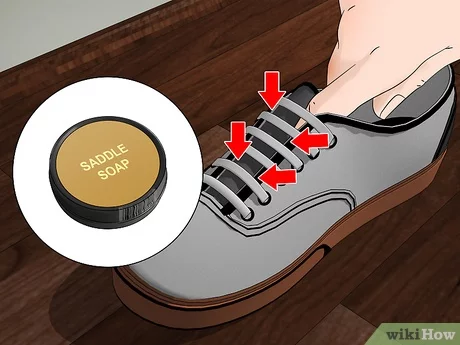
If leather panels are rubbing, a small amount of leather conditioner may help soften them. Use a product made for the type of leather you own.
Apply a thin layer with a soft cloth. Let the shoe absorb it, then buff away excess product.
Do not use cooking oil, petroleum jelly, or random household grease. These products can darken leather, attract dirt, and damage certain finishes.
Tighten or adjust the laces
Loose laces can allow the tongue to shift. That movement may cause the tongue, eyelets, or side panels to rub.
Try a different lacing pattern or tighten the laces evenly. Do not tie them so tightly that they create pressure or numbness.
A soft tongue pad may also reduce movement in some dress shoes. Choose a product that does not change the fit too much.
Add traction to a slippery outsole
If the outsole squeaks on smooth floors, light wear may solve the problem. You can also clean the sole with a damp cloth and mild soap to remove residue.