Do New Balance Shoes Run Small: Complete Sizing Guide
Most New Balance shoes fit true to size, but some models feel small because of their shape, width, or narrow toe box.
So, do New Balance shoes run small? Usually, no. New Balance is known for consistent sizing and a wide range of widths. Still, the fit can change from one model to another. Your foot shape, socks, and the shoe’s purpose also matter.
This guide explains how New Balance sizing works, which models may feel tight, how to measure your feet, and how to choose the right size online. Use these tips to avoid painful toes, loose heels, and costly returns.

Do New Balance shoes run small?
New Balance shoes generally run true to size. Most people can buy their usual athletic shoe size and get a good fit. However, “true to size” does not mean every model feels the same.
A running shoe may have a roomy front. A lifestyle sneaker may have a firmer, narrower shape. A leather shoe may feel tight at first because the material has less stretch. These differences often lead shoppers to ask, “Do New Balance shoes run small?”
The answer depends on three main factors:
• Model shape: Some shoes have a narrow or snug design.
• Width: A standard width may feel tight if your feet are broad.
• Foot measurement: Your left and right feet may not be the same size.
New Balance uses both length and width sizing. Common width options include narrow, standard, wide, and extra wide. This is a major advantage for people who struggle with cramped shoes.
A good fit should leave about a thumb’s width between your longest toe and the end of the shoe. Your heel should stay in place when you walk. The shoe should feel secure, but it should not squeeze your toes or press hard on the sides of your foot.

Why do New Balance shoes feel small?
Even when the length is correct, a New Balance shoe may feel small for several reasons. Understanding the cause helps you decide whether to size up or choose a wider fit.
The shoe has a narrow toe box
Some New Balance models taper more than others near the toes. This can make the shoe feel short, even when the heel fits well. Your toes may touch the front or feel pushed together.
A narrow toe box is often the main reason people believe New Balance shoes run small. In many cases, the better fix is a wide width rather than a longer shoe.
Your feet swell during the day
Feet often become slightly larger after walking, standing, or exercising. This is normal. If you try shoes early in the morning, they may feel tighter later.
Try on shoes in the afternoon or evening. This gives you a more realistic fit for daily wear.
You are wearing thick socks
Winter socks and athletic socks can take up more room than thin casual socks. A shoe that fits with thin socks may feel too tight with thicker ones.
Always test New Balance shoes with the socks you plan to wear most often.
The upper material is firm
Some casual New Balance shoes use suede, leather, or structured mesh. These materials may not stretch much. A soft mesh running shoe can feel more forgiving than a firm lifestyle sneaker.
Do not rely on a painful break-in period. Shoes may soften slightly, but they should feel comfortable from the start.
Your feet need more width
Many shoppers add length when they really need more room across the foot. This can leave extra space at the heel and cause slipping.
New Balance width options can solve this problem more effectively. A wide or extra-wide version may give your toes space without making the shoe too long.
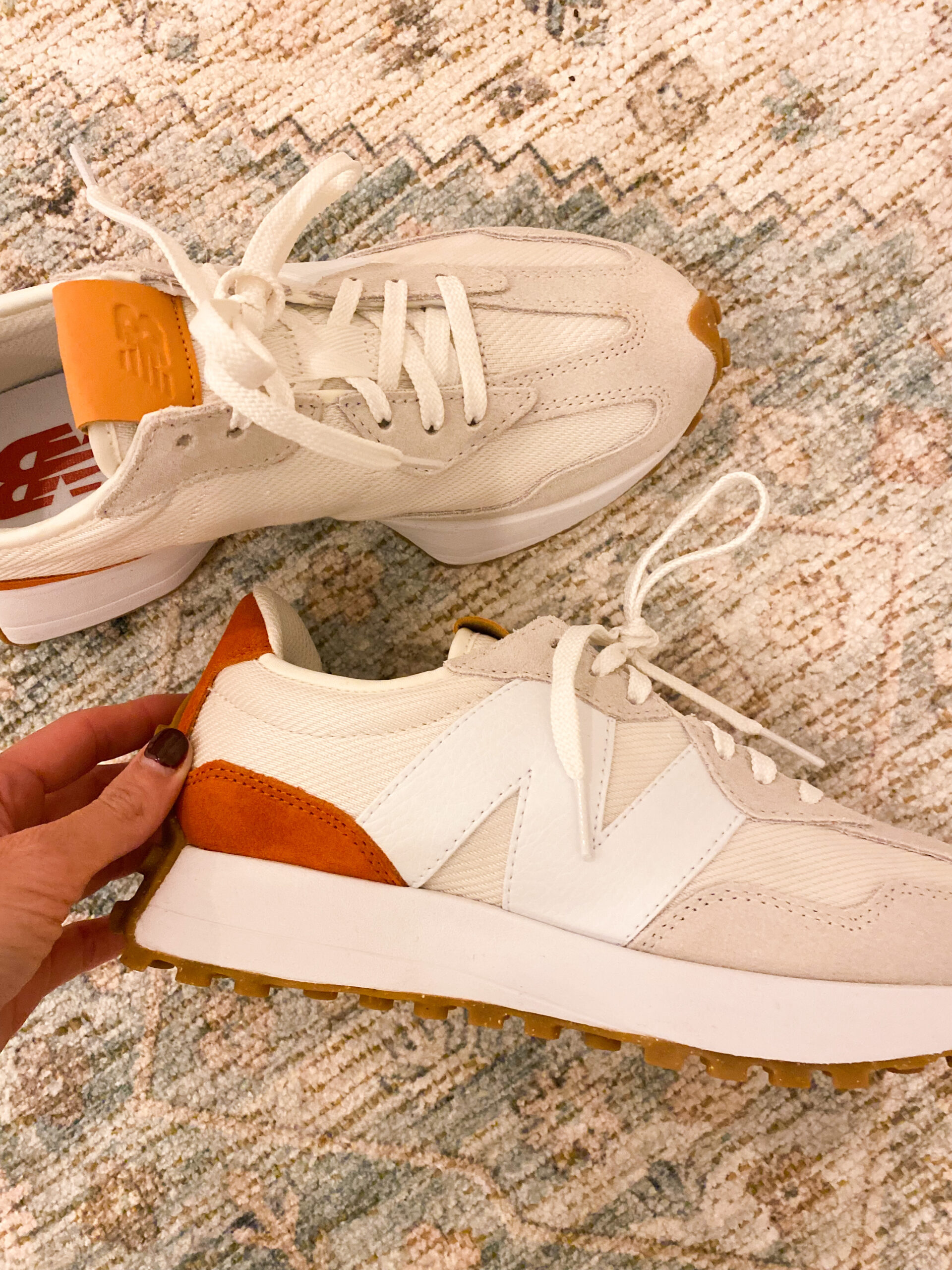
How New Balance shoe sizing works
New Balance lists shoes by length and width. The length is shown with a number, such as men’s 9 or women’s 8. The width is shown with letters.
Common New Balance width labels include:
• Women’s narrow: 2A
• Women’s standard: B
• Women’s wide: D
• Women’s extra wide: 2E
• Men’s narrow: B
• Men’s standard: D
• Men’s wide: 2E
• Men’s extra wide: 4E
Width labels can vary slightly by product and market. Always check the size chart for the exact model you want.
New Balance often uses different size displays for men and women. A men’s size is not always a direct match for a women’s size because the shoes may have different lasts, shapes, and width systems.
If you are switching from another brand, compare foot measurements instead of relying only on the printed size. Brand sizes can vary, just as clothing sizes do.
New Balance men’s sizing
New Balance men’s shoes usually fit close to standard athletic shoe sizing. The standard men’s width is D, while 2E and 4E provide more room.
If your usual size feels tight on the sides but fits well in length, try a wider option first. If your toes touch the front, consider a half size up.
New Balance women’s sizing
Women’s New Balance shoes also tend to fit true to size. The standard women’s width is B. Wider choices are often available in popular walking and running models.
A common mistake is buying a longer women’s shoe when the real issue is forefoot width. Check where the pressure occurs before changing the length.
New Balance kids’ sizing
Children’s feet grow quickly, so fit checks matter. Leave some growing room, but avoid buying shoes that are far too large.
A child should be able to walk without tripping or sliding inside the shoe. Check the fit every few months, especially during growth spurts.
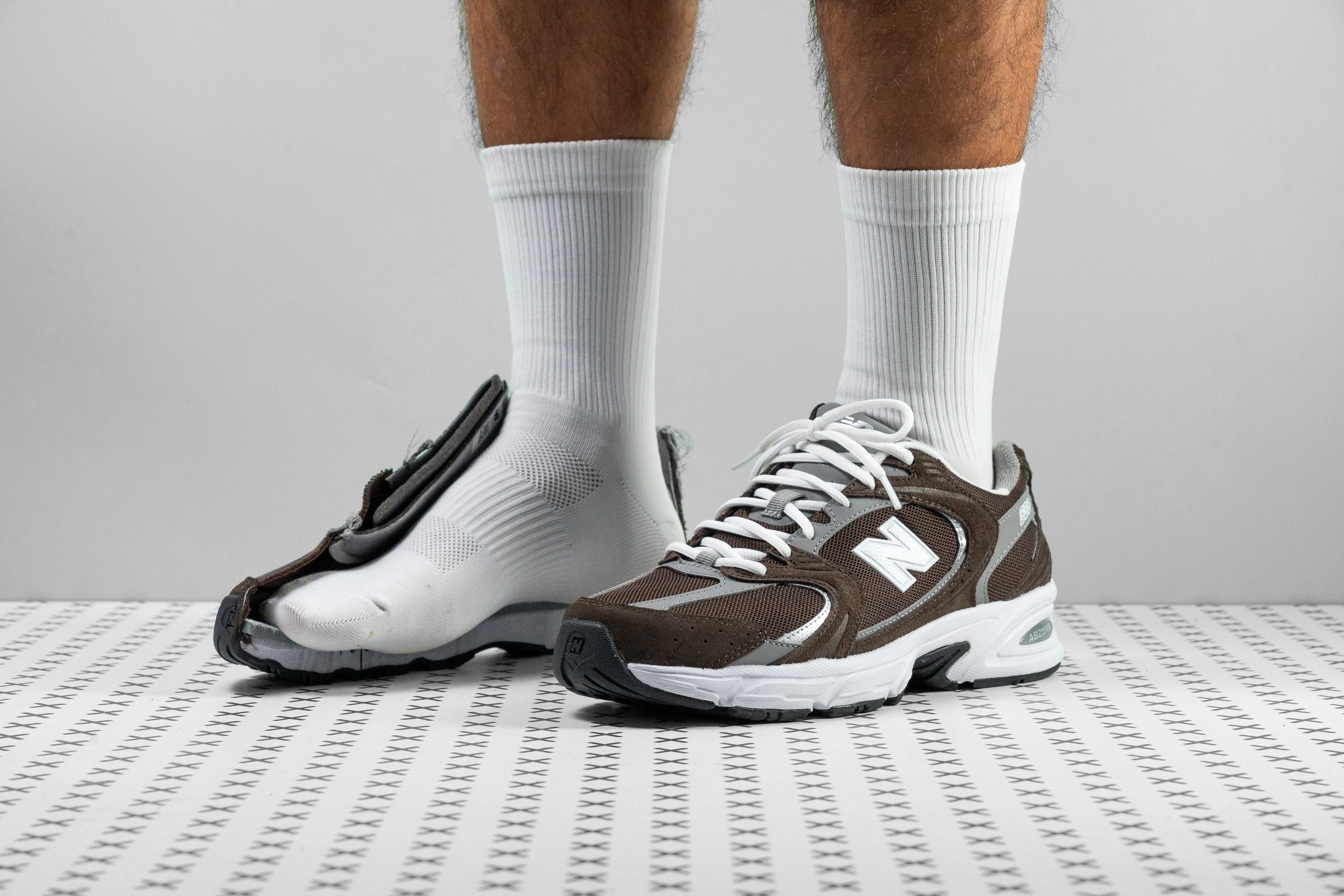
Do New Balance running shoes run small?
Most New Balance running shoes fit true to size, but running shoes often need a little more space than casual shoes. Feet can swell during a run, and toes move forward on hills or during longer workouts.
Many runners prefer a half size larger than their everyday shoe. This is not a strict rule. It depends on your foot length, running distance, socks, and personal comfort.
When checking a running shoe, look for these signs:
• Your longest toe has about half an inch of space in front.
• Your toes can spread without pressing against the upper.
• Your heel stays secure during walking and running.
• Your arch feels supported without a hard pressure point.
• Your foot does not slide from side to side.
If a New Balance running shoe feels short, try a half size up. If it feels tight across the forefoot but the length is correct, try a wider width.
Do not judge the fit only while standing still. Walk, bend your knees, and climb a few steps if possible. A shoe can feel fine in a store but become uncomfortable after several miles.

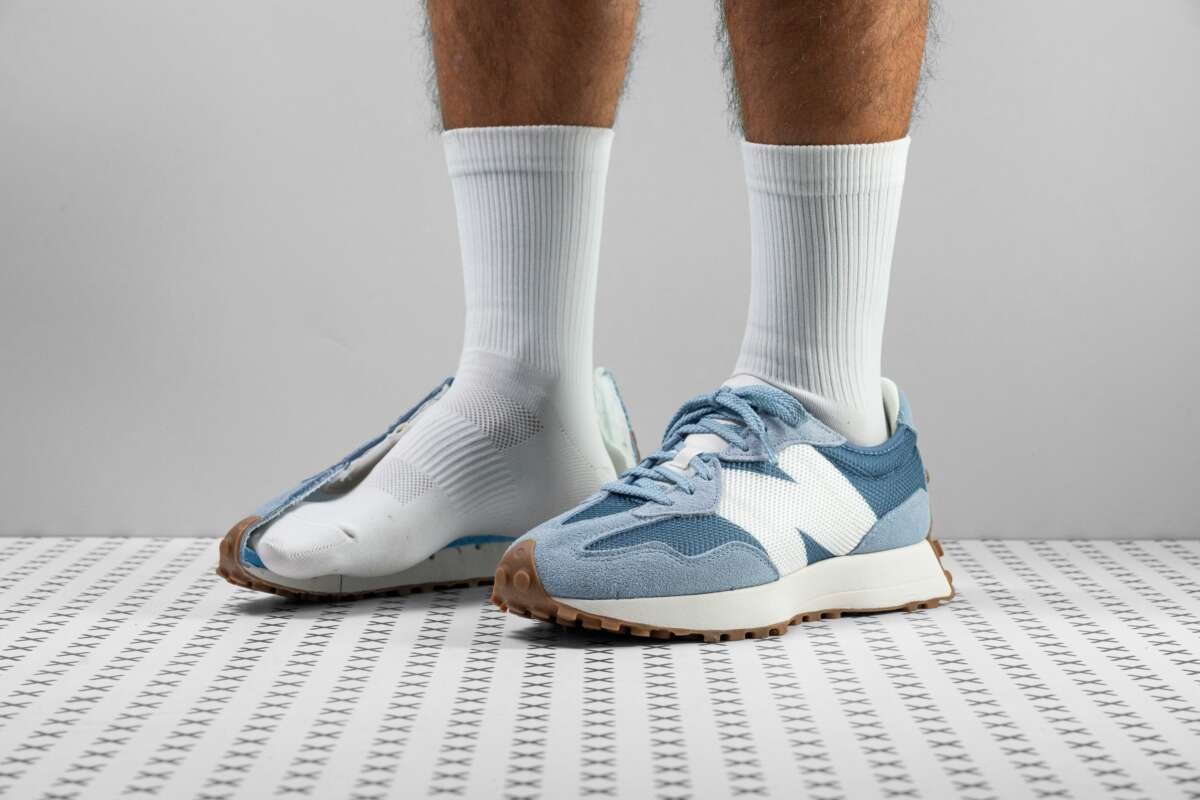
Do New Balance 574 shoes run small?
The New Balance 574 usually fits close to true to size. However, many people find its classic shape less roomy than modern running shoes.
The 574 may feel snug across the midfoot or toe area if you have broad feet. Its casual design also tends to feel firmer and more structured than a soft mesh trainer.
Consider these choices:
• Stay with your usual size if your feet are average width.