How Long Do Shoe Inserts Last: Replacement Guide
Most shoe inserts last six to twelve months, but use, material, and foot needs can change that.
Knowing how long do shoe inserts last helps you protect your feet, avoid wasted money, and keep your shoes supportive. The right replacement time depends on the insert type, your activity level, body weight, walking surface, and visible wear. This guide explains the signs of a worn insert, how long each type may last, and how to make your pair work better for longer.
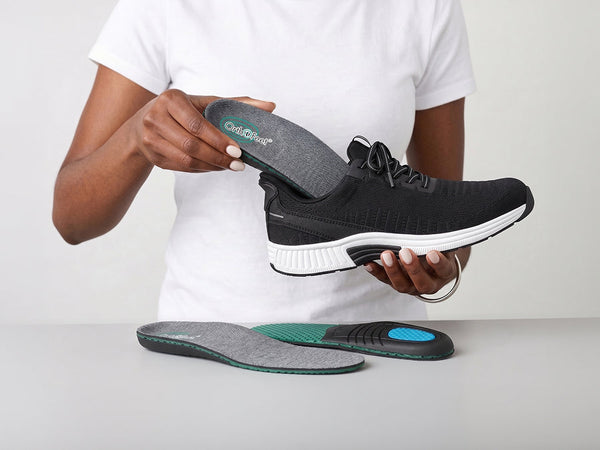
How Long Do Shoe Inserts Last?
Most shoe inserts last between six and twelve months with regular use. Some high-quality custom orthotics may work well for one to three years, while thin foam inserts may wear out in only three to six months.
There is no single expiration date for every pair. An insert used for daily walks carries less stress than one used for running, standing at work, or playing sports. The best answer to how long do shoe inserts last comes from combining time with condition.
A simple guide looks like this:
• Basic foam inserts: Three to six months
• Gel inserts: Six to nine months
• Firm arch support inserts: Six to twelve months
• Running shoe inserts: Three to six months for frequent runners
• Custom orthotics: One to three years, with regular checks
• Leather or cork inserts: One to two years, depending on care
These are useful estimates, not strict rules. If an insert still feels firm, even, and comfortable, it may last longer. If it causes pain or looks flat, replace it sooner.

What Affects the Life of Shoe Inserts?
Several daily factors decide how fast shoe inserts lose their shape and support. Think of an insert like a mattress for your foot. The more pressure it takes, the faster it may flatten.
Daily Use
People who wear the same inserts every day often need replacements sooner. A person who wears inserts for eight hours at work may wear them out faster than someone who uses them for short walks.
Rotating between two pairs can help. Each pair gets time to dry and recover between uses.
Activity Level
Running, hiking, basketball, and long work shifts place high stress on inserts. Repeated impact can crush foam and weaken gel sections.
If you run several times each week, check your inserts every three months. Runners may need new inserts before the shoe itself looks worn.
Body Weight
Higher body weight can increase pressure on the foam and support areas. This does not mean an insert will fail quickly, but it may lose its cushioning sooner.
A firm, well-made insert may handle pressure better than a soft, low-cost insert. Still, comfort and foot alignment matter more than firmness alone.
Sweat and Moisture
Sweat can damage some foams, adhesives, and fabric covers. Moisture can also lead to odor and skin irritation.
Let inserts air out after use. Do not place most inserts on a heater or in a hot dryer, since heat may warp them.
Shoe Fit
A tight shoe can bend, crush, or shift an insert. A shoe that is too loose may allow the insert to slide and wear unevenly.
Make sure the shoe has enough room for the insert and your toes. If you add a full-length insert, you may need to remove the original shoe insole.
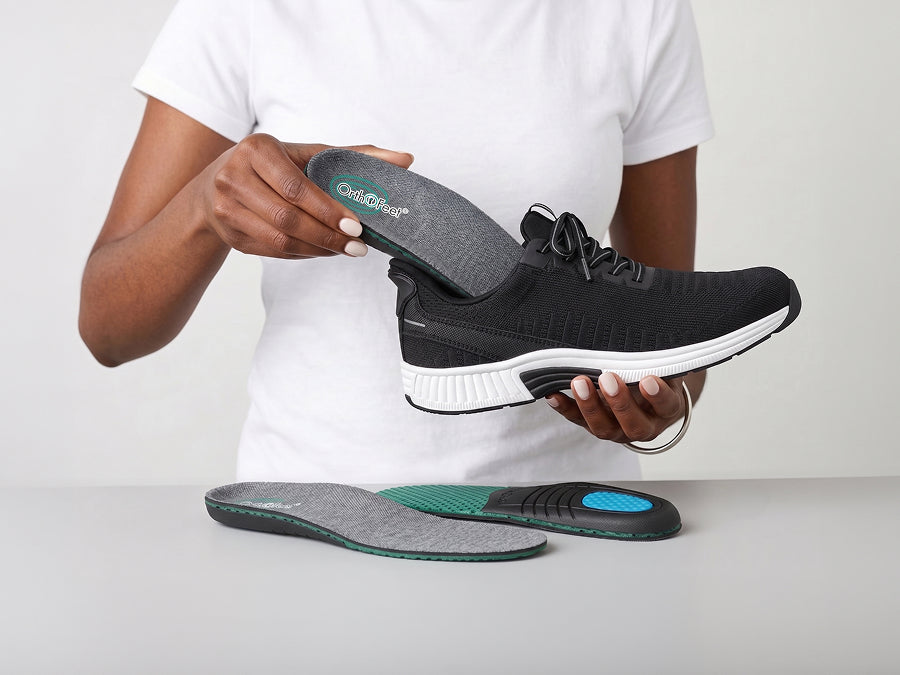
Signs Your Shoe Inserts Need Replacement
Your body often notices a worn insert before your eyes do. A sudden return of foot pain can be an early warning sign.
Look for these common signs:
• The foam feels flat or hard
• The arch support no longer matches your foot
• The insert bends or twists more than before
• The heel area shows deep dents
• The cover is torn or slipping
• You feel new pain in your feet, ankles, knees, or lower back
• Your shoes feel less stable
• One insert looks much more worn than the other
• You notice numbness, burning, or unusual pressure
A worn insert may also cause uneven wear on your shoes. Check the heel and forefoot areas. If one side collapses, the insert may no longer spread pressure evenly.
Do not wait for an insert to break in half. Small changes in support can affect the way your feet, legs, and hips move.
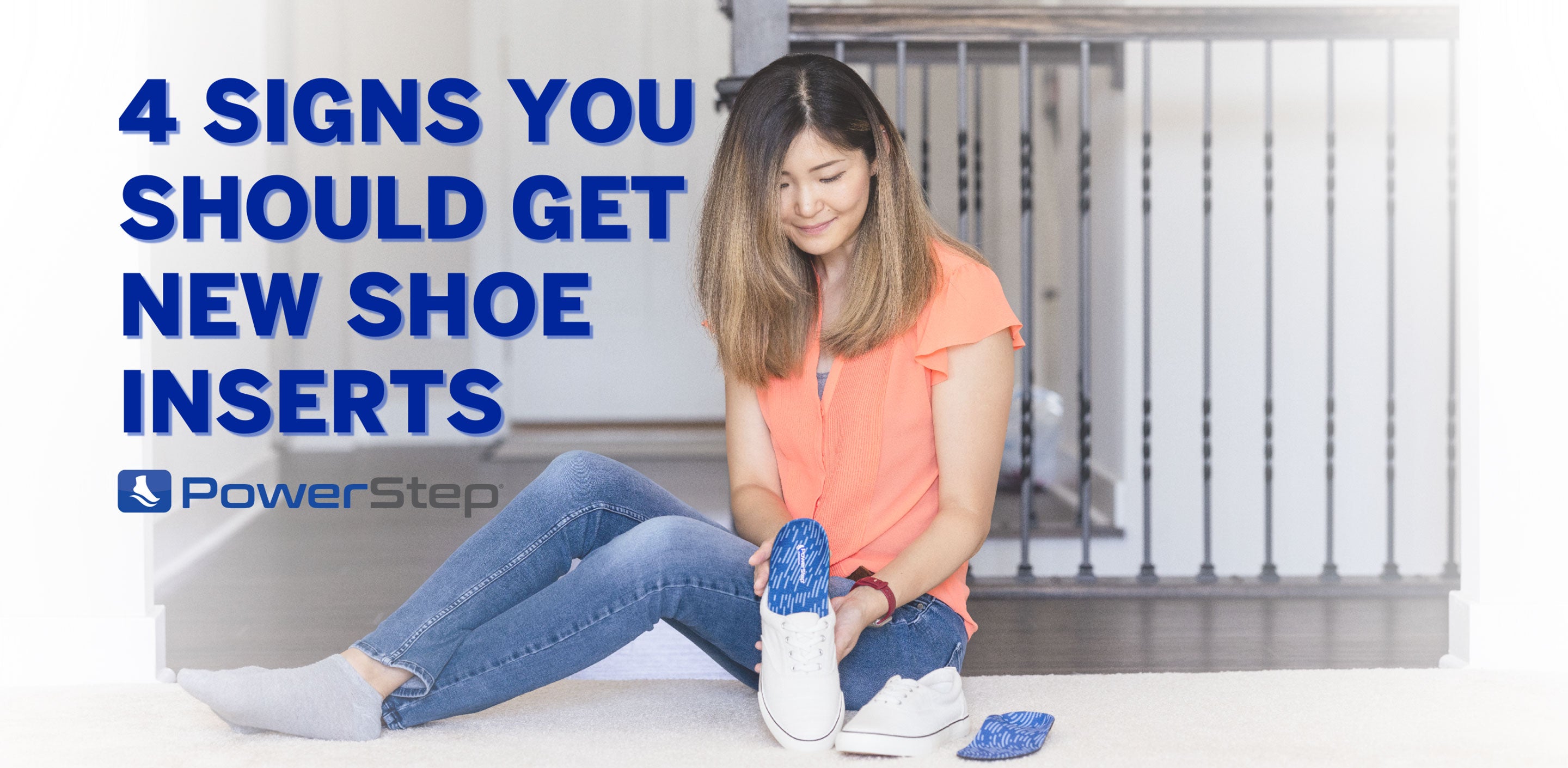
How Long Do Different Types of Shoe Inserts Last?
Insert materials behave in different ways. The best choice depends on your goals, not just the price.
Foam Inserts
Foam inserts are light and comfortable. They are often used for mild cushioning and shock control.
Their main weakness is compression. After months of use, the foam may stay flat instead of springing back. Basic foam inserts often last three to six months, while dense foam may last closer to a year.
Gel Inserts
Gel inserts absorb impact well. They can feel helpful for heel pain and long periods of standing.
Gel may dry out, split, or lose its shape over time. Most gel inserts last six to nine months with regular use. Inspect them for cracks, leaks, or hard spots.
Arch Support Inserts
Arch support inserts may use plastic, carbon fiber, foam, or a mix of materials. Firm models often hold their shape longer than soft models.
The cover may wear out before the support shell does. If the shell remains sound but the cover is damaged, some inserts can be repaired or recovered.
Custom Orthotics
Custom orthotics are made to support a person’s foot shape and movement pattern. They often last one to three years, but the exact life depends on the material and use.
Children may need new orthotics sooner because their feet grow. Adults with changing symptoms may also need an updated evaluation. A podiatrist or other qualified clinician can check whether the device still fits your needs.
Leather and Cork Inserts
Leather and cork can mold to the foot over time. They may feel natural and durable when kept dry.
These materials can last one to two years or longer with careful use. They still need replacement if they become too thin, cracked, damp, or uneven.

Do Shoe Inserts Last as Long as Shoes?
Usually, they do not. A durable shoe may last 12 months or more, while its insert may lose cushioning after six months.
Shoes and inserts wear in different ways. The shoe protects your foot from the ground, while the insert absorbs pressure and helps guide your foot. The insert may fail first even when the upper and sole still look good.
Check both parts together:
• Look at the shoe sole for uneven wear
• Feel for a tilted heel or compressed midsole
• Remove the insert and inspect the arch and heel
• Compare the shoe with a new pair of the same model
If the shoe has lost its structure, a new insert may not solve the problem. A worn shoe can still create poor support.
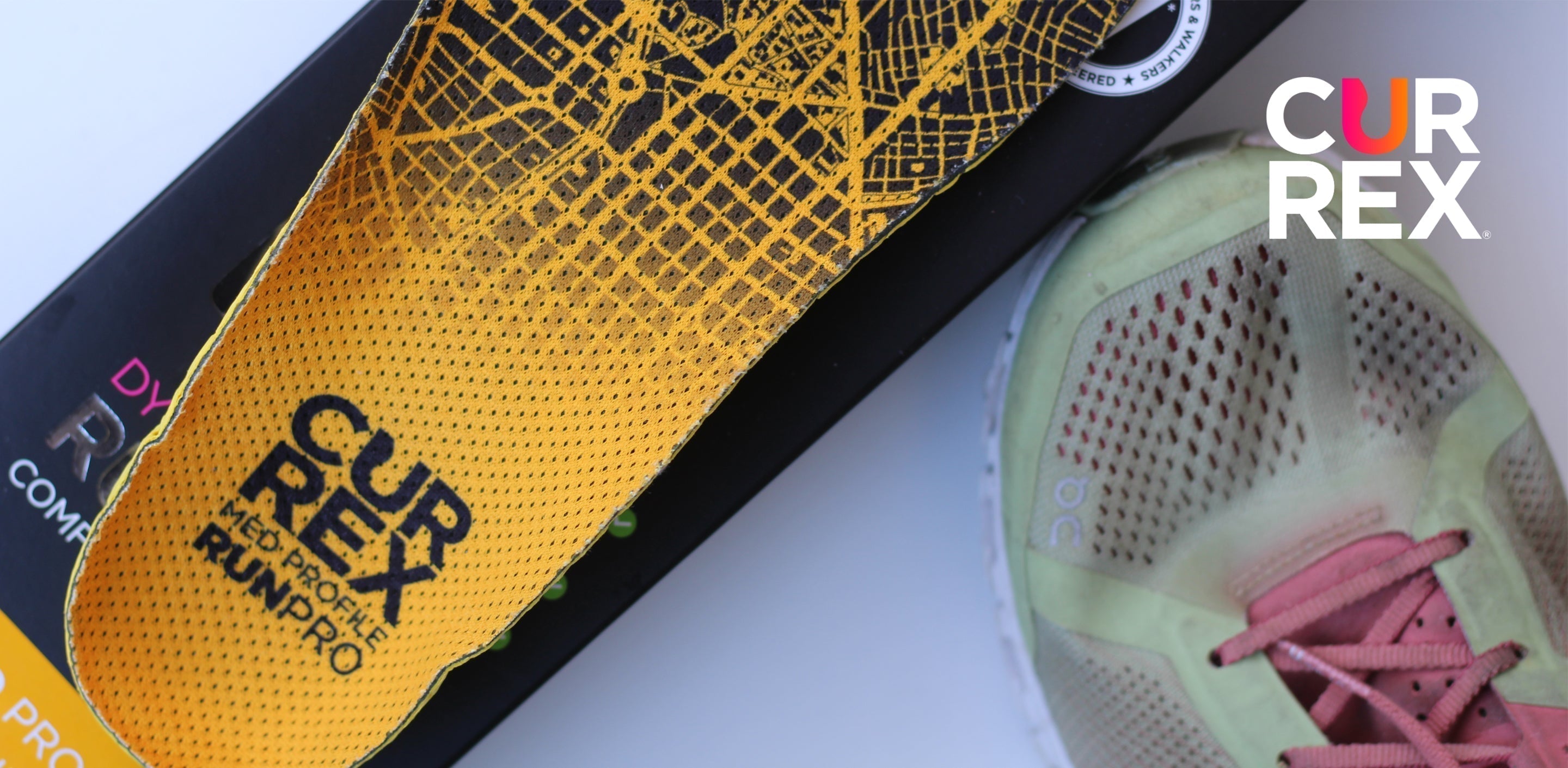
How to Make Shoe Inserts Last Longer
Good care can extend insert life and improve comfort. These simple habits take only a few minutes.
Rotate Your Inserts
Use two pairs when possible. Alternating them allows moisture to escape and gives the foam time to recover.
This is especially useful for work shoes, walking shoes, and athletic footwear.
Keep Them Dry
Remove inserts from damp shoes after use. Let them dry at room temperature in a well-ventilated area.
Avoid direct sunlight, radiators, hair dryers, and clothes dryers. High heat can change the shape of plastic and weaken glue.
Clean Them Carefully
Follow the care label. Many inserts can be wiped with mild soap and a damp cloth.
Do not soak inserts unless the maker says it is safe. Soaking can damage foam, adhesives, and layered materials.
Use the Right Shoe
A supportive shoe helps protect the insert. Choose a shoe with a firm heel counter, enough toe room, and a stable sole.
Do not force an insert into a narrow shoe. Pressure from the shoe can fold the insert and create new pressure points.
Check Them Monthly
A quick monthly check can prevent trouble. Press the heel and forefoot with your fingers and compare both sides.
If one side feels much softer, the insert may be wearing unevenly. This check is more useful than relying on a calendar alone.

Can You Wash or Reuse Shoe Inserts?
Many shoe inserts can be cleaned, but few should go into a washing machine. Water, heat, and strong detergent may damage the materials.
Use this basic method:
-
Remove the inserts from the shoes.
-
Brush away loose dirt.
-
Wipe them with mild soap and a damp cloth.
-
Wipe again with clean water.
-
Air-dry them fully before putting them back.
Some inserts can move between shoes, but they must fit each shoe correctly. A full-length insert may not transfer well to a narrow shoe or a shoe with a different heel height.
Never reuse an insert that causes pain, slips, or changes your walking pattern. Clean does not always mean supportive.

When to Replace Shoe Inserts Early
Sometimes, time is not the main issue. Replace inserts early if they cause symptoms or show serious damage.
Early replacement may be wise when:
• You develop new heel or arch pain
• Your old foot problem returns
• The insert has a deep permanent dent
• The arch area has shifted
• The insert smells strongly despite cleaning
• The surface causes blisters
• The insert no longer fits the shoe
• A medical professional changes your treatment plan
People with diabetes, reduced sensation, poor circulation, or serious foot problems should take changes seriously. A small tear may go unnoticed and lead to skin damage. Ask a qualified health professional to check persistent pain, numbness, swelling, or wounds.
Shoe inserts can support comfort, but they do not diagnose or treat every foot problem. Pain that lasts more than a few weeks deserves professional attention.

How to Choose a Replacement Pair
Start with the reason you use inserts. Different problems call for different features.
For general comfort, look for light cushioning and a smooth cover. For arch support, look for a shape that supports without pressing hard into the arch.
For running, focus on fit, stability, and impact comfort. For standing work, choose a durable design with cushioning under the heel and forefoot.
Use these steps:
-
Identify the current insert’s weak point.
-
Measure the shoe’s available space.
-
Check whether the original insole should be removed.
-
Choose the correct size and trim only if the instructions allow it.
-
Test the new insert for short periods first.
-
Increase use slowly over several days.
A new insert may feel unusual at first. However, sharp pain, tingling, or strong pressure is not a normal adjustment sign.
Common Mistakes That Shorten Insert Life
Many insert problems begin with a poor fit or poor care. Avoid these common mistakes:
• Wearing one pair every day without drying
• Washing inserts in a machine
• Using a full insert in a shoe with no extra room
• Keeping inserts in wet shoes
• Ignoring uneven wear
• Choosing the softest insert for every foot problem
• Keeping inserts after they cause pain
• Putting new inserts into worn-out shoes
One mistake I often see in real-world footwear advice is replacing the insert but ignoring the shoe. A new insert cannot restore a collapsed midsole or a loose heel counter. Treat the shoe and insert as one support system.
How Long Do Shoe Inserts Last for Running?
Running inserts often last three to six months when used several times each week. High-mileage runners may need to replace them sooner, even if the inserts look clean.
Track comfort, not only mileage. If your stride changes, your feet feel tired sooner, or one side feels flat, inspect the inserts. A sudden increase in training can also shorten their useful life.
Your running shoes may also need replacement based on mileage, wear, and comfort. The insert and shoe should be checked together after long training blocks.
How Long Do Shoe Inserts Last for Standing Jobs?
For nurses, retail workers, teachers, warehouse staff, and others who stand all day, inserts may last six to twelve months. Soft foam may wear out faster under constant pressure.
A simple test helps. At the end of a normal shift, notice whether your feet feel supported or unusually heavy. If fatigue, heel soreness, or arch pain grows over time, check the insert before assuming the problem is your body.
Alternate work shoes if possible. This gives the insert time to dry and may reduce repeated pressure in the same areas.
Frequently Asked Questions About How Long Do Shoe Inserts Last
How often should you replace shoe inserts?
Most people should check shoe inserts every three to six months and replace them when cushioning or support declines. Regular users may need a new pair every six to twelve months.
Can shoe inserts last for years?
Some custom orthotics, cork inserts, and firm support devices can last one to three years. They still need regular checks because fit and foot needs can change.
How do you know when shoe inserts are worn out?
Look for flat foam, deep heel dents, cracks, shifting support, or new foot pain. If the insert changes how you walk or stand, it may be time to replace it.
Do expensive shoe inserts last longer?
Price alone does not guarantee a longer life. Material quality, fit, care, and daily use have a greater effect on how long do shoe inserts last.
Can new shoe inserts cause foot pain?
A short adjustment period is possible, but sharp pain, numbness, or worsening symptoms is not normal. Stop using the insert and seek professional advice if discomfort continues.
Should you replace shoe inserts when you buy new shoes?
Not always. Move them only if they still fit well, show no damage, and match the new shoe’s shape and available space.
Do shoe inserts expire if you do not use them?
Unused inserts can last for years when stored in a cool, dry place. Materials may still age, so inspect them for cracks, stiffness, or weak adhesive before use.
Conclusion
Most shoe inserts last six to twelve months, but activity, material, moisture, fit, and foot needs can change that range. Foam and gel often wear out sooner, while custom orthotics and firm inserts may last much longer with proper care.
Check your inserts each month. Replace them when they flatten, shift, crack, or cause new symptoms rather than waiting for a fixed date. Choose a replacement that fits both your foot and your shoe, then introduce it slowly. For more footwear and foot comfort tips, explore related guides or share your experience in the comments.

Michael Smith is the Content Strategist behind The Style Hub, where fashion meets function. With a keen eye for trends and a passion for everyday style, he curates content that helps readers make smarter, more stylish choices—from the perfect pair of sneakers to must-have accessories. Michael specializes in breaking down fashion into practical, wearable insights, making style accessible for everyone. When he’s not researching the latest trends, he’s exploring how comfort, innovation, and timeless design come together in modern fashion.