
Are Basketball Shoes Good For Volleyball: Pros And Cons
Yes, basketball shoes can work for volleyball, but court grip and fit matter most.
The answer to “are basketball shoes good for volleyball” depends on the shoe, your position, and the court. Both sports demand quick stops, jumps, and side-to-side movement, but volleyball places special stress on fast approach steps, repeated jumps, and smooth floor contact. This guide explains the benefits, limits, and best ways to choose basketball shoes for volleyball.
Are basketball shoes good for volleyball?
Basketball shoes can be good for volleyball, especially when they have strong indoor traction, a stable base, and a flexible forefoot. Many players use them for practice, school games, and recreational matches without trouble.
Still, basketball and volleyball shoes are not identical. Basketball shoes often provide more ankle padding, impact protection, and cushioning for hard landings. Volleyball shoes usually feel lighter and more flexible, with a sole built for quick movement on a clean indoor court.
The best choice depends on how the shoe behaves during real volleyball movements:
• Can you stop without sliding?
• Can you move side to side without rolling your foot?
• Can you jump and land without feeling unstable?
• Does the shoe stay comfortable through a full match?
If the answer is yes, basketball shoes may be a practical option for volleyball.
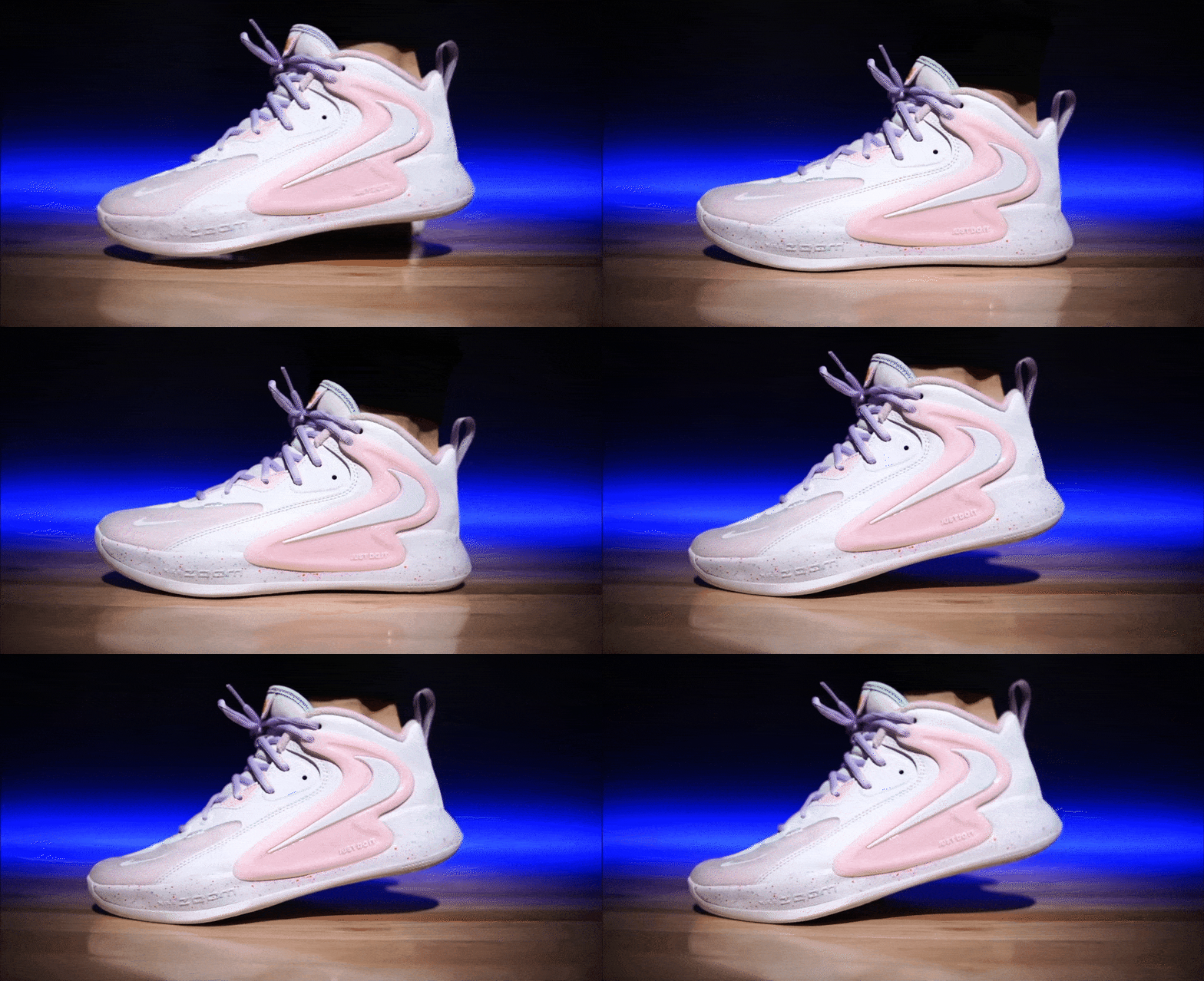
How basketball and volleyball shoes differ
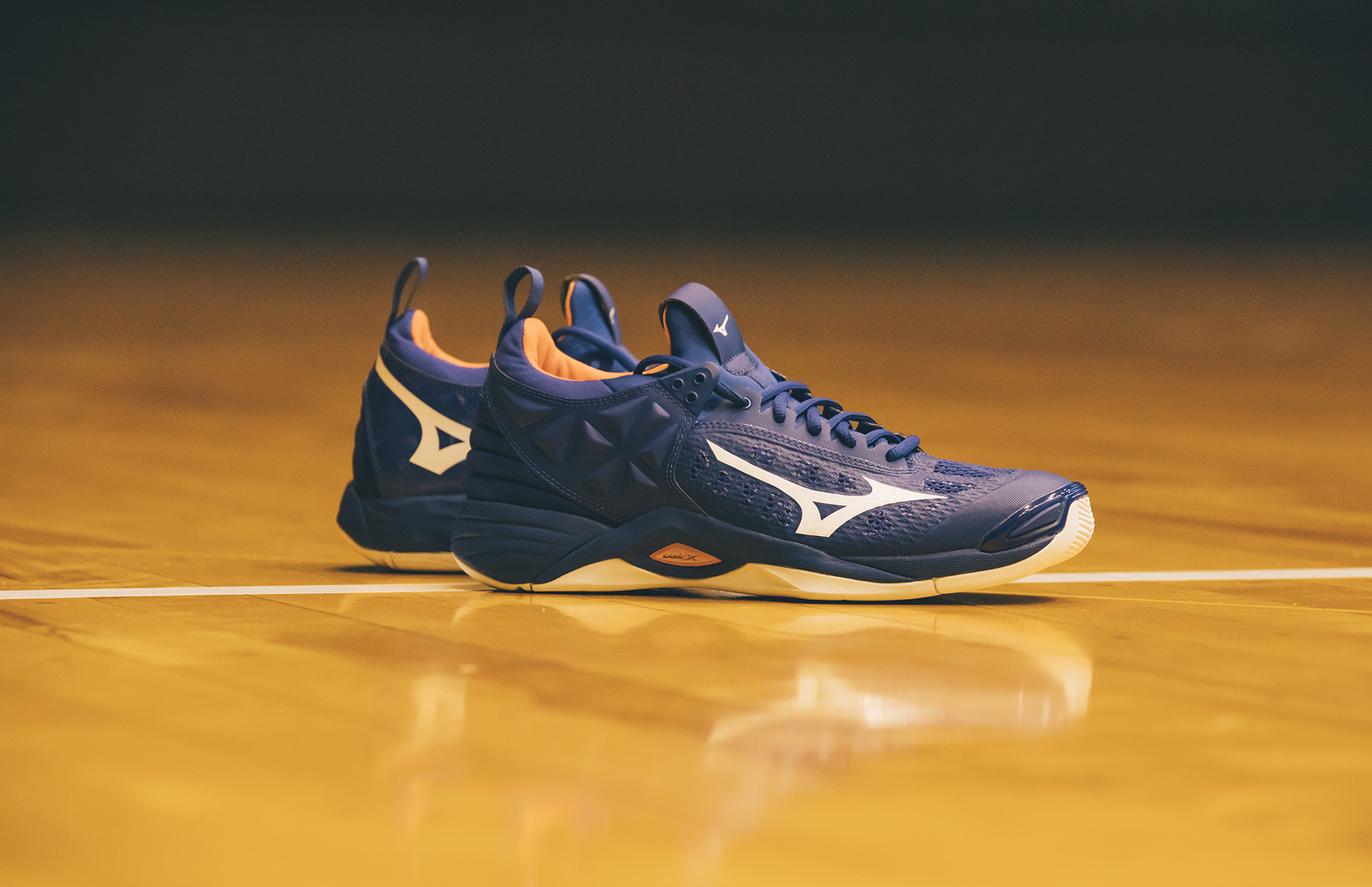
The main difference is how each shoe supports movement. Basketball shoes are made for frequent jumping, sudden cuts, and contact near the basket. Volleyball shoes focus on light movement, repeated jumping, and fast transitions across a smaller court.
Basketball shoe design
Basketball shoes often include:
• Thick cushioning for repeated jumps
• A firm heel counter for stability
• Extra ankle padding
• A wider base for cutting
• Durable rubber outsoles
• Strong support for forward and lateral movement
These features can help volleyball players who need comfort and protection. They may be useful for middle blockers and outside hitters who jump often.
Volleyball shoe design
Volleyball shoes often include:
• A lightweight build
• Flexible rubber soles
• Strong grip on indoor wood or synthetic floors
• Low-to-the-ground cushioning
• A smooth transition from heel to toe
• A gum rubber outsole on many models
The lower profile helps players feel close to the floor. That feeling can make quick defensive moves easier.
A basketball shoe is often like a well-padded truck. It offers protection and strength. A volleyball shoe is more like a light sports car. It turns quickly and feels close to the ground.
Benefits of wearing basketball shoes for volleyball
Basketball shoes can offer several useful benefits on a volleyball court. These benefits explain why many players ask, “are basketball shoes good for volleyball” before buying a new pair.
Strong impact protection
Basketball shoes are built for repeated jumping and hard landings. Good cushioning can reduce the sharp feel of landing after a block or spike.
This does not prevent injury by itself. Your landing form, strength, warm-up, and training load matter too. However, suitable cushioning may improve comfort during long practices.
Reliable lateral support
Volleyball players move side to side many times during a rally. Basketball shoes usually have a supportive upper and a stable platform for these cuts.
This support may help players who feel their feet move inside soft running shoes. Running shoes are made mainly for forward motion, so they are often a poor choice for volleyball.
Helpful ankle structure
High-top or mid-top basketball shoes may feel secure for players who want more ankle coverage. This can be useful if you prefer a locked-in fit.
However, a high collar does not guarantee ankle injury prevention. Research on sports footwear shows that injury risk depends on many factors, including strength, balance, past injuries, and movement skill.
More choices in fit and cushioning
Basketball shoes come in many shapes. You can find wide models, firm models, soft models, and shoes with different levels of ankle coverage.
This variety makes it easier to match a shoe to your foot. A comfortable fit is often more important than the label on the box.

Drawbacks of basketball shoes for volleyball
Basketball shoes are not perfect for every volleyball player. Their limits often become clear during long sessions or fast defensive play.
They may feel too heavy
Some basketball shoes have thick foam, large uppers, and strong support parts. That extra material can make repeated jumps feel tiring.
A few extra ounces may not matter during warm-ups. Over a two-hour practice, however, heavy shoes can make your legs feel less fresh.
They may not grip well on every court
Outsole rubber can perform differently from one model to another. A basketball shoe with excellent traction on a clean basketball court may not grip well on dusty volleyball flooring.
Dust is a major problem. Even a high-quality rubber sole can slide when the court is dirty. Wiping the outsole with a slightly damp cloth can help, but do not soak the shoe.
Some models restrict natural movement
A very stiff shoe can make it harder to bend, push off, or transition quickly. This may affect liberos and defensive players more than players who spend much of the rally near the net.
The shoe should support your foot without feeling like a cast. If you cannot flex your forefoot during an approach, the shoe may be too rigid.
High collars can feel warm
Mid-top and high-top models may trap more heat around the ankle. This is not a safety problem for everyone, but it can reduce comfort during hot practices.
If you prefer a light, free feeling, a low-top basketball shoe may be a better volleyball option.

Which volleyball players may benefit from basketball shoes?
The answer to “are basketball shoes good for volleyball” can change based on your role.
Hitters and blockers
Outside hitters, opposite hitters, and middle blockers jump often. They may appreciate the impact protection and stable base of basketball shoes.
A cushioned basketball model can feel comfortable during repeated approach jumps. Look for a shoe that still allows quick side movement.
Setters
Setters need to move quickly into position and stop under the ball. A basketball shoe with firm cushioning and good court grip can work well.
Avoid a model that feels too bulky. Setters often need quick foot adjustments and a flexible forefoot.
Liberos and defensive specialists
Liberos usually value low weight, flexibility, and fast floor contact. Some basketball shoes may feel too heavy for this role.
A low-top model with a flat, grippy outsole may work. In many cases, a volleyball shoe will provide a more natural feel.
Recreational players
For casual games, basketball shoes can be a sensible choice. You may not need a second pair if your current shoes feel stable, clean, and comfortable.
For competitive play, test the shoe during drills before using it in a tournament.
How to choose basketball shoes for volleyball
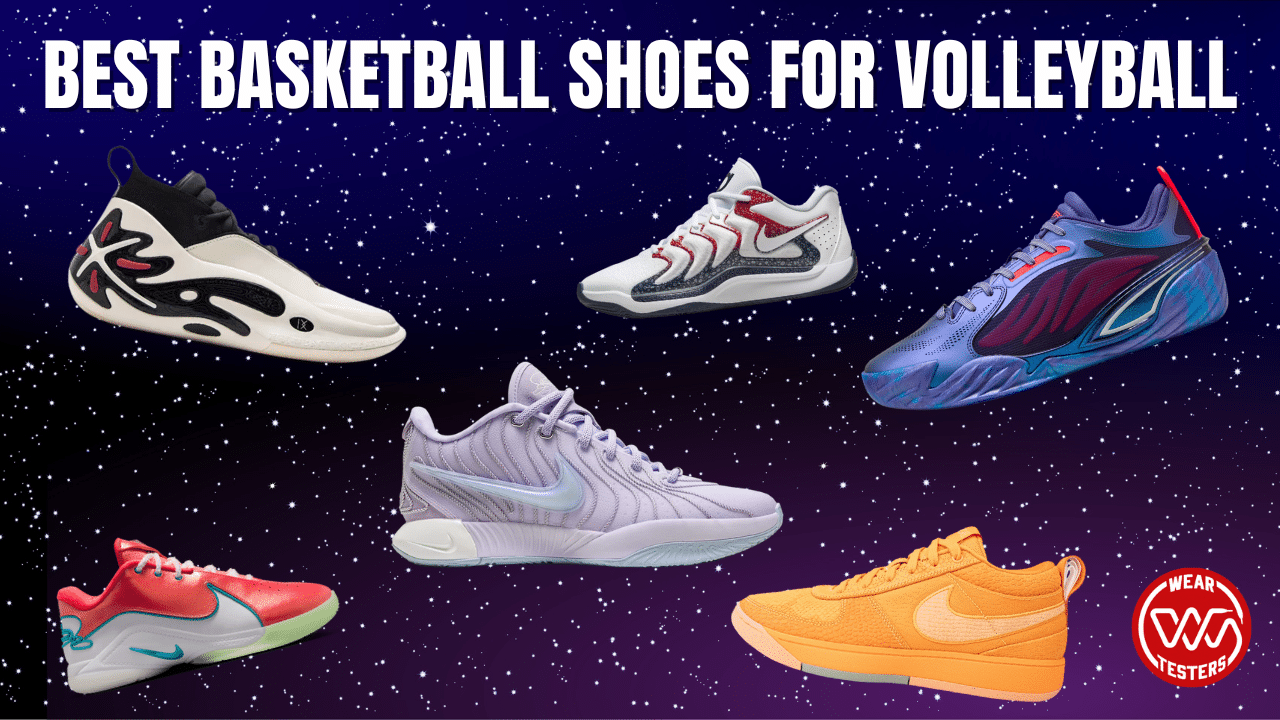
If you decide to use basketball shoes, focus on performance rather than style or athlete branding. The best basketball shoes for volleyball should meet the needs of indoor court movement.
Check the outsole
Choose a rubber outsole designed for indoor use. Look for a clear tread pattern and avoid worn, smooth soles.
Good traction should allow you to:
• Stop during a defensive shuffle
• Push off for an approach
• Turn without sliding
• Land without your foot shifting
Do not judge grip only by touching the rubber with your hand. Test it on the court where you will play.
Look for a stable base
A stable shoe should not wobble when you stand on one foot. The midsole should support your foot during lateral movement.
Press the shoe gently from the side. Some flexibility is useful, but the shoe should not fold too easily through the middle.
Choose the right cushioning
Soft cushioning can improve comfort, but too much softness may reduce court feel. Firm cushioning often gives faster response during quick steps.
If you are a frequent jumper, moderate cushioning may provide the best balance. If you are a defensive player, a lower and firmer setup may feel better.
Get a secure fit
Your heel should stay in place when you walk, stop, and jump. Your toes should have enough room to move without touching the front.
Try shoes late in the day, when feet are slightly larger. Wear the socks you use for volleyball. This simple step can prevent many fit problems.
Consider shoe height
Low-top basketball shoes usually feel lighter and allow more ankle movement. Mid-top models may feel more secure but can weigh more.
Choose the height that matches your comfort and movement style. Do not assume a taller shoe automatically protects the ankle better.
A simple test before using basketball shoes in a match
Before deciding whether basketball shoes are good for volleyball, test them in a real practice. A short walk around a store cannot show how they perform during a fast rally.
Use this five-step test:
-
Walk and jog on the court to check heel movement.
-
Perform side shuffles and sudden stops.
-
Practice three-step approaches and controlled jumps.
-
Try defensive drops and quick recovery steps.
-
Play for at least 30 minutes and check for hot spots or foot pain.
Pay attention to your feet, knees, and ankles. A good shoe should feel secure without causing pressure across the toes or arch.
One common mistake is choosing a shoe because it looks fast or because a famous player wears it. Fit and traction matter more than color, logo, or price. Another mistake is wearing new shoes in a tournament before breaking them in during practice.
If the outsole starts squeaking less, that does not always mean the shoe is failing. Dirt, floor finish, and humidity can change traction. Clean both the floor and outsole when possible.
Basketball shoes versus volleyball shoes: which is better?
Neither shoe is always better. Volleyball shoes usually win for lightness, court feel, and volleyball-specific movement. Basketball shoes may win for cushioning, structure, and jump protection.
Choose volleyball shoes if you:
• Play several times each week
• Move constantly in the back row
• Prefer a light shoe
• Want strong indoor grip
• Need quick foot transitions
Choose basketball shoes if you:
• Already own a well-fitting pair
• Need more cushioning for jumps
• Like a firm and stable platform
• Play both basketball and volleyball
• Feel comfortable during lateral drills
A shoe made for volleyball is not automatically safer. A poorly fitting volleyball shoe can cause more trouble than a well-fitting basketball shoe. The right choice should match your body, position, court, and playing level.

Can basketball shoes prevent volleyball injuries?
Basketball shoes cannot guarantee injury prevention. They may offer useful support, but no shoe can replace good movement habits and physical preparation.
The most important factors include:
• A gradual increase in training time
• Strong calves, hips, and thighs
• Balance and landing control
• A proper warm-up
• Enough rest between hard sessions
• A clean and dry playing surface
Try to land with your knees aligned with your feet. Avoid letting the knees collapse inward. If you have ongoing pain, swelling, or a past ankle injury, consult a qualified medical professional or physical therapist.
Shoes also wear out. Replace them when the tread is smooth, the midsole feels flat, or the upper no longer holds your foot securely. A shoe can look fine while losing its support.
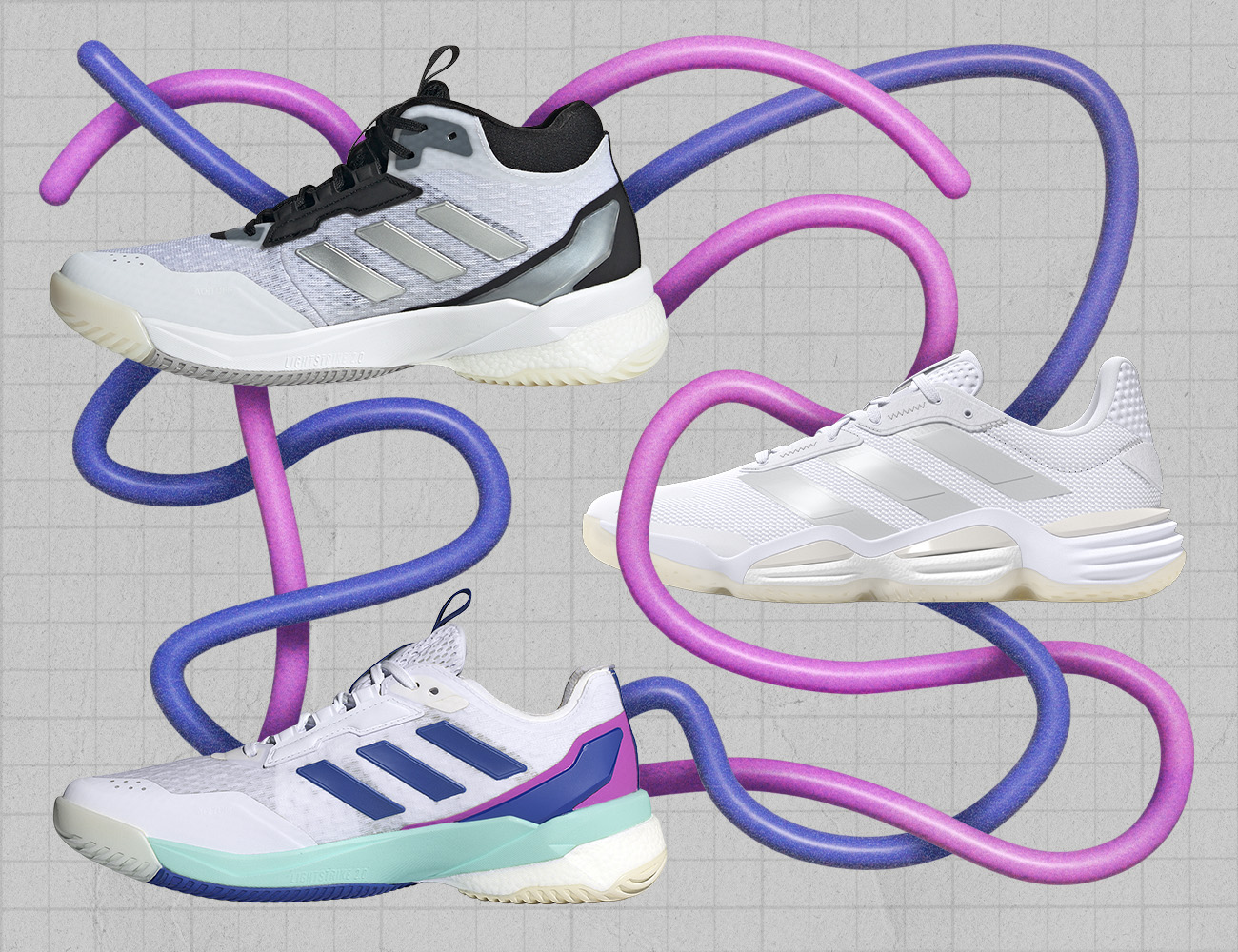
Frequently Asked Questions: Are basketball shoes good for volleyball?
Can you wear basketball shoes for indoor volleyball?
Yes, you can wear basketball shoes for indoor volleyball if they provide good grip, stable support, and a comfortable fit. Test them with shuffles, jumps, and quick stops before using them in a match.
Are basketball shoes better than volleyball shoes?
Basketball shoes are not always better than volleyball shoes. Basketball models often provide more cushioning and support, while volleyball shoes are usually lighter and offer stronger court feel.
Can you wear basketball shoes on a volleyball court?
You can wear basketball shoes on a volleyball court when the outsole is made for indoor use. Avoid shoes with outdoor dirt, worn tread, or soles that leave marks.
Are high-top basketball shoes good for volleyball?
High-top basketball shoes can work for volleyball if they do not limit ankle movement or feel too heavy. They may provide a secure feel, but a taller collar does not guarantee injury prevention.
Are basketball shoes good for volleyball liberos?
Basketball shoes can work for liberos, but the model should be light, flexible, and low to the ground. Many liberos prefer volleyball shoes because they support rapid defensive movement with less weight.
Can basketball shoes cause you to slide in volleyball?
Basketball shoes can slide if the outsole is worn, dirty, or not suited to the court. Clean the sole and test traction during side shuffles before play.
Do basketball shoes help with volleyball jumping?
Basketball shoes can make jumping and landing feel more comfortable because many include impact cushioning. They do not increase jump height by themselves, and jumping skill still comes from strength and technique.
Conclusion
Basketball shoes can be good for volleyball when they offer reliable indoor traction, stable support, suitable cushioning, and a secure fit. They may be especially useful for hitters, blockers, and recreational players who want more impact protection.
Volleyball shoes may be the better choice for players who value low weight, flexibility, and close contact with the floor. Before deciding, test the shoes with real volleyball movements and replace them when the grip or cushioning fades.
Your best shoe is the one that lets you move with confidence and comfort. Try your current pair during a full practice, compare it with a volleyball model, and choose based on performance rather than appearance.
Michael Smith is the Content Strategist behind The Style Hub, where fashion meets function. With a keen eye for trends and a passion for everyday style, he curates content that helps readers make smarter, more stylish choices—from the perfect pair of sneakers to must-have accessories. Michael specializes in breaking down fashion into practical, wearable insights, making style accessible for everyone. When he’s not researching the latest trends, he’s exploring how comfort, innovation, and timeless design come together in modern fashion.