Are Hiking Shoes Good For Walking: Expert Guide
Yes, hiking shoes can be good for walking when their fit, weight, and cushioning match your route.
The answer depends on where you walk, how far you go, and what your feet need. Hiking shoes offer grip, support, and protection that many casual sneakers lack, but they can also feel stiff, warm, or heavy on smooth city streets. After testing hiking footwear on sidewalks, park paths, gravel roads, and rocky trails, I have learned that the best choice is less about the label and more about the shoe’s design and fit.

Are hiking shoes good for walking?
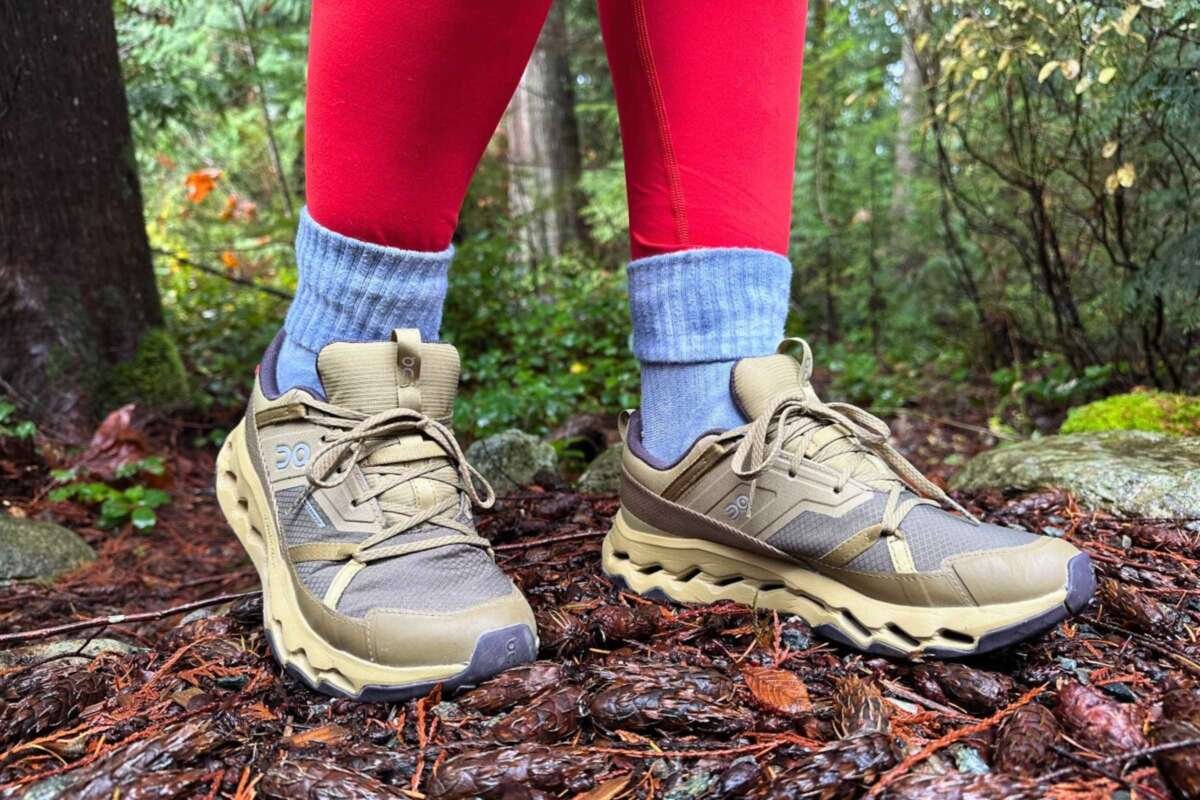
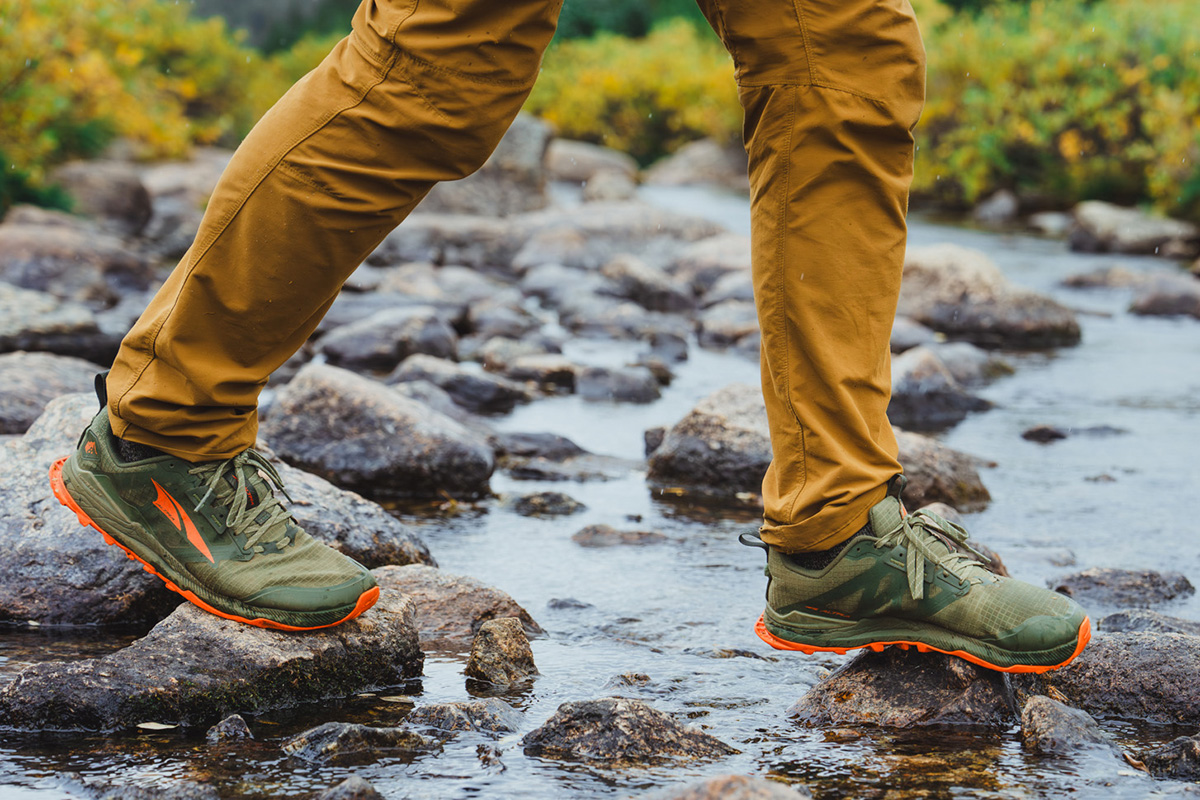
Yes, hiking shoes are good for walking in many situations. They work especially well on uneven paths, gravel, dirt roads, wet grass, and light trails. Their soles often provide better traction than ordinary walking shoes, while their stronger uppers protect your feet from rocks, roots, and rough ground.
For daily errands on flat pavement, hiking shoes may not always be the most comfortable option. Some models have firm midsoles, deep lugs, or stiff heel counters that feel excessive on smooth surfaces. A light trail shoe or walking sneaker may feel softer and more flexible.
Are hiking shoes good for walking long distances? They can be, but only if they fit well and provide enough cushioning. A well-fitted pair should feel secure without squeezing your toes or rubbing your heel.

How hiking shoes differ from walking shoes
Hiking shoes and walking shoes are built for different types of movement. Walking shoes usually focus on comfort, flexibility, and smooth heel-to-toe motion on hard surfaces. Hiking shoes focus more on protection, traction, stability, and resistance to outdoor conditions.
Here are the main differences:
• Traction: Hiking shoes often use rubber outsoles with deep lugs. These help grip dirt, mud, loose gravel, and wet rocks.
• Protection: Many hiking shoes have reinforced toes and stronger side panels. These features help shield your feet from stones and roots.
• Stability: Hiking shoes may have wider bases and firmer midsoles. This can help when the ground is uneven.
• Flexibility: Walking shoes are often softer and easier to bend. Some hiking shoes need a short break-in period.
• Weather resistance: Waterproof hiking shoes can keep feet dry in rain and shallow puddles. However, they may be less breathable.
• Weight: Lightweight hiking shoes can feel similar to trail runners. Traditional hiking shoes may feel heavier during long walks.
Are hiking shoes good for walking on pavement? Light hiking shoes can work well, but heavy models may feel firm and warm. The smoother and harder your route, the more you may value flexibility and soft cushioning.
Benefits of using hiking shoes for walking
Hiking shoes can be a smart choice when your walks include changing surfaces or poor weather. They act like a bridge between a running shoe and a hiking boot. You get more outdoor protection than a sneaker without the weight of a tall boot.
Better grip
The outsole is one of the biggest advantages. Deep rubber lugs can help you stay steady on loose soil, wet leaves, and gravel. This matters if you walk in parks, on wooded paths, or in areas with frequent rain.
Still, grip is not magic. Even the best hiking shoe can slip on smooth ice, polished rock, or oily pavement. Walk slowly and use extra care when conditions are poor.
More foot protection
A reinforced toe can reduce pain when you hit a rock or root. Stronger fabric can also protect the sides of your feet from brush and sharp debris. This is useful for dog walks, nature trails, and outdoor work.
Improved stability
Some hiking shoes have firm midsoles and structured heel areas. These features may help your feet feel more stable on sloped or uneven ground. They can also reduce the need to constantly adjust your step.
Better durability
Hiking shoes often use tough mesh, leather, synthetic panels, and sturdy stitching. They are designed to handle dirt, friction, and repeated outdoor use. With proper care, a quality pair may last longer than a thin casual sneaker.
Weather protection
Water-resistant and waterproof designs can keep your feet dry during light rain. Dry feet are more comfortable and less likely to develop blisters caused by wet socks and skin friction.
The tradeoff is breathability. Waterproof membranes can trap heat, especially during summer walks. If you live in a hot climate, a breathable mesh hiking shoe may be a better choice.

When hiking shoes may not be the best choice
Are hiking shoes good for walking every day? Not always. Their value depends on your route, pace, and personal comfort. A shoe that feels excellent on a forest path may feel awkward during a full day on concrete.
Hiking shoes may not be ideal in these situations:
• You walk only on smooth indoor floors or sidewalks.
• You prefer a soft, flexible shoe with a light feel.
• Your feet become hot or sweaty easily.
• The shoes have deep lugs that feel unstable on flat floors.
• The pair is too stiff for your natural stride.
• You need a wide toe box but the shoe has a narrow shape.
• You have a foot condition that needs custom support.
Heavy hiking shoes can also increase fatigue. Every extra ounce is lifted thousands of times during a long walk. This does not mean heavy shoes are bad, but it does mean you should choose protection only where you need it.
People with plantar fasciitis, arthritis, flat feet, high arches, or recurring pain should be more careful. A shoe’s marketing label cannot replace professional advice. If pain continues, consult a podiatrist or qualified health professional.
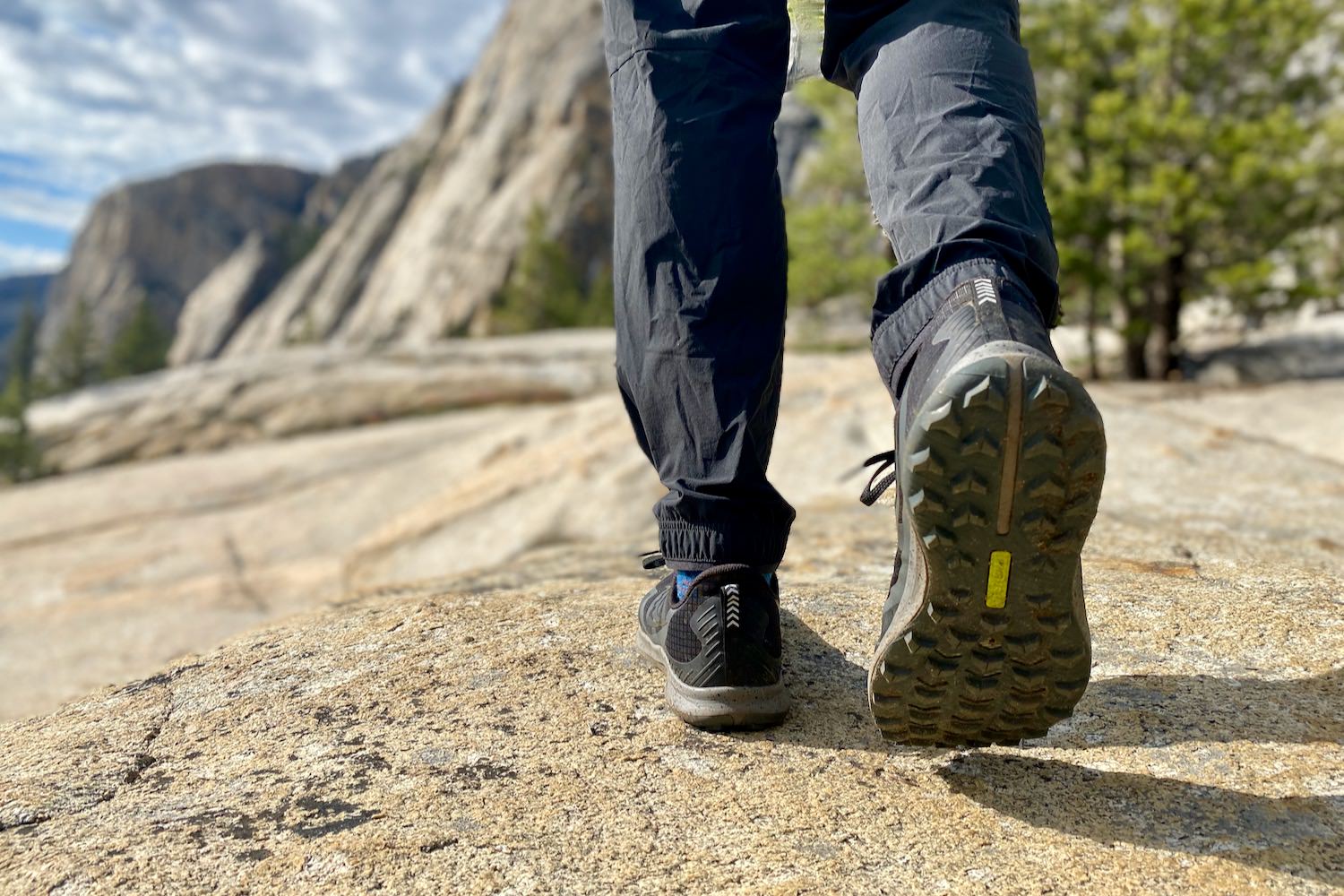
Are hiking shoes good for walking on pavement?
Are hiking shoes good for walking on pavement? Lightweight models can be very good, especially when they have moderate lugs, flexible midsoles, and comfortable cushioning. They can handle sidewalks, roads, and mixed routes with ease.
However, deep trail lugs may feel rough on concrete. They can also wear down faster when used only on hard surfaces. A hiking shoe with a flatter outsole is often a better match for urban walking.
For pavement, look for:
• A flexible forefoot that bends near the toes.
• Moderate cushioning under the heel and ball of the foot.
• A rubber outsole with shallow or medium lugs.
• A breathable upper.
• A secure heel that does not slide.
• Enough room for your toes to spread.
I once made the mistake of wearing a stiff, waterproof hiking shoe for a full day of city sightseeing. My feet stayed dry, but they felt hot and tired by evening. A lighter, breathable pair would have been the better tool for that job.
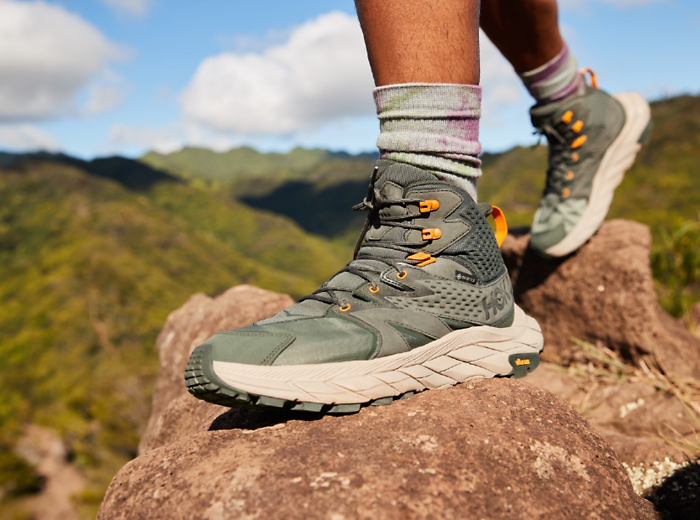
Are hiking shoes good for walking long distances?
Are hiking shoes good for walking long distances? They can be excellent for long walks if the fit, cushioning, and weight work for you. Many walkers prefer them for travel, national park paths, charity walks, and mixed-surface routes.
The most important factor is comfort over time. A shoe may feel great for ten minutes in a store but cause pressure after two hours. Test your shoes on several short walks before using them for a long trip.
Use this simple process:
-
Wear the socks you plan to use on your walks.
-
Walk indoors for 15 to 20 minutes.
-
Check for rubbing near the heel, ankle, and toes.
-
Walk on both flat and uneven ground.
-
Notice whether your toes hit the front when walking downhill.
-
Increase distance slowly over several days.
A good long-distance hiking shoe should hold your heel firmly while allowing your toes to move. Your feet may swell during long walks, so avoid a fit that feels tight at the end of the day.