How Long Do Tennis Shoes Last: Lifespan And Care Tips
Most tennis shoes last about 45 to 60 playing hours, but court wear, fit, and care change that range.
Knowing how long tennis shoes last can save your feet, your game, and your money. A shoe may look clean while its cushioning, grip, or side support is already worn out. This guide explains the real signs of wear, how playing habits affect shoe life, and when replacing tennis shoes becomes the safer choice.
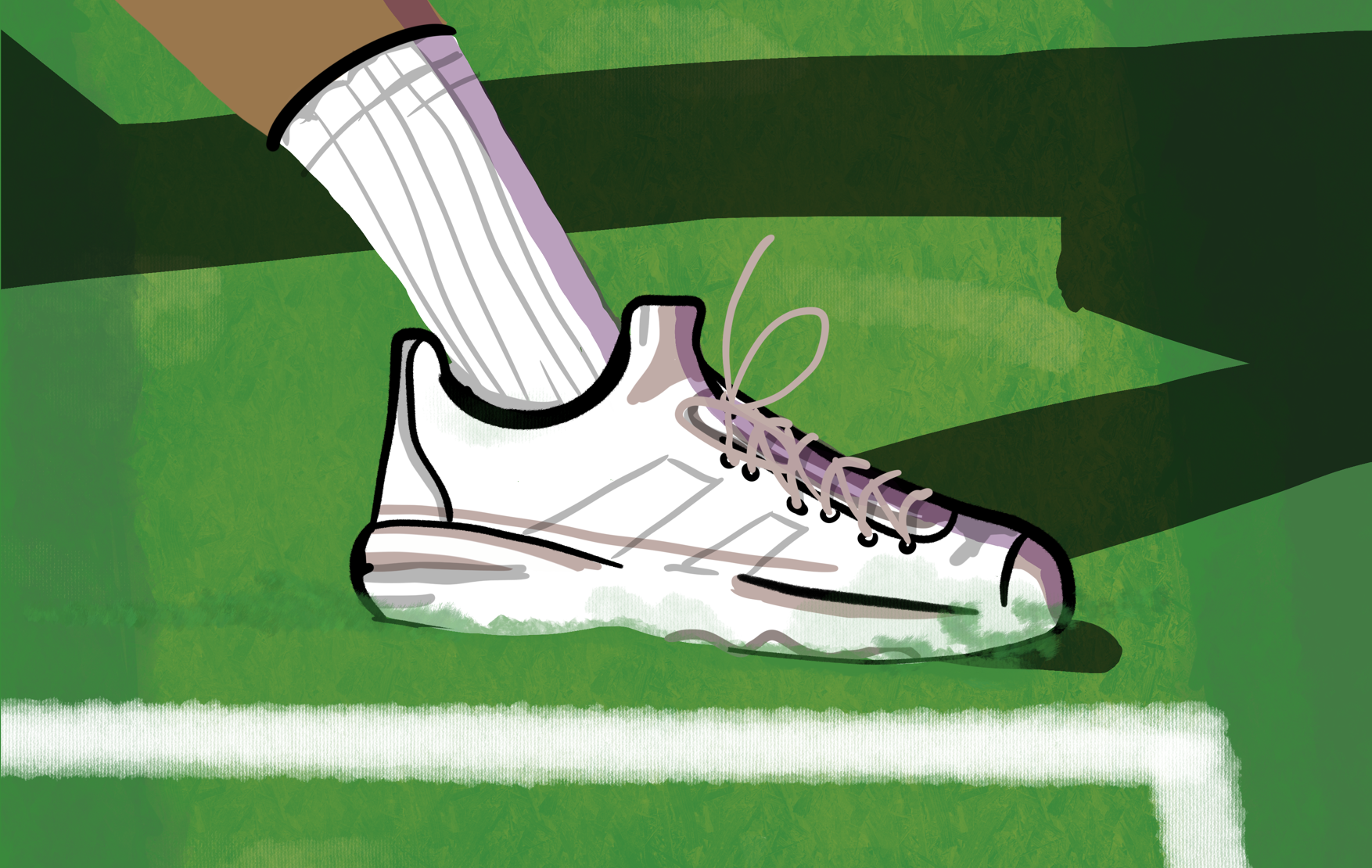
How long do tennis shoes last?
For most players, tennis shoes last between 6 and 12 months. This estimate assumes regular play on a proper tennis court and about 2 to 4 hours of tennis each week.
A more useful measure is playing time. Most tennis shoes last around 45 to 60 hours of active court use. A serious player who practices five days a week may wear out shoes in two or three months. A casual player may use the same pair for a year or more.
Your tennis shoes may last longer or shorter based on:
• Court surface, such as hard court, clay, or grass
• Playing style and movement speed
• Player weight and foot pressure
• Shoe quality and construction
• Fit and foot shape
• Heat, sweat, and storage conditions
• How often the shoes are used away from the court
The key point is simple: calendar age does not tell the whole story. A pair used once a week may be safer than a newer pair used every day.
What affects the lifespan of tennis shoes?
Tennis creates a special type of stress. You do not move only forward, as you often do in running. You stop, slide, pivot, sprint, and move from side to side. These actions place heavy pressure on the outsole, midsole, upper, and toe area.
Court surface
Hard courts are the most demanding on tennis shoes. Their rough surface creates strong friction and can wear down the outsole quickly. If you play mostly on hard courts, your tennis shoes may last closer to 45 hours than 60 hours.
Clay courts can be gentler on some outsoles, but they create other issues. Clay dust can enter the tread and reduce traction. Clay shoes also need a special outsole pattern to support sliding and quick recovery.
Grass courts are usually softer, but they can become slippery when damp. Shoes designed for grass often have small pimples or special studs. Using them on hard courts can destroy the sole.
Playing style
Aggressive movers often wear out tennis shoes faster. A player who slides into wide balls, pushes hard off the outside edge, and makes sudden stops creates more friction than a player who stays near the baseline.
A powerful serve can also add stress. The front foot twists and pushes into the court during the serve motion. Over time, this can wear down one side of the outsole or create uneven pressure in the midsole.
Body weight and movement
Every landing sends force through the shoe. Heavier players may compress the midsole faster, especially if they play often. This does not mean heavier players need poor shoes or must replace them constantly. It means they should check cushioning and support more often.
Foot movement matters, too. A player who rolls inward, rolls outward, or places more pressure on one foot may wear one part of the shoe much sooner than the other.
Shoe quality and materials
A high-quality tennis shoe often has stronger sidewalls, better rubber, and a more stable base. Some models also include an outsole warranty for a set period. However, a warranty does not mean the shoe will feel new for that whole period.
The upper may remain intact while the midsole loses spring. In that case, the shoe can look fine but feel flat and harsh. Tennis shoes last only as long as their weakest important part.

How to tell when tennis shoes are worn out
The best way to judge how long tennis shoes last is to inspect both the shoe and your body. Do not wait for a hole if the shoe has already lost its support.
Look for these signs:
• The outsole tread is smooth in high-wear areas
• The shoe slides during stops or turns
• The rubber has deep cracks or thin spots
• The midsole feels flat or hard
• The heel leans to one side when placed on a flat surface
• The upper stretches and no longer holds your foot
• The toe area bends or twists too easily
• New blisters appear without a change in socks or court conditions
• Your knees, ankles, feet, or lower back feel sore after normal play
• You feel less stable when moving side to side
A small amount of cosmetic wear is not always a problem. Dirt, light creases, or minor scuffs do not mean a shoe has failed. The important question is whether the shoe still gives you grip, comfort, and support.
The twist and press tests
Try a simple twist test. Hold the heel in one hand and the toe in the other. A tennis shoe should flex at the forefoot, but it should not twist like a soft sneaker.
Next, press the midsole with your thumb. If the foam feels hard, uneven, or permanently compressed, the shoe may have lost its cushioning. These tests are not medical or laboratory tests, but they can reveal clear wear at home.
Check the outsole pattern
Look at the sole after every few weeks of regular play. Compare both shoes. If the tread is nearly gone under the ball of the foot, heel, or outside edge, traction may soon become unsafe.
One worn patch can matter more than the overall appearance. Tennis requires quick changes in direction, so a small area of poor grip can affect your balance.
Can worn tennis shoes cause pain or injury?
Worn tennis shoes can increase discomfort and may raise injury risk. They do not cause every tennis injury, and replacing shoes cannot replace good training or medical care. Still, poor grip and weak support can change how your foot, ankle, knee, and hip handle force.
A worn outsole may cause slipping. A collapsed midsole may reduce shock control. A stretched upper may let your foot move inside the shoe. These problems can lead to small changes in movement that build up over many matches.
Common complaints linked with old or unsuitable tennis shoes include:
• Heel pain
• Arch discomfort
• Ankle soreness
• Knee pain
• Blisters
• Achilles tendon irritation
• Calf fatigue
• Pain along the outside of the foot
Research on sports footwear shows that cushioning and mechanical properties change with use. The exact effect differs by shoe, player, and surface. That is why you should treat pain as a warning sign, not as proof that your shoes are the only cause.
If pain continues, becomes sharp, or affects your walking, stop playing and seek advice from a qualified health professional.

Tennis shoe lifespan by player type
There is no single answer to how long do tennis shoes last for every player. Your weekly routine gives a better estimate.
Casual players
If you play once a week for one or two hours, tennis shoes may last 9 to 12 months. They may last longer if stored well and used only on court.
Even casual players should inspect older shoes. Foam can age and harden even when the shoes are not used often.
Regular recreational players
Players who practice two or three times each week may need new tennis shoes every 6 to 9 months. Hard-court players may reach the lower end of that range.