
Are Dr Martens Shoes True To Size: Fit Guide
Most Dr. Martens shoes fit true to size, but their shape, leather, and break-in period can change the feel.
Are Dr. Martens shoes true to size? In most cases, yes, but the best fit depends on the boot or shoe style, your foot shape, and the socks you plan to wear. After comparing classic leather boots, casual shoes, and wider styles, I’ve found that choosing the right size is less about sizing up or down and more about checking length, width, and heel movement.
Are Dr. Martens shoes true to size?
For most adults, Dr. Martens shoes are true to size. Their standard UK and US sizing usually matches the size you wear in other well-made shoes. However, the fit can feel different because Dr. Martens footwear often has a firm sole, structured upper, and roomy toe area.
The brand’s most popular styles, such as the 1460 boot, 1461 shoe, and 2976 Chelsea boot, generally follow standard sizing. Still, one style may feel wider, narrower, or more spacious than another in the same size.
When asking are dr martens shoes true to size, think of the answer as “usually, with a few important details.” A correct fit should feel snug around your foot without squeezing your toes. Your heel may lift slightly at first, but it should not slide up and down with every step.
Keep these points in mind:
• Choose your usual size if your feet have a regular width.
• Consider a half or full size adjustment if your feet are very narrow or wide.
• Leave enough room for your toes to move.
• Try boots with the socks you expect to wear.
• Do not choose a painfully tight size because the leather will soften.
Dr. Martens footwear may loosen in some areas as it breaks in, but it will not become meaningfully longer. This is one of the most important facts to remember before buying.
How Dr. Martens sizing works
Dr. Martens uses UK sizing on many product pages, while US shoppers often see both UK and US conversions. These conversions can vary slightly between men’s, women’s, and unisex styles, so always check the size chart for the exact product.
A US women’s size 8 may not appear the same as a US men’s size 8. In many unisex Dr. Martens styles, the size is based on UK sizing and then converted into US men’s and women’s sizes. Reading the product page carefully can prevent a costly mistake.
The brand’s classic footwear often has a generous fit. This is especially true in the toe box, which gives your toes more space than many slim fashion shoes. That extra room can feel large if you are used to narrow sneakers.
When deciding are dr martens shoes true to size, compare measurements rather than relying only on the number printed inside the shoe. Measure your feet at the end of the day, when they are slightly larger than in the morning.
Use this simple method:
-
Place a sheet of paper on the floor.
-
Stand on it with your heel against a wall.
-
Mark the end of your longest toe.
-
Measure both feet from the wall to the mark.
-
Use the larger foot when checking the brand’s chart.
Feet often differ slightly in length. If one foot is larger, fit the shoe to that foot and use an insole or thicker sock for the other side if needed.
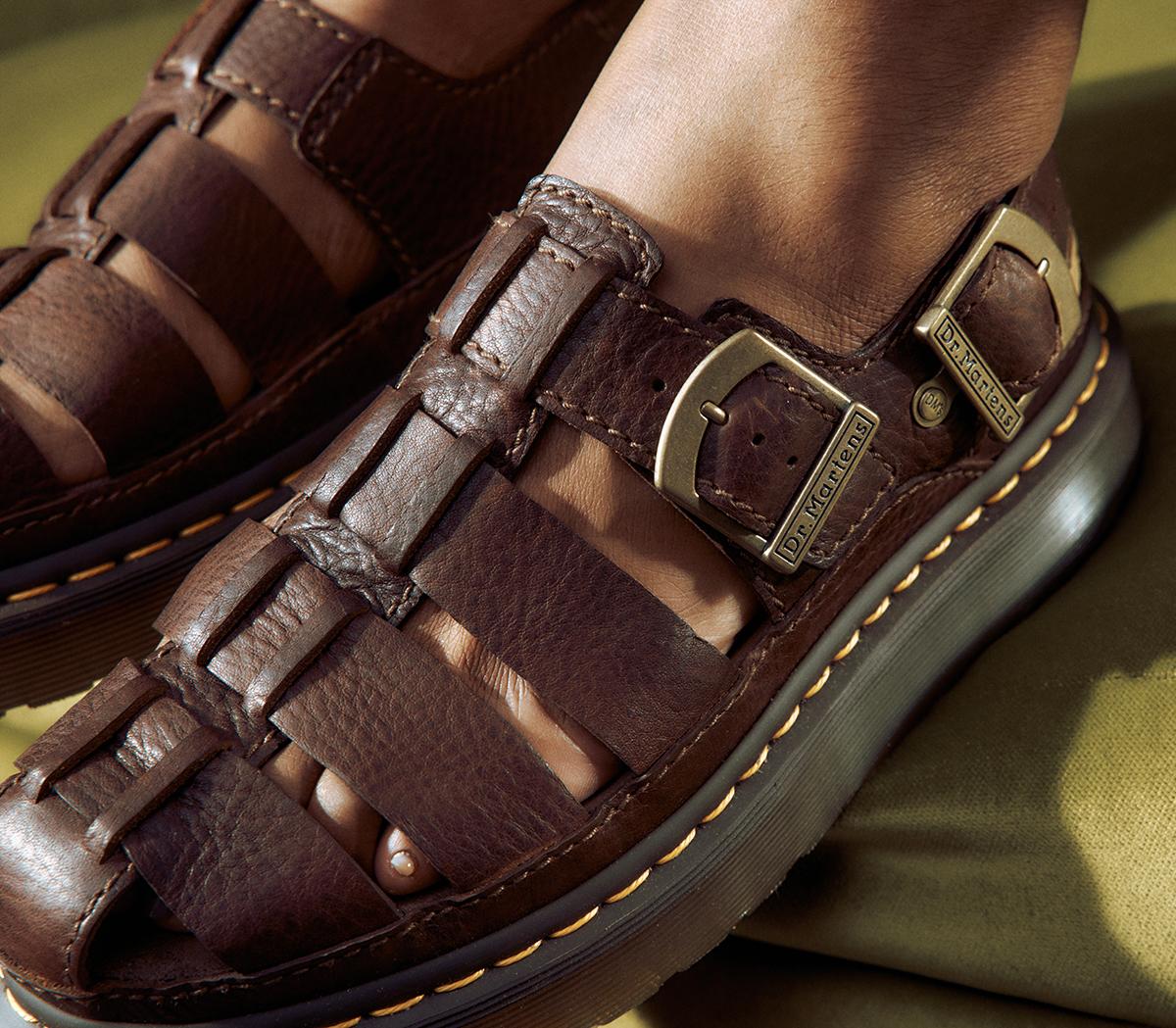
Do Dr. Martens run big or small?
Dr. Martens most often run true to size or slightly roomy. Many people describe the boots as larger than slim dress shoes but similar to standard casual boots. The roomy shape is intentional and helps accommodate thicker socks.
Some shoppers think Dr. Martens run big because their feet move inside a stiff new boot. That movement does not always mean the shoe is too large. New leather can feel rigid, and the sole may make each step feel less flexible.
A boot is probably too big if:
• Your heel lifts more than about a quarter inch with normal walking.
• Your foot slides forward when going downhill.
• Your toes grip the sole to keep the boot in place.
• You need several thick socks just to walk comfortably.
A boot may be too small if:
• Your longest toe touches the front.
• Your toes feel curled or pressed together.
• The sides pinch even when you wear thin socks.
• Your foot goes numb after a short walk.
The answer to are dr martens shoes true to size also depends on the material. Smooth leather can feel stiff at first. Soft leather styles often feel more comfortable right away. Vegan materials may soften differently and can feel less flexible during the first few wears.

How should Dr. Martens fit?
A properly fitted pair should feel secure across the instep and around the heel. Your toes should have space to spread, but your foot should not swim inside the shoe. Think of the fit like a firm handshake: supportive, but not painful.
For boots, check three areas:
Toe room
Your toes should not touch the front of the boot. Aim for about a thumb’s width between your longest toe and the end of the footwear. Some people need less space, especially if they prefer a close fit, but no toe should be pressed against the front.
Heel movement
A small amount of heel lift is normal in a new Dr. Martens boot. The sole is stiff, so your foot may not move naturally with it at first. As the boot softens and your stride adjusts, the heel should feel more stable.
Width and instep
The sides should feel snug but not painful. Leather can relax across the width, but it will not fix a narrow toe box or a serious pressure point. If the upper cuts into your foot, the shoe is likely the wrong shape or size.
When considering are dr martens shoes true to size, remember that fit is not the same as comfort on day one. A new pair may feel firm, but it should never cause sharp pain, numbness, blisters that worsen, or pressure on your toes.
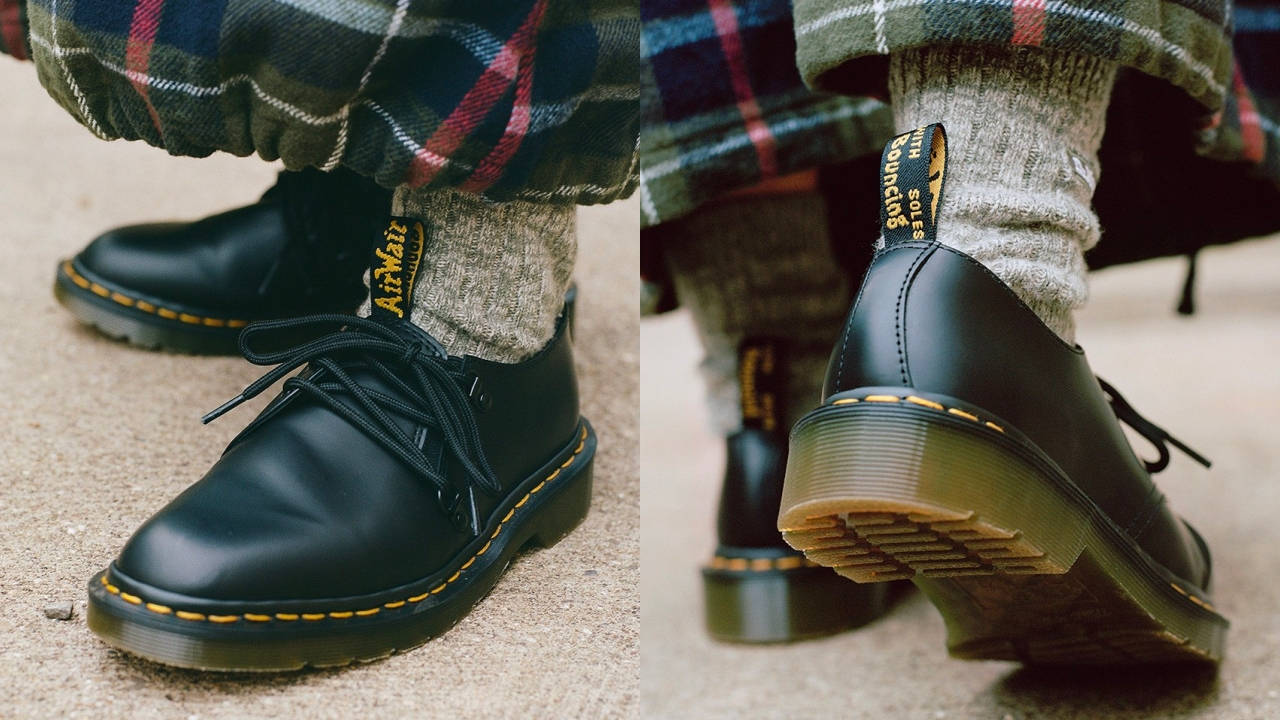
Do Dr. Martens stretch after wearing?
Dr. Martens leather can soften and expand slightly with wear, especially across the width and around the ankle. It does not usually stretch much in length. A pair that is too short will remain too short.
This is why buying a tight pair and hoping it will stretch is risky. A little firmness is normal. Painful pressure is not.
To help a new pair feel more comfortable:
• Wear them indoors for short periods.
• Use thick socks during the first few wears.
• Apply a suitable leather conditioner to smooth leather.
• Use heel grips if the back rubs.
• Add an insole if the shoe feels slightly loose.
• Avoid wearing new boots all day on the first outing.
In my experience helping people assess stiff leather footwear, the most common mistake is confusing break-in discomfort with a correct fit. A boot can need time to soften, but it should still have good length and reasonable width from the start.
Do not soak leather boots or use extreme heat to stretch them. Water and heat can damage the material, weaken adhesives, or change the shape of the footwear.
Dr. Martens sizing by popular style
Different Dr. Martens designs can fit in different ways. Knowing the style can make the answer to are dr martens shoes true to size much clearer.
1460 boots
The 1460 is the classic eight-eye boot. It usually feels roomy through the toe box and firm around the ankle. Most people can choose their regular size, but narrow-footed shoppers may prefer an insole or a thicker sock.
1461 shoes
The 1461 is a low-cut lace-up shoe. It often feels more structured than a sneaker and may seem snug across the top of the foot. Choose your regular size unless your toes touch the front or the width feels restrictive.
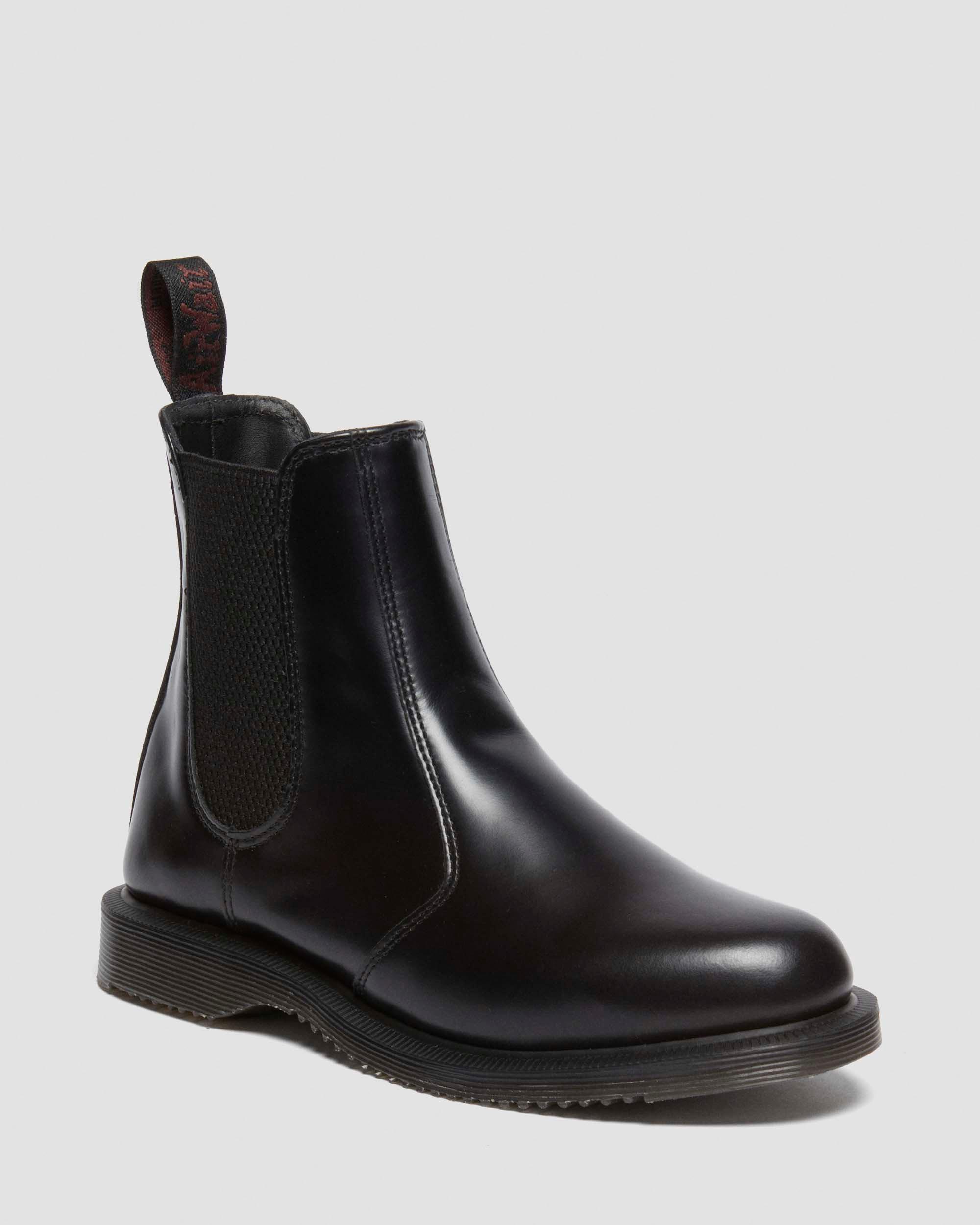
2976 Chelsea boots
The 2976 has elastic panels instead of laces. It should feel secure around the ankle because you cannot adjust the fit much. If the heel slips heavily or the foot moves forward, the size or shape may not suit you.
Jadon boots
Jadon boots have a platform sole and often feel heavier than the classic 1460. They usually run close to standard size, but the thicker sole can make the shoe feel less flexible at first.
Mary Jane shoes
Mary Jane styles may feel more secure because of the strap. Check the toe box carefully, since the strap can create pressure if the shoe is too short or narrow.
Chelsea and slip-on styles
Slip-on footwear should fit more closely than a lace-up boot. You need enough room for your toes, but not so much space that the shoe falls off while walking.

Should you size up or down in Dr. Martens?
Most people should start with their regular size. Sizing up is usually better than sizing down only when you are between sizes, have wide feet, or plan to wear thick socks. However, a larger size may increase heel slip.
If you have narrow feet, sizing down may seem tempting, but it can create toe pressure. An insole often solves extra volume better than choosing a shorter shoe. For wide feet, look for a roomier model rather than forcing a narrow style to fit.
Use this guide:
• Regular-width feet: Start with your usual size.
• Narrow feet: Try your usual size with an insole, or consider a smaller size only if the length remains safe.
• Wide feet: Stay with your usual length and select a roomier shape.
• Half sizes: Check the product’s sizing advice, since some Dr. Martens styles use whole sizes only.
• Thick socks: Consider extra room, but check heel stability.
The question are dr martens shoes true to size cannot be answered by a single rule for every foot. A size that works for one person may fail for another because foot width, arch height, and instep size all affect comfort.
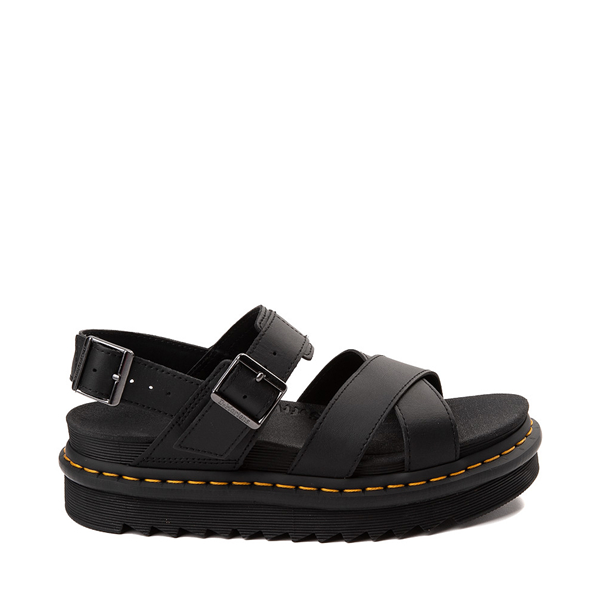
How to break in Dr. Martens safely
The classic break-in period can take several weeks. The exact time depends on the leather, the style, how often you wear the boots, and the shape of your feet.
Start with short walks around your home. Wear clean, thick socks to reduce rubbing. If one area feels sore, stop and let your skin recover instead of pushing through the pain.
A safe break-in plan looks like this:
-
Wear the shoes for 20 to 30 minutes indoors.
-
Check for red spots or pressure after removing them.
-
Increase wear time slowly over several days.
-
Use blister pads on areas that rub.
-
Alternate the boots with comfortable shoes.
-
Condition suitable leather when it begins to feel dry.
Do not expect the boots to become comfortable if the length is wrong. Break-in can soften the upper, but it cannot create extra toe space. This practical distinction helps answer are dr martens shoes true to size without relying on guesswork.
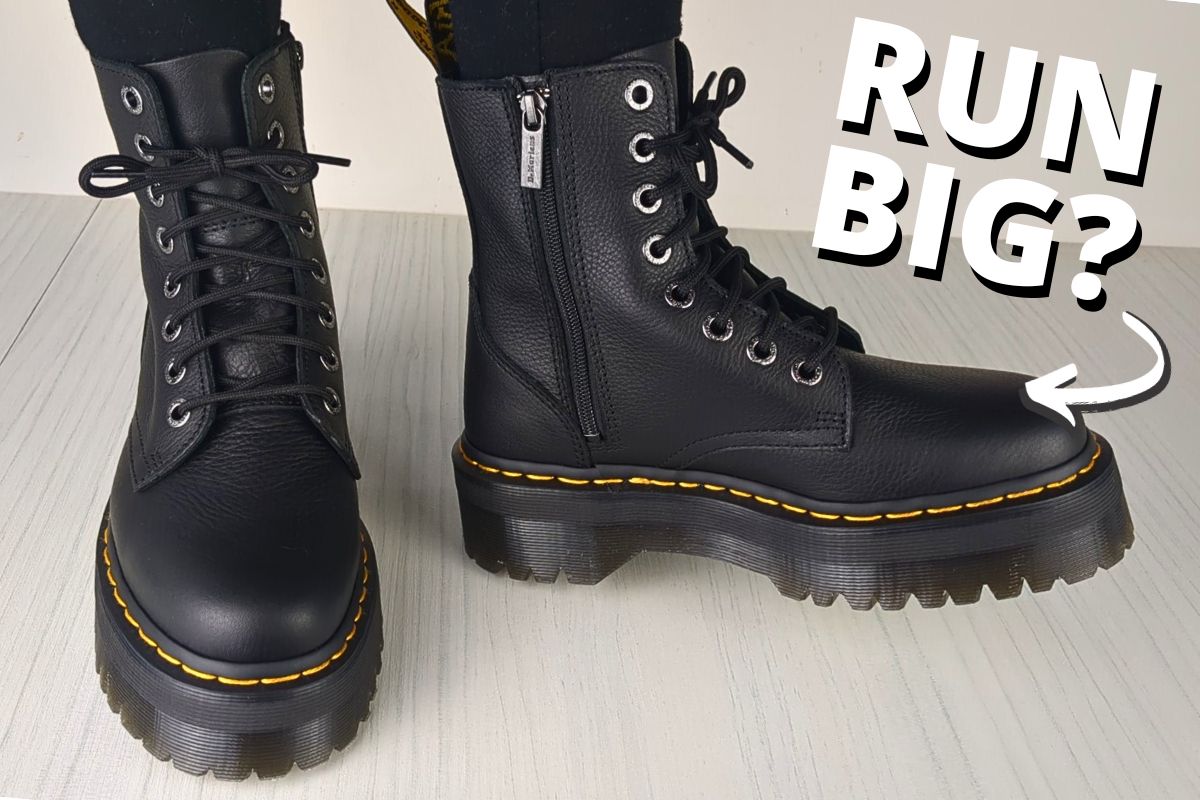
Common Dr. Martens fit problems and solutions
Heel slipping
A little heel movement is normal in a new boot. If the movement is excessive, try thicker socks, a heel grip, or an insole. If your foot still slides, the boot may be too large or too wide for you.
Tight toes
Tight toes usually signal a size or shape problem. Do not rely on leather stretching if your toes touch the front. Try a wider style or a larger size while keeping heel movement under control.
Rubbing at the ankle
The stiff collar can rub during the first few wears. Taller socks, blister patches, and short wear sessions can help. The collar should soften over time, but severe rubbing suggests the boot may not suit your ankle shape.
Loose instep
A loose instep can make the whole boot feel unstable. Lace the lower eyelets firmly, use a supportive insole, or try a different style with a higher-volume fit.
Foot fatigue
The thick sole may feel heavy to people who usually wear lightweight sneakers. Build wear time slowly and make sure the shoe is not too loose. An insole can improve support for some feet, though it may reduce interior space.
How to buy Dr. Martens online
Buying online is convenient, but you need a careful fit check. Read the product description, confirm the size system, and review the return policy before ordering.
When deciding are dr martens shoes true to size online, use these steps:
• Measure both feet.
• Compare your measurement with the official size chart.
• Check whether the style is men’s, women’s, or unisex.
• Read recent reviews for width and heel comments.
• Consider the socks you will wear.
• Keep the shoes indoors until you decide to keep them.
Do not judge the fit from a single review. One buyer may have a narrow foot, while another may have a high instep. Look for patterns across many reviews, such as repeated comments about a roomy toe box or firm heel.
If possible, order from a retailer with simple returns. Try both shoes on a clean indoor floor, walk up and down, and check your toes, heel, and instep before removing the tags.
Frequently Asked Questions About Are Dr. Martens Shoes True to Size
Are Dr. Martens shoes true to size for most people?
Yes, most Dr. Martens shoes fit true to size or slightly roomy. Your usual size is a sensible starting point, but always check the specific style and size chart.
Should I size up or down in Dr. Martens?
Start with your regular size. Size up only when you are between sizes, need extra width, or plan to wear thick socks, and then check that heel slip remains manageable.
Do Dr. Martens stretch over time?
They can soften and stretch slightly across the width, especially when made from leather. They will not stretch enough to correct a boot that is too short.
Why do my new Dr. Martens feel so stiff?
Many Dr. Martens styles use firm leather and thick soles that need time to soften. Short wear sessions, thick socks, and gradual break-in can improve comfort.
Should my heel slip in new Dr. Martens?
A small amount of heel lift can be normal during the break-in period. Strong slipping, foot sliding, or repeated blisters usually means you need a different size, insole, or style.
Are Dr. Martens good for wide feet?
Many classic styles offer useful toe room, but width varies by model and material. People with wide feet should focus on the toe box and avoid sizing down to solve heel movement.
Are Dr. Martens comfortable right away?
Some soft leather styles feel comfortable quickly, while classic smooth leather models may take longer. They should feel firm at first, but they should not cause sharp pain or numbness.
Conclusion
So, are dr martens shoes true to size? Usually, yes. Your regular size is the best starting point, but the final choice depends on the style, leather, foot width, socks, and amount of heel movement.
Choose length first, then assess width and volume. A little stiffness is normal, but painful pressure is a warning sign. Measure your feet, use the brand’s chart, try the boots indoors, and give them a gradual break-in period.
With the right fit, Dr. Martens can become reliable everyday footwear for years. Check the exact style before ordering, and share your own fit experience in the comments.

Michael Smith is the Content Strategist behind The Style Hub, where fashion meets function. With a keen eye for trends and a passion for everyday style, he curates content that helps readers make smarter, more stylish choices—from the perfect pair of sneakers to must-have accessories. Michael specializes in breaking down fashion into practical, wearable insights, making style accessible for everyone. When he’s not researching the latest trends, he’s exploring how comfort, innovation, and timeless design come together in modern fashion.