
Do Dogs Need Shoes For Snow: A Winter Paw Guide
Most dogs do not need shoes for snow, but paw protection helps in deep cold, ice, salt, or rough winter trails.
Knowing whether do dogs need shoes for snow depends on the weather, your dog’s paws, and how long they stay outside. After watching dogs struggle with cracked pads, ice balls, and road salt, I’ve learned that the right choice is not about fashion. It is about comfort, safety, and careful observation.
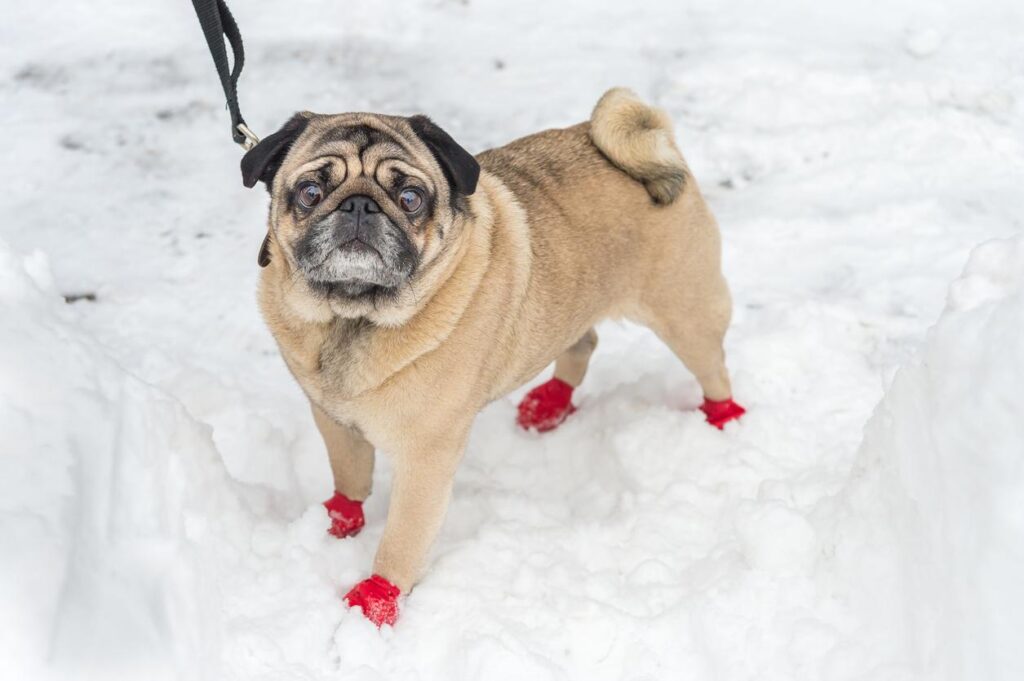
Do dogs need shoes for snow?
Most healthy dogs can walk briefly on fresh, soft snow without shoes. Their paw pads are tough, and their fur can offer some natural protection. Still, cold snow is only one part of a winter walk.
Ice, salt, deicers, and frozen ground can hurt a dog’s feet. Long walks also raise the risk of frostbite and painful cracks. So, do dogs need shoes for snow? Some do, especially when the weather is severe or their paws are sensitive.
Dog boots may be useful when:
- The temperature is very low.
- Snow packs between the toes.
- Trails have sharp ice.
- Roads or sidewalks contain salt.
- Your dog has thin fur or sensitive paw pads.
- Your dog has a paw injury or skin condition.
- You plan a long hike or outdoor activity.
A short walk around the block may not require boots. A two-hour hike across frozen ground may.

How snow and ice can hurt a dog’s paws
Snow can melt from body heat and then refreeze between the toes. This creates hard ice balls that pull on the skin with every step. Dogs with long hair between their paw pads often face this problem.
Ice may also cut the paw pads. A small cut can become worse when exposed to cold water, salt, dirt, or bacteria. Your dog may hide the pain at first, so regular checks matter.
Road salt and ice-melt products create another risk. They can dry the pads and cause stinging. If a dog licks salt from the paws, it may also lead to stomach upset. Large amounts of some deicers can be toxic.
Frostbite is a serious concern in very cold weather. It often affects the paws, ear tips, and tail. Pale, gray, blue, hard, or swollen skin needs prompt veterinary care.
This is why the question “do dogs need shoes for snow” has no single answer. The surface under the snow matters as much as the snow itself.

Signs your dog may need winter boots
Your dog may show clear signs that bare paws are not working well in winter. Watch your dog during and after each walk.
Look for:
- Lifting one paw at a time.
- Limping or walking stiffly.
- Stopping often.
- Refusing to walk.
- Shaking the paws.
- Licking or chewing the feet.
- Redness between the toes.
- Cracked or bleeding paw pads.
- Ice clumps stuck in the fur.
- Whining or sudden discomfort.
Some dogs simply dislike cold surfaces. Others have real paw pain. Either way, do not force a dog to continue. Move indoors, warm the paws slowly, and check the skin.
One mistake I often see is waiting for a dog to cry before taking action. Dogs can be quiet about pain. A change in pace or posture may be the first warning.

Which dogs benefit most from snow shoes?
Boots can help many dogs, but certain dogs benefit more than others.
Small and short-haired dogs
Small dogs lose body heat faster because they have less body mass. Short-haired breeds may also have little fur around the feet. They may need shorter walks, warm clothing, or boots in harsh weather.
Senior dogs
Older dogs may have poor circulation, arthritis, or balance problems. Cold surfaces can increase stiffness. Boots with good traction may help, but they must fit comfortably and should not make walking harder.
Dogs with sensitive paws
Some dogs have allergies, thin pads, or a history of paw injuries. A protective boot can reduce contact with salt, ice, and rough ground. Ask your veterinarian before using boots over an active wound.
Working and sporting dogs
Hiking, sledding, hunting, and search-and-rescue dogs may spend hours outdoors. Their paws face more stress than those of a dog taking a short city walk. Boots can reduce injury during long winter work.
Dogs with heavy paw fur
Long fur can trap snow and form painful clumps. Trimming the fur carefully around the pads may help. Boots can offer extra protection, but they are not a replacement for grooming.
Benefits and limits of dog shoes for snow
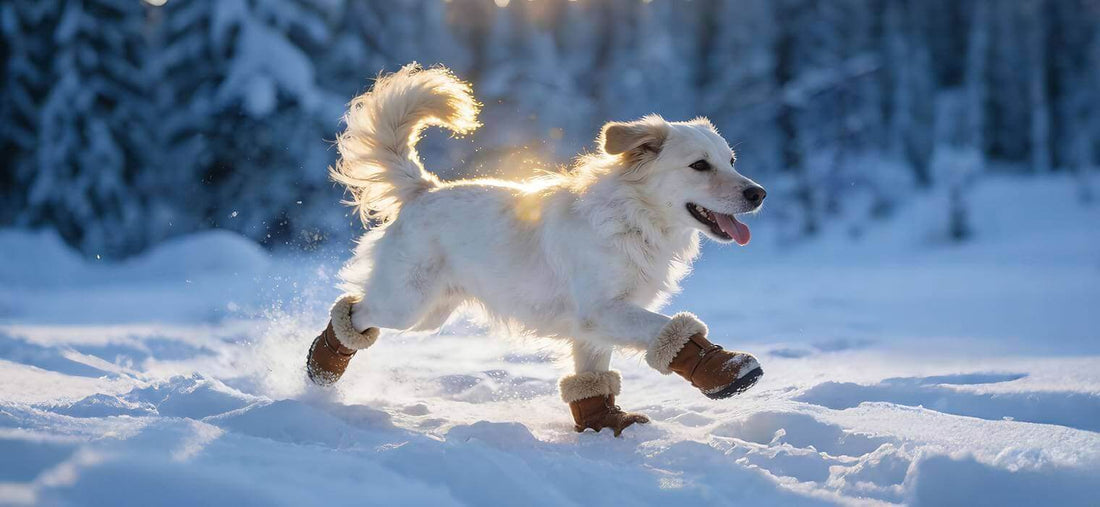
The main benefit of boots is a barrier between the paw and the ground. They can block salt, sharp ice, and packed snow. Many also provide traction on slippery surfaces.
Dog shoes for snow may help prevent:
- Paw-pad cracks.
- Ice balls between the toes.
- Contact with salt and chemicals.
- Cuts from sharp ice.
- Loss of body heat through the feet.
- Slips on packed snow.
However, boots are not perfect. Poorly fitted boots can rub the skin, fall off, or change a dog’s natural gait. A wet boot can also become cold inside. This may increase discomfort instead of reducing it.
Boots do not make every winter walk safe. Your dog can still become cold, tired, or frostbitten. Use them as one part of a winter safety plan.

How to choose the best dog boots for snow
The right boots should protect the paws without limiting normal movement. Look for a design made for cold, wet conditions.
Important features include:
- A waterproof or water-resistant outer layer.
- A flexible sole.
- Deep tread for grip.
- Soft lining that does not rub.
- A secure strap above the paw.
- Reflective details for dark walks.
- A size that matches your dog’s paw length and width.
Measure the paw while your dog is standing. The paw spreads under body weight, so measuring while it is lifted can lead to a boot that is too small.
Always follow the brand’s size chart. Sizes vary between makers. If your dog is between sizes, check the return policy and test the fit indoors.
Avoid boots that are very stiff, heavy, or loose. A boot should stay on without squeezing the leg. You should be able to slide a finger under the strap, but the boot should not spin around the paw.
How to put snow boots on a dog
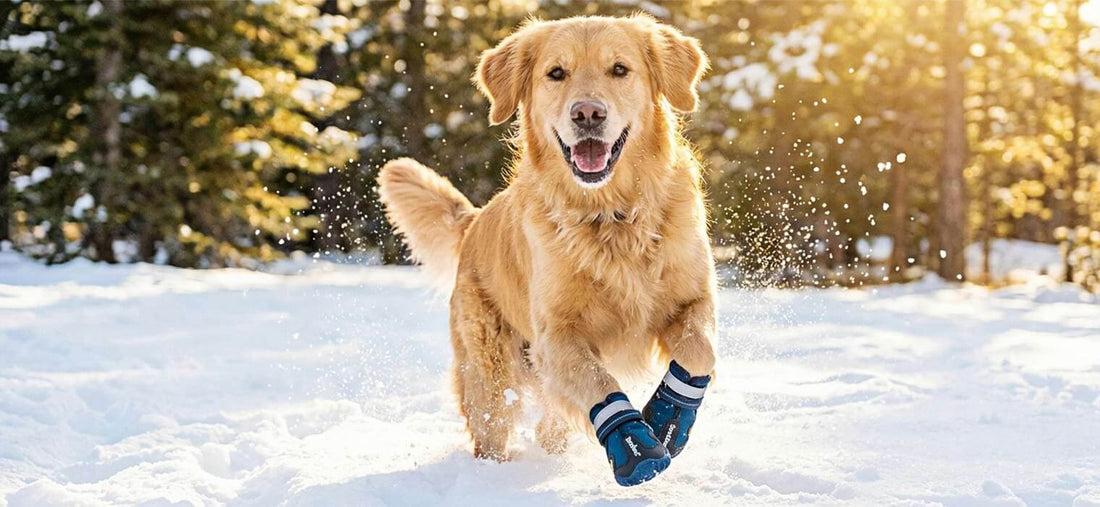
Many dogs dislike boots at first. The sensation feels strange, much like wearing a new pair of shoes. A slow introduction works better than forcing the boots onto all four feet at once.
Use these steps:
- Let your dog sniff the boots.
- Touch each paw with a boot.
- Reward calm behavior with a small treat.
- Put one boot on for a few seconds.
- Remove it and offer praise.
- Repeat with the other paws.
- Increase indoor wear time slowly.
- Take a short outdoor walk when your dog moves normally.
Watch the gait. A dog may lift the legs high or walk like a stiff-legged horse. This is common during the first few minutes, but the dog should adjust with practice.
Do not leave boots on for hours without checking the paws. Remove them after the walk. Dry the feet and look for red marks, damp fur, or rubbed skin.
A common mistake is tightening the straps too much because the boots keep slipping. Slipping often means the boot shape or size is wrong. More pressure can reduce circulation and cause harm.

Alternatives to dog shoes for snow
Boots are useful, but they are not the only way to protect paws. Some dogs never accept them, and that is okay.
You can also try:
- A paw balm made for dogs.
- Shorter walks during extreme cold.
- A cleared path with less ice.
- A warm towel to remove snow after walks.
- Trimming excess fur between the paw pads.
- A dog coat for better body warmth.
- Indoor exercise when conditions are unsafe.
- Washing and drying paws after contact with salt.
Paw balm can reduce dryness and cracking, but it does not provide the same barrier as a boot. It also does not prevent frostbite during long exposure.
Never use human lotion, antifreeze, or a random ice-melt product on your dog. Some ingredients may irritate the skin or cause illness when licked. Use products labeled for pets and follow the directions.
How cold is too cold for dogs?
There is no single temperature that is safe for every dog. Breed, coat, age, body size, health, wind, moisture, and activity all matter.
A healthy, thick-coated dog may enjoy cold weather. A tiny, short-haired dog may become uncomfortable much sooner. Wet fur and strong wind can make mild weather feel dangerous.
Use extra caution when:
- The temperature is below freezing.
- Wind chills are severe.
- The ground is icy or wet.
- Your dog is very young or old.
- Your dog has heart, joint, or circulation problems.
- Your dog is shivering or acting tired.
- The walk will last more than a few minutes.
Shivering, weakness, confusion, pale skin, or slow movement can signal hypothermia. Bring your dog inside and contact a veterinarian if symptoms are severe or do not improve.
When asking do dogs need shoes for snow, remember that boots protect the feet, not the whole body. A warm coat, a shorter route, and close supervision may be just as important.
Winter paw care after every walk
A simple post-walk routine can prevent many problems. Check each paw before your dog settles down.
Rinse the paws with lukewarm water if your dog walked on salted roads. Wipe between the toes and around the pads. Dry well, especially if your dog has thick fur.
Look for:
- Cuts or bleeding.
- Red, swollen skin.
- Cracks in the pads.
- Ice or salt trapped between toes.
- A strong odor.
- A boot rub or pressure mark.
Do not pull frozen ice from the paw. Warm the area gently with your hands or a lukewarm cloth. Avoid hot water, heating pads, and hair dryers set to high heat.
If a cut is deep, bleeding, swollen, or painful, call your veterinarian. Persistent licking may point to an injury, allergy, or infection rather than simple winter dryness.