How Should Ballet Shoes Fit: Find Your Perfect Fit
Ballet shoes should fit snugly like a second skin, with no pain, pinching, or extra fabric at the toes.
Knowing how should ballet shoes fit can make every class safer and more comfortable. A well-fitted shoe supports clear footwork, helps you feel the floor, and allows your toes to spread naturally. A shoe that is too loose can slide, while one that is too tight can restrict movement and create pressure points. This guide explains the signs of a proper fit, common mistakes, sizing tips, and when to replace your shoes.
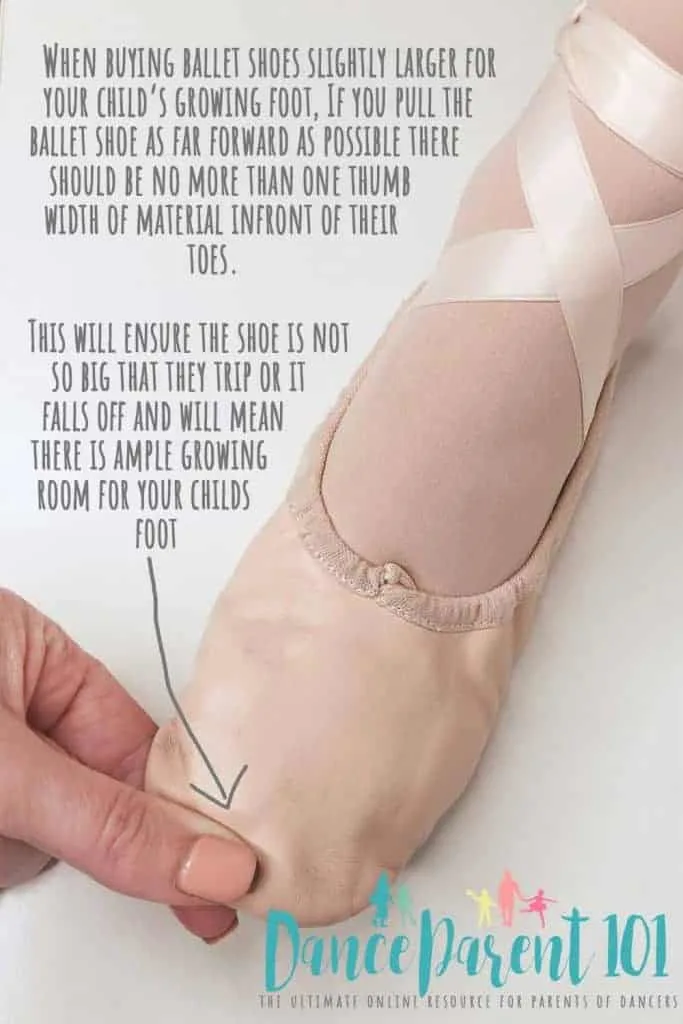
How Should Ballet Shoes Fit?
Ballet shoes should fit close to the foot without squeezing it. The fabric or leather should follow the shape of your foot, much like a thin glove. Your toes should lie flat, and the shoe should not have large folds across the arch or extra space at the heel.
The best fit may feel snug at first, but it should never hurt. Ballet shoes are not meant to fit like roomy sneakers. They should move with your foot and stay in place during tendus, jumps, turns, and rises to demi-pointe.
A properly fitted ballet shoe should meet these basic checks:
• Your toes can move slightly without curling.
• Your heel stays inside the shoe during movement.
• The sole sits under the main pressure points of your foot.
• The shoe does not pinch the sides of your toes.
• The upper does not sag or bunch.
• You can fully point your foot without strong pressure.
When dancers ask, “How should ballet shoes fit?” the simplest answer is this: snug, smooth, secure, and pain-free.

Signs of a Proper Ballet Shoe Fit
The fit should be checked while standing, pointing, and moving. Feet change shape when they carry weight, so checking shoes only while sitting can give a false result.
Check the length
Your toes should reach near the front of the shoe without being crushed. You do not need a thumb-width gap, as you might with a street shoe. Too much space makes the shoe slide and can weaken your balance.
Your longest toe should have enough room to lie straight. Some people have a second toe that is longer than the big toe, so the shoe must fit the longest toe rather than the big toe alone.
Check the width
The shoe should hold your foot without squeezing the ball of the foot. Look for red marks, numbness, tingling, or sharp pressure. These are signs that the shoe may be too narrow.
A ballet shoe that is too wide may wrinkle under the toes or move from side to side. A shoe that is too narrow may force the toes together and make pointing uncomfortable.
Check the heel
The heel should stay in place when you walk and point your foot. A small amount of movement can happen with soft canvas, but the shoe should not slip off.
If the heel slides down every time you point, try a smaller size, a narrower width, or a different shoe shape. Do not solve a loose heel by tying the drawstring very tightly. This can create pressure across the top of the foot.
Check the arch and sole
When you point, the shoe should follow the curve of your foot. The sole should not twist away from the arch or sit far outside the foot.
A split-sole shoe often shows the arch more clearly. A full-sole shoe may feel more supportive, especially for young dancers. Both styles should sit smoothly and allow a natural point.

How Should Ballet Shoes Fit When Pointing?
Ballet shoes should remain secure when your foot is fully pointed. The toes should extend into the shoe rather than curl under. The heel should stay connected to the shoe, and the fabric should not pull painfully across the top of the foot.
Try this simple test:
-
Stand with your feet parallel.
-
Point one foot along the floor.
-
Slowly extend the ankle as far as is comfortable.
-
Look for toe curling, heel movement, or fabric bunching.
-
Repeat on the other foot.
It is normal for one foot to be slightly larger or wider than the other. Fit both feet, then choose the size and width that best support the larger foot. If the difference is significant, ask a dancewear specialist about separate solutions.
A common mistake is buying ballet shoes based only on the pointed shape of the foot. The shoe must also feel comfortable when the foot is relaxed. If it only feels good when pointed, it may be too short or too narrow.

Ballet Shoe Sizing: Should You Go Up or Down?
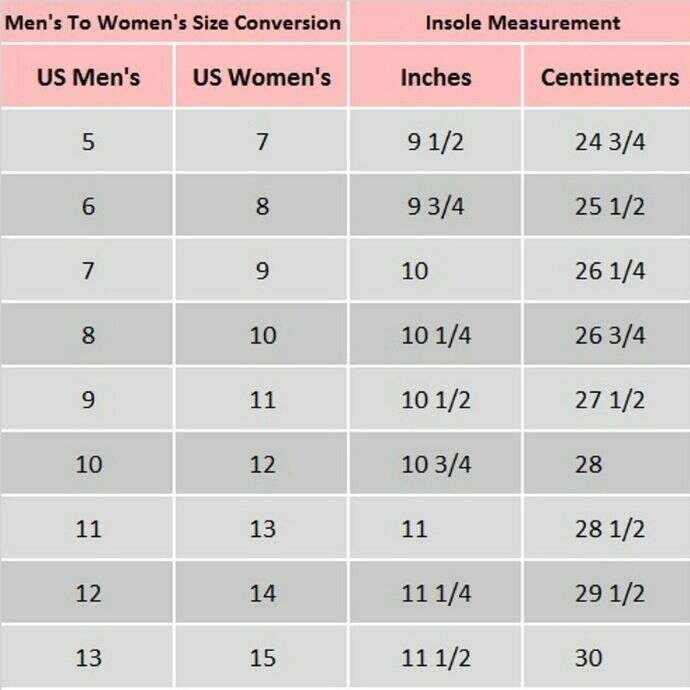
Ballet shoe sizing is not the same as street shoe sizing. Many brands use different size charts, and some styles run small or large. Always check the brand’s chart and try the shoes on when possible.
In general, do not size up simply to give your toes more space. Extra length can cause sliding, bunching, and poor control. Instead, look for a wider fit if the length is correct but the shoe feels tight across the toes.
Do not size down to create a neat-looking point. A shoe that is too short can bend the toes, irritate the nails, and limit ankle movement.
Use these fitting rules:
• Choose the smallest size that holds the foot without pain.
• Compare the shoe with the brand’s own size guide.
• Try both shoes, since feet are rarely identical.
• Test the shoes while standing and pointing.
• Wear the tights or socks you plan to use in class.
• Allow a young dancer’s foot to move naturally without adding excessive room.
Children need special care. Their feet grow quickly, but an oversized ballet shoe can affect balance and technique. Check the fit often, especially after a growth spurt or when the dancer reports pain.

How Should Ballet Shoes Fit With Tights or Socks?
Ballet shoes should fit over the clothing worn for class. Most dancers wear ballet tights, footed tights, convertible tights, or bare feet, depending on studio rules and personal comfort.
Try shoes with your normal dancewear. A shoe that fits over bare feet may feel tight over tights. A shoe that fits over thick socks may become too loose without them.
Avoid using thick socks to make a large shoe feel secure. This can change the way your foot moves and create heat or friction. If you need thick socks to stop the shoe from slipping, the shoe is likely the wrong size or shape.
Canvas shoes often feel flexible and light. Leather shoes may feel firmer at first and can soften with wear. Neither material should cause pain while the foot is resting or moving.

Drawstrings, Elastic, and Ballet Shoe Security
Many ballet shoes have a drawstring around the opening. The drawstring helps adjust the edge, but it should not be used to force a poor fit.
Tie the drawstring so the shoe rests gently around the foot. Cut or tuck away excess cord according to the manufacturer’s instructions. A tightly pulled drawstring can dig into the skin and restrict movement.
Some shoes use pre-sewn elastic. Others include separate elastic that must be sewn on. Elastic should hold the heel in place without pressing hard against the Achilles tendon.
When sewing elastic, dancers often place it near the sides of the heel so it follows the natural angle of the foot. A teacher or dancewear fitter can help find the right position. Incorrect placement may cause rubbing or make the shoe pull sideways.

Common Ballet Shoe Fit Problems
Understanding common problems makes it easier to fix them early. Small issues can become painful when repeated through many classes.
The shoe slips off
A slipping shoe may be too long, too wide, or poorly shaped for your heel. Check the size before tightening the drawstring. Adding elastic may help, but only after confirming that the shoe is not simply too large.
The toes curl
Toe curling often means the shoe is too short or too narrow. It may also happen when the dancer is gripping the floor for balance. Try standing naturally and spreading the toes before deciding whether the shoe is at fault.
The heel rubs
Heel rubbing can come from stiff material, poor elastic placement, or a shoe that moves during pointing. A properly placed elastic strap and a better heel shape may help. Persistent rubbing can cause blisters, so do not ignore it.