What Are Shoe Soles Made Of: Materials Explained
In the United States, most shoe soles are made from rubber, foam, plastic, leather, or a mix of these materials. The right material depends on the shoe’s job. A running shoe needs light cushioning. A work boot needs grip and resistance to oil or wear. A dress shoe may use leather for its outsole and rubber for extra traction.
The word sole can mean the full bottom of a shoe. That bottom often has three parts:
- Outsole: The part that touches the ground.
- Midsole: The layer that gives most of the cushioning and support.
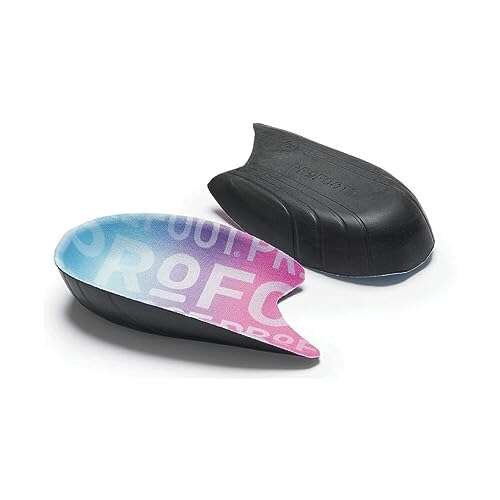
- Insole: The layer inside the shoe that sits under the foot.
Most modern shoes use more than one material. For example, a sneaker may have a rubber outsole, an EVA foam midsole, and a fabric-covered foam insole.

What Are the Main Materials Used in Shoe Soles?
The most common shoe sole materials are rubber, EVA foam, polyurethane, TPU, PVC, leather, and cork. Each material has a different balance of grip, weight, comfort, cost, and wear life.
| Material | Common use | Main strengths | Main limits |
|---|---|---|---|
| Rubber | Outsoles, work boots, sneakers | Grip, wear resistance, flexibility | Can add weight |
| EVA foam | Midsoles, sandals, casual shoes | Light weight, soft cushioning | Can compress over time |
| Polyurethane (PU) | Work shoes, safety boots, casual shoes | Durable, supportive, oil-resistant in some formulas | May break down with age |
| TPU | Performance shoes, boot parts, guards | Tough, flexible, abrasion resistant | Often costs more |
| PVC | Rain boots, molded shoes | Low cost, water resistance | Can feel stiff |
| Leather | Dress shoes, heritage boots | Firm, repairable, classic look | Needs care and may absorb water |
| Cork | Sandals, footbeds, specialty shoes | Light, moldable, natural feel | Can wear or crack when poorly cared for |
| Foam rubber blends | Athletic and comfort shoes | Soft feel and low weight | Performance varies by formula |
The name of a material does not tell the full story. Shoe makers can change the formula, density, texture, and shape. Two rubber soles may feel very different because one is soft and sticky while the other is hard and built for long wear.

The Three Parts of a Shoe Sole
A shoe sole is a layered system, not always one solid piece. Each layer performs a different task.
Outsole
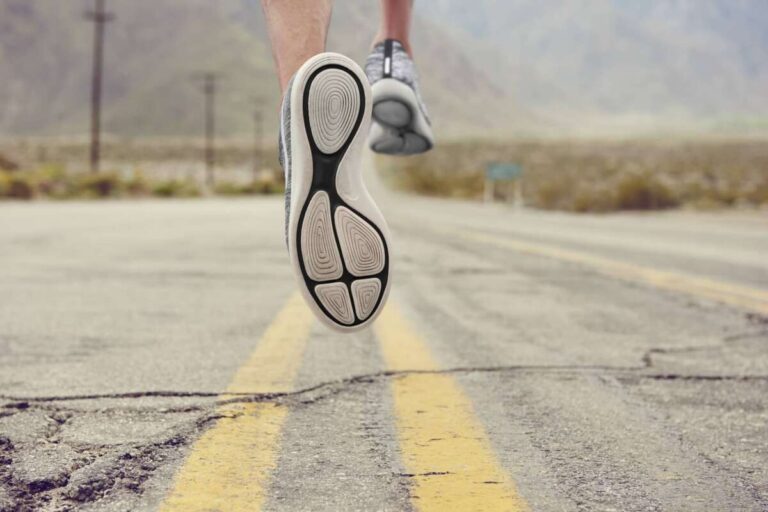
The outsole is the bottom layer. It touches pavement, floors, soil, and other surfaces.
Outsoles need to manage:
- Traction
- Abrasion
- Heat
- Water
- Oil or chemicals, when relevant
- Bending and impact
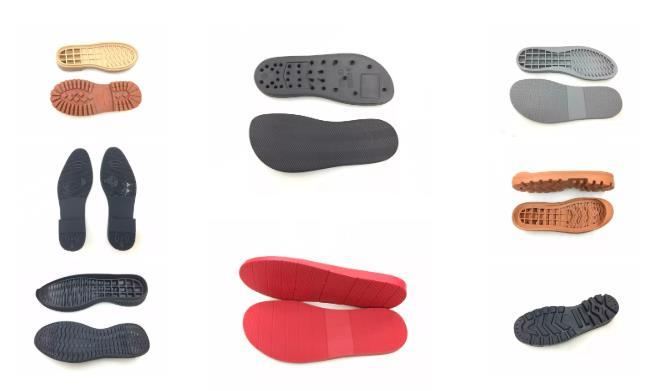
Rubber is common because it can grip many surfaces and resist wear. Some shoes use a rubber compound only in high-wear areas. Other shoes use a full rubber outsole.
The tread pattern matters as much as the material. Deep lugs can help on loose soil. Flat patterns may feel smoother on indoor floors. A soft compound may grip well but wear faster.
Midsole
The midsole sits between the outsole and the upper. It controls much of the shoe’s cushioning and ride.
Common midsole materials include:
- EVA foam
- Polyurethane foam
- TPU-based foam
- Rubber foam
- Proprietary foam blends
A midsole may be soft, firm, springy, or stable. More softness does not always mean more comfort. A person who needs support may prefer a firmer base, while someone who walks on hard floors may value more cushioning.
Insole
The insole is the removable or built-in layer under the foot. It may contain:
- Foam
- Gel
- Textile
- Leather
- Cork
- Latex
- Molded plastic
The insole affects the first feel of the shoe. It usually does not provide all of the shoe’s support. That work comes from the last, midsole, heel counter, and overall structure.

Rubber Soles: The Most Common Choice for Grip
Rubber is one of the most widely used materials for shoe outsoles. It can be made from natural rubber, synthetic rubber, or a blend.
Natural rubber
Natural rubber comes from latex harvested from rubber trees. It is flexible and can offer strong grip. It is often used in casual shoes, boots, and some specialty footwear.
Natural rubber may not be the best fit for every use. It can wear faster in some conditions, and its performance changes with heat, cold, oils, and surface type.
Synthetic rubber
Synthetic rubber is made through chemical processes. Common families include compounds based on styrene-butadiene rubber, nitrile rubber, and other elastomers.
Synthetic rubber can be designed for a target use. A compound may focus on:
- Oil resistance
- Cold-weather flexibility
- Abrasion resistance
- Indoor traction
- High-temperature performance
The phrase “rubber sole” is broad. It does not prove that a shoe is slip-proof. Slip resistance depends on the compound, tread, surface, contamination, and test method.
Why rubber works well
Rubber can flex as the foot moves. It can also recover after bending and create friction against the ground. A textured rubber outsole can give better traction than a smooth one.
Rubber is often heavier than foam. That trade-off is why many athletic shoes use foam in the midsole and rubber only in the areas that need extra wear resistance.

EVA Foam: Light Cushioning for Sneakers and Sandals
EVA, or ethylene-vinyl acetate, is a lightweight plastic foam. It is common in running shoes, walking shoes, slides, sandals, and children’s footwear.
EVA foam contains many small air-filled cells. These cells help reduce weight and soften impact. The foam can be made in different densities.
A soft EVA midsole may feel comfortable right away. A firmer EVA layer may offer more stability. Shoe makers can also combine soft and firm EVA in one sole.
Benefits of EVA
- Low weight
- Good initial cushioning
- Easy to mold
- Often lower cost than advanced foam systems
- Useful in midsoles and footbeds
Limits of EVA
EVA can lose height and resilience after repeated compression. This process is often called compression set. The rate depends on the foam formula, body weight, use, heat, storage, and shoe design.
EVA can also become less flexible in cold weather. A worn EVA midsole may look intact but feel flat, uneven, or less protective.

Polyurethane Soles: Supportive and Durable, With an Aging Risk
Polyurethane, often called PU or polyurethane, is used in work shoes, safety boots, walking shoes, and some casual footwear.
PU soles can be molded as dense outsoles or as cushioning midsoles. They often feel firmer and more supportive than basic EVA foam. Some PU formulas also resist oil and abrasion.
Advantages of polyurethane
- Good durability
- Firm support
- Useful cushioning
- Resistance to some oils and chemicals
- Suitable for work and industrial footwear
The main concern: hydrolysis
Some polyurethane soles can suffer from hydrolysis. Hydrolysis is a chemical reaction in which moisture helps break down the material. A shoe may crumble, crack, or shed pieces even if it has not seen much use.
This risk is more common with certain polyester-based PU formulas. The exact risk depends on the material, storage, age, humidity, and construction.
To reduce the risk:
- Store shoes in a dry, ventilated place.
- Avoid sealed plastic storage for long periods.
- Keep them away from strong heat.
- Inspect older PU soles before demanding use.
- Replace soles that crack, crumble, or feel unstable.
A damaged PU sole can fail without much warning. Do not use a crumbling sole for climbing, work at height, or other tasks where a sudden loss of footing could cause injury.

TPU and Other Advanced Plastic Compounds
TPU, or thermoplastic polyurethane, is a tough plastic that can be shaped with heat. It is used in outsoles, heel pieces, support parts, and performance shoe designs.
TPU can offer a useful mix of:
- Abrasion resistance
- Flexibility
- Toughness
- Shape retention
- Chemical resistance in some formulas
Some shoes use TPU for a plate or support strip rather than the whole outsole. This can help guide movement or reinforce a high-wear area.
Other thermoplastic materials may also appear in footwear. Their exact performance depends on the formula and the way the sole is molded. A label such as “TPU” does not, by itself, prove that a shoe will be more comfortable or safer.

PVC Soles: Common in Rain Boots and Molded Footwear
PVC, or polyvinyl chloride, is a plastic used in rain boots, work footwear, sandals, and molded shoes.
PVC can be made soft and flexible or hard and rigid. It is often chosen because it is easy to mold, resists water, and can cost less than some alternatives.
PVC soles may feel heavier or stiffer than EVA foam. They can also become less flexible in cold conditions, depending on the formula. For wet-weather footwear, check the entire boot. A water-resistant sole does not make the upper or seams waterproof.
Leather Soles: Traditional, Firm, and Repairable
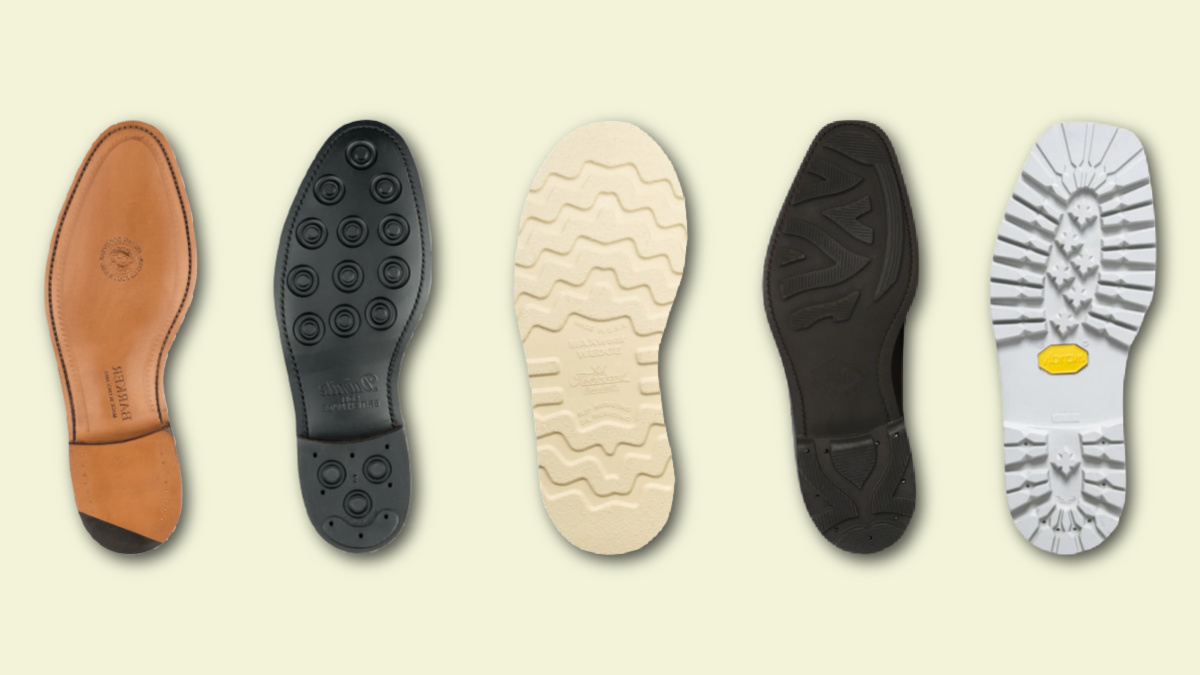
Leather has long been used for dress shoes, boots, and formal footwear. A leather outsole can feel firm and smooth. With wear, it may develop a shape that reflects the wearer’s stride.
Leather soles can offer:
- A traditional appearance
- A firm walking feel
- Breathability compared with some solid plastics
- The possibility of repair or replacement
- A smooth profile for formal shoes
Leather also has limits. It can absorb water, become slippery on smooth wet floors, and wear faster on rough pavement. Many leather-soled shoes work best in dry conditions or with a rubber top lift.
Leather needs care. Let wet leather dry at room temperature. Keep it away from direct heaters, which can dry and shrink it. A shoe repair professional can often replace a worn leather sole or add a rubber protective layer.
Cork, Latex, and Natural-Fiber Sole Materials
Cork is often used in footbeds and sandal bases. It is light and can adapt to the shape of the foot over time. Many cork footbeds also use a sealant or a surface layer to improve water resistance.
Latex can appear in insoles and cushioning layers. It gives a springy feel, but people with a known latex allergy should check the product details and contact the maker when the material is not clear.
Natural fibers, such as jute or cotton, may appear in espadrille-style soles or woven parts. These materials can suit warm, dry use but may not handle standing water well.
“Natural” does not mean waterproof, longer lasting, or safer for every person. The use and care needs still matter.

How Shoe Sole Materials Change Performance
The material affects how a shoe feels and wears, but it works together with shape, thickness, tread, and bonding.