
What Does DS Shoes Mean: Meaning Explained
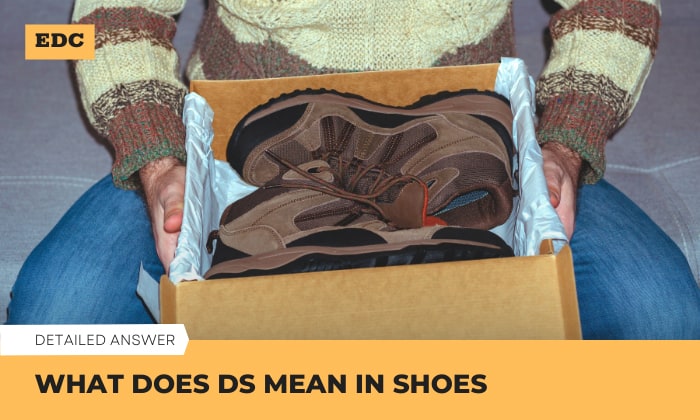
In the U.S. sneaker market, DS shoes means “deadstock” shoes. The term usually describes sneakers that are new, unworn, and sold with their original box and accessories. It does not prove that the shoes are authentic, rare, or in perfect condition.
The term can vary by seller and marketplace. Before buying, check whether “DS” means only unworn shoes or includes the box, extra laces, tags, and other original parts.

What Does DS Mean in Sneakers?
DS stands for deadstock. In most sneaker listings, it means the shoes have not been worn outside and remain in new condition.
The word comes from retail inventory. “Deadstock” once referred to older stock that was no longer being made or sold in regular stores. In sneaker resale, the meaning shifted. Today, DS usually describes the condition of the shoes, not only their age or availability.
A pair listed as DS will often have:
- No signs of outdoor wear
- Clean soles
- No dirt on the upper
- Original laces
- Original packaging
- No major creases from wear
- Factory tags or tissue paper, when the model originally included them
However, DS is not a universal legal or technical grade. Sellers may use it in different ways. One seller may call shoes DS after trying them on indoors. Another may use DS only when the shoes are completely untouched.
That is why the full listing matters more than the abbreviation.
Does DS mean brand new?
Usually, yes. In sneaker resale, DS generally means new and unworn. Still, it may not mean the same thing as “brand new from an authorized U.S. retailer.”
A DS pair may have been:
- Stored for several years
- Bought from a private seller
- Tried on indoors
- Removed from the box for photos
- Stored in a hot or damp place
- Resold more than once
DS also does not guarantee perfect materials. A new pair can have small factory flaws, glue marks, faded colors, or age-related damage.
DS vs. Other Sneaker Condition Terms
Sneaker sellers use several short terms to describe condition. These terms help, but they are not always applied in the same way.
| Term | Common meaning | What to check |
|---|---|---|
| DS | Deadstock; new and unworn | Ask whether the shoes were tried on |
| BNDS | Brand-new deadstock | Confirm box, tags, and accessories |
| NDS | Near deadstock | Light wear or very minor signs of use |
| VNDS | Very near deadstock | Minimal wear, often tried on or worn briefly |
| Worn once | Used for one occasion | Look for sole wear and creasing |
| Pre-owned | Previously owned and worn | Review photos and exact wear |
| B-grade | Factory seconds or pairs with defects | Ask about the defect and seller policy |
| OG all | Original everything | Usually includes the original box, laces, tags, and accessories |
The most common confusion is between DS, VNDS, and NDS.
DS vs. VNDS
DS should mean unworn. VNDS means the shoes were worn or handled but still look almost new.
A VNDS pair may have:
- Light sole marks
- Small creases
- Slight dirt
- Missing tissue paper
- A replaced box
- Minor heel drag
Some sellers use VNDS loosely. Ask for clear photos of the outsole, insole, heel, and toe box.
DS vs. NDS
NDS means “near deadstock.” It normally indicates more visible use than VNDS, but the shoes remain in very good condition.
There is no single industry rule that defines how much wear qualifies as NDS. A buyer should treat NDS as a used condition unless the seller explains otherwise.
DS vs. BNDS
BNDS means “brand-new deadstock.” It is often used to emphasize that the shoes are new and have not been worn.
The added “BN” does not automatically make the shoes more authentic or better than a pair labeled DS. It is still wise to inspect the listing and review the marketplace’s condition rules.

How to Tell Whether DS Shoes Are Really Unworn
A DS label is a claim from the seller. It is not proof by itself. The safest approach is to inspect several parts of the pair instead of relying on one detail.
1. Check the outsole
The outsole is one of the best places to find wear. Look for:
- Dirt in the tread
- Flattened rubber
- Small stones
- Scuffing
- Changes in surface texture
- Marks along the edges
A pair can still be called DS after a brief indoor try-on, so tiny marks do not always prove outdoor wear. Large marks, dust, or tread wear suggest use.
2. Inspect the insole
Look for foot-shaped pressure marks, lint, dirt, and wear around the heel. If the insole has been removed, ask why.
Some shoes have printed or stamped sizing information that can fade with use. This detail can help, but it is not conclusive on its own.
3. Review the upper and toe box
Worn shoes often show creasing across the toe box. Check for:
- Deep or repeated creases
- Stretching near the eyelets
- Wrinkles in leather or synthetic panels
- Dirt near the toe and heel
- Deodorizer or smoke odors
- Color differences from cleaning
A seller may reshape a shoe or use inserts to reduce creases. Photos from several angles are more useful than one close-up image.
4. Check the box and included parts
A genuine DS listing may include the original:
- Shoe box
- Extra laces
- Hangtags
- Tissue paper
- Inserts
- Manufacturer cards
- Special packaging
But missing accessories do not automatically mean the shoes were worn. Boxes can be lost or damaged during storage.
“OG all” generally means the original accessories are included. If the box is replaced, the shoes may still be unworn, but the listing should say so.
5. Ask direct questions
Before buying, ask:
- Have the shoes ever been worn outdoors?
- Were they tried on indoors?
- Are the insoles original?
- Is the box original to this pair?
- Are all laces and accessories included?
- Are there factory flaws or storage issues?
- Can you provide outsole and insole photos?
A clear seller should answer these questions without avoiding them.
Authenticity is a separate issue
DS does not mean authentic. Counterfeit shoes can be unused and still appear deadstock.
Authenticity requires a separate review. That review may include the shape, stitching, materials, labels, box details, SKU, production information, and construction. Even these checks can vary by model and release.
When possible, use a marketplace with an authentication process and a clear return policy. Check the current rules before paying because marketplace coverage, fees, and claims procedures can change.

Why DS Condition Matters When Buying Sneakers
DS condition usually affects price because many buyers want a pair that has never been worn. Limited releases may command a higher resale price when they are DS, especially if the model is older or difficult to find.
The premium depends on more than the DS label. Important factors include:
- Size
- Colorway
- Release date
- Demand
- Authenticity
- Box condition
- Included accessories
- Material aging
- Current market supply
A DS pair is not always the best value. For a common model, a lightly worn pair may cost much less while looking nearly new. For a rare or collectible release, the original condition may matter more.
DS does not mean flawless
New sneakers can develop problems while sitting in storage. Common issues include:
- Yellowing midsoles
- Cracked foam
- Hardened rubber
- Peeling coatings
- Faded colors
- Separated soles
- Mold or mildew
- Glue discoloration
- Brittle synthetic materials
These problems are more likely in older pairs, but age alone does not determine condition. Storage temperature, humidity, sunlight, and materials all matter.
For vintage shoes, a DS label may even require extra caution. Some older sneaker materials can fail after little or no use. “Never worn” describes past use; it does not guarantee that the shoes are safe to wear today.
Box condition can affect value
Some buyers care about the box as much as the shoes. A crushed, water-damaged, or incorrect box can reduce collectible value.
Ask whether the box is:
- Original
- Correct for the size and colorway
- Free from major damage
- Included in the sale
- Stored with the shoes
A pair can be DS without its original box, but the seller should describe it accurately.

What DS Means When Selling Shoes
When selling sneakers, use DS only if the shoes meet the buyer’s reasonable understanding of new and unworn condition.
Describe any condition that could change the buyer’s decision. For example:
- “Unworn, tried on indoors”
- “Unworn, replacement box”
- “New with minor factory glue marks”
- “Deadstock, but midsoles show age-related yellowing”
- “Worn once outdoors; light outsole marks”
- “Original laces included; hangtag missing”
This wording is more useful than writing only “DS.”
Take clear photos of the:
- Outsoles
- Insoles
- Toe boxes
- Heel tabs
- Size tags
- Box label
- Accessories
- Any flaws
Do not remove signs of use and then describe the shoes as untouched. Cleaning can improve appearance, but it does not change whether the shoes were worn.
For online sales, keep records of the item’s condition before shipping. Photograph the shoes, box, labels, and package. Follow the marketplace’s shipping and return rules.

Common Mistakes About DS Shoes
Mistake 1: Assuming DS proves authenticity
It does not. Condition and authenticity are different claims.
Mistake 2: Treating DS as a strict universal grade
The meaning varies by seller, marketplace, and sneaker community. Read the description and ask questions.
Mistake 3: Ignoring age
An unworn shoe can still have material damage. Check the release date and inspect the midsoles, foam, and glue areas.
Mistake 4: Assuming the box is included
Some listings use DS to describe the shoes only. Confirm whether the original box and accessories come with the sale.
Mistake 5: Paying a large premium without checking size and demand
DS condition can raise value, but not every DS pair is rare or desirable. Compare recent sales for the same model, colorway, and size.