In the United States, women’s sneaker style is moving in two directions at once: slim, low-profile shoes are popular for polished outfits, while cushioned running and walking shoes remain strong for daily wear. The most useful choices are retro trainers, slim court sneakers, sporty mesh runners, classic canvas shoes, and clean leather styles.
The best pair depends on your clothes, foot shape, comfort needs, and how much walking you do. A sneaker can look stylish and still feel wrong after an hour. Use the guide below to find the right balance.

The Most Stylish Women’s Sneakers Right Now
The strongest sneaker trends in the U.S. fall into several clear groups. Each one creates a different look and works best with certain outfits.
1. Retro runners
Retro running shoes remain one of the easiest ways to make an outfit look current. They often have a mesh-and-suede upper, a narrow or medium shape, and a sole inspired by shoes from the 1970s through the early 2000s.
Popular examples include:
- New Balance 530 and 574
- ASICS GEL-1130 and GEL-Kayano 14
- Adidas SL 72 and Response CL
- Nike P-6000 and similar layered runners
- Saucony Jazz and Shadow styles
Retro runners work well with straight-leg jeans, wide-leg pants, cargo pants, leggings, and casual dresses. White, gray, cream, silver, navy, and soft blue are easy to wear. Bright color details add interest without taking over the outfit.
Best for: Casual outfits, travel, campus wear, and everyday errands.
Watch for: Some retro shoes have firm soles and limited arch support. A fashionable shape does not guarantee comfort.
2. Slim, low-profile sneakers
Slim sneakers have a flatter sole and a closer fit than chunky trainers. They create a neat line under jeans, trousers, and skirts.
This group includes:
- Adidas Samba and Gazelle
- Puma Speedcat-style shoes
- Nike Killshot and Cortez-style shoes
- Slim leather tennis sneakers
- Low-profile suede trainers
These shoes look especially current with cuffed jeans, long skirts, tailored trousers, and relaxed blazers. They also suit outfits that already have loose or oversized pieces because the narrow shoe adds balance.
Best for: Polished casual outfits and simple capsule wardrobes.
Watch for: Thin soles may offer less shock absorption. If you have foot pain or walk on hard surfaces all day, compare cushioning before choosing a slim shoe.
3. Clean white leather sneakers
White leather sneakers remain a reliable wardrobe staple rather than a short-lived trend. Their simple shape works with denim, dresses, work trousers, shorts, and matching sets.
Look for:
- A simple upper with few logos
- A moderate sole height
- A padded collar
- Removable or supportive insoles
- Leather or synthetic leather that can be wiped clean
A clean white sneaker can make casual clothing look more finished. It also works as a neutral base when your outfit has bold color or print.
Best for: Work-casual wardrobes, travel, and repeat outfit use.
Watch for: White shoes show dirt quickly. A protective spray may help, but always check the material care instructions first.
4. Sporty mesh sneakers
Mesh sneakers borrow from performance running shoes. They often use breathable fabric, layered panels, and a cushioned midsole.
Common style directions include:
- Silver or gray mesh
- White with black details
– Cream with gum-colored soles - Technical-looking panels
- Sporty shoes worn with non-sport clothing
These sneakers pair well with knit dresses, denim, leggings, parachute pants, and tailored pants. The contrast between a technical shoe and a refined outfit is part of the appeal.
Best for: Warm weather, travel, long days, and casual streetwear.
Watch for: Mesh is harder to clean than smooth leather. The fit may also feel more athletic and less polished than a simple court sneaker.
5. Skate-inspired sneakers
Skate shoes have a wider shape, flat sole, padded tongue, and sturdy upper. They can give an outfit a relaxed, slightly retro feel.
They work with:
- Loose jeans
- Carpenter pants
- Cargo pants
- Denim skirts
- Oversized sweatshirts
- Casual shorts
Canvas and suede versions are especially common. Neutral colors are easy to style, while burgundy, forest green, and dark brown offer a deeper fall and winter look.
Best for: Relaxed outfits and people who prefer a stable, flat base.
Watch for: A flat sole may not suit everyone. People with high arches or a need for strong heel cushioning may prefer a walking or running shoe.
6. Platform and lug-sole sneakers
Platform sneakers add height through a thicker midsole or outsole. Lug soles have a deeper tread and a more rugged look.
These shoes can balance:
- Long dresses
- Wide-leg jeans
- Oversized jackets
- Thick sweaters
- Utility clothing
A moderate platform is usually easier to wear than an extreme one. It gives visual weight without making the shoe feel too heavy.
Best for: People who want added height or a bold casual look.
Watch for: A high or stiff sole can make stairs, uneven sidewalks, and long walks less comfortable. Check how easily the shoe bends before buying.
7. Metallic and colored-accent sneakers
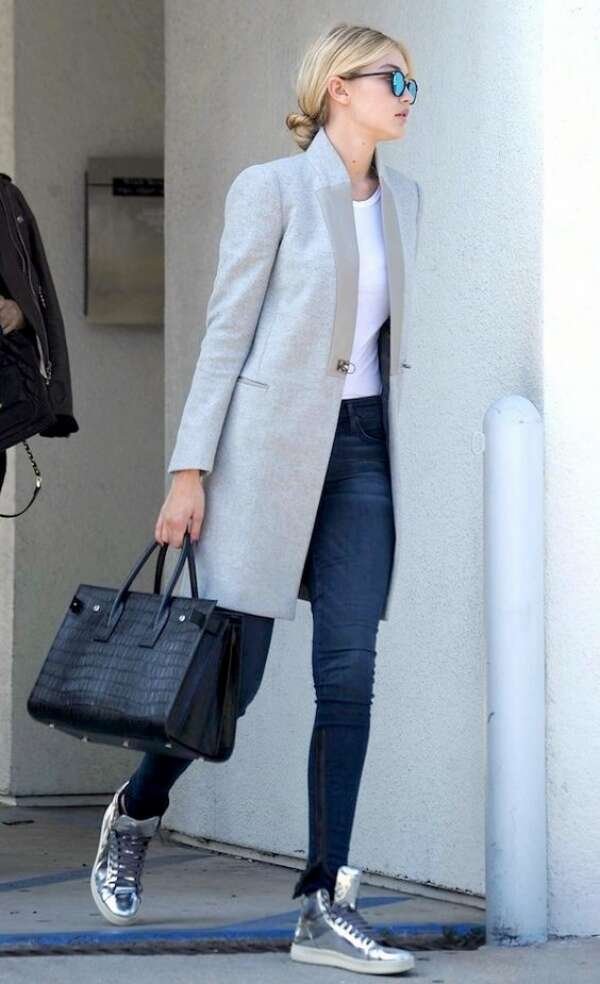
Silver, gold, metallic panels, red details, green stripes, and blue accents can make a basic outfit feel more deliberate.
You do not need a fully bright sneaker. A small color detail can be enough. For example, a gray runner with a blue panel is easier to wear than a shoe covered in several bright colors.
Best for: Simple outfits that need one focal point.
Watch for: Trend colors may be harder to match. If you want one everyday pair, choose a neutral base with a small accent.

How to Choose the Right Sneaker Style
Start with your daily use, not the trend name. The same sneaker may look great in a photo but fail if it does not suit your routine.
| Your main need | Strong style choice | Main trade-off |
|---|---|---|
| Polished casual outfits | White leather or slim low-profile sneakers | Often less cushioned |
| Long walks and travel | Cushioned walking or running sneakers | More athletic appearance |
| Jeans and everyday errands | Retro runners | Support varies by model |
| Wide-leg pants | Chunky retro runners or platforms | Can feel heavy |
| Dresses and skirts | Slim sneakers or simple leather shoes | May provide less impact protection |
| Warm weather | Breathable mesh sneakers | More difficult to clean |
| Flat, stable feel | Skate-inspired sneakers | Less heel cushioning |
| One versatile pair | White, gray, cream, or black sneakers | Less visual impact |
Match the shoe to the shape of your clothes
Proportion matters. A slim shoe usually looks balanced with straight or narrow pants. A larger sneaker often works better with wide-leg jeans, cargo pants, or long skirts.
This is not a strict rule. It is a useful starting point:
- Slim pants: Try low-profile sneakers or simple leather shoes.
- Wide pants: Try retro runners, platforms, or shoes with a wider sole.
- Short skirts: Try low-profile sneakers for a light look or chunky shoes for contrast.
- Long skirts: Try a sneaker with enough sole height to keep the outfit from looking visually heavy.
- Tailored clothing: Choose clean leather or refined suede.
- Athletic clothing: Mesh runners and performance-inspired shoes fit naturally.
Choose a color that earns its place
Neutral sneakers are usually the most useful. White, cream, gray, black, navy, and brown can work across several seasons.
Consider a bolder color when your wardrobe already has many neutrals. Red, silver, pale blue, and green can act like an accessory.
A simple test helps: picture the sneaker with three outfits you already own. If it works with all three, it is more likely to become a regular choice.
Consider the visual weight
“Visual weight” means how large or noticeable a shoe looks. A thick sole, broad toe, dark color, or deep tread increases visual weight.
Visual weight can change how an outfit feels:
- A light-colored slim sneaker looks clean and subtle.
- A dark chunky sneaker looks stronger and more grounded.
- A platform sneaker adds height and shape.
- A bright sneaker draws attention to the feet.
There is no universally correct choice. The goal is balance with the rest of the outfit.

Stylish Sneakers That Are Also Comfortable
A sneaker can be in style and still cause discomfort. Comfort depends on fit, shape, cushioning, flexibility, and your own feet.
The American Podiatric Medical Association advises choosing shoes that fit well, have enough room for the toes, and do not require a break-in period to become tolerable. Footwear guidance from orthopedic sources also commonly emphasizes fit, support, and using the right shoe for the activity.
Use this quick fit check:
- Shop later in the day if possible. Feet may swell during normal daily activity.
- Wear the socks you plan to use. Thick socks can change the fit.
- Leave room at the longest toe. Your toes should not press against the front.
- Check the widest part of the shoe. Your foot should not spill over the sole.
- Walk on a firm surface. Look for rubbing, slipping, pinching, or heel lift.
- Bend the shoe. It should flex in a useful place rather than folding completely in the middle.
- Compare both feet. Many people have one foot slightly larger than the other.
Do not buy a painful shoe because you expect it to “break in.” Some materials soften, but pressure points and poor shape rarely disappear.
Trendy does not mean supportive
A fashion sneaker may be suitable for short outings but not for a full day of walking. Running shoes may feel better for movement, yet their sporty shape may not match every outfit.
If you have ongoing foot pain, numbness, swelling, or a known foot condition, consider advice from a podiatrist or another qualified health professional. General style advice cannot replace an individual assessment.

Best Women’s Sneaker Styles by Occasion
For work-casual outfits
Choose a clean white leather sneaker, a simple black sneaker, or a low-profile suede pair. Avoid heavily worn uppers, bright athletic details, and deep trail-style soles unless your workplace is very casual.
Pair them with:
- Ankle trousers
- Wide-leg trousers
- Midi skirts
- Knit dresses
- Dark denim
- A blazer and plain T-shirt
The shoe should look clean and intentional. Condition matters as much as the style.
For travel
Prioritize comfort, easy care, and a secure fit. A neutral retro runner or cushioned walking sneaker is often more useful than a delicate fashion sneaker.
Look for:
- Breathable material
- A cushioned footbed
- A secure heel
- A sole with dependable grip
- Enough room for natural foot swelling
Slip-on sneakers can be convenient, but they should still hold the heel securely. A loose heel can create rubbing and instability.
For everyday errands
Retro runners, leather court sneakers, and canvas shoes all work well. Choose based on the amount of walking you do.
For short trips, style may matter most. For several hours on your feet, choose cushioning and a stable fit first.
For dresses and skirts
Slim sneakers create a lighter, cleaner look. Retro runners create a sportier contrast. Platform sneakers add shape and height.
Try to repeat one detail from the shoe elsewhere in the outfit. A black stripe can work with a black bag. A cream sole can echo a light sweater. This small link helps the outfit feel planned.
For jeans
Almost every major sneaker style works with jeans. The cut of the jeans changes the best match:
- Straight-leg jeans: low-profile or retro sneakers
- Wide-leg jeans: chunky runners or platforms
- Cropped jeans: slim sneakers or canvas shoes
- Baggy jeans: skate shoes or substantial retro runners
- Skinny jeans: simple leather sneakers or slim athletic shoes
What Sneakers Are Most Versatile for Women?
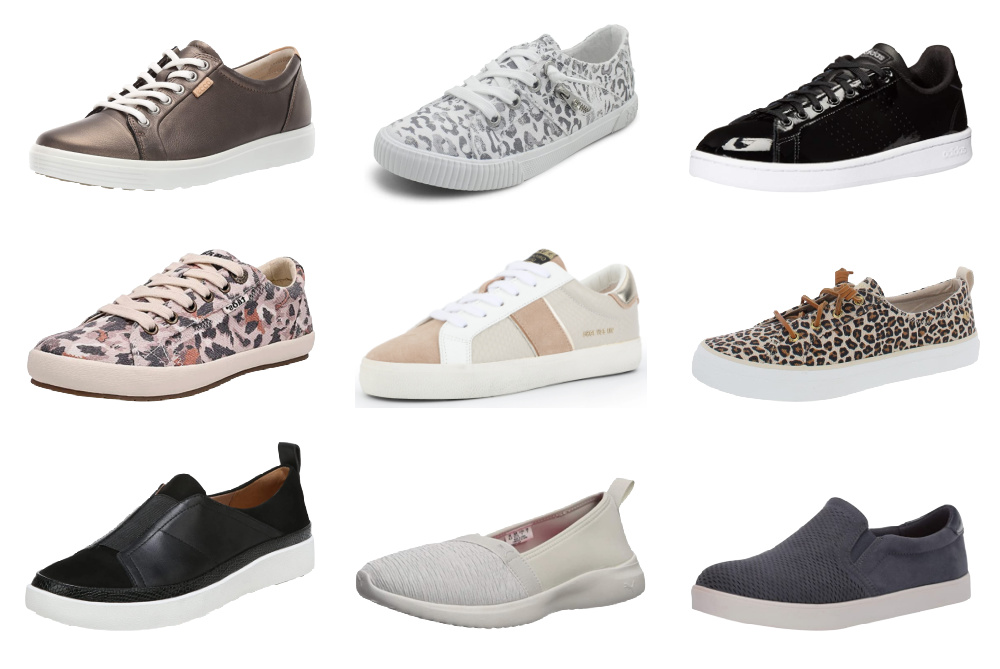
A clean white leather sneaker is the safest all-purpose choice for a polished wardrobe. A gray or cream retro runner is often more comfortable for casual outfits and longer walks. If you want one pair for both needs, choose a simple neutral sneaker with moderate cushioning and a shape that is not too narrow or too bulky.
Here is a practical ranking by versatility:
- White leather sneaker: Best with dresses, trousers, and denim.
- Gray or cream retro runner: Best for casual outfits and travel.
- Black low-profile sneaker: Best for darker wardrobes and a sleek look.
- Neutral canvas sneaker: Best for warm-weather casual outfits.
- Simple cushioned walking sneaker: Best when comfort is the main concern.
The “best” option changes if you need arch support, extra toe room, a wide size, a waterproof upper, or a shoe for exercise. Fashion should guide the look, but function should set the limit.

Common Mistakes When Buying Trendy Sneakers
Buying only for the logo
A familiar logo does not tell you whether the shoe fits your foot. Check the toe box, heel hold, sole, and cushioning.
Choosing a size by habit
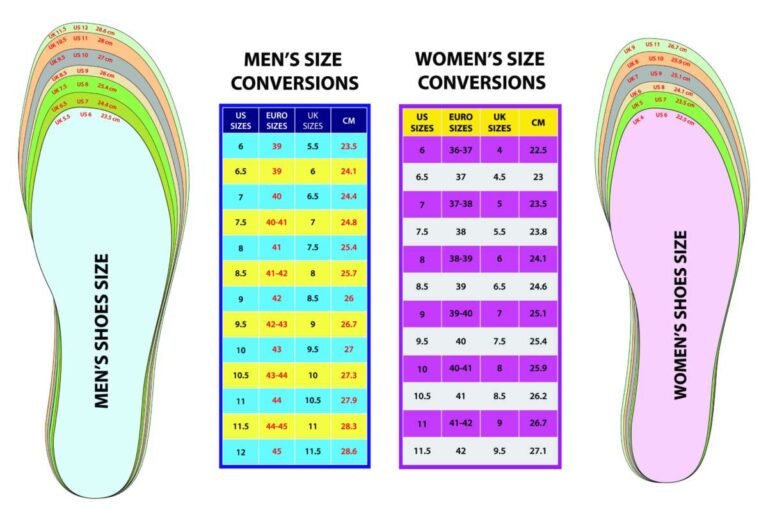
Sizing can vary between brands and models. Measure your feet when possible and read the brand’s fit notes. Do not assume your usual size will feel the same in every sneaker.
Ignoring the toe shape
Pointed or narrow sneakers may look sleek but can squeeze the toes. A rounder toe box may be a better choice for all-day wear.
Treating running shoes as universal shoes
Running shoes are designed for movement, but a road-running shoe, walking shoe, gym shoe, and casual sneaker may have different goals. Use the shoe for the activity it can handle well.
Buying a white sneaker without a care plan
Wipe dirt soon after it appears. Use the cleaning method recommended for the material. Avoid soaking leather or using harsh products unless the manufacturer permits it.
Choosing a thick sole without checking stability
A thick sole can look modern, but it may also feel less stable. Walk, turn, and climb a few steps before removing the tags.

How to Keep Women’s Sneakers Looking Current
You do not need to replace sneakers every season. Small styling changes can refresh a familiar pair.
Try:
- Wearing retro runners with tailored trousers
- Pairing white sneakers with a long skirt
- Using colorful socks with neutral shoes
- Matching a sneaker accent to a bag or sweater
- Cuffing jeans to show the shoe shape
- Choosing a fresh lace color
- Keeping the upper and midsole clean
Replace sneakers when the sole is worn down, the upper no longer holds the foot securely, or the shoe causes new discomfort. A sneaker can still look good while its support has declined.

FAQs About Women’s Sneaker Trends
Are chunky sneakers still in style for women?
Yes, but the shape has become more selective. Chunky retro runners, moderate platforms, and sporty shoes with a clear design still work well. Extremely large soles can look less versatile and may feel heavy.
Are white sneakers still fashionable?
Yes. White sneakers remain a core wardrobe item because they work with many colors and clothing types. Their success depends on keeping them clean and choosing a shape that suits your outfit.
What sneakers look best with wide-leg jeans?
Retro runners, platforms, and sneakers with a slightly broader sole usually balance wide-leg jeans well. A very narrow shoe can look visually small, though it can work if the jeans are cropped or lightly tailored.
Are slim sneakers comfortable for walking?
They can be, but comfort varies by model. Slim sneakers often have less cushioning and structure than walking shoes. Check the insole, sole flexibility, and fit before using them for long days.
What color sneaker should I buy first?
Choose white, cream, gray, black, or navy based on your wardrobe. Gray and cream are especially flexible for casual clothing, while white leather looks more polished.
Key Takeaways
- Retro runners, slim sneakers, white leather shoes, mesh trainers, and skate-inspired styles are all strong choices for women in the U.S.
- Slim sneakers look polished; chunky and cushioned sneakers look more casual and sporty.
- Match the sneaker’s visual weight to the shape of your clothing.
- Check fit, toe room, heel hold, and cushioning before buying.
- A clean neutral sneaker is usually more versatile than a highly colorful pair.
- Do not use a fashion sneaker for demanding activity if it lacks the support or grip you need.
Conclusion
The most stylish women’s sneakers are not limited to one shape. Current U.S. style includes sleek low-profile shoes, classic white leather sneakers, retro runners, breathable mesh trainers, and moderate platforms.
For one dependable pair, start with a neutral sneaker that fits well and works with at least three outfits. Then add a bolder style—such as a metallic runner, colorful retro shoe, or platform sneaker—when you want more personality. The right choice should look current, feel secure, and suit the way you actually move through your day.

Michael Smith is the Content Strategist behind The Style Hub, where fashion meets function. With a keen eye for trends and a passion for everyday style, he curates content that helps readers make smarter, more stylish choices—from the perfect pair of sneakers to must-have accessories. Michael specializes in breaking down fashion into practical, wearable insights, making style accessible for everyone. When he’s not researching the latest trends, he’s exploring how comfort, innovation, and timeless design come together in modern fashion.