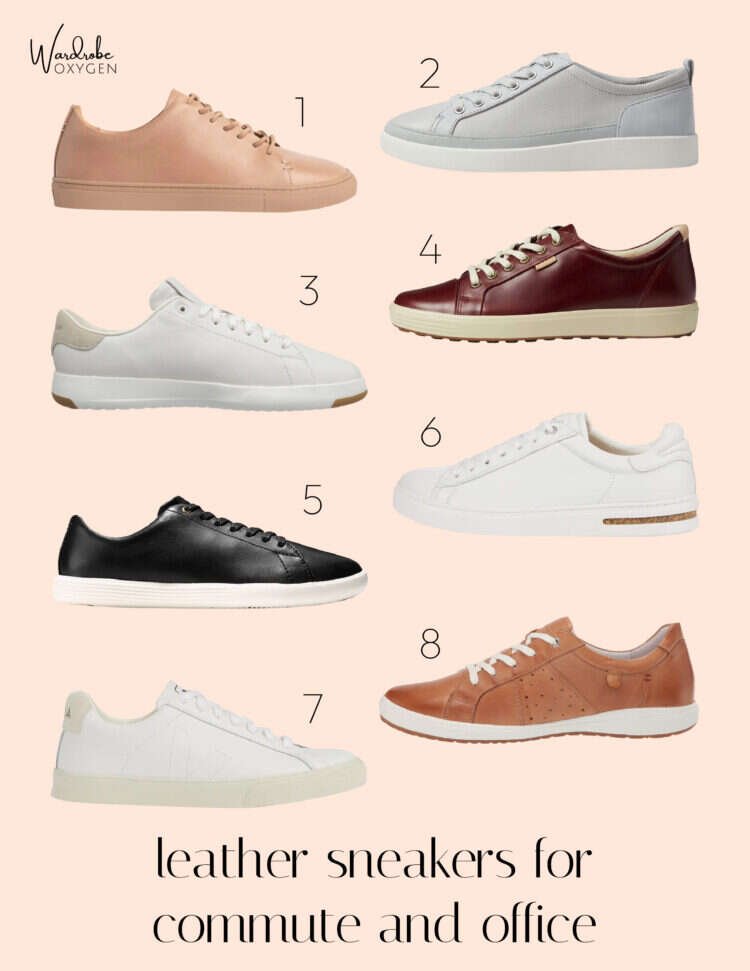
Women’s sneakers can work in many American offices, but the right pair depends on your dress code, job, commute, and time spent standing. In most business-casual workplaces, choose clean sneakers with a simple shape, muted color, firm support, and materials that look more polished than gym shoes.
The safest choices are leather or leather-like low-top sneakers, sleek knit sneakers, minimalist court shoes, and refined walking shoes. Avoid bright running shoes, worn soles, loud logos, and styles made only for workouts unless your workplace allows casual athletic footwear.

What makes a sneaker work-appropriate?
A work sneaker should look neat, feel stable, and fit the rules of your workplace. It does not need to look formal, but it should appear intentional rather than like a shoe you wore straight from the gym.
The best pair balances three features:
- Professional appearance: A clean upper, simple lines, and limited branding.
- All-day comfort: Enough room for your toes, a secure heel, and cushioning that suits your feet.
- Workplace fit: A style that matches your office, uniform, job duties, and safety needs.
A sneaker may be comfortable but still too casual for a client meeting. Another may look polished but lack the support needed for a long shift. The goal is to find the middle ground.
Work sneakers versus athletic sneakers
Running shoes are built for forward motion and impact. Work sneakers are usually chosen for appearance, walking comfort, and daily wear. Some athletic shoes can work in a casual office, but highly technical details may make them look out of place.
Look for:
- A low or moderate sole
- A clean toe shape
- Little or no neon color
- A stable heel
- A smooth or lightly textured outsole
- Materials that are easy to clean
The word “work sneaker” has no universal legal or fashion definition. Your employer’s dress code controls whether sneakers are allowed.
When sneakers may not be suitable
A formal law office, executive event, interview, or client presentation may call for loafers, flats, boots, or dress shoes instead. Some workplaces also ban open footwear, fabric uppers, or non-slip shoes that lack a required rating.
For jobs with falling objects, sharp materials, chemicals, electrical risks, or other hazards, ordinary sneakers may not provide enough protection. The Occupational Safety and Health Administration requires protective footwear in certain hazardous conditions, so follow your employer’s safety policy rather than using a fashion sneaker as a substitute.

The best types of women’s sneakers for work
The best sneaker type depends on how formal your workplace is and how much walking or standing your day includes. Use the categories below as a starting point, not as a ranking.
Minimalist leather sneakers
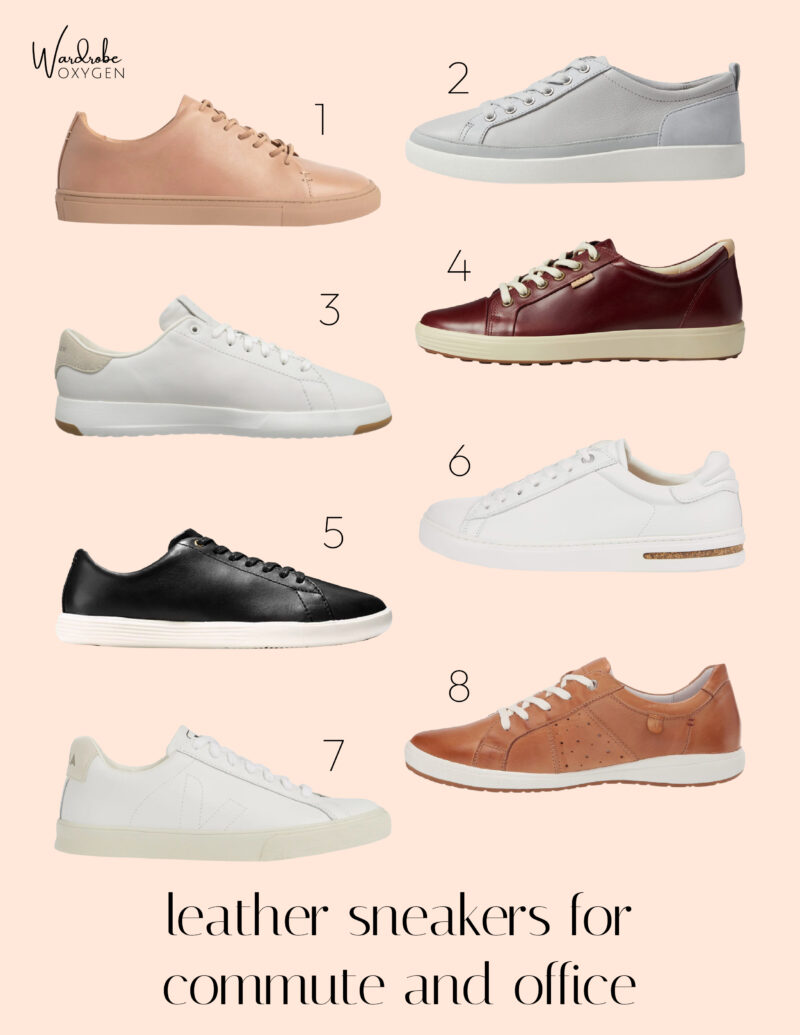
A simple leather sneaker is often the easiest option for a business-casual office. White, black, cream, taupe, and dark brown tend to pair well with trousers, jeans, skirts, and casual dresses.
Choose a pair with:
- Few decorative panels
- A clean rubber sole
- A padded but low-profile collar
- A shape that does not look overly wide or bulky
White sneakers can look polished, but they show dirt quickly. Black or dark brown may be easier to maintain in rainy parts of the United States.
Sleek knit or mesh sneakers
Knit sneakers can be light and breathable. They suit casual offices, long commutes, and warm climates. Their soft texture also works well with relaxed trousers and knit dresses.
The trade-off is appearance and protection. A very sporty knit upper may look like a running shoe, and thin fabric offers little protection from rain, spills, or workplace debris.
Choose a darker color or a structured design if you want a more polished look.
Court-style sneakers
Court sneakers have a flat, simple shape inspired by tennis or basketball shoes. Their clean profile makes them useful with:
- Wide-leg trousers
- Straight-leg pants
- Cropped pants
- Denim
- Midi skirts
- Casual dresses
Some court shoes have stiff soles or limited cushioning. Try walking on a hard floor before wearing them for a full workday.
Refined walking sneakers
A walking sneaker can be a practical choice if your job includes commuting, campus travel, retail work, or long periods on your feet. Look for a pair with a supportive heel, a stable base, and enough forefoot space.
Do not judge comfort by softness alone. A very soft midsole may feel pleasant at first but may not give you the stability you prefer during long periods of standing.
Slip-on sneakers
Slip-ons are convenient for travel and quick changes. They can work well in casual offices when the upper is structured and the heel stays secure.
Avoid loose slip-ons that make your toes grip the floor to keep the shoe in place. That can lead to rubbing and fatigue. A fitted heel, elastic panel, or adjustable detail can improve security.
Platform and wedge sneakers
A small platform can add height and create a modern look. A moderate, stable sole may also help keep your feet away from wet sidewalks.
High platforms and unstable wedges are less practical for long walks, stairs, or uneven ground. The taller the sole, the more carefully you should test balance and fit.

How to choose women’s work sneakers for your job
Start with your workplace, not the shoe aisle. A sneaker that fits a creative studio may not fit a medical office, school, hotel, or corporate workplace.
For a business-casual office
Choose leather sneakers, plain court sneakers, or low-profile slip-ons. Neutral colors are the most flexible.
Good pairings include:
- Black sneakers with black trousers and a tucked blouse
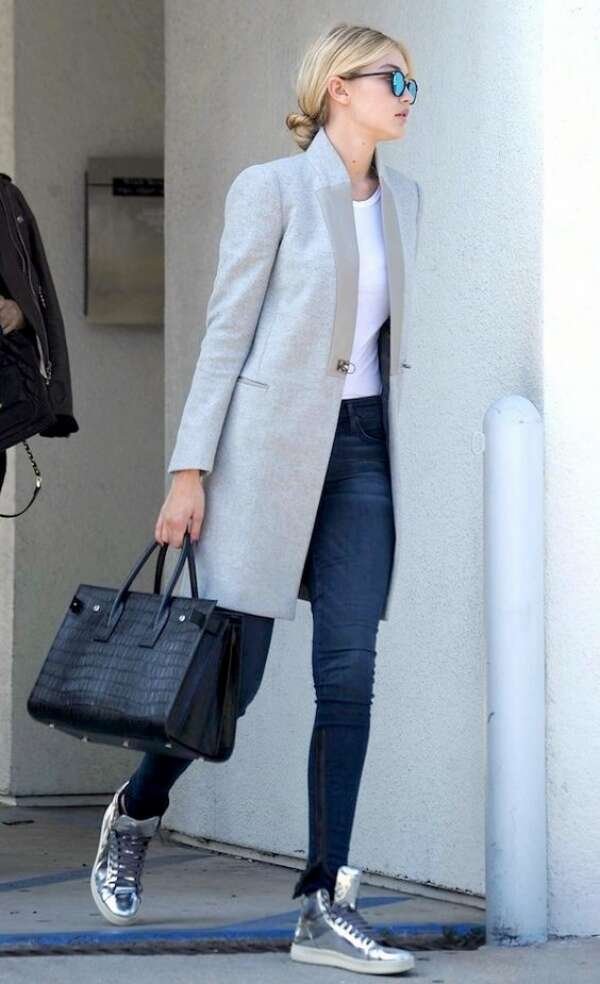
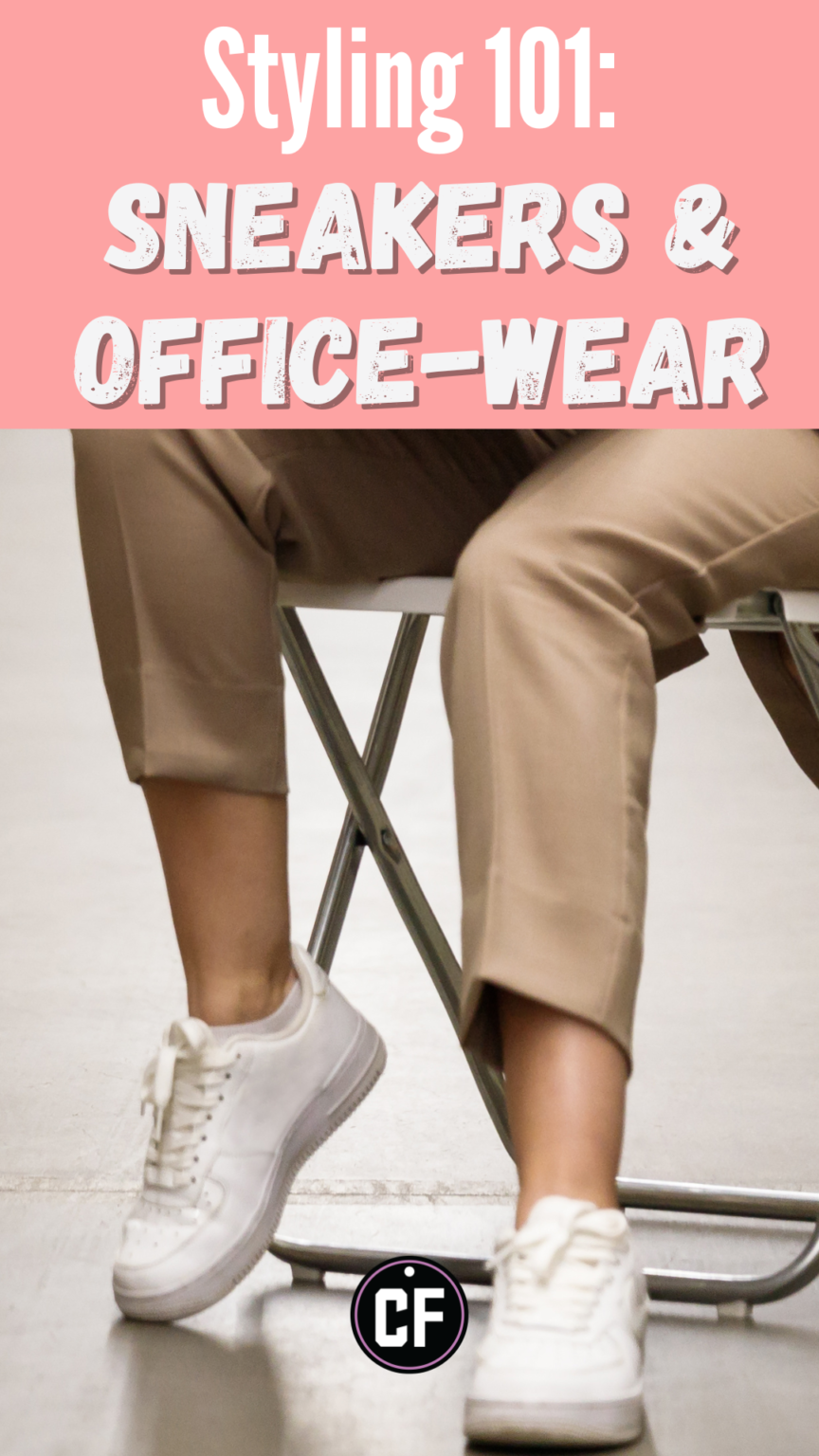
- White leather sneakers with navy pants and a blazer
- Cream sneakers with beige trousers and a fine-knit sweater
- Dark brown sneakers with denim and a structured jacket
Keep the rest of the outfit neat. A clean sneaker looks more professional with pressed trousers and a structured bag than with worn jeans and a loose sweatshirt.
For a casual office
You have more freedom to wear knit sneakers, retro styles, or muted athletic shoes. Even then, keep the shoes clean and in good repair.
A casual workplace may allow:
- Gray walking sneakers
- Neutral retro sneakers
- Canvas sneakers
- Simple high-tops
- Low-profile running-inspired shoes
Check whether your office considers visible performance details, bright colors, or large logos too informal.
For retail, education, or hospitality work
Comfort, grip, and cleanability matter more than a fashion label. Look for:
- A stable sole
- A secure fit
- A breathable upper
- A surface that can be wiped clean
- A tread pattern suited to the floors you use
If your employer requires slip-resistant footwear, look for the exact standard or marking required by the workplace. Do not assume that any rubber sole is slip resistant.
For healthcare and other uniform-based jobs
Follow the uniform policy first. Some employers require closed-toe shoes, washable materials, specific colors, or certified slip resistance.
A fabric sneaker may be comfortable but difficult to clean after exposure to fluids. A smooth synthetic or leather-like upper may be easier to wipe down, but it can feel warmer.
For commuting by public transportation or walking
Choose a sneaker that can handle sidewalks, stairs, and changes in weather. A secure heel and adequate traction are more useful than a very soft sole.
If you change into dress shoes at work, you can choose a true walking or running shoe for the commute. If you wear the same pair all day, select a design that fits both your commute and your office.

A simple fit checklist for all-day comfort
Fit matters more than the brand name. Feet can swell during the day, so try work sneakers in the afternoon or evening when possible.
Check these points:
- Toe room: Your toes should be able to move without touching the front.
- Width: The shoe should not squeeze the ball of your foot or create bulges at the sides.
- Heel security: Your heel should stay in place without painful pressure.
- Arch feel: The shoe should feel supportive without forcing your arch into an uncomfortable position.
- Flex point: The shoe should bend near the ball of your foot rather than folding in the middle.
- Surface contact: Walk on a hard floor and turn corners. Notice slipping, twisting, or rubbing.
- Sock space: Try the socks you expect to wear at work.
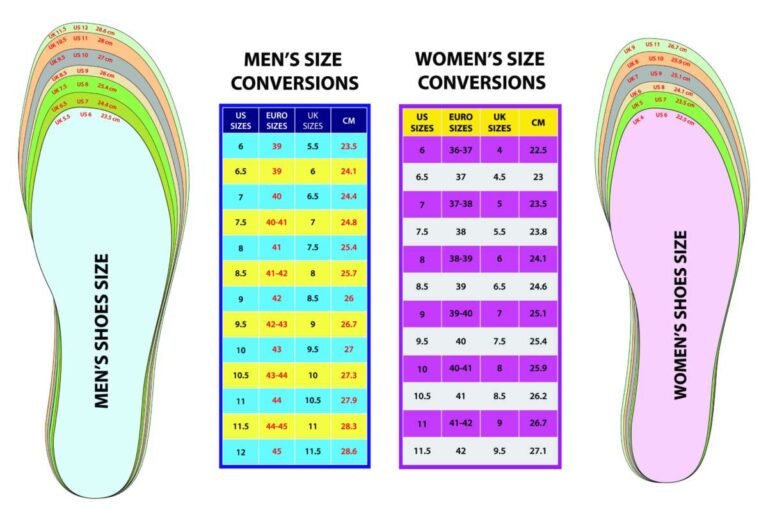
Do not rely on a shoe’s size alone. Sizes can vary among brands and styles. Measure both feet if possible, and fit the larger foot.
Signs the fit is wrong
Stop and reassess if you notice:
- Numb toes
- Burning or tingling
- Heel blisters
- Pressure on the side of the foot
- Toe contact with the front of the shoe
- Pain that increases during the day
- A need to curl your toes to keep the shoe on
A break-in period should not mean enduring sharp pain or numbness. If discomfort continues after changing size, socks, or lacing, consider a different shoe shape. Persistent foot pain may need evaluation by a qualified health professional.

How to style sneakers so they look polished
The outfit around the sneaker determines much of its workplace effect. A simple shoe can look professional when the clothing has clean lines and good fit.
With trousers
Low-profile sneakers work well with straight-leg, ankle-length, and wide-leg trousers. Let the hem fall cleanly without bunching heavily over the shoe.
For a balanced outfit, pair:
- Black sneakers with charcoal or black trousers
- White sneakers with navy or gray trousers
- Cream sneakers with tan or olive trousers
- Brown sneakers with dark denim or warm neutrals
With jeans
Use dark, clean denim when you want a more polished look. Straight-leg and slim-straight jeans are easy to pair with court sneakers and leather low-tops.
Avoid combining very distressed jeans with highly technical running shoes if your goal is business casual. That pairing can read as weekend wear.
With skirts and dresses
Sneakers can soften a dress or make a skirt easier to wear for commuting. Low-top sneakers usually create the cleanest line.
Try:
- White sneakers with a midi dress
- Black sneakers with a knit skirt
- Neutral sneakers with a pleated skirt
- Minimal sneakers with a shirt dress
The shoe should support the mood of the outfit. A chunky sneaker creates a more casual look than a narrow court shoe.
With blazers and jackets
A blazer can make simple sneakers look more deliberate. Match the formality of the shoe to the jacket.
A structured blazer and leather sneaker often look more polished than a soft cardigan and bright running shoe. This does not make the outfit formal, but it can move it closer to business casual.

Color and material guide
Color affects both formality and upkeep. Material affects cleaning, breathability, and weather resistance.
| Color or material | Workplace effect | Main benefit | Main limitation |
|---|---|---|---|
| Black leather | Most polished and versatile | Hides marks well | Can feel warm |
| White leather | Crisp and modern | Easy to style | Shows dirt quickly |
| Cream or beige | Soft and refined | Works with light neutrals | Stains can be visible |
| Gray knit | Casual and practical | Often breathable | May look sporty |
| Navy | Professional but less severe than black | Works with denim and trousers | Fewer matching options |
| Canvas | Relaxed and light | Often affordable | Absorbs water and stains |
| Synthetic leather | Easy to wipe clean | Useful for busy jobs | May breathe less |
| Suede | Textured and stylish | Adds visual interest | Needs more care in wet weather |
If you live in a wet region, consider how quickly the shoe dries and whether the material can be cleaned safely. Water-resistant does not mean waterproof, and most lifestyle sneakers are not designed for deep puddles.

Work sneaker features that deserve attention
Small design details can change how a sneaker feels after several hours.
Cushioning
Cushioning reduces the harsh feel of hard floors, but more cushioning is not always better. Choose the amount that feels stable and comfortable for your walking pattern.
Support
“Support” can mean different things. A supportive shoe may have a firm heel counter, a stable base, an internal structure, or a shape that suits your foot. Marketing terms alone do not prove that a shoe will solve a foot problem.
Traction
A rubber outsole with a suitable tread can help on smooth indoor floors and sidewalks. Traction varies with floor type, moisture, oil, and wear.
Replace shoes when the outsole is worn smooth, the heel tilts, or the upper no longer holds your foot securely.
Breathability
Mesh and knit uppers usually allow more airflow than coated leather or synthetic materials. Breathability can help in warm offices or during long shifts.
The trade-off is easier exposure to rain, spills, and dirt. Consider your actual work setting.
Removable insoles
A removable insole can make it easier to use a different insert, but not every insert suits every foot. Make sure the replacement does not make the shoe too tight or change your heel position.
If you use prescribed orthotics, bring them when trying on shoes. A qualified foot-care professional can help assess fit if needed.

How to build a small work-sneaker wardrobe
You do not need many pairs. Two or three pairs can cover most business-casual needs.
A useful starter set might include:
- A black or dark neutral pair for formal business-casual outfits.
- A white, cream, or light neutral pair for dresses, skirts, and lighter trousers.
- A comfortable walking pair for commuting or long days on your feet.
Rotate pairs when possible. Alternating shoes gives each pair time to air out and lets you notice wear before it affects comfort.
Keep one backup option at work if your commute is long or the weather changes often. A pair of flats, loafers, or approved indoor shoes can be useful when sneakers do not fit the day’s dress code.

Cleaning and care for work sneakers
Clean shoes look more professional and may last longer. Follow the care instructions for the exact material before using any cleaner.
For most washable fabric sneakers:
- Remove loose dirt with a soft brush.
- Use a small amount of mild soap with water.
- Clean gently rather than soaking the shoe.
- Wipe away soap with a damp cloth.
- Air-dry at room temperature.
- Remove insoles when the care label allows it.
Do not place shoes near a strong heat source. High heat can damage adhesives, finishes, foam, and shape.
For leather, use a cleaner made for leather. For suede, use a suede brush and product designed for suede. Do not assume that a household cleaner is safe for every upper.
Clean the outsole as well. A dark or dirty sole can make an otherwise neat sneaker look worn.

Common mistakes to avoid
The most common mistake is choosing a sneaker based only on appearance. A polished upper cannot compensate for a painful fit during an eight-hour day.
Avoid these errors:
- Wearing a new pair for a full shift before testing it
- Buying a smaller size because the shoe stretches
- Ignoring width because the length feels correct
- Choosing a soft sole that feels unstable
- Wearing white sneakers with visible dirt or yellowed laces
- Assuming every rubber outsole is slip resistant
- Treating fashion sneakers as protective work shoes
- Wearing a sporty pair to a formal meeting without checking expectations
- Continuing to wear shoes with worn tread or a tilted heel
- Adding an insert without checking the available shoe volume
When a shoe fails, identify the problem. Toe pressure may point to length or width. Heel movement may point to shape or lacing. Sole fatigue may point to cushioning, stability, or the demands of your job.
Quick buying decision table
Use this table to narrow your options before shopping.
| Your main need | Start with | Prioritize | Watch out for |
|---|---|---|---|
| Polished office style | Minimal leather sneaker | Clean lines and neutral color | Heavy soles and large logos |
| Long commute | Walking sneaker | Secure heel and traction | A shape that looks too sporty |
| Long standing shifts | Stable comfort sneaker | Fit, cushioning, and support | Softness without stability |
| Warm weather | Knit or mesh sneaker | Airflow and light weight | Poor protection from spills |
| Rainy climate | Smooth synthetic or treated leather | Easy cleaning and coverage | Claims that are not truly waterproof |
| Casual workplace | Court or retro sneaker | Simple color scheme | Bright technical details |
| Uniformed job | Approved work sneaker | Employer rules and safety | Unrated slip resistance |
Frequently asked questions
Can women wear sneakers to a business-casual office?
Often, yes, if the dress code permits them. Choose clean, low-profile sneakers in leather, smooth synthetic material, or a restrained color. When the policy is unclear, ask your manager or review the employee handbook.
Are white sneakers appropriate for work?
White sneakers can be appropriate in a business-casual or casual office. Keep them clean, replace damaged laces, and choose a simple design. A white running shoe with bright accents may look less formal than a plain white leather sneaker.
Are running shoes acceptable at work?
They can be acceptable in casual workplaces, especially when walking or standing is part of the job. In a traditional office, running shoes may look too athletic. Check your workplace rules and consider a simpler walking sneaker if you need comfort with a cleaner appearance.
What sneakers are best for standing all day?
Look for a secure fit, a stable base, enough toe room, and cushioning that feels comfortable without making you unsteady. No single sneaker works for every foot. Test the pair on a hard surface and wear the socks you use at work.
Can I wear sneakers to a job interview?
That depends on the industry and dress code. For a traditional corporate, legal, financial, or formal setting, dress shoes are usually the safer choice. In a creative or casual workplace, a clean minimalist sneaker may be acceptable, but confirm the expected level of dress when possible.
Do work sneakers need to be slip resistant?
Only if your job or workplace policy requires that feature. If it does, choose footwear with a documented slip-resistant designation or the exact specification your employer requests. Ordinary rubber soles are not automatically certified for workplace slip hazards.
How often should I replace work sneakers?
Replace them when the tread is worn, the heel leans, the sole loses its shape, the upper no longer holds your foot, or discomfort develops. Time alone is not a reliable replacement rule because wear depends on walking distance, body weight, floor surfaces, weather, and care.
Final recommendation
For most U.S. business-casual workplaces, start with a low-profile leather or leather-like sneaker in black, white, cream, navy, or brown. Confirm that your workplace allows sneakers, check the fit in the afternoon, and walk on a hard surface before buying.
If your job includes safety hazards, long standing, or required slip resistance, treat those needs as higher priority than style. The best women’s sneakers for work are the ones that meet the dress code, keep your feet stable and comfortable, and remain in good condition throughout the day.

Michael Smith is the Content Strategist behind The Style Hub, where fashion meets function. With a keen eye for trends and a passion for everyday style, he curates content that helps readers make smarter, more stylish choices—from the perfect pair of sneakers to must-have accessories. Michael specializes in breaking down fashion into practical, wearable insights, making style accessible for everyone. When he’s not researching the latest trends, he’s exploring how comfort, innovation, and timeless design come together in modern fashion.