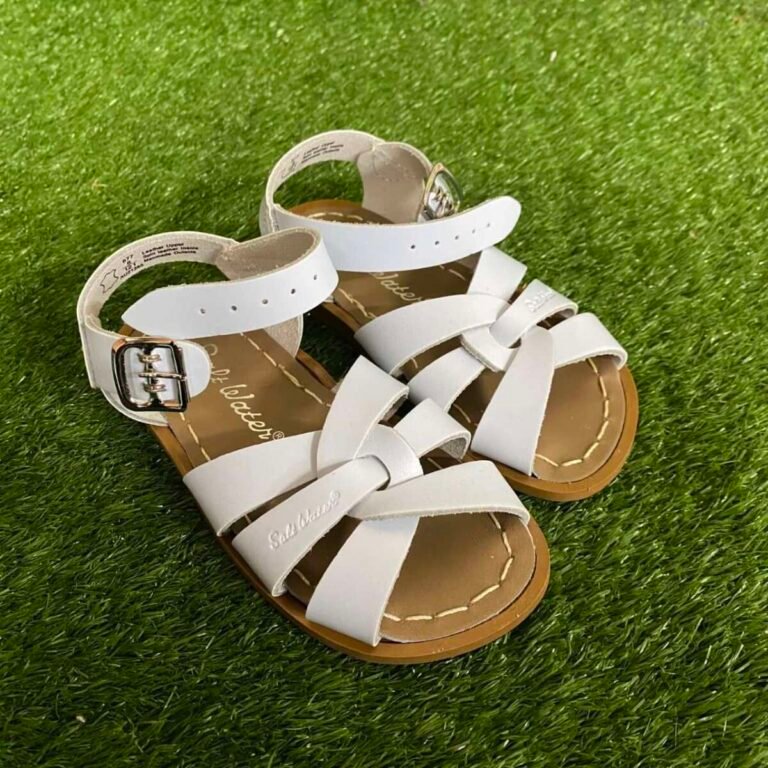
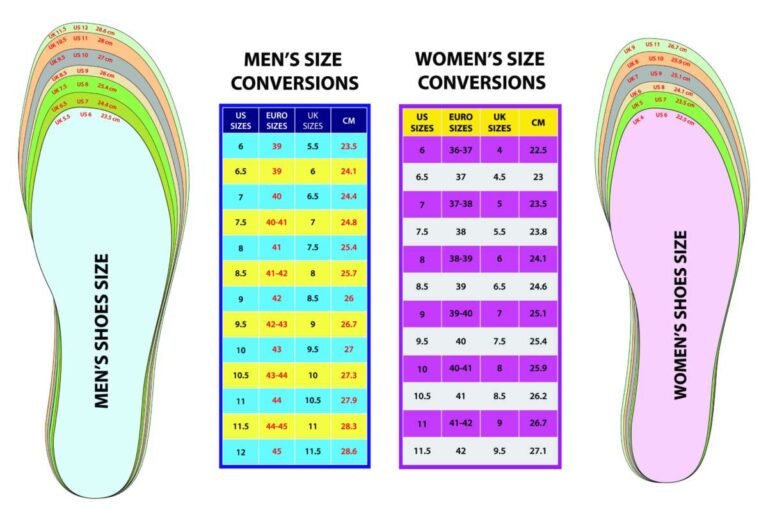
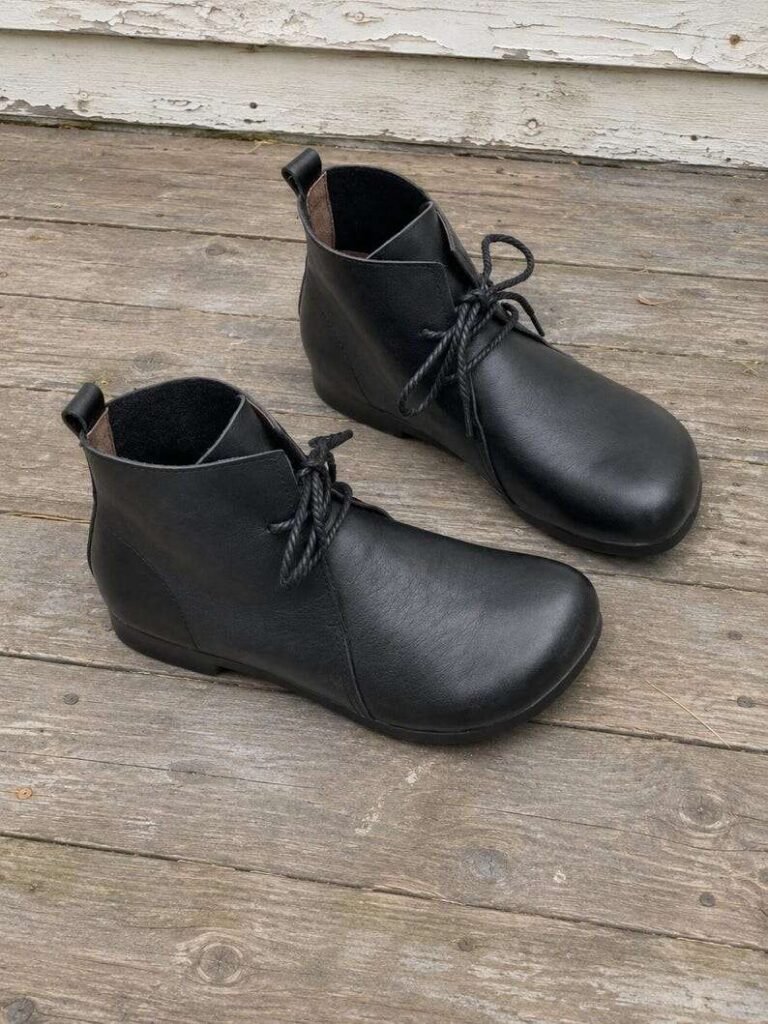
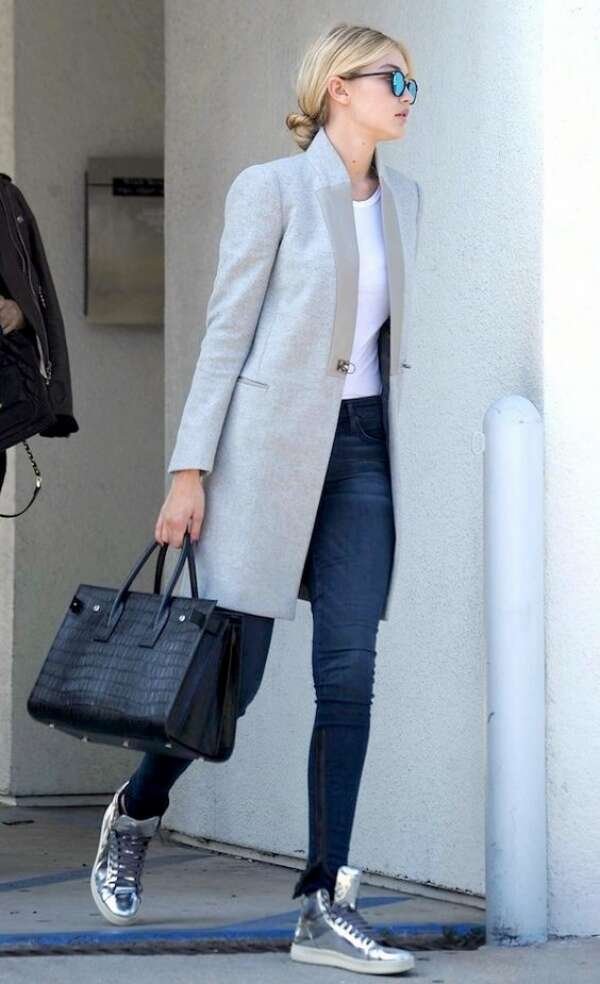
The most comfortable women’s sneakers are the ones that match your foot shape, activity, and support needs. For many women, strong options include the New Balance Fresh Foam X 1080, Brooks Adrenaline GTS, ASICS GEL-Nimbus, HOKA Bondi, and Nike Motiva. However, no single sneaker feels best on every foot.
The right pair should feel stable, cushioned, breathable, and secure without squeezing your toes. A shoe that feels soft in the store may still cause pain if it is too narrow, too flexible, or poorly matched to your daily use.
This guide explains what makes a sneaker comfortable, which women’s sneakers suit common needs, and how to choose the right fit in the United States.
Introduction: What Makes a Women’s Sneaker Comfortable?
Comfort comes from fit first, then cushioning and support. A well-made sneaker cannot correct a poor size or a cramped toe box.
The most important features include:
- Enough length for your longest toe
- A toe box that lets your toes spread
- A secure heel that does not slip
- Cushioning that suits your body and activity
- A sole that bends near the toes, not in the middle
- Breathable material for warm or long-wear conditions
- A stable base that does not feel wobbly
Comfort is also personal. Someone who stands at work for eight hours may prefer a different shoe from someone who walks two miles each morning. A runner may need more shock absorption, while a person with sensitive feet may value a roomy upper and a smooth, soft lining.

The Most Comfortable Women’s Sneakers by Need
There is no universal winner, so the best choice depends on how you plan to use the shoe. The table below gives a practical starting point.
| Best for | Commonly suitable model | Why it may work | Main trade-off |
|---|---|---|---|
| Daily walking | New Balance Fresh Foam X 1080 | Soft cushioning and several width options in many versions | May feel too soft for people who want firm support |
| Stability while walking or running | Brooks Adrenaline GTS | Structured support and a familiar heel-to-toe feel | The support may feel noticeable to neutral-footed users |
| Plush cushioning | ASICS GEL-Nimbus | Thick cushioning and a smooth ride | Can feel bulky for casual wear |
| Standing for long periods | HOKA Bondi | Broad platform and substantial cushioning | The sole is large and may feel stiff |
| Easy walking and errands | Nike Motiva | Rocker-shaped sole can help the foot roll forward | Not designed as a technical running shoe |
| Wide feet | New Balance 1080 or other New Balance wide models | New Balance often offers multiple width choices | Available widths vary by color and version |
| Light gym use | Reebok Nano or Nike Free-style trainers | More stable for strength work than very soft running shoes | Less cushioning for long walks |
| Budget comfort | Skechers GO WALK lines | Lightweight designs and soft walking-focused cushioning | Fit and support vary across the range |
These are examples, not independent test results or a ranking. Manufacturers may change materials, fit, and available widths between versions. Check the current product page before buying.
Best everyday walking sneaker: New Balance Fresh Foam X 1080
The New Balance Fresh Foam X 1080 is a strong option for daily walks, commuting, travel, and casual wear. Its main appeal is a cushioned midsole combined with a running-shoe shape.
It may suit you if you want:
- A soft step
- A sneaker that can handle both errands and regular walks
- Multiple width choices
- A conventional lace-up fit
It may not suit you if you prefer a firm, low-to-the-ground feel. Very soft foam can also feel less stable for some people.
Best stability sneaker: Brooks Adrenaline GTS
The Brooks Adrenaline GTS is designed for runners and walkers who want guided support. Its GuideRails system is intended to help limit excess movement around the knee and lower leg.
Choose it when stability is a priority, especially if you already know that neutral shoes feel too loose or unstable. Do not assume that every person needs a stability shoe. A structured shoe can feel intrusive if your foot does not need that type of guidance.
Best plush-cushioning sneaker: ASICS GEL-Nimbus
The ASICS GEL-Nimbus is built around a soft, cushioned ride for running and walking. It can work well for people who spend many hours on their feet and prefer a padded feel.
Its thick build may feel less agile than a lighter trainer. It is also worth checking the upper carefully if you have a high instep or need extra room across the forefoot.
Best for maximum cushioning: HOKA Bondi
The HOKA Bondi has a thick sole and a broad base. That design can reduce the sensation of impact for some walkers and workers.
The Bondi is often worth considering for:
- Long walks on hard pavement
- Standing jobs
- People who like a soft, high-cushion shoe
- People who prefer a rocker-like transition
Its size and sole shape are not for everyone. Walk in it indoors before wearing it outside, and check whether the heel and forefoot feel stable.
Best for casual walking: Nike Motiva
The Nike Motiva uses a curved sole designed to help the foot move from heel to toe. This rocker effect can make an easy walk feel smoother for some users.
It is best viewed as a walking and lifestyle shoe, not a replacement for a sport-specific trainer. The curved sole may feel unusual at first, so test it on a safe, level surface.
How to Choose the Most Comfortable Sneakers for Your Feet
Start with your use, then your foot shape. Do not begin with color, brand, or a popular recommendation.
1. Match the sneaker to the activity
Use a running shoe for running, a walking shoe for regular walking, and a training shoe for gym work. These categories overlap, but their designs have different goals.
- Walking: Look for cushioning, a smooth transition, and a secure fit.
- Running: Prioritize fit, impact comfort, breathability, and the type of support you need.
- Strength training: Choose a stable base rather than a very soft, tall sole.
- Standing at work: Look for cushioning, a broad platform, and low pressure points.
- Travel: Choose a comfortable shoe that is easy to adjust and suitable for long periods of walking.
- Casual wear: Comfort still matters, but you may prefer a lighter and less technical design.
2. Measure both feet
Feet are often slightly different sizes. Measure both while standing, because the foot lengthens and widens under body weight.
Measure at the end of the day when feet may be at their largest. Wear the socks you expect to use with the shoes.
Your longest toe should have roughly a thumb’s width of space in front of it. This is a fit check, not a fixed medical rule. The shoe should not feel loose simply because it has extra length.
3. Check the toe box
Your toes should spread naturally without pressing against each other. A pointed or narrow front can cause rubbing, blisters, and pressure on the toenails.
A wide shoe is not always the same as a shoe with a wide toe box. Some wide shoes add space across the entire upper, while others mainly add room in the forefoot.
If you have bunions, hammertoes, swelling, or a broad forefoot, focus on the shape of the front of the shoe. Do not try to “break in” a shoe that causes sharp pressure.
4. Check the heel and midfoot
The heel should stay in place when you walk. A small amount of movement can be normal, but repeated slipping can lead to rubbing and blisters.
The middle of the shoe should hold your foot without squeezing it. Use the laces to adjust the fit. If you must lace the shoe very tightly to keep your heel in place, the shape may not match your foot.
5. Test the shoe indoors
Wear both shoes on a clean indoor floor. Walk, turn, climb stairs, and stand still for several minutes.
Look for:
- Toe pressure
- Heel slipping
- Arch discomfort
- Hot spots
- Numbness or tingling
- A sole that feels unstable
- Pain that increases with each step
A sneaker should feel comfortable at once. It may soften slightly with wear, but it should not need a painful break-in period.
Cushioning, Arch Support, and Shoe Shape Explained
Cushioning and support are not the same thing. Cushioning reduces the feel of impact, while support describes how the shoe controls or guides movement.
Soft cushioning
Soft foam can feel pleasant on hard floors. It may help some people tolerate long walks or standing.
However, softer is not always better. A very soft shoe can feel unstable, especially during side-to-side movement or strength exercises.
Firm cushioning
Firm foam gives a more direct and stable feel. It may suit people who dislike sinking into the shoe.
The trade-off is that firm shoes can feel less comfortable on concrete if they do not provide enough shock absorption for your needs.
Arch support
An arch does not need to be pushed upward to make a shoe comfortable. Some people like a noticeable arch shape. Others feel pressure from it.
If you use custom orthotics, choose a sneaker with a removable insole and enough depth. Bring the orthotic when trying on shoes. A shoe that fits without it may become too tight with it installed.
Heel-to-toe drop
Heel-to-toe drop is the height difference between the heel and the forefoot. A higher drop may feel comfortable to some people, while a lower drop may feel more natural to others.
Do not change suddenly from a high-drop shoe to a flat shoe if you walk or run often. A major change can place stress on the calves and feet. Increase use slowly and stop if you develop pain.
Rocker soles
A rocker sole has a curved shape that helps the shoe roll forward. It may reduce the effort of each step for some walkers.
It can also affect balance. If you feel unstable, especially on stairs or uneven ground, choose a flatter and more predictable sole.
Comfortable Sneakers for Wide Feet, Flat Feet, and Sensitive Feet
Foot conditions change the fit priorities. A general shoe recommendation cannot replace an assessment by a podiatrist or other qualified clinician.
For wide feet
Look for actual width options such as Wide or Extra Wide. Do not simply buy a longer shoe to gain width. Extra length can make the heel slip and may change how you walk.
A roomy toe box is especially useful when your toes spread while standing. Try shoes with the socks you normally wear.
For flat feet
Flat feet do not automatically require motion-control shoes. Some people with low arches feel comfortable in neutral shoes, while others prefer structured support.
Choose the shoe that feels stable and comfortable during your usual activity. If you have ongoing pain, swelling, or a new change in your arch, seek professional advice rather than guessing from the shoe label.
For bunions or hammertoes
Choose a soft upper with room over the affected area. Avoid seams that cross the bunion or press on the tops of the toes.
A wider shoe may help, but persistent pain needs medical attention. Shoes cannot reverse a structural foot problem.
For diabetes or reduced sensation
Footwear should fit carefully and should not create pressure points. Check your feet after wearing new shoes, especially if you have reduced feeling.
People with diabetes, neuropathy, poor circulation, or a history of foot ulcers should ask their health professional about appropriate footwear. Do not rely on pain as a warning sign if sensation is reduced.
Common Mistakes When Buying Comfortable Women’s Sneakers
The most common mistake is choosing a shoe by reputation instead of by fit. A highly rated model can still be wrong for your foot.
Avoid these errors:
- Buying shoes that are too small and expecting them to stretch
- Measuring only one foot
- Trying shoes on with thin socks when you use thick socks
- Assuming a wide shoe has a wide toe box
- Using soft running shoes for heavy lifting
- Ignoring heel slip because the front feels comfortable
- Replacing a painful shoe with the same model in a larger size
- Wearing new shoes for a full work shift on the first day
- Assuming expensive shoes are automatically more comfortable
- Keeping shoes with numbness, burning, or sharp pain
Replace sneakers when the cushioning feels flat, the outsole is badly worn, or the upper no longer holds your foot. There is no single mileage number that applies to every person. Body weight, surface, activity, weather, and shoe construction all affect wear.
Stop using a shoe if it causes increasing pain, numbness, blisters that do not heal, or a change in your walking pattern. Seek medical care for severe pain, swelling, redness, warmth, an open sore, or symptoms that continue after changing shoes.

A Simple Fit Test You Can Use in a U.S. Shoe Store
Use this five-minute process before buying:
- Try both shoes. Your feet may differ in length or width.
- Stand up. Check toe room and pressure across the widest part of the foot.
- Walk for several minutes. Include turns and stairs if possible.
- Check the heel. It should not lift repeatedly.
- Bend the shoe. It should bend near the ball of the foot, not collapse through the middle.
- Try your usual socks or orthotics.
- Ask about returns. A return period lets you test the shoe at home without wearing it outdoors.
The best sign is simple: the shoe feels secure and comfortable without constant adjustment. If you notice one clear pressure point in the store, that problem may become worse during a long walk.

Frequently Asked Questions
What are the best women’s sneakers for walking all day?
Look for a well-cushioned shoe with a stable base, breathable upper, and enough room for your toes. The New Balance Fresh Foam X 1080, ASICS GEL-Nimbus, HOKA Bondi, and Brooks Adrenaline GTS are examples worth comparing, but fit matters more than the brand.
Are HOKA sneakers the most comfortable?
HOKA sneakers feel comfortable to many people because they often use thick cushioning and broad soles. They are not ideal for everyone. Some wearers prefer a lower, firmer shoe or feel less stable on a tall sole.
Is it better to buy walking shoes or running shoes?
For casual walking, either can work if the fit is right. Running shoes often provide more cushioning and ventilation, while walking shoes may feel firmer and more stable. Choose based on comfort, terrain, and how long you will wear them.
How much room should women’s sneakers have in the toe?
Your longest toe should not touch the front. You should have enough space to move your toes without the foot sliding forward. The exact amount varies with foot shape, but pressure at the front is a sign to try a different size or shape.
Can comfortable sneakers help with foot pain?
The right shoe may reduce pressure and irritation, but it may not treat the cause of foot pain. Persistent, severe, or worsening pain should be assessed by a qualified health professional.
Final Recommendation
For a reliable starting point, compare the New Balance Fresh Foam X 1080 for everyday cushioning, the Brooks Adrenaline GTS for structured support, the ASICS GEL-Nimbus for a plush feel, and the HOKA Bondi for maximum cushioning and long periods on hard floors.
Try them late in the day with your usual socks. Keep the pair that feels stable, gives your toes room, and stays comfortable after several minutes of walking. Comfort is not a popularity contest; it is the result of the right fit for your feet and your routine.
Sources and further reading
- American Academy of Orthopaedic Surgeons, “How to Choose the Right Athletic Shoe”: https://orthoinfo.aaos.org/
- American Podiatric Medical Association, Seal Program: https://www.apma.org/seal
- Brooks, Adrenaline GTS product information: https://www.brooksrunning.com/
- New Balance, Fresh Foam X 1080 product information: https://www.newbalance.com/
- ASICS, GEL-Nimbus product information: https://www.asics.com/
- HOKA, Bondi product information: https://www.hoka.com/
- Nike, Motiva product information: https://www.nike.com/

Michael Smith is the Content Strategist behind The Style Hub, where fashion meets function. With a keen eye for trends and a passion for everyday style, he curates content that helps readers make smarter, more stylish choices—from the perfect pair of sneakers to must-have accessories. Michael specializes in breaking down fashion into practical, wearable insights, making style accessible for everyone. When he’s not researching the latest trends, he’s exploring how comfort, innovation, and timeless design come together in modern fashion.