Introduction
If you are in the United States and want a break from sneakers, you have many comfortable options. Loafers, ballet flats, ankle boots, sandals, Mary Janes, clogs, and low wedges can all work well. The right choice depends on your outfit, the weather, how far you will walk, and how much support your feet need.
Sneakers are useful, but they are not the only casual shoes for work, travel, school, brunch, or special events. A well-fitting alternative can make jeans look sharper, give a dress more polish, or help you dress for a business-casual office without wearing high heels.
This guide explains what to wear instead of sneakers, how to choose comfortable shoes, and which styles work best for different outfits and settings.

The Best Alternatives to Sneakers for Women
The best sneaker alternative is a shoe that fits your activity and outfit. For daily wear, start with loafers, ballet flats, supportive sandals, ankle boots, or low-profile Mary Janes.
Here is a quick guide:
| Shoe style | Best for | Main benefit | Watch out for |
|---|---|---|---|
| Loafers | Work, jeans, travel | Polished and easy to style | Stiff soles or narrow toes |
| Ballet flats | Dresses, skirts, light errands | Simple and feminine | Thin soles and little arch support |
| Mary Janes | Dresses, trousers, casual outfits | Secure strap and classic style | Strap pressure across the foot |
| Ankle boots | Cool weather, jeans, dresses | Coverage and strong outfit impact | Heavy weight or hard shafts |
| Sandals | Warm weather and vacations | Airflow and easy wear | Poor grip or weak support |
| Clogs | Casual outfits and long days | Roomy fit and firm sole | Weight and limited flexibility |
| Oxfords | Office wear and tailored clothes | Structured and professional | Hard leather during break-in |
| Low wedges | Events and smart casual looks | More height with better stability than thin heels | Uneven or narrow soles |
No single style is best for every woman. A shoe that feels good for a short office commute may not suit an eight-hour shift or a day of sightseeing.
Loafers: The Easiest Polished Swap
Loafers are one of the most useful shoes to wear instead of sneakers. They slip on easily, work with many outfits, and look more refined than most athletic shoes.
Wear loafers with:
- Straight-leg jeans and a tucked-in shirt
- Wide-leg trousers and a fitted top
- Ankle-length pants
- Midi skirts
- Casual dresses
- A blazer and simple T-shirt
Choose a loafer with a soft upper, a stable sole, and enough room for your toes. A small heel or firm sole may feel more supportive than a completely flat, flexible shoe.
Penny loafers suit classic outfits. Lug-sole loafers add a modern edge and may provide more traction in wet or cool conditions. Soft leather or fabric loafers can feel easier to wear, while rigid leather may need a gradual break-in period.
Avoid wearing a new pair for a full day right away. Try them at home first, then wear them for short trips. This helps you find rubbing before it causes a blister.
Ballet Flats and Mary Janes for a Feminine Look
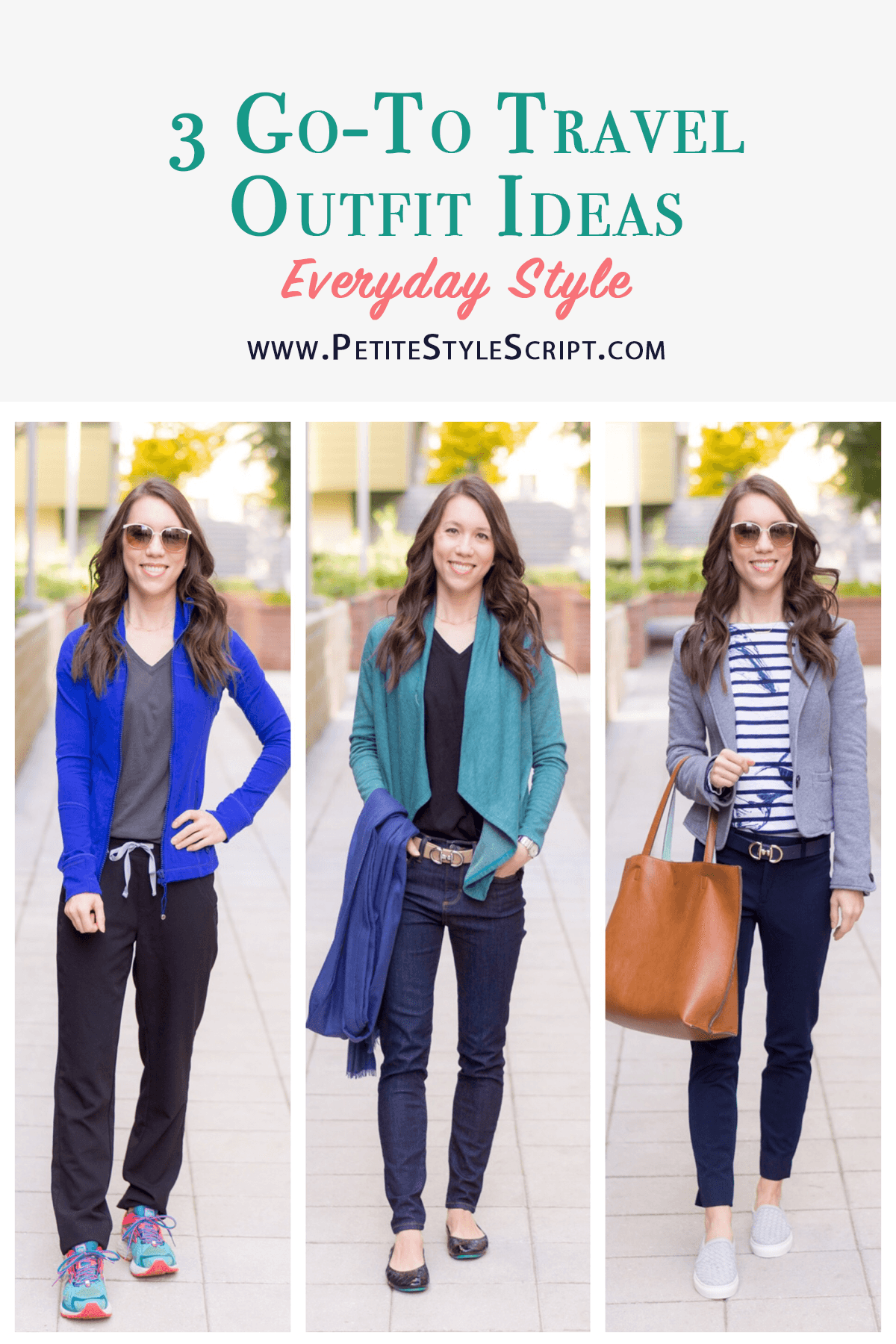
Ballet flats are a simple choice when you want a light, neat shoe. They pair well with dresses, skirts, cropped trousers, and jeans. Mary Janes offer a similar look but include a strap that helps hold the shoe in place.
These styles work well for:
- Office outfits with a soft, classic feel
- Dresses for lunch or daytime events
- Cropped pants
- Cardigans and skirts
- Casual outfits that feel too formal with heels
The main concern with ballet flats is support. Some have very thin soles and little structure. That may be fine for a short outing, but it may feel tiring during a long day of walking.
Look for a flat with:
- A cushioned insole
- A firm sole that does not fold in half
- A round, almond, or naturally shaped toe box
- A secure heel that does not slip
- A flexible upper without sharp seams
Mary Janes can be a better choice if your feet slide out of regular flats. Adjust the strap so it holds the foot without squeezing the top of the foot or leaving marks.
Ankle Boots for Jeans, Dresses, and Cooler Weather
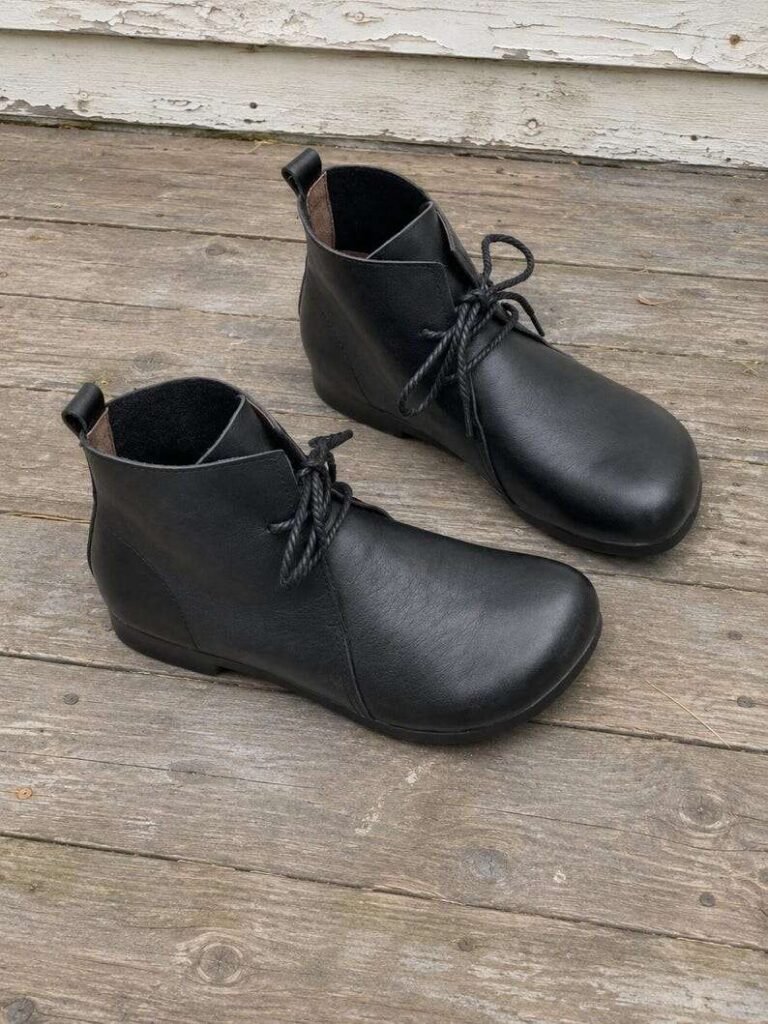
Ankle boots are a strong sneaker alternative in fall, winter, and early spring across much of the United States. They add coverage and can make a basic outfit look complete.
Try ankle boots with:
- Straight-leg or slim jeans
- Leggings and a long sweater
- Midi dresses
- Mini skirts with tights
- Wide-leg trousers
- Corduroy or wool pants
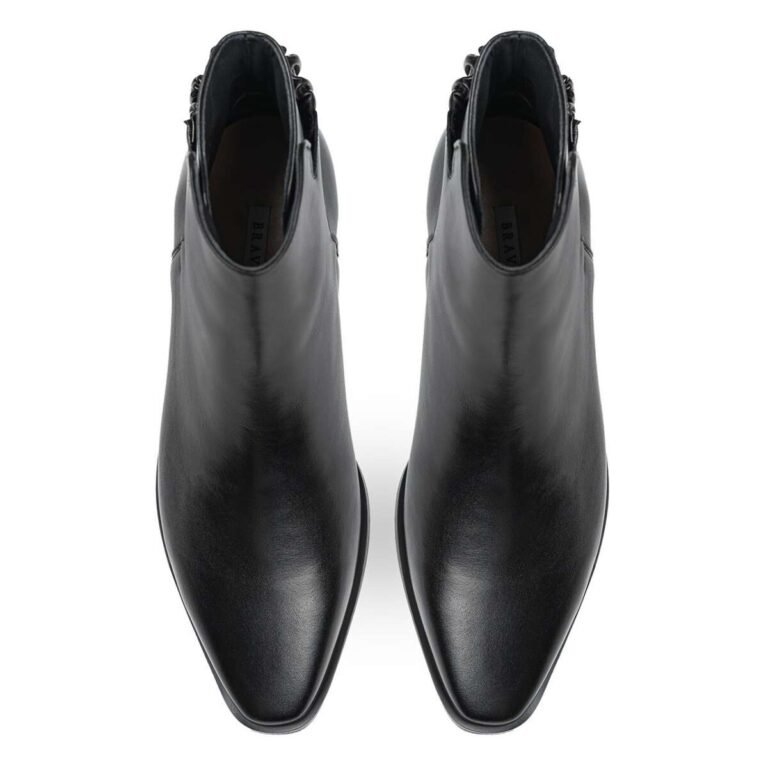
Chelsea boots have a clean shape and work well with casual and smart-casual clothes. Western-inspired ankle boots add more character. Block-heel boots give some height without the narrow base of a stiletto.
For comfort, check the shaft, heel, and toe area. The boot should not press against your ankle bone. Your heel may lift slightly when a boot is new, but it should not slide enough to cause rubbing. A thick sole can add insulation and grip, but a very heavy boot may tire your legs.
When the weather is wet or icy, check the outsole pattern. A fashionable boot is not automatically a safe walking shoe. Smooth soles can slip on wet sidewalks, painted floors, or packed snow.

Sandals for Warm Weather
Sandals are a natural choice when you want to replace sneakers in warm weather. They suit shorts, linen pants, skirts, sundresses, and lightweight jeans.
For everyday wear, consider:
- Sport-inspired sandals with adjustable straps
- Leather fisherman sandals
- Supportive slide sandals
- Flat sandals with a shaped footbed
- Low platform sandals with a wide base
A sandal for a short dinner may not be suitable for a full day at an outdoor market. For longer walks, choose a pair with a secure heel strap, a grippy sole, and an insole that supports your foot.
Avoid wearing loose slides for activities that require fast movement or uneven walking. They can shift on the foot and may force your toes to grip the sole. Flip-flops are best kept for brief, low-risk use, such as a pool deck or beach. They usually offer little protection, stability, or support.
Check straps before buying. They should hold the foot in place without cutting into the skin. If a sandal leaves deep marks, causes numbness, or creates pressure at the toes, try a different shape.
Oxfords and Derby Shoes for Work
Oxfords and Derby shoes give women a tailored alternative to sneakers. They work especially well in business-casual offices, interviews, conferences, and outfits built around trousers.
Wear them with:
- Suit trousers
- Ankle pants
- Wide-leg trousers
- A pencil skirt
- A knit dress
- Dark denim in a casual office
Oxfords usually have a more closed, structured look. Derby shoes often have a slightly more open lacing design. Both can look sharp with simple clothing because the shoe adds shape and contrast.
Choose a leather, suede, or textile upper based on the setting and weather. Smooth leather looks formal and is easy to wipe clean. Suede has a softer appearance but needs more care in rain and snow.
A structured shoe should still allow natural movement. Your toes should not touch the front, and the widest part of your foot should sit in the widest part of the shoe. If the shoe feels tight across the forefoot, do not assume it will stretch enough to become comfortable.

Clogs and Low Wedges for Extra Stability
Clogs and low wedges can replace sneakers when you want height, a firm sole, or a more distinctive look. They can suit jeans, dresses, jumpsuits, and casual office clothes.
Clogs often have a roomy toe area and a firm base. Some people like them for standing because the sole feels stable. Others find them heavy or less flexible than sneakers.
Low wedges spread height across more of the foot than a narrow heel. A wide wedge can feel steadier than a thin heel, but it still changes how you walk. Choose a low, broad design for better balance.
Before wearing either style for a full day, test:
- Whether your heel stays in place.
- Whether the sole bends enough for your stride.
- Whether the shoe feels too heavy.
- Whether you can climb stairs without catching the toe.
- Whether the footbed creates pressure under the arch or heel.
Do not use clogs or wedges for activities that require running, quick turns, or uneven trail walking unless the design is made for that purpose.
How to Choose the Right Shoe for the Occasion
The best alternative depends on what you will do. Use the table below as a starting point.
| Occasion | Good choices | Why they work |
|---|---|---|
| Business-casual office | Loafers, oxfords, low block heels | Polished without looking overly formal |
| Long shopping day | Supportive loafers, structured flats, walking sandals | Easier to style than sneakers while offering comfort |
| Wedding guest outfit | Dressy flats, low wedges, block-heel sandals | Adds polish without requiring a high heel |
| Travel day | Loafers, slip-on boots, supportive sandals | Easy to remove and practical for movement |
| Summer vacation | Fisherman sandals, low wedges, leather slides | Light and suited to warm weather |
| Date night | Ballet flats, ankle boots, Mary Janes | Stylish without a sporty look |
| Rainy day | Water-resistant boots with traction | Protects feet and helps reduce slipping |
| Cold weather | Insulated ankle boots or tall boots | Adds warmth and coverage |
Think about the full day, not just the first hour. A shoe may look ideal with your outfit but fail if you must walk several blocks, stand at a reception, or use public transportation.
How to Check Whether a Shoe Is Comfortable
Comfort starts with fit, not brand or appearance. The American Podiatric Medical Association and other foot-care organizations commonly advise choosing shoes that fit the shape of your feet and leave enough room for the toes.
Use this quick check:
- Try shoes on later in the day. Feet can swell as the day goes on, so a late-day fitting may show whether the shoe will remain comfortable.
- Wear the socks or hosiery you plan to use. Thick socks can change the fit of boots and loafers.
- Stand and walk. Do not judge a shoe while sitting.
- Check the toe room. Your toes should not press against the front or curl under.
- Check the width. The shoe should not pinch the ball of the foot or force the little toe inward.
- Watch for slipping. A little heel movement may occur in some shoes, but repeated rubbing is a warning sign.
- Look at the sole. A sole with some traction is useful on polished floors and wet sidewalks.
- Break shoes in slowly. Start with short periods before wearing them for a long event.
Pain, numbness, burning, or repeated blisters are not signs that a shoe simply needs more time. Stop wearing the pair if symptoms continue. If foot pain is persistent or affects your walking, ask a qualified health professional for advice.

What to Wear Instead of Sneakers With Common Outfits
With jeans
Loafers, ankle boots, Mary Janes, and clogs all work with jeans. For a clean look, pair straight-leg jeans with loafers. For cooler weather, choose ankle boots that sit neatly under or over the hem.
With leggings
Ankle boots, tall boots, and streamlined clogs tend to work better than delicate flats. Add a long cardigan, tunic, or structured jacket to balance the close fit of leggings.
With dresses
Try ballet flats, Mary Janes, sandals, ankle boots, or low wedges. Match the shoe’s visual weight to the dress. A light summer dress may look best with a simple sandal, while a thick knit dress can support a heavier boot.
With wide-leg pants
Loafers, oxfords, low wedges, and pointed-toe flats can help keep the outfit balanced. Make sure the hem does not drag on the ground, especially when wearing a flat shoe.
With shorts
Sandals, loafers, and canvas slip-ons create different effects. Sandals feel relaxed, loafers look more polished, and simple slip-ons keep the outfit casual without the athletic shape of a sneaker.
Common Mistakes to Avoid
The most common mistake is choosing a shoe only because it looks good. Style matters, but fit and use matter more.
Avoid these problems:
- Wearing thin flats for a full day of walking without testing them
- Buying a tight shoe and expecting it to stretch enough
- Choosing a smooth sole for wet or slick surfaces
- Wearing new heels to an event without breaking them in
- Using slides for long walks when they do not stay attached to the foot
- Ignoring rubbing, numbness, or sharp pressure
- Picking a heavy boot for travel without trying it on stairs
- Assuming expensive shoes will fit better than affordable shoes
A shoe does not need to be athletic to be comfortable. It does need the right shape, enough room, a stable base, and a design that matches the activity.

Frequently Asked Questions
What is the most comfortable alternative to sneakers?
Loafers, supportive sandals, soft ankle boots, and structured flats are common choices. The most comfortable option depends on your foot shape, walking needs, and the shoe’s fit. Look for toe room, a secure heel, cushioning, and a sole with useful grip.
What can women wear instead of sneakers with jeans?
Loafers, ankle boots, Mary Janes, clogs, oxfords, and simple sandals all work with jeans. Loafers create a polished look, boots suit cool weather, and sandals work well for summer outfits.
What shoes are best instead of sneakers for work?
Loafers, oxfords, Derby shoes, ballet flats with structure, Mary Janes, and low block heels are strong choices. Check your workplace dress code before choosing open-toe shoes, boots, or heels.
What should I wear instead of sneakers in the summer?
Choose supportive sandals, fisherman sandals, leather slides, low wedges, loafers, or lightweight flats. For long walks, use a sandal with a secure strap and a sole that provides traction.
How can I make flat shoes more comfortable?
Start with the right fit. Choose a flat with a firm sole, a cushioned footbed, and enough toe space. Wear it for short periods at first. If the shoe still causes pain or rubbing, a different shape may be better than adding an insert.
Final Recommendation
For the most useful everyday sneaker alternatives, begin with one pair of comfortable loafers, one pair of supportive sandals, and one pair of ankle boots. Add ballet flats, Mary Janes, oxfords, or low wedges based on your wardrobe and lifestyle.
Use the occasion, weather, walking distance, and fit as your guide. The best non-sneaker shoe is not simply the most fashionable option. It is the one that supports your feet, suits the setting, and lets you move through the day without pain.

Michael Smith is the Content Strategist behind The Style Hub, where fashion meets function. With a keen eye for trends and a passion for everyday style, he curates content that helps readers make smarter, more stylish choices—from the perfect pair of sneakers to must-have accessories. Michael specializes in breaking down fashion into practical, wearable insights, making style accessible for everyone. When he’s not researching the latest trends, he’s exploring how comfort, innovation, and timeless design come together in modern fashion.