Choosing sneakers for casual daily wear comes down to four things: fit, comfort, support, and use. The right pair should feel stable on U.S. sidewalks, floors, parking lots, and short walks without rubbing, slipping, or forcing your foot into a shape it does not suit.
For most people, a simple walking or lifestyle sneaker works well for errands, commuting, school runs, travel, and light daily activity. Start with the shape of your foot and your normal routine. Then check the fit in person, or use a careful return policy when buying online.
Start With How You Will Wear the Sneakers
The best casual sneakers match your daily tasks. A shoe for short errands does not need the same build as one used for long walks or standing all day.
Ask yourself:
- How many hours will I wear them?
- Will I walk on sidewalks, indoor floors, trails, or mixed ground?
- Do I stand at work?
- Will I wear thin socks, thick socks, or no-show socks?
- Do my feet swell during the day?
- Do I need a wide, narrow, or roomy toe box?
Use this simple guide:
| Daily use | Features to favor | Features to avoid |
|---|---|---|
| Short errands | Light build, soft lining, flexible sole | Heavy, stiff materials |
| Long walks | Stable heel, good cushioning, secure fit | Loose heel or flat, thin sole |
| Standing for hours | Even cushioning, firm base, breathable upper | Very soft foam that feels unstable |
| Travel | Comfort, low weight, reliable grip | Shoes that need a long break-in |
| Casual office wear | Clean shape, quiet sole, easy care | Bulky trail tread or bright sport details |
| Mixed city and park use | Durable outsole, moderate tread, stable midsole | Smooth sole with little grip |
A casual sneaker should feel natural from the first wear. Some shoes soften over time, but pain is not a normal break-in signal. If a shoe causes sharp pain, numbness, or repeated rubbing, stop wearing it and reassess the fit.

Check the Fit Before You Judge the Style
Fit matters more than color, brand, or trend. A well-fitting sneaker should hold your heel, let your toes move, and avoid pressure on the sides of your foot.
The American Academy of Orthopaedic Surgeons advises wearing shoes that fit well and leave enough room for the toes. The American Podiatric Medical Association also stresses proper fit and foot comfort. These points apply to casual shoes as well as athletic footwear.
Use the longer foot as your guide
Many people have one foot that is a little longer or wider than the other. Fit the shoe to the larger foot. Your toes should not touch the front when you stand.
Leave some space in front of the longest toe. The exact amount varies by foot shape and shoe design, so use comfort and movement as the test. Your toes should be able to spread and move without pressing into the upper.
Check the toe box
The toe box is the front part of the shoe. It should give your toes room in both length and width.
A good toe box lets you:
- Wiggle your toes.
- Keep the big toe fairly straight.
- Avoid pressure on the little toe.
- Stand without your toes curling.
- Walk without the front of the shoe pressing down.
A pointed or narrow shoe may look sleek but still cause pressure. If you have bunions, hammertoes, or a naturally wide forefoot, look for a wider shape rather than simply buying a longer size.
Test the heel
Your heel should stay in place while you walk. A small amount of movement can happen in some shoes, but repeated lifting can cause blisters and make the shoe feel unstable.
Try the following:
- Lace the shoe as you would for normal use.
- Walk on a firm floor.
- Walk up a few steps if possible.
- Check whether the heel slips.
- Check whether the laces create pressure on the top of your foot.
A padded heel collar can improve comfort, but padding cannot fix a poor shape. If you must tighten the laces very hard to stop slipping, try another size or model.
Shop later in the day
Feet often become larger after hours of standing and walking. Shopping later in the day can help you avoid a tight fit. Wear the socks you plan to use with the sneakers.
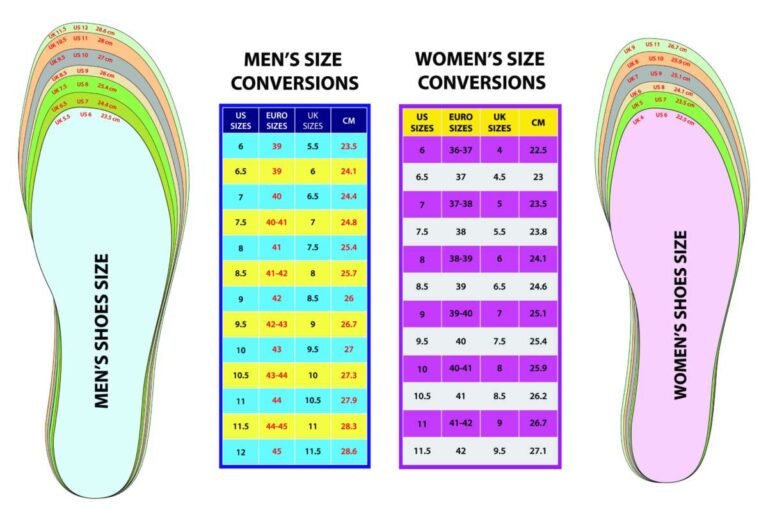
When buying online, measure both feet while standing. Follow the brand’s size chart, but do not assume that the same size will fit every brand. Shoe sizes can vary by model, shape, and country.

Choose the Right Amount of Cushioning and Support
Cushioning and support are related, but they are not the same. Cushioning reduces the feel of impact. Support helps the shoe stay stable and helps guide the foot as you move.
For casual wear, moderate cushioning is often the most useful starting point. It can feel comfortable without making the shoe too soft or bulky.
Pick cushioning based on the task
More cushioning may help if you:
- Walk for long periods.
- Spend much of the day on hard floors.
- Prefer a softer feel.
- Carry a bag during your commute.
- Have a higher body weight and find thin soles uncomfortable.
Less cushioning may suit you if you:
- Prefer a firm, close-to-the-ground feel.
- Wear sneakers for short errands.
- Want a lighter, less bulky shoe.
- Feel unstable in very soft shoes.
Extra cushioning is not automatically better. A very soft midsole can feel pleasant at first but may feel less stable for some people. The right level is the one that lets you walk comfortably and confidently.
Look for a stable base
A stable casual sneaker usually has:
- A heel that does not twist easily.
- A sole that sits flat.
- A midsole that does not collapse to one side.
- A secure upper.
- Enough flexibility near the toes.
You do not need a rigid shoe for normal daily wear. The shoe should bend near the front of the foot, not fold in the middle with little control.
Be careful with arch labels
Terms such as “high arch,” “neutral,” and “motion control” can help describe a shoe, but they do not replace a fit test. A shoe labeled for your arch type may still feel wrong.
If you have ongoing foot pain, a known foot condition, or a major difference in the way you walk, ask a podiatrist or other qualified clinician for advice. General shoe guidance cannot diagnose the cause of pain.

Match the Sneaker to Your Activity
A casual sneaker can handle many tasks, but no single design is best for every activity. Choose the shoe around your most common use.
For daily walking
Choose a sneaker with:
- A comfortable, secure upper.
- A flexible front.
- A stable heel.
- Moderate cushioning.
- A sole with enough grip for dry and wet sidewalks.
A walking shoe may be a better choice than a fashion sneaker when you regularly walk several miles. It often offers more structure and a sole designed for repeated steps.
For standing all day
Standing places steady pressure on the feet, even when you take few steps. Look for a balanced sole, soft but not unstable cushioning, and an upper that does not pinch.
Try standing in the shoes for several minutes. A pair that feels good while seated may feel tight when your feet take your full weight.
For travel
Travel sneakers should be comfortable, light enough to carry, and easy to wear for long periods. Choose a pair that already feels good. Do not take a new pair on a long trip without testing it first.
A breathable upper can help in warm weather. In cold or wet areas, a more protective upper may matter more than maximum breathability.
For light gym use
Casual sneakers are fine for light machines, warmups, and easy walking. They may not be suitable for running, court sports, lifting, or high-impact classes.
Running shoes are made for repeated forward movement. Court shoes are made for side-to-side movement. Training shoes often use a wider, more stable base. Use footwear designed for the activity when the activity becomes a regular part of your routine.

Compare Materials, Weight, and Grip
Materials affect comfort, care, durability, and price. No material wins in every setting.
Mesh and knit uppers
Mesh and knit materials often feel light and allow airflow. They can work well in warm weather or for long periods of wear.
Their limits include:
- Less protection from rain.
- Possible stretching over time.
- More difficulty cleaning some stains.
- Less structure for feet that need a firm hold.
Leather and synthetic leather
Leather and synthetic leather can give a cleaner look and may resist light scuffs. They can suit office-casual outfits and cool weather.
They may feel warmer and less flexible than mesh. Leather also needs suitable care to avoid drying or cracking. Follow the care instructions for the exact shoe.
Rubber outsoles
The outsole is the bottom layer that touches the ground. Rubber can provide useful grip and wear resistance, but tread design matters too.
Check the sole before buying:
- Are the grooves deep enough for your normal surfaces?
- Does the rubber cover the areas that contact the ground?
- Does the sole feel stable when you turn?
- Does it slide easily on a smooth store floor?
No casual sneaker is slip-proof on every surface. Wet tile, ice, oil, and polished floors can still be hazardous.
Weight
A lighter sneaker may feel easy to wear all day. A heavier sneaker may offer more protection or durability. Compare weight only within a similar use category. A lightweight fashion shoe and a lightweight walking shoe may not provide the same stability or grip.
Use This Step-by-Step Buying Method
A clear process makes it easier to compare sneakers without being distracted by appearance.
1. Set your main use
Choose the activity that will take up most of your wear time. Write it down if you are shopping online. This keeps you from buying a shoe that looks versatile but fits none of your needs well.
2. Set a comfort and fit baseline
Bring your usual socks. If you use an insert, bring it too. Wear both shoes and stand up.
Check:
- Toe room.
- Heel security.
- Side pressure.
- Tongue pressure.
- Arch comfort.
- Sole stability.
3. Walk for several minutes
Walk at your normal pace. Turn, climb stairs, and stand still if the store allows it. Pay attention to rubbing, slipping, and pressure.
A shoe can feel soft yet still fit badly. Comfort includes both softness and control.
4. Compare two or three shapes
Do not compare only brands. Compare different shoe shapes from the same brand and from other brands. A wider toe box, lower heel collar, or more flexible sole may solve the issue you notice.
5. Review the return policy
Online fit can be uncertain. Check the return window, wear rules, shipping cost, and final-sale terms before ordering. Keep the box until you know the fit works.
6. Test them at home
Wear the sneakers indoors on a clean floor. Try them with your normal socks. If your toes feel cramped, your heel slips, or pain begins, return them if allowed.
Signs of success include:
- No rubbing during a normal walk.
- No numbness or tingling.
- Toes can move.
- Heel stays mostly in place.
- The shoe feels stable when you turn.
- You do not need to “get used to” pain.
Avoid These Common Buying Mistakes
The most common mistake is choosing style first and fit second. A casual sneaker should work with your feet, not ask your feet to tolerate it.
Avoid these errors:
- Buying a tight shoe because it may stretch.
- Choosing a larger size to solve a width problem.
- Ignoring heel slip.
- Testing only one shoe.
- Shopping in socks that differ from your daily socks.
- Judging comfort while sitting down.
- Assuming a high price guarantees a better fit.
- Using running shoes for sports that need side-to-side support.
- Keeping shoes that cause blisters or numbness.
- Replacing a painful fit with thicker socks.
A shoe may need a short adjustment period for its materials to soften. However, sharp pain, persistent pressure, numbness, or skin damage are warning signs. Stop using the pair and seek clinical advice if symptoms continue.
If you have diabetes, reduced sensation, poor circulation, or a foot wound, shoe fit deserves extra care. A health professional can give advice suited to your condition. Do not rely on pain as your only warning sign when sensation is reduced.

Care for Your Casual Sneakers
Good care can help sneakers stay comfortable and presentable, but it cannot restore worn cushioning or a damaged sole.
Use these basic habits:
- Let shoes dry fully between long wears.
- Remove loose dirt with a soft brush.
- Follow the maker’s cleaning instructions.
- Avoid high heat unless the manufacturer allows it.
- Rotate pairs if you wear sneakers every day.
- Replace worn insoles when they no longer feel supportive.
- Check the outsole for smooth spots and uneven wear.
Replace sneakers when the fit changes, the sole becomes badly worn, the upper no longer holds your foot, or comfort drops during normal use. There is no single mileage number for casual shoes because body weight, walking surface, shoe materials, and use all vary.
Uneven wear can offer a clue about how the shoe contacts the ground, but it does not diagnose a gait problem. If you have pain or repeated injuries, consult a qualified health professional.

Frequently Asked Questions
Should casual sneakers feel tight at first?
No. They should feel secure but not tight. The toes need room to move, and the sides should not press into the foot. Materials may soften, but they usually do not create enough extra room to fix a poor fit.
Are sneakers with arch support better for daily wear?
Not for everyone. Some people prefer added support, while others find it uncomfortable. Judge the shoe by fit, stability, and comfort during walking. If you have ongoing pain, ask a qualified clinician for an individual assessment.
How much toe room should sneakers have?
Your longest toe should not touch the front when you stand and walk. Use the shoe’s shape, your toe movement, and comfort as the guide. If the shoe is too narrow, buying a longer size may create heel slip without solving the problem.
Can I wear running shoes as casual sneakers?
Yes, for walking and everyday use, many running shoes can feel comfortable. They may look or feel too soft for some outfits or activities. Do not use them as a substitute for court, training, hiking, or work shoes when those activities need different support.
How often should I replace casual sneakers?
Replace them when they no longer fit well, feel comfortable, or provide a stable base. Look for worn tread, compressed cushioning, broken upper materials, and new aches after normal wear. Use condition rather than a fixed calendar date.
Conclusion
To choose sneakers for casual daily wear, start with your real routine. Then find a shape that gives your toes room, holds your heel, and feels stable when you walk.
Choose moderate cushioning unless your use calls for more or less. Check the sole, upper, grip, and return policy. Most of all, treat pain, numbness, and repeated rubbing as signs to stop and reassess rather than problems you must push through.
Your next step is simple: list your main daily use, measure both feet while standing, and try on two or three sneaker shapes with your usual socks.

Michael Smith is the Content Strategist behind The Style Hub, where fashion meets function. With a keen eye for trends and a passion for everyday style, he curates content that helps readers make smarter, more stylish choices—from the perfect pair of sneakers to must-have accessories. Michael specializes in breaking down fashion into practical, wearable insights, making style accessible for everyone. When he’s not researching the latest trends, he’s exploring how comfort, innovation, and timeless design come together in modern fashion.