
How To Get Boots To Stop Squeaking: Quick Fixes
Rub talc inside, tighten loose parts, and treat leather or soles to stop squeaks fast.
I’ve fixed squeaky footwear for years as a hobbyist cobbler and boot wearer. This guide on how to get boots to stop squeaking explains causes, quick home fixes, step-by-step repairs, and prevention. Read on for simple, tested methods and real-life tips you can use today.

What makes boots squeak?
Squeaks come from two surfaces rubbing or trapped air and moisture. Common causes include loose insoles, worn heel counters, damp leather, slippery outsoles, and rubbing seams. The phrase how to get boots to stop squeaking starts with identifying the exact source. Narrowing cause fast makes the fix simple and lasting.
Signs to spot the source
- Squeak only on one foot suggests an insole or outsole issue.
- Squeak on every step often means the insole or midsole moves.
- Squeak only on stairs hints at heel or shank movement.
- A wet sound after rain points to moisture in materials.
Personal note: I once fixed a pair of hiking boots that squeaked on every step. The culprit was a compressed foam insole. Replacing it solved the problem for years and taught me to check insoles first.
Quick fixes you can try at home
Here are fast, low-cost fixes for how to get boots to stop squeaking. Try them in order from least invasive to more involved.
- Use baby powder or talc inside
- Remove the insole and sprinkle a light layer of powder under and around it. Replace insole and test.
- Tighten loose eyelets, buckles, and laces
- Secure fit reduces movement that causes squeaks.
- Dry the boots thoroughly
- Air dry at room temperature. Stuff with newspaper to pull moisture out.
- Condition leather
- Dry, cracked leather can creak. Apply a small amount of leather conditioner.
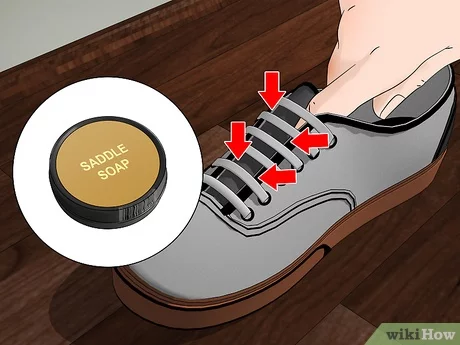
- Rub sole junctions with silicone spray or a little petroleum jelly
- Apply sparingly where the sole meets upper to reduce friction.
I used baby powder on a pair of winter boots that squeaked after a wet commute. It worked for weeks and proved that simple fixes often do the trick.

Deeper fixes: step-by-step for different materials
Different boots need different attention. Here are clear steps for leather, rubber, and synthetic boots when simple fixes fail.
Leather boots
- Remove the insole and clean inside with a dry cloth.
- Apply a leather conditioner to the upper and seams.
- Check the heel counter and glue joints for separation. Re-glue if small gaps appear.
- Replace a worn insole with a snug-fitting one.
Rubber and synthetic boots
- Inspect outsole for pebbles or trapped debris and remove them.
- Use a thin film of silicone spray between layers where the squeak occurs.
- Replace worn, thin midsoles that allow movement.
Seam or stitch noise
- Apply a few drops of leather-friendly lubricant to the stitch line where fabric rubs.
- If stitching rubs on the foot, add a thin fabric patch or replace the insole for padding.
Midsole or shank movement
- If the shank or midsole moves, a cobbler can re-cement or re-stitch layers. This is common in heavy-use work boots.
How to get boots to stop squeaking when the insole moves
- Try adhesive-backed foam or double-sided tape under the insole to keep it from sliding.
- Test the boot between fixes to avoid overdoing adhesives.
Preventing boots from squeaking long-term
Prevention keeps you quiet on every step. These tips help you avoid the repeat problem of how to get boots to stop squeaking.
- Keep boots dry and ventilate after use.
- Rotate footwear instead of wearing one pair daily.
- Use quality insoles that match foot shape.
- Store leather boots with conditioner applied seasonally.
- Check for loose glue lines and re-glue early before gaps form.
A simple habit I use is rotating three pairs of boots. They last longer and squeaks rarely return. Prevention beats constant repair.

When to seek professional help
Sometimes DIY fails. Seek a cobbler or repair shop if:
- Glue separation or sole delamination is visible.
- The midsole or shank is damaged.
- You want a permanent fix like re-cementing, re-stitching, or sole replacement.
A pro can diagnose hidden problems quickly. Getting professional work can cost more but often restores boots for years. If you sell high-end boots, professional repair preserves value and comfort.

PAA-style questions (short answers)
Why do boots squeak when wet?
- Moisture softens materials and creates suction between layers, causing a squeak. Drying and using absorbent powder usually stops it.
Can talc really stop boot squeaks?
- Yes, talc reduces friction under the insole and between layers. Use sparingly and reapply if the squeak returns.
Will conditioner remove squeaks in leather boots?
- Leather conditioner helps by softening stiff areas and reducing creaking. It works best when dryness is the main cause.

Frequently Asked Questions of how to get boots to stop squeaking
How do I find the exact spot that’s squeaking?
Remove the insole and walk. If the noise stops, the insole or its fit is the issue. If it continues, inspect seams, heel, and outsole.
Is baby powder safe for all boot materials?
Baby powder is safe for many boot interiors but avoid overuse and do not use on suede surfaces. Use a small amount and test first.
Can new boots squeak and how long will that last?
New boots can squeak due to factory glues or stiff parts. Break-in, dryness, and conditioning usually stop the noise in a few weeks.
Will replacing the insole fix most squeaks?
Yes, replacing a worn or poorly fitted insole fixes many squeaks. Use a quality insole and secure it with tape if needed.
Are silicone sprays safe for leather and rubber?
Silicone sprays can reduce friction but use products labeled safe for footwear. Wipe off excess and test in an inconspicuous area.
Conclusion
Squeaky boots are fixable. Start by finding the source, try gentle fixes like powder or conditioner, and move to repairs only when needed. If simple steps fail, a cobbler can deliver a durable repair. Tackle the problem step by step, and you’ll walk quietly again.
Take action today: check the insole, dry your boots, and try a powder or adhesive strip. If you found this guide useful, leave a comment with your boot type and problem, or subscribe for more shoe care tips.

Michael Smith is the Content Strategist behind The Style Hub, where fashion meets function. With a keen eye for trends and a passion for everyday style, he curates content that helps readers make smarter, more stylish choices—from the perfect pair of sneakers to must-have accessories. Michael specializes in breaking down fashion into practical, wearable insights, making style accessible for everyone. When he’s not researching the latest trends, he’s exploring how comfort, innovation, and timeless design come together in modern fashion.