
Are Zero Drop Shoes Good For Walking: Best Guide
Zero-drop shoes can be good for walking when they fit well and your feet adapt to their flat, natural design.
Are zero drop shoes good for walking? The answer depends on your foot shape, walking style, current shoes, and comfort needs. Zero-drop shoes can support a natural stride and offer a wide, stable base, but they may also place more work on your calves and Achilles tendon. This guide explains the benefits, risks, fit tips, and safest way to make the switch.
What Are Zero-Drop Shoes?
Zero-drop shoes have the same amount of cushioning under the heel and the forefoot. This creates a flat platform from front to back. By contrast, many walking and running shoes raise the heel several millimeters above the toes.
The term “drop” refers to the height difference between the heel and the forefoot. It does not describe how soft, thick, or supportive a shoe is.
A zero-drop shoe may still have:
• Thick cushioning
• A firm or soft midsole
• Arch support
• Motion control
• A wide or narrow toe box
• A flexible or stiff sole
This detail matters because zero drop and minimalist are not the same. A zero-drop walking shoe can feel plush and protective. A minimalist shoe is usually thin, light, and flexible.
If you wonder, are zero drop shoes good for walking, start by looking beyond the zero-drop label. The full shoe design matters just as much.
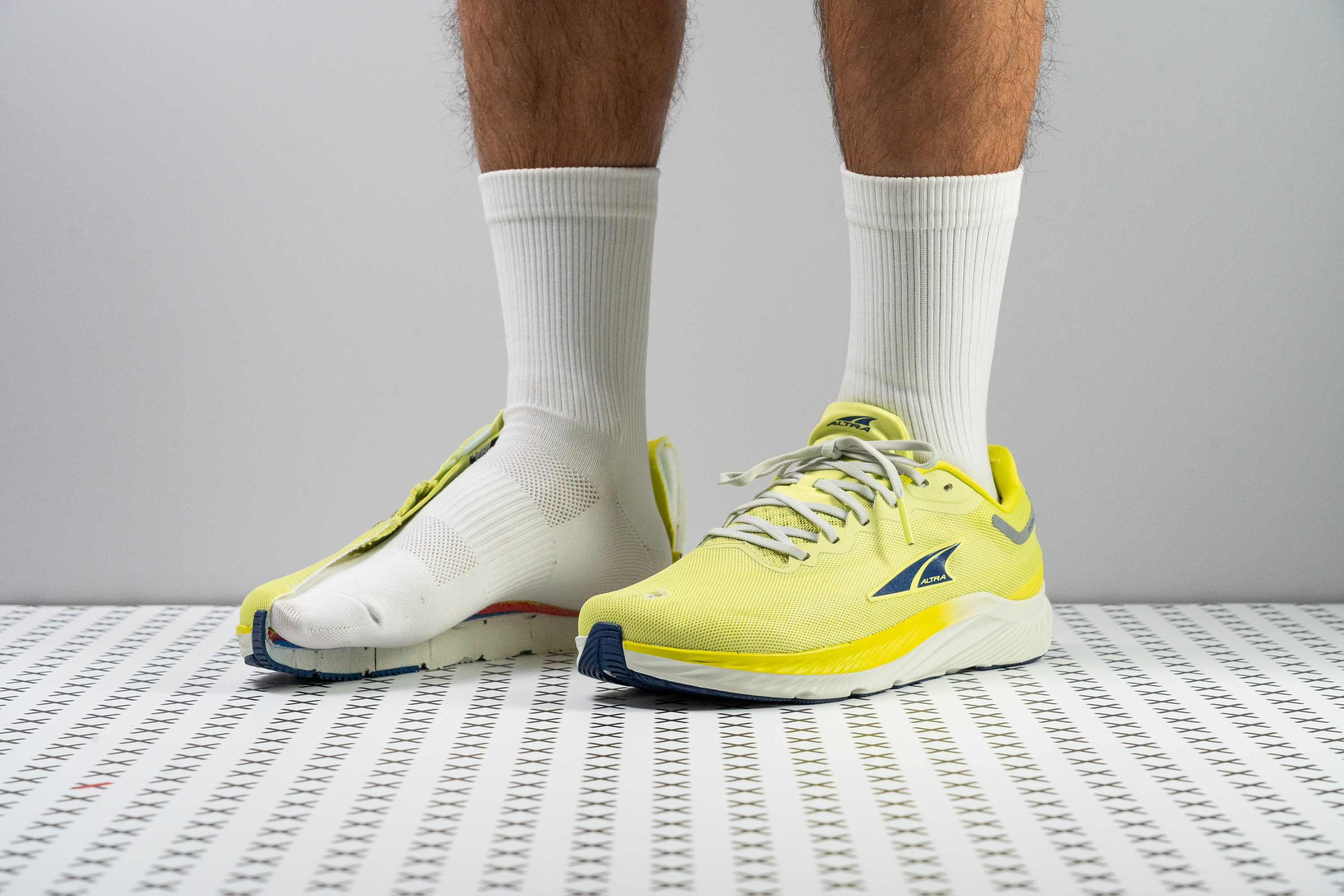
Are Zero Drop Shoes Good for Walking?
Yes, zero-drop shoes can be good for walking for many people. They may help your foot sit in a more level position and can promote a natural feeling when your foot contacts the ground.
Some walkers like the even base because it feels stable. Others enjoy the extra room found in many zero-drop shoes. This room lets the toes spread and work during each step.
Still, zero-drop shoes are not automatically better. A flat shoe can increase the stretch and workload on the calf muscles. The Achilles tendon may also need time to adjust, especially if you usually wear shoes with a high heel-to-toe drop.
Are zero drop shoes good for walking on pavement? They can be, especially when the shoe has enough cushioning and a durable outsole. For long walks, hard surfaces, or daily errands, comfort should guide your choice more than the shoe category.
Benefits of Zero-Drop Walking Shoes
Zero-drop walking shoes may offer several useful benefits. These benefits vary from person to person, but they explain why the design has become popular.
A level platform
A flat sole can help you feel balanced. Your heel and forefoot sit at a similar height, which may create a more even base during standing and walking.
This does not guarantee better posture. However, some people feel less pushed forward than they do in shoes with a raised heel.
More room for natural foot movement
Many zero-drop shoes also have a wide toe box. A roomy toe box allows the toes to spread instead of squeezing together.
Your toes help with balance and push-off. When they have space, walking can feel more natural. This feature may be useful for people with bunions, wide feet, or sensitive toes, although a wide shoe does not treat a medical condition.
A stable feel
A flat shoe can feel steady during slow walks, gym sessions, and daily tasks. Some models also use a broad outsole that gives your foot a firm base.
Stability depends on the entire shoe. Sole width, grip, cushioning, and upper fit all matter.
Greater foot and calf engagement
Zero-drop shoes may ask more from the muscles in your feet and lower legs. Some people enjoy this active feeling.
However, more muscle work is not always better. It can lead to soreness when you change too quickly.
A natural walking sensation
Many users say zero-drop shoes feel more natural. This often means the shoe does not force the heel into a raised position.
Natural does not mean risk-free. Barefoot walking is natural too, but most people still need time to build tolerance on concrete and asphalt.
Are zero drop shoes good for walking if you want a natural feel? They may be a strong option, but comfort and gradual use remain essential.

Possible Drawbacks and Risks
Zero-drop walking shoes also have limits. Knowing them can help you avoid a painful transition.
Calf and Achilles strain
The most common problem is soreness in the calves or Achilles area. A raised heel keeps the ankle in a slightly more lifted position. Moving to a flat shoe can lengthen the calf and Achilles during each step.
This change may feel small, but thousands of steps can add up. A sudden switch can cause tight calves, tendon pain, or foot fatigue.
Less cushioning in some models
Some zero-drop shoes are minimalist. They may offer less foam between your feet and the ground.
That can feel fine on grass or soft trails. It may feel harsh on concrete. Check the midsole thickness before buying if you walk on hard ground.
A difficult transition
If you wear traditional walking shoes every day, your body may need several weeks to adjust. The transition can be slower if you have stiff ankles, weak calves, or a history of foot pain.
Do not treat soreness as proof that the shoe is working. Pain is a signal to reduce use and reassess the fit.
Not ideal for every foot problem
People with certain injuries or medical conditions may need a different shoe. Plantar heel pain, Achilles tendinopathy, arthritis, severe flat feet, and recent foot surgery all require extra care.
A podiatrist or physical therapist can assess your gait and recommend a suitable design. Shoe advice cannot replace a clinical exam.
Are zero drop shoes good for walking when you already have foot pain? Sometimes, but they should not be your first experiment without professional guidance.

How to Transition to Zero-Drop Shoes
A slow transition is the safest approach. Your feet, calves, and tendons need time to build strength and tolerance.
Use these steps:
-
Wear the shoes at home for 20 to 30 minutes.
-
Walk on a soft, flat surface for short periods.
-
Increase your time by about 10 to 15 minutes every few days if you feel well.
-
Keep your old walking shoes available.
-
Avoid long hikes, speed walks, and steep hills at first.
-
Stop or reduce use if pain changes your walking pattern.
Mild muscle tiredness can be normal. Sharp pain, swelling, limping, numbness, or pain that lasts into the next day is not something to ignore.
When I test a new walking shoe, I pay close attention to the next morning. A shoe may feel fine during a short walk but cause tight calves or sore feet later. This simple check has helped me avoid increasing distance too fast.
A gradual plan is especially important if you ask, are zero drop shoes good for walking all day. Full-day use should come after you can wear the shoes comfortably for shorter walks.

How to Choose the Best Zero-Drop Walking Shoes
The best zero-drop shoe is the one that matches your feet and walking needs. Use these features as a buying guide.
Check the toe box
Your toes should move freely. You should have about a thumb’s width of space between your longest toe and the end of the shoe.
The shoe should not squeeze the sides of your foot. A loose heel, however, can cause slipping and blisters.
Test the heel fit
Your heel should stay in place without tight lacing. Walk up and down a slope if possible. Your foot should not slide forward.
A secure heel and roomy forefoot create a better fit than a shoe that is simply wide everywhere.
Choose enough cushioning
For sidewalks and roads, moderate cushioning may feel better than a thin sole. For trails, look for grip and protection from rocks.