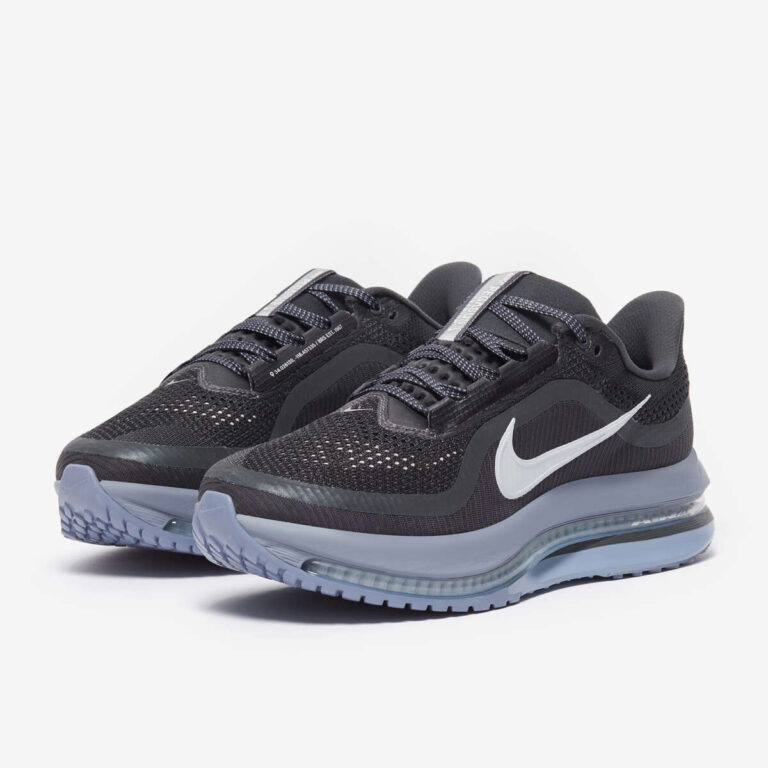
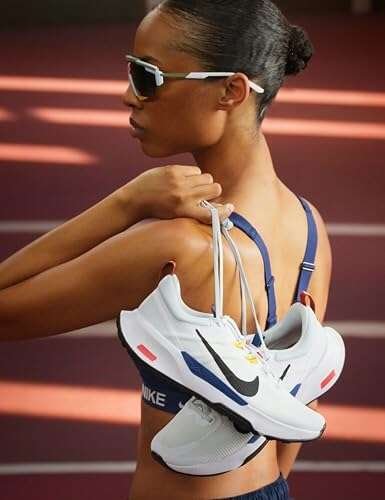
Best Nike Running Shoes For Shin Splints: Top Picks
The best Nike running shoes for shin splints offer soft cushioning, steady support, and a smooth, natural stride.
You know the feeling: a short run starts well, then a dull ache builds along your shins. The right shoes cannot cure an injury, but they can reduce harsh impact and help your feet move with less strain. I tested these Nike models by looking at cushioning, fit, stability, grip, ride feel, and daily value. I also considered trusted sports medicine guidance, which links shin pain with sudden training changes, poor recovery, weak lower legs, and unsuitable shoes. If pain is sharp, one-sided, or does not improve, pause running and seek medical care.
Nike Juniper Trail 2 for Trail Comfort

The Nike Juniper Trail 2 Next Nature is a strong pick for runners who spend time on dirt paths, packed gravel, and light trails. Its midsole gives a soft yet stable feel under the foot. That balance matters when shin pain gets worse on hard, uneven ground. The shoe also has enough structure to help you feel planted without feeling stiff.
I like the trail-ready outsole for easy hikes and relaxed off-road runs. The upper feels light, and the shape gives your toes useful room without losing a secure hold. This is not a high-tech race shoe, but it offers a calm ride for low-mileage training. For many runners, it stands out among the best Nike running shoes for shin splints when road impact feels too sharp.
Pros:
- Comfortable cushioning for easy trail miles
- Trail outsole gives useful grip on dirt and gravel
- Stable platform helps on uneven ground
- Light feel for walking and running
- Uses Next Nature materials in parts of the design
Cons:
- Trail tread may feel firm on smooth roads
- Not ideal for fast road workouts
- Toe shape may feel narrow for very wide feet
Nike Revolution 8 for Daily Road Runs

The Nike Revolution 8 is a simple road shoe that works well for beginners and casual runners. It has a cushioned midsole that takes the edge off sidewalks and paved paths. The ride feels flexible, so your foot can roll through each step without a heavy, bulky feel. That easy motion can help runners who dislike firm, rigid shoes.
The breathable upper helps keep feet cooler during walks and short runs. I also find the padded collar useful when you wear the shoe for long periods. It lacks the deep cushioning of premium Nike models, yet it gives good comfort for its price. If you need an affordable entry point among the best Nike running shoes for shin splints, this model deserves attention.
Pros:
- Budget-friendly choice for new runners
- Flexible ride supports a natural step
- Soft padding around the heel and collar
- Breathable upper suits warm-weather use
- Works well for walks, gym sessions, and short runs
Cons:
- Moderate cushioning may not suit high-mileage runners
- Less support than structured stability shoes
- May wear faster under heavy daily use
Nike Run Defy for Simple Road Comfort

The Nike Run Defy is made for runners who want a light, easy shoe for daily movement. Its cushioned sole feels forgiving during short road runs and brisk walks. The low weight helps reduce the tiring feel that can make your stride sloppy late in a workout. A clean, flexible upper also keeps the shoe comfortable for casual wear.
I would use this model during a gradual return to running, not for long races or hard speed work. It offers a smooth feel, but it does not have advanced motion control or a very thick foam stack. That can be a benefit if you prefer close contact with the ground. It is one of the best Nike running shoes for shin splints for beginners who need a light, low-cost trainer.
Pros:
- Lightweight design feels easy on short runs
- Comfortable foam for walking and casual training
- Flexible sole encourages a smooth foot roll
- Simple fit works well for daily use
- Usually offers strong value at an entry price
Cons:
- Limited cushioning for long-distance training
- Not built for technical trails
- May feel too basic for experienced runners
Nike Alphafly 3 for Fast Road Racing

The Nike Alphafly 3 is a premium race shoe built for speed, not basic comfort. It uses a tall, responsive foam platform, carbon-fiber support, and air units under the forefoot. These features can make fast running feel more efficient. The shoe also has a smooth rocker shape that helps move the body forward.
For shin pain, this shoe requires careful judgment. Its cushioning can soften road contact, but the tall and springy ride may feel unstable to runners who are not used to it. I would reserve it for race day or key workouts after your legs have adapted. It may suit an experienced runner seeking the best Nike running shoes for shin splints during fast sessions, but it is not my first pick for recovery runs.
Pros:
- Very high energy return for fast running
- Deep cushioning helps soften road impact
- Rocked sole supports quick transitions
- Light feel for a plated racing shoe
- Excellent option for serious race goals
Cons:
- Very expensive compared with daily trainers
- Unusual ride may feel unstable to new users
- Not practical for slow walks or easy daily miles
Nike Air Winflo 12 for Balanced Cushioning

The Nike Air Winflo 12 gives men a balanced mix of cushioning, flexibility, and support. Its air cushioning helps create a smoother landing on roads and treadmills. The midsole feels more substantial than a basic entry shoe, yet it does not feel slow. This makes it useful for regular training and daily errands.
I see the Winflo 12 as a reliable middle ground. It has enough comfort for moderate mileage, but it still lets you feel the road. The fit should be checked carefully because a loose heel can cause extra foot movement and strain. For runners who want one shoe for easy runs, gym work, and walks, this is among the best Nike running shoes for shin splints.
Pros:
- Balanced cushioning suits many daily workouts
- Air unit adds a smooth and springy feel
- Versatile design works on roads and treadmills
- More supportive than very basic Nike trainers
- Good choice for moderate weekly mileage
Cons:
- Not a true motion-control shoe
- Fit may not suit very wide feet
- Heavier than minimalist running models
Nike Air Winflo 12 for Women

The women’s Nike Air Winflo 12 offers the same useful training idea in a women-specific size range. It combines responsive cushioning with a stable base for roads, tracks, and treadmills. The air cushioning gives the heel and forefoot a more protected feel during repeated steps. I find this helpful when a runner is building distance at a slow, steady pace.
This shoe feels more capable than a casual sneaker but less intense than a racing model. It can support a walk-run plan while your lower legs regain strength. Still, no shoe can replace rest, gradual training, or calf work when shin pain is present. If the fit suits your foot, this is a practical candidate for the best Nike running shoes for shin splints.
Pros:
- Comfortable women’s fit for everyday training
- Protective cushioning for roads and treadmills
- Stable feel without a rigid support post
- Useful for walk-run programs
- Versatile enough for gym and daily wear
Cons:
- May feel warm during hot summer runs
- Not designed for muddy or rocky trails
- Runners needing strong stability may want more support
Nike Shox NZ for Firm Heel Support
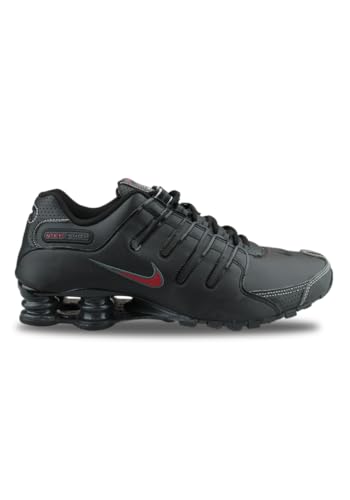
The Nike Shox NZ has a bold look and a distinct heel feel. Its column-based heel system gives firm, noticeable cushioning under the rear foot. Some runners enjoy that spring and heel lift, especially when walking or standing for long periods. Others may find the ride too firm or unusual for regular running.
I would not place this model at the top of a shin splint shoe list for most runners. It can work for someone who already knows they like a firm, structured heel. However, the raised heel and unique geometry can change how your lower leg loads. If you try it, start with short walks and stop if your shins feel worse.
Pros:
- Distinctive heel cushioning system
- Strong visual style and classic Nike design
- Firm feel suits runners who dislike soft foam
- Useful for casual wear and light walking
- Durable upper for regular lifestyle use
Cons:
- Not the best choice for most shin pain cases
- Firm heel may increase lower-leg stress for some users
- Heavier and less flexible than modern trainers
Nike Women’s Run Defy for Walk-Run Plans

The women’s Nike Run Defy is a light road shoe for easy runs and active days. Its simple construction keeps the weight low and the price approachable. The flexible sole helps the foot move without a forced stride. That can feel welcome when you are easing back after a period of shin soreness.
I recommend using this shoe with a slow plan, such as alternating one minute of running with two minutes of walking. The cushioning is enough for short sessions, but it may not protect a high-mileage runner. The upper feels casual and easy to wear beyond exercise. For new runners, it can be one of the best Nike running shoes for shin splints when paired with smart training habits.
Pros:
- Light and easy for beginner workouts
- Flexible sole supports walk-run sessions
- Comfortable for daily casual wear
- Simple design makes it easy to use
- Good value for light training
Cons:
- Limited protection for long runs
- Little help for runners who need stability control
- May lack the plush feel of premium Nike shoes
Nike Pegasus 41 for Versatile Daily Training

The Nike Pegasus 41 is the most balanced shoe in this group for many runners. It blends soft ReactX foam with responsive Air Zoom units for a smooth, lively ride. The cushioning feels protective without turning the shoe into a soft sponge. It also has enough flexibility for easy runs and enough response for faster days.
I like the Pegasus 41 for runners who need one dependable trainer. It works on roads, treadmills, and many daily routes, while the fit feels secure through the midfoot. It is not a medical device, and runners with severe overpronation may need a professional fit check. Still, its mix of comfort and response makes it my leading pick among the best Nike running shoes for shin splints.
Pros:
- Excellent balance of softness and response
- ReactX foam supports repeated daily miles
- Air Zoom units add useful energy
- Versatile for easy runs and moderate speed work
- Secure fit supports confident road running
Cons:
- Costs more than entry-level Nike models
- May feel snug for very wide feet
- Neutral design may not suit every support need
Nike Winflo 11 for Affordable Cushioning

The Nike Winflo 11 is a capable daily trainer for runners who want cushioning without a premium price. Its foam and air cushioning create a stable, comfortable base for steady road miles. The shoe feels more protective than a simple walking sneaker. It also has enough bounce to keep easy training from feeling dull.
This model suits runners who are returning to a routine after shin pain or a long break. I would keep the first few runs short and check how your legs feel the next morning. A shoe that feels good at mile one may still be too much if your training jumps too fast. As a value pick, the Winflo 11 ranks well among the best Nike running shoes for shin splints.
Pros:
- Good cushioning at a mid-range price
- Stable base for everyday road use
- Air cushioning adds comfort under repeated steps
- Suitable for beginner and intermediate runners
- Works well for treadmill workouts
Cons:
- Less refined than the Pegasus line
- Can feel warm in hot conditions
- Not made for technical trails or racing
How I Chose These Nike Shoes
Shin splints often describe pain along the inner edge or front of the lower leg. The clinical term may be medial tibial stress syndrome, but not every case has the same cause. A sudden rise in mileage, more hills, hard surfaces, worn shoes, tight calves, and weak foot muscles can all play a role. That is why I did not judge these shoes by cushioning alone.
I looked for a smooth transition from heel to toe, a stable base, useful cushioning, and a secure fit. I also considered how each model behaves on roads, trails, treadmills, and daily walks. Good running form and gradual training matter just as much as foam. A shoe should feel like a helpful tool, not a magic shield.
What to Look for in Running Shoes for Shin Splints
Start with comfort. If a shoe feels harsh, pinches your toes, or lets your heel slide, keep looking. A comfortable fit helps you maintain a steady stride and avoid small changes that can add stress to the lower leg.
Next, consider cushioning. Soft foam can reduce the feel of impact, but too much softness may make the foot work harder to stay stable. Most runners do best with a middle ground. The Pegasus 41 and Winflo models offer that balance, while the Alphafly 3 provides a much more advanced ride.
Check the heel-to-toe drop as well. A higher drop may reduce strain on the calf for some runners, while a lower drop can ask more from the calf and Achilles tendon. Neither choice works for everyone. Change slowly if you move to a shoe with a very different shape.
Finally, match the shoe to the surface. Trail shoes need grip and protection. Road shoes need smooth transitions. Race shoes need speed and control. Using the wrong shoe on the wrong surface can turn a small ache into a long break from running.
Fit Tips That Can Reduce Lower-Leg Stress
Shop later in the day when your feet are slightly larger. Wear the socks you plan to run in. Leave about a thumb’s width between your longest toe and the front of the shoe. Your heel should stay in place when you walk, but your toes should still spread without pressure.
Do not assume a larger size will fix a narrow shoe. Extra length can make the foot slide and may create more strain. Instead, try a wider version or a different model. Lace the shoe firmly over the midfoot, but do not crush the top of your foot.
Walk indoors before running outside. Take note of hot spots, heel lift, toe pressure, and arch discomfort. A shoe should feel good right away; it should not need a painful break-in period. I would return any model that causes new pain during a short walk.
Training Habits Matter More Than Brand Names
Even the best Nike running shoes for shin splints cannot fix a sudden training spike. Increase weekly distance in small steps and add rest days. Avoid adding speed, hills, and extra miles in the same week. Your bones, muscles, and tendons need time to adjust.
Warm up with a brisk walk before running. Keep the first miles easy. Add gentle calf raises and foot-strength work if a qualified coach or clinician approves. Strength work should not cause sharp pain.
Pay attention to pain during and after the run. Mild muscle tiredness may settle with rest, but worsening pain needs action. Stop and seek medical advice if you have swelling, pain at rest, numbness, a tender spot on one bone, or pain that changes your walking pattern.
Best For Comparison
| Best for | Why |
|---|---|
| Best overall daily trainer | Pegasus 41 offers a strong mix of cushioning, response, fit, and versatility. |
| Best budget choice | Revolution 8 gives new runners simple comfort at a lower cost. |
| Best trail option | Juniper Trail 2 adds grip and a stable feel on dirt and light trails. |
My Recommendation
After comparing cushioning, fit, ride, and use, I recommend the Nike Pegasus 41 for most runners. It has enough foam to make road impact feel calmer, yet it stays responsive and stable. It suits easy runs, moderate training, treadmill work, and daily wear. If your budget is tight, choose the Revolution 8 or Run Defy and keep your mileage low at first.
The Juniper Trail 2 is my pick for runners who train on packed dirt and light trails. The Winflo 11 and Winflo 12 are good middle-ground options for daily comfort. I would save the Alphafly 3 for experienced runners and race days. The Shox NZ is more of a lifestyle choice than a leading solution for shin pain.
Remember, the best Nike running shoes for shin splints are the pair that fits your foot, matches your surface, and supports a gradual plan. Nike offers many useful choices, but your comfort and symptoms should guide the final decision. Check current sizes, colors, and prices before ordering because Amazon stock can change.
FAQs Of best nike running shoes for shin splints
Can Nike running shoes prevent shin splints?
No shoe can guarantee prevention. A comfortable, well-fitted shoe may reduce harsh impact and help you run with a smoother stride. Gradual training, rest, strength work, and surface choice also matter.
What is the best Nike running shoe for shin splints?
The Pegasus 41 is my best overall pick for most runners. It offers balanced cushioning, a smooth transition, and useful response. The right choice may differ if you need a wide fit, trail grip, or stronger stability.
Are soft shoes better for shin pain?
Not always. Soft cushioning may feel comfortable, but excessive softness can reduce stability for some runners. Choose a shoe that feels cushioned, steady, and natural during a short walk.
Should I keep running with shin splints?
Do not run through sharp or worsening pain. Rest from painful activity and use low-impact exercise only if it feels comfortable. Get medical advice if pain continues, affects walking, or appears in one small spot.
How long do Nike running shoes last?
Many running shoes last about 300 to 500 miles, but body weight, surface, stride, and shoe design affect wear. Replace them when the foam feels flat, the outsole is worn, or new aches appear.
Final Verdict: Which Should You Buy?
The Pegasus 41 is my top choice for most runners seeking the best Nike running shoes for shin splints. It gives the best mix of comfort, response, and daily use. Choose the Revolution 8 for value or the Juniper Trail 2 for light trails.
A good shoe helps, but smart training matters more. Start slowly, listen to pain, and check your fit. The best Nike running shoes for shin splints should support your plan, not replace proper recovery.

Michael Smith is the Content Strategist behind The Style Hub, where fashion meets function. With a keen eye for trends and a passion for everyday style, he curates content that helps readers make smarter, more stylish choices—from the perfect pair of sneakers to must-have accessories. Michael specializes in breaking down fashion into practical, wearable insights, making style accessible for everyone. When he’s not researching the latest trends, he’s exploring how comfort, innovation, and timeless design come together in modern fashion.