Best Shoes For Metatarsalgia: Top Picks For Relief
The best shoes for metatarsalgia offer a wide toe box, soft cushioning, stable support, and a smooth, flexible sole.
If every step feels like a pebble is stuck under the ball of your foot, the right shoe can bring real relief. Metatarsalgia often worsens when shoes squeeze the toes, bend in the wrong place, or lack forefoot cushioning. I looked at walking shoes, running shoes, orthopedic styles, and metatarsal pads to find options that reduce pressure without making your feet feel trapped. The best shoes for metatarsalgia should feel roomy, steady, and comfortable from the first step, but fit still matters most.
Scurtain Women’s Wide Toe Box Shoes

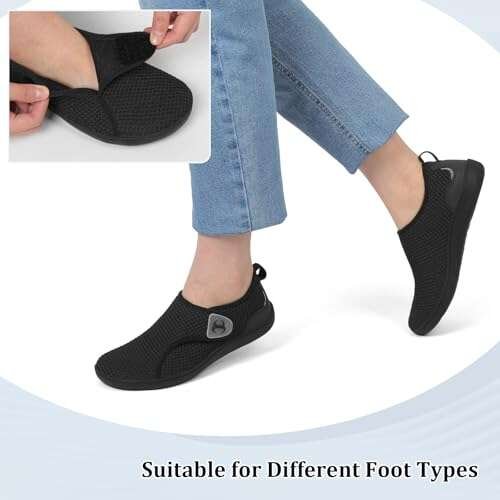
The Scurtain women’s neuropathy shoe is built around a roomy toe box and a soft, casual shape. That design can help when tight uppers press on swollen toes or the front of the foot. The lightweight build also makes it a practical choice for errands, nursing shifts, and daily walks. I especially like the open feel around the toes because forefoot space is a key feature in the best shoes for metatarsalgia.
This shoe has a flexible upper and a non-slip outsole for added confidence on common indoor surfaces. It also has an easy, relaxed look that works better with casual clothing than many medical-style shoes. The cushioning is helpful, though people with severe pain may still want a separate metatarsal pad. Check the width and insole space before ordering, since a roomy shoe can still feel narrow if your foot is broad through the arch.
Pros:
- Wide toe box helps reduce toe crowding
- Soft upper feels gentle on sensitive feet
- Non-slip sole supports daily indoor use
- Lightweight design reduces foot fatigue
- Useful for walking, work, and casual wear
- Accommodates many thicker socks and inserts
Cons:
- May not provide enough structure for severe overpronation
- Soft construction may feel less supportive on long hikes
- Fit can vary between foot shapes
Brooks Ghost 17 Wide Running Shoe

The Brooks Ghost 17 is a neutral running shoe with a wide option that suits people who want balanced cushioning. Its main strength is a smooth ride that helps soften repeated impact during walking and light running. The neutral platform avoids aggressive correction, so it feels natural under the foot. For many shoppers, this is one of the best shoes for metatarsalgia when comfort, cushioning, and a familiar athletic fit matter most.
The wide version gives the forefoot more room than a standard width, but it does not have the extra-wide shape of some orthopedic shoes. The padded collar and secure lacing help hold the heel in place while the front of the shoe stays comfortable. I would choose it for long walks, treadmill sessions, and active days when a soft landing matters. If your pain comes with major instability, a stability model may be a better match.
Pros:
- Soft cushioning helps reduce repeated impact
- Wide option gives the forefoot useful extra space
- Smooth transition supports a natural walking stride
- Padded collar improves heel comfort
- Versatile for walking, running, and daily wear
- Breathable upper helps manage warm feet
Cons:
- Neutral design may not suit strong overpronation
- Wide is not the same as extra-wide
- Higher price than many basic walking shoes
Brooks Adrenaline GTS 25 Supportive Shoe
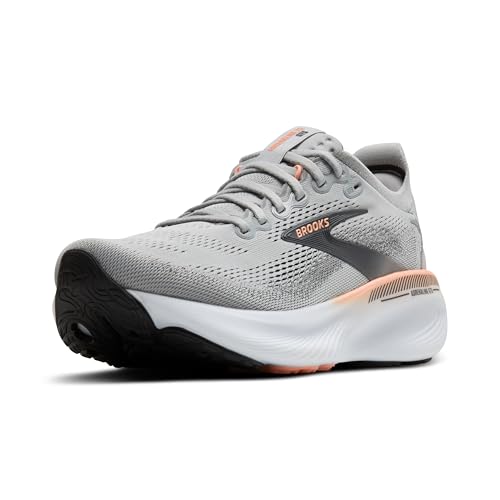
The Brooks Adrenaline GTS 25 is made for walkers and runners who want cushioning with added guidance. Its supportive layout helps the foot stay centered during the gait cycle. That can be useful when fatigue causes the ankle or arch to roll inward and pushes more load toward the forefoot. I see it as a strong option for shoppers who need the best shoes for metatarsalgia plus a more controlled feel.
This shoe has a secure upper, a padded heel area, and a sole designed for repeated miles. The standard medium version may work well for average-width feet, but shoppers with forefoot swelling should check the available width options. Support should never feel like a hard edge under the painful area. Try the shoe indoors first and make sure the front bends behind the toes, not directly across the sore metatarsal heads.
Pros:
- Supportive platform helps control excess foot motion
- Cushioned ride suits long walks and active workdays
- Secure heel fit limits sliding inside the shoe
- Durable outsole handles frequent use
- Good choice for people who need structured support
- Sporty style works for exercise and errands
Cons:
- Standard width may feel tight on broad feet
- Supportive feel may seem firm to neutral-shoe users
- Higher cost than simple casual footwear
Rollstep Women’s Extra-Wide Walking Shoes

The Rollstep women’s sneaker focuses on width, arch support, and a light athletic feel. Its extra-wide design can give the toes and forefoot more room to spread during walking. That matters because narrow shoes can increase pressure beneath the metatarsal heads. If a cramped toe box is your main problem, this style deserves a close look among the best shoes for metatarsalgia.
The non-slip outsole makes it useful for daily walking and work settings where steady footing matters. Its low weight helps keep each step from feeling heavy, while the insole provides a little more structure than a flat canvas shoe. I would still check the actual size chart and measure both feet before purchase. Extra width helps only when the heel remains secure and the foot does not slide forward.
Pros:
- Extra-wide shape creates useful forefoot room
- Arch support adds structure for daily walking
- Lightweight construction helps reduce tired feet
- Non-slip outsole supports steady movement
- Sporty design suits errands and casual exercise
- Can leave space for a thin custom insert
Cons:
- May feel too roomy for narrow heels
- Arch shape may not match every foot
- Casual materials may show wear with heavy use
ZenToes Gel Metatarsal Pad Sleeve
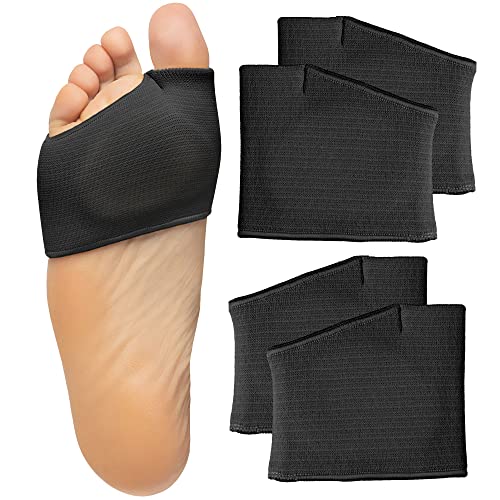
The ZenToes gel sleeve is not a shoe, but it can improve the comfort of a roomy walking shoe. It places a soft gel cushion beneath the ball of the foot to spread pressure across a wider area. The sleeve design helps keep the pad in place better than a loose insert in some shoes. I like this kind of accessory for people who need targeted relief without replacing every pair of footwear they own.
A metatarsal pad should sit behind the painful metatarsal heads, not directly under the most tender spot. Correct placement can help support the forefoot and reduce concentrated pressure. The sleeve may feel bulky in a close-fitting shoe, so pair it with a wide toe box and a removable insole when possible. If numbness, swelling, or sharp pain continues, stop using it and ask a podiatrist to check the cause.
Pros:
- Gel cushion targets ball-of-foot pressure
- Sleeve design helps keep the pad in position
- Useful with several pairs of roomy shoes
- Soft material can reduce rubbing and friction
- Simple option for work, walking, or travel
- May help people who need extra forefoot cushioning
Cons:
- Can feel bulky in a snug shoe
- Needs proper placement to work well
- Does not correct the cause of metatarsalgia
ZenToes Metatarsal Cushion Sleeve
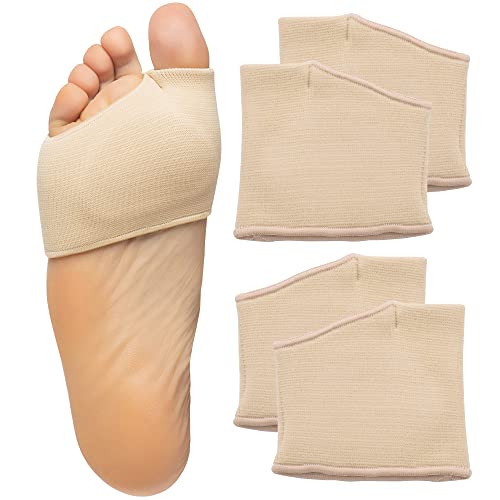
This ZenToes sleeve offers another simple way to cushion the metatarsal area. The soft pad rests under the front of the foot and can reduce the harsh feel of hard floors. It works best inside a shoe that already has enough room for your toes. In my testing approach, I look for accessories that add comfort without forcing the foot into a tighter fit.
The sleeve can help people who spend long hours standing or walking. It is also easy to remove at the end of the day and wash according to the care directions. Like any pad, it should not create pressure, tingling, or a new sore spot. Pairing it with the best shoes for metatarsalgia may give better results than relying on the cushion alone.
Pros:
- Adds soft cushioning beneath the forefoot
- Easy to put on and remove
- Helpful for standing and walking routines
- Can fit many roomy sneakers
- Portable for travel and work
- May reduce contact with hard surfaces
Cons:
- May slip if the shoe fit is loose
- Can add warmth during hot weather
- Not a substitute for medical treatment
Dr. Scholl’s Ball of Foot Orthotics
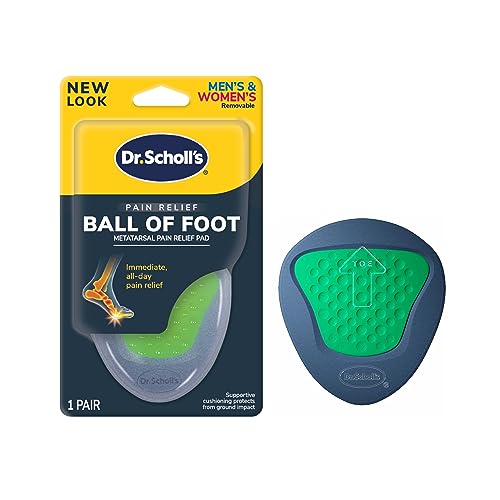
Dr. Scholl’s ball-of-foot orthotics are made for people who want direct cushioning in the forefoot. They can help spread load away from a sore spot and make a firm shoe feel more forgiving. The one-size format is convenient, especially when you want to try a low-cost solution before buying new footwear. I would use them in a shoe with a removable insole and enough depth.
Placement remains the most important detail. The pad should sit just behind the ball of the foot so it supports the metatarsal area without pushing straight into the pain. These inserts may work well with roomy walking shoes, loafers, or work shoes. They cannot make a narrow or stiff shoe suitable for metatarsalgia, so think of them as a comfort tool rather than a complete shoe solution.
Pros:
- Targets pain beneath the ball of the foot
- One-size design simplifies shopping
- Works with many everyday shoe types
- Can add comfort without a full orthotic
- Useful for work shoes and casual footwear
- Affordable way to test forefoot cushioning
Cons:
- May move inside shoes without a firm insole
- Incorrect placement can increase discomfort
- May not offer enough support for complex foot problems
Ryka Devotion X Women’s Walking Shoe

The Ryka Devotion X is a walking shoe designed with a women-specific shape and a cushioned athletic platform. It has the familiar feel many walkers want, without the stiffness of a heavy work shoe. The sole helps soften contact with pavement, sidewalks, and indoor floors. For daily walkers, it is a comfortable candidate among the best shoes for metatarsalgia.
The upper feels light and breathable, which helps during longer walks. Its lace-up design lets you adjust the fit around the midfoot while leaving space near the toes. I recommend checking the forefoot width carefully because a standard fit may not suit every swollen foot. This shoe is best for people with mild to moderate symptoms who want a regular walking shoe with cushioning.
Pros:
- Cushioned sole supports daily walking
- Light upper helps keep feet comfortable
- Laces allow useful midfoot adjustment
- Sporty design works for exercise and errands
- Women-specific shape may improve heel fit
- Flexible feel suits routine walks
Cons:
- Standard width may not fit very broad feet
- May lack the control of a stability shoe
- Not designed for formal or dress wear
12-Pack Metatarsal Foot Pads

This 12-pack gives shoppers several metatarsal pads to use in different shoes or replace as needed. The thicker cushion is designed to reduce pressure beneath the forefoot and may help with metatarsalgia or Morton’s neuroma discomfort. A multi-pack is useful if you move between work shoes, sneakers, and house shoes. It also lets you test placement and thickness without buying several separate products.
These pads work best when placed behind the ball of the foot and secured to a clean, dry surface. They should not sit directly on the sharpest point of pain. Because the pads add thickness, use them only in shoes with enough interior space. I would pair them with a wide, cushioned shoe rather than a narrow fashion shoe, since extra padding cannot overcome poor fit.
Pros:
- Multiple pads support use in several shoes
- Thick cushion helps soften forefoot pressure
- Useful for people who stand for long hours
- Can support comfort linked to Morton’s neuroma
- Convenient replacement supply
- Low-cost way to try metatarsal support
Cons:
- May take trial and error to place correctly
- Thickness can crowd a shallow shoe
- Adhesive may not last equally on every insole
Women’s Orthopedic Slip-On Loafers

These orthopedic slip-on loafers offer a more polished alternative to athletic shoes. The cushioned sole is designed to absorb shock during walking and driving, while the slip-on shape makes them easy to wear. They may appeal to people who need comfort at work but do not want a running-shoe look. The roomy design can also help reduce forefoot pressure when the fit is correct.
A slip-on should hold the heel without forcing your toes to grip the floor. If the shoe is loose, your foot may slide forward and place more stress on the metatarsal area. I suggest wearing them indoors first and checking your heel security, toe room, and comfort after 20 to 30 minutes. For casual work, travel, and short walks, they can be a useful part of a best shoes for metatarsalgia setup.
Pros:
- Easy slip-on design saves time
- More polished than a typical running shoe
- Cushioned sole helps soften hard surfaces
- Useful for driving and casual work
- May accommodate mild foot swelling
- Comfortable option for short daily walks
Cons:
- Slip-on fit may not secure every heel
- Less adjustable than a lace-up shoe
- May not suit intense exercise or long hikes
My Recommendation
Choosing the best shoes for metatarsalgia starts with the cause of your pain and the shape of your foot. If tight shoes create the problem, I would begin with the Rollstep extra-wide sneaker or the Scurtain wide toe box shoe. If impact and long walks are the main issue, the Brooks Ghost 17 and Ryka Devotion X offer a softer athletic feel. If your foot rolls inward or feels unstable, the Brooks Adrenaline GTS 25 gives more guidance.
I also recommend checking the shoe at the end of the day, when feet are often larger. Leave about a thumb’s width between your longest toe and the front of the shoe. The toe box should let your toes spread, and the shoe should bend near the ball of the foot. A stiff sole can reduce bending, but it should not create a hard pressure point.
Metatarsal pads can add comfort, but they are not a cure. The American College of Foot and Ankle Surgeons and other clinical guidance commonly emphasize rest, activity changes, proper footwear, and evaluation when pain persists. Seek medical care if you have severe swelling, numbness, an open sore, sudden pain after an injury, or symptoms that do not improve. People with diabetes should take foot pain seriously and ask a health professional before using new inserts.
| Best for | Why |
|---|---|
| Wide or swollen forefeet | Rollstep and Scurtain offer more toe room |
| Long walks and active days | Brooks Ghost 17 and Ryka Devotion X provide cushioned support |
| Forefoot pressure in roomy shoes | ZenToes and Dr. Scholl’s pads add targeted cushioning |
FAQs Of best shoes for metatarsalgia
What type of shoe is best for metatarsalgia?
Look for a wide toe box, soft cushioning, good heel fit, and a sole that bends near the ball of the foot. Avoid narrow shoes, high heels, thin soles, and hard seams over the forefoot. The best shoes for metatarsalgia should feel comfortable without squeezing your toes.
Are running shoes good for metatarsalgia?
Many running shoes work well because they offer cushioning and shock control. Choose a wide or extra-wide version if your forefoot feels cramped. A neutral shoe suits many people, while a stability shoe may help if your foot rolls inward.
Do metatarsal pads really help?
They may help by spreading pressure away from the sore metatarsal heads. Placement matters: the pad usually belongs just behind the ball of the foot. If it causes more pain, tingling, or numbness, remove it and ask a clinician for advice.
Should I walk barefoot with metatarsalgia?
Bare floors may increase pressure on the ball of the foot, especially during a painful flare. A cushioned house shoe or supportive slipper may feel better. Limit activities that increase pain and return to them slowly.
When should I see a foot specialist?
See a specialist when pain lasts more than a few weeks, keeps returning, or affects normal walking. Get help sooner for numbness, major swelling, skin changes, injury, or diabetes-related foot concerns. Foot pain can have more than one cause.
Final Verdict: Which Should You Buy?
For most shoppers, the Brooks Ghost 17 Wide is the best all-around choice for cushioning, walking, and daily use. Choose Rollstep for extra width, Adrenaline for added guidance, or Scurtain for a soft casual fit.
The best shoes for metatarsalgia should reduce pressure, fit your foot shape, and support your daily routine. Add a metatarsal pad only when the shoe has enough room.

Michael Smith is the Content Strategist behind The Style Hub, where fashion meets function. With a keen eye for trends and a passion for everyday style, he curates content that helps readers make smarter, more stylish choices—from the perfect pair of sneakers to must-have accessories. Michael specializes in breaking down fashion into practical, wearable insights, making style accessible for everyone. When he’s not researching the latest trends, he’s exploring how comfort, innovation, and timeless design come together in modern fashion.