Best Shoes For Mud Run Obstacle Course Women’s: Top Picks
The best shoes for women’s mud runs combine deep traction, secure fit, drainage, and tough protection for every obstacle.
You start with clean shoes, then face wet grass, deep mud, slick boards, and a steep climb. A poor pair can slide, fill with water, or rub your feet raw before the finish. I focused on grip, fit, comfort, and easy drainage to find the best shoes for mud run obstacle course women's needs. I also included socks and useful gear that can make race day safer and more comfortable.
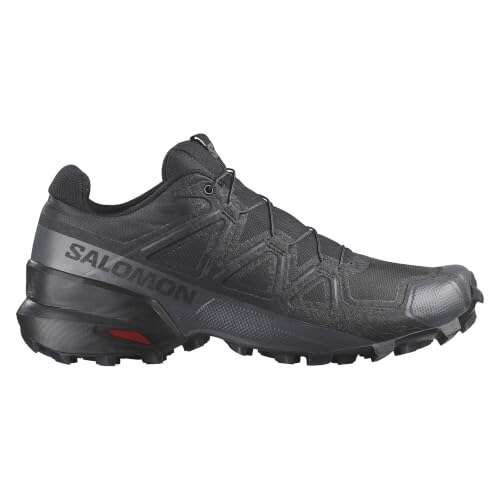
Salomon Speedcross Women’s Trail Shoes

The Salomon Speedcross is a strong pick for runners who want bold grip in soft ground. Its aggressive outsole pattern bites into mud, loose soil, and wet trails. The upper holds the foot in place without feeling like a stiff hiking boot. That balance matters when you move from a muddy lane to a rope wall or a narrow balance beam.
I like the Speedcross for events with many turns and short climbs. A secure heel can help reduce sliding inside the shoe when the course gets steep. The trail shape also gives the shoe a more natural running feel than a heavy work shoe. Keep in mind that the firm, deep lugs may feel less smooth on pavement between obstacles.
Pros:
- Deep lugs provide strong traction in mud
- Secure heel helps limit foot movement
- Good support for short climbs and fast turns
- Light enough for running between obstacles
- Protective upper handles rough trail use
- Works well for wet grass and loose soil
Cons:
- Deep lugs can feel firm on hard pavement
- May feel narrow for very wide feet
- Water can remain inside after deep puddles
INOV8 Women’s Mudtalon Zero Shoes

The INOV8 Mudtalon Zero targets runners who want a low, flexible feel with serious mud grip. Its zero-drop design keeps the heel and forefoot at the same height. That setup can feel stable for athletes who already train in minimalist or low-drop shoes. The wide option also gives the toes more room to spread during hard pushes and climbs.
This shoe suits a runner who values ground feel and direct control. I would not use a zero-drop shoe for a first race without a short transition period. Your calves and feet may need time to adjust. For an experienced minimalist runner, though, the combination of a broad toe area and deep traction can make this one of the best shoes for mud run obstacle course women’s events.
Pros:
- Deep outsole lugs suit thick and soft mud
- Zero-drop platform offers a level stance
- Wide version gives toes useful room
- Flexible feel helps with crawling and climbing
- Low build improves ground awareness
- Good choice for trained minimalist runners
Cons:
- Zero drop may strain untrained calves
- Less cushioning than traditional trail shoes
- Fit details vary by foot shape and size
La Sportiva Women’s Mutant Trail Shoe

The La Sportiva Mutant is built for rough, uneven ground and steep trail work. It has the supportive feel I look for when a mud event includes rocky paths or sharp changes in height. The outsole offers dependable grip on dirt, rock, and mixed trail surfaces. Its structured build can also give extra confidence when you carry your weight over a wall or down a muddy slope.
This shoe feels more protective than a simple road trainer. That makes it useful for obstacle courses held in wooded areas, where roots and stones may hide below the mud. It may feel warmer and less airy than a very open trail shoe. Still, for runners who want a supportive all-rounder, the Mutant is a serious option among the best shoes for mud run obstacle course women’s choices.
Pros:
- Strong grip on mixed trail surfaces
- Supportive build helps on uneven ground
- Useful protection from roots and small rocks
- Good stability for steep course sections
- Versatile for trail runs after race day
- Secure design suits active obstacle movement
Cons:
- May feel bulky beside minimalist shoes
- Less airy in hot weather
- Needs careful sizing before a long event
MudGear Compression Socks for Women
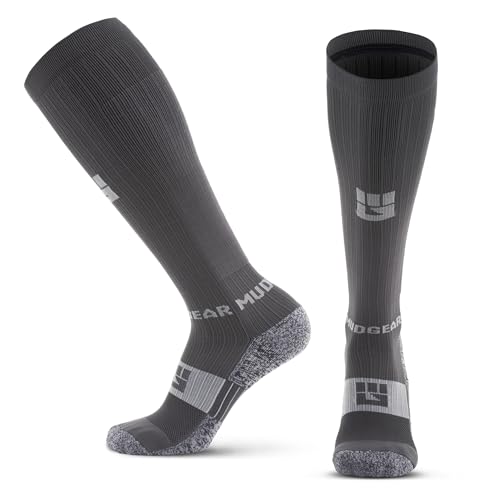
Shoes get most of the attention, but socks can decide whether you enjoy the race. MudGear compression socks reach higher on the leg and help create a snug layer between skin and wet fabric. The material is made for outdoor use, so it suits trail runs, travel, recovery, and muddy events. The boot-height design may also help reduce small scrapes from brush and course debris.
I see these socks as a useful add-on rather than a replacement for good shoes. A smooth fit can help reduce bunching, while the firm feel may appeal to runners who like light compression. They are especially helpful when your race kit includes tall shoes or when you want more lower-leg coverage. Check the size chart, since a poor sock fit can create its own pressure points.
Pros:
- Boot height gives extra lower-leg coverage
- Useful for wet trails and outdoor events
- Snug fit can reduce sock bunching
- Designed for repeated active use
- Works for travel and post-race recovery
- Pairs well with trail shoes and boots
Cons:
- Compression feel may not suit everyone
- Can feel warm in hot conditions
- Correct sizing is important for comfort
Big Mud Energy Women’s Mud Run Shirt

The Big Mud Energy shirt is not a performance shoe, but it adds fun to race day. It can work well for team photos, pre-race travel, or a casual outfit after the event. The theme fits mud runs and obstacle races without looking like ordinary gym wear. If your group wants a matching look, a simple event shirt can make the day feel more special.
I would wear this shirt before or after the race rather than during a technical course. Cotton or casual shirt fabrics can hold water and mud, which may add weight and cause rubbing. For the race itself, choose a close-fitting technical top that dries fast. As a gift or team item, this shirt is a simple and affordable extra for a women’s mud run kit.
Pros:
- Fun theme for mud run race day
- Works well for group photos
- Useful as a casual post-race shirt
- Easy gift idea for mud-run fans
- Can help teams create a matching look
- Simple style suits relaxed wear
Cons:
- Not designed for wet obstacle racing
- May hold mud and water during the course
- Check the size chart before ordering
UBFEN Women’s Barefoot Trail Shoes

The UBFEN barefoot shoe focuses on a wide toe box, zero drop, and a light feel. That shape allows the toes to spread instead of pressing into a pointed front. It may appeal to runners who use minimalist shoes for walking, training, hiking, or gym work. The flexible design can also feel natural when you crawl, squat, or climb through an obstacle.
These shoes require honest self-assessment. A wide toe box is helpful, but a thin, flexible platform does not offer the same protection as a robust trail shoe. I would choose them for a mild course or for someone already used to barefoot footwear. New users should train in them first, because a sudden switch can make the feet and calves tire quickly.
Pros:
- Wide toe box supports natural toe spread
- Light design feels free during movement
- Zero-drop shape suits minimalist runners
- Flexible for crawling and squatting tasks
- Useful for hiking and gym training too
- May feel comfortable for broad forefeet
Cons:
- Limited cushioning for rocky courses
- Needs a gradual break-in for new users
- May not provide enough mud-specific traction
Mud Run Obstacle Course Sport Backpack

A small sport backpack can make race-day planning much easier. This mud-run themed bag gives you a place for dry clothes, snacks, a towel, and personal items. I would use it at the start and finish area, not while racing through obstacles. Carrying a loose bag on a course can catch on ropes, add weight, and affect balance.
The best use for this backpack is as a simple staging bag. Pack clean socks, a plastic bag for muddy clothing, sunscreen, water, and a phone pouch. The design may also work for a casual hike or gym trip after the event. Always check the listed dimensions and material details before purchase, since capacity matters more than a fun print when you pack for a full race day.
Pros:
- Useful for clean clothes and race supplies
- Helps separate dry and muddy gear
- Good for start and finish area storage
- Fun gift for obstacle-course fans
- Can serve as a casual daily bag
- Makes race-day packing more organized
Cons:
- Not suitable for wearing during obstacles
- Capacity may be limited for bulky gear
- Check material care instructions after muddy use
Thorlos Outdoor Athlete Thin Padded Socks

The Thorlos Outdoor Athlete sock offers light padding for runners who do not want a thick sock. Thin padding can help preserve shoe space, which is important when feet swell during a long event. The outdoor design also makes it a reasonable choice for trail walks, travel, and daily activity. A smooth, secure sock can reduce small folds that often lead to hot spots.
I would pair this sock with a snug trail shoe rather than a loose boot. It can be a good choice when your shoes already have a close fit and you only need modest cushioning. It may not give enough warmth or coverage for very cold races. As always, test the sock and shoe together before race day instead of trying a new combination at the start line.
Pros:
- Thin padding preserves interior shoe space
- Useful for trail runs and outdoor training
- Can help reduce friction from loose folds
- Light feel suits warm-weather events
- Pairs well with close-fitting trail shoes
- Comfortable for travel and daily wear
Cons:
- Less cushioning than a thick trail sock
- Low ankle height gives limited coverage
- May not suit cold or brush-heavy courses
Grand Attack Women’s Barefoot Shoes

The Grand Attack barefoot shoe is aimed at people who prefer a wide, flexible, zero-drop design. Its roomy front can feel comfortable during strength work, walking, and light trail use. The low profile may help you feel more connected to the ground when stepping over obstacles. It also packs easily, which is useful when you travel to a race.
I would place this model in the minimalist category, not the heavy-duty mud shoe category. It may work for an indoor training session or a dry, less technical event. For deep mud, sharp rocks, or a course with hard downhill sections, I would favor the Salomon, INOV8, or La Sportiva options above. Still, it gives wide-foot runners another affordable way to test a zero-drop feel.
Pros:
- Wide front gives toes more room
- Zero-drop platform suits minimalist training
- Lightweight for gym and travel use
- Flexible during squats and climbs
- Useful for walking and casual trail use
- May suit runners who dislike narrow shoes
Cons:
- Not as protective as a structured trail shoe
- Minimalist design needs a gradual transition
- Traction may vary on deep wet mud
How I Choose Shoes for a Women’s Mud Run
Choosing the best shoes for mud run obstacle course women’s races takes more than looking for a trail label. A mud run combines running, climbing, crawling, jumping, and sudden stops. The shoe must grip the ground, stay on the foot, and handle water without becoming a heavy sponge. I look at the full race, not just the first mile.
1. Look for real mud traction
Outsole design matters most when the ground turns soft. Deep, spaced lugs can push into mud and release it as you move. Small, shallow tread blocks often clog faster in thick soil. A good mud shoe should also offer some grip on wet grass, wood, and packed dirt.
There is no outsole that grips every surface perfectly. Deep lugs may feel awkward on smooth pavement. Very soft rubber may wear faster when you train on roads. I prefer a clear match between the shoe and the course surface.
2. Check the heel and midfoot hold
A shoe can have excellent tread and still fail if your heel slips. Heel movement creates blisters and makes downhill steps feel unsafe. A snug heel and a secure midfoot help you use the outsole with more control.
The shoe should feel close but not tight. Your toes need enough room to spread and move. Leave a small amount of space in front of the longest toe, since feet can swell during a long event.
3. Think about drainage
Most mud races include water, puddles, or a hose station. Once water enters, it needs a way out. Mesh panels and less bulky materials may dry faster than thick, sealed uppers. However, a waterproof shoe can trap water after the top is breached.
For a short race, quick drainage often matters more than full waterproofing. I would rather have a shoe that lets water escape than one that stays dry for the first puddle and then holds a cup of water inside.
4. Match the shoe to your training
A zero-drop or barefoot shoe is not automatically better. It changes how your foot, ankle, and calf share the work. If you already train in this style, it may feel natural. If not, begin with short walks and easy sessions well before race day.
Traditional trail shoes give more cushioning and protection. They often make a safer first choice for a runner who has no minimalist background. The best shoes for mud run obstacle course women’s events should support your current body, not force a sudden change.
5. Consider protection underfoot
Mud can hide stones, roots, sticks, and hard ruts. A protective midsole can reduce discomfort when you land on an unseen object. It can also make the shoe more useful for trail runs after the event.
Protection adds weight and stiffness. A very light shoe may feel quick, while a more structured model may feel safer on rough ground. I would choose based on the course map, not on weight alone.
Fit Tips for Women’s Mud Run Shoes
Start with the socks you plan to race in. A shoe that fits over a thin sock may feel tight with a padded or compression sock. Try both shoes late in the day, when feet are often a little larger. Walk, jog, squat, and step down to check for heel lift and toe pressure.
Do not assume your normal size will fit every brand. Trail shoes can use different shapes, and women’s feet vary in width, arch shape, and heel volume. Read recent buyer feedback for notes about narrow toes, small sizing, or a stiff upper. Use the manufacturer’s chart when available.
Do not race in brand-new shoes. Wear them for short training sessions first. This helps you find rubbing, loose laces, or pressure near the toes before the event. A pair that feels perfect for ten minutes may feel very different after an hour of wet movement.
How to Prevent Blisters During a Mud Race
Blisters usually come from friction, heat, moisture, or a poor fit. The first step is to remove movement inside the shoe. The second is to choose socks that stay smooth when wet. Compression socks may work for some runners, while thin padded socks may feel better for others.
Use a tested anti-chafe product on areas that often rub. Do not apply a new cream for the first time on race morning. Trim nails and avoid shoes that press against the front of the toes. If you feel a hot spot during training, fix it at once instead of hoping it disappears.
After the race, rinse mud from the shoes with cool water. Remove the insoles and let the shoes dry in a ventilated place. Avoid high heat, such as a dryer or strong heater, because it can damage adhesives and change the shape of the shoe. Stuffing the shoes with paper can help absorb excess moisture.
What to Pack for Race Day
Your shoes are only one part of a comfortable mud-run plan. I suggest packing a second pair of socks, clean underwear, a towel, dry clothes, a plastic bag for muddy gear, and simple shower items. Bring water and a small snack if the event allows them. A backpack can keep these items together before and after the race.
Wear clothing that allows full movement and dries at a reasonable pace. Avoid loose straps and dangling jewelry that can catch on obstacles. A cap or sunscreen can help at outdoor events, but follow the race rules. Pack light on the course and keep extra items at the designated gear area.
Can You Use Road Running Shoes?
You can use road shoes for a dry, simple event, but I would not choose them for deep mud. Road outsoles often have shallow patterns that do not bite well into soft ground. They can also lose control on wet grass and sloped dirt. Trail shoes give you a better chance of staying upright.
The best shoes for mud run obstacle course women’s races usually have more aggressive tread than standard road trainers. They also hold the foot better during climbs and sharp turns. If you already own trail shoes, test them on a muddy park path before race day.
Are Waterproof Shoes Best for Mud Runs?
Waterproof shoes sound ideal, but mud races often include water deep enough to enter over the collar. When that happens, a waterproof membrane may slow drainage. A breathable, quick-draining shoe can feel lighter after a full water obstacle.
Waterproofing can still help in cold rain or shallow wet grass. The right choice depends on the course, weather, and depth of the water. For most summer mud events, I favor grip and drainage over maximum waterproofing.
My Recommendation
For most runners, I recommend the Salomon Speedcross as the best shoes for mud run obstacle course women’s events. It offers strong mud traction, a secure fit, and enough trail protection for mixed terrain. The La Sportiva Mutant is a better match for rocky, steep courses, while the INOV8 Mudtalon Zero suits experienced zero-drop runners who want a wide toe area.
The UBFEN and Grand Attack shoes are better for minimalist training or mild courses than extreme mud. MudGear and Thorlos socks can improve comfort when matched to the shoe. The shirt and backpack are useful race-day extras, but they should not replace technical clothing or a proper gear bag. Prices and stock can change, so check the current Amazon listing before ordering.
| Best for | Why |
|---|---|
| Deep mud and fast trail sections | Salomon Speedcross combines aggressive grip with a secure running fit. |
| Experienced minimalist runners | INOV8 Mudtalon Zero offers zero drop, a wide option, and strong mud lugs. |
| Rocky and steep obstacle courses | La Sportiva Mutant provides supportive protection for uneven mixed terrain. |
FAQs Of best shoes for mud run obstacle course women’s
What are the best shoes for mud run obstacle course women’s races?
The Salomon Speedcross is the best overall choice for many women. It offers deep traction, a secure fit, and useful trail protection. Choose the La Sportiva Mutant for rocky courses or the INOV8 Mudtalon Zero if you already use zero-drop shoes.
Should mud run shoes fit tight or loose?
They should fit snugly at the heel and midfoot, but your toes need room to move. A tight toe box can cause pain and bruising. A loose heel can create blisters and reduce control on slopes.
Do I need trail shoes for an obstacle course?
Trail shoes are not required for every event, but they are usually the safer choice. Their tread grips dirt and mud better than most road shoes. They also tend to protect your feet from rocks and roots.
Are barefoot shoes good for mud runs?
They can work for trained minimalist runners on suitable courses. New users should transition slowly before race day. For deep mud, sharp rocks, or long downhill sections, a protective trail shoe is often the better choice.
What socks should I wear with mud run shoes?
Wear tested synthetic or outdoor socks that stay smooth when wet. Thin padded socks suit close-fitting shoes, while taller compression socks add lower-leg coverage. Avoid cotton if possible because it can hold water and increase rubbing.
Final Verdict: Which Should You Buy?
The Salomon Speedcross is my top pick for the best shoes for mud run obstacle course women’s needs. It gives most runners the best mix of mud grip, fit, and trail support.
Choose your shoes early, train in them, and pack spare socks. A tested fit can turn a muddy challenge into a fun finish.

Michael Smith is the Content Strategist behind The Style Hub, where fashion meets function. With a keen eye for trends and a passion for everyday style, he curates content that helps readers make smarter, more stylish choices—from the perfect pair of sneakers to must-have accessories. Michael specializes in breaking down fashion into practical, wearable insights, making style accessible for everyone. When he’s not researching the latest trends, he’s exploring how comfort, innovation, and timeless design come together in modern fashion.