
Do Saucony Shoes Run Small: Easy Sizing Guide
Most Saucony shoes fit true to size, but some models feel narrow or short depending on your foot shape.
Do Saucony shoes run small? Usually, no. Saucony sizing is often close to standard US athletic shoe sizing, but fit can vary by model, width, socks, and foot shape. After comparing running, walking, and lifestyle designs, the key lesson is simple: length and width matter just as much as the number on the box. This guide explains how Saucony shoes fit, which models may feel snug, and how to choose the right size with confidence.
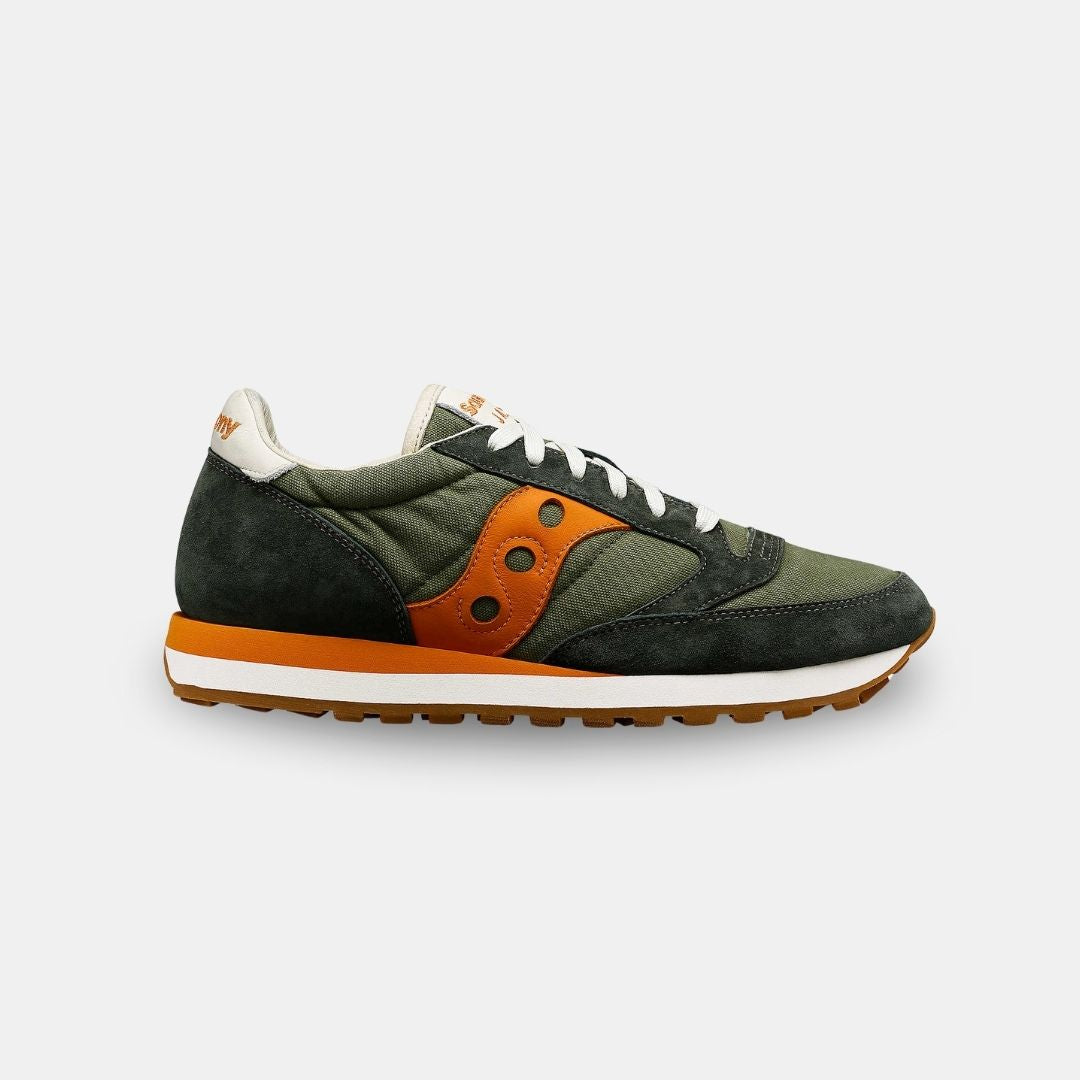
Do Saucony shoes run small?
Most Saucony shoes do not run small in length. They generally fit true to size for many wearers, especially when compared with other mainstream running shoe brands. Still, a shoe can feel small if the toe box is narrow, the upper is low, or the chosen width does not match your foot.
Running shoes should not fit like dress shoes. Your toes need room to spread and move as your feet swell during walking or exercise. A good fit usually leaves about a thumb’s width between your longest toe and the front of the shoe.
The answer to “do Saucony shoes run small” also depends on the model. A structured stability shoe may feel tighter than a soft, flexible daily trainer. A performance racing shoe may have a closer fit than a walking shoe made for all-day comfort.
Here are the main factors that affect the fit:
• Shoe model: Different Saucony lines use different uppers, foams, and toe-box shapes.
• Foot width: A standard-width shoe may feel small if you have wide feet.
• Foot swelling: Feet often grow slightly during the day or during long runs.
• Socks: Thick socks can make a true-to-size shoe feel too short or tight.
• Foot shape: High-volume feet may need more room across the top, even if the length is correct.
How Saucony shoe sizing compares with other brands
Saucony uses standard US shoe sizing, but size numbers are not perfectly identical across brands. A Saucony men’s size 10 or women’s size 8 may feel similar to the same size in another running brand, yet the shape can still differ.
This happens because shoe manufacturers use different lasts. A last is the mold that gives a shoe its length, width, heel shape, and toe-box form. Two shoes can share the same size label but feel very different on the foot.
Saucony often offers several width options. Depending on the model, shoppers may find:
• Men’s standard width: D
• Men’s wide width: 2E
• Men’s extra-wide width: 4E
• Women’s standard width: B
• Women’s wide width: D
• Women’s extra-wide width: 2E
Not every shoe comes in every width. That limitation is important. If a shoe feels small across the forefoot, going up half a size may help, but it may also leave too much space in front. Choosing a wider version is often the better fix.
A practical comparison is this: length is like the length of a bed, while width is like the room across it. If the bed is too narrow, buying a longer bed does not always solve the problem.
Why Saucony shoes may feel small
Even when the measured length is correct, Saucony shoes can feel small for several reasons. Understanding the cause can help you avoid an unnecessary size change.
The toe box feels narrow
Some Saucony models have a streamlined front. This shape can feel secure for narrow or average feet but tight for people with broad toes or bunions.
Your toes should not touch the sides of the shoe. They should also have enough space to spread without pressing against one another. Pressure on the little toe is a strong sign that the shoe is too narrow.
The upper sits too low
Some shoes have a snug upper that holds the foot firmly. This can be useful for running, but it may feel tight if you have a high instep or high-volume foot.
Look for pressure marks after wearing the shoes for 10 to 15 minutes. Red marks across the top of your foot may indicate that the shoe is too low, not too short.
The shoe has a firm heel counter
A heel counter helps stabilize the rear of the foot. At first, it may make a shoe feel more secure than soft casual footwear. If the heel is held firmly without pain or rubbing, this is usually normal.
A heel that slips is a different issue. It may mean the shoe is too large, the laces are loose, or the heel shape does not match your foot.
Feet swell during activity
Feet can expand during a long walk, work shift, or run. Heat and exercise can increase this effect. A shoe that feels perfect in the morning may feel tight later.
That is why afternoon or evening is often the best time to try on athletic shoes. This simple habit helps create a more realistic fit.
The insole reduces interior space
Some Saucony shoes include a supportive insole or a thicker footbed. This can improve comfort, but it may reduce the space inside the shoe. Replacing the insole may change the fit, although you should avoid doing so if it affects support or stability.
Do Saucony running shoes fit differently by model?
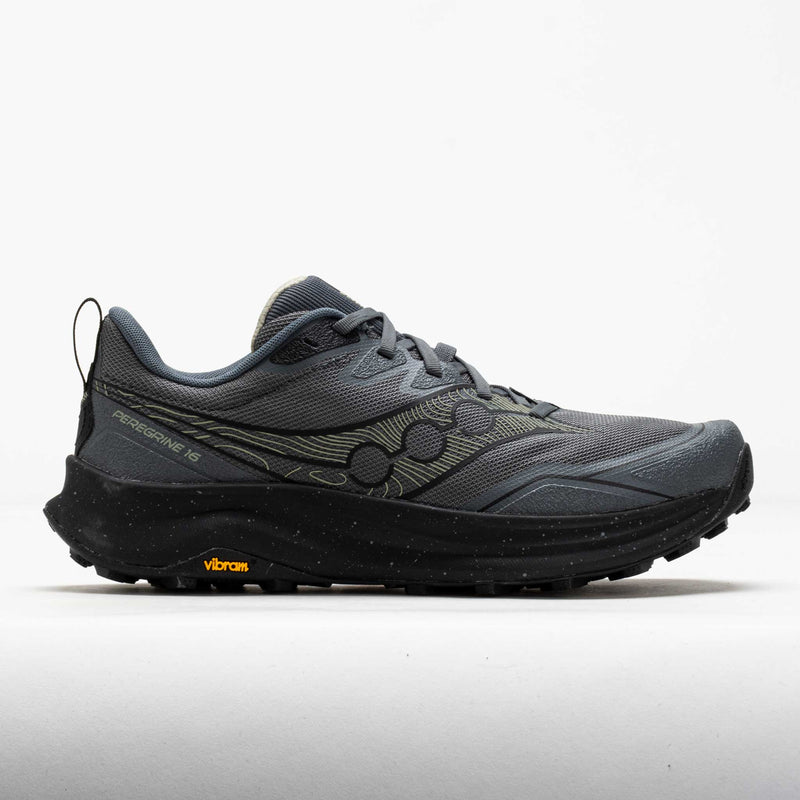
Yes. Model design plays a major role in whether Saucony shoes feel small. The brand has shoes for neutral running, stability, racing, walking, trail use, and everyday wear. Each category may use a different fit philosophy.
Saucony Ride
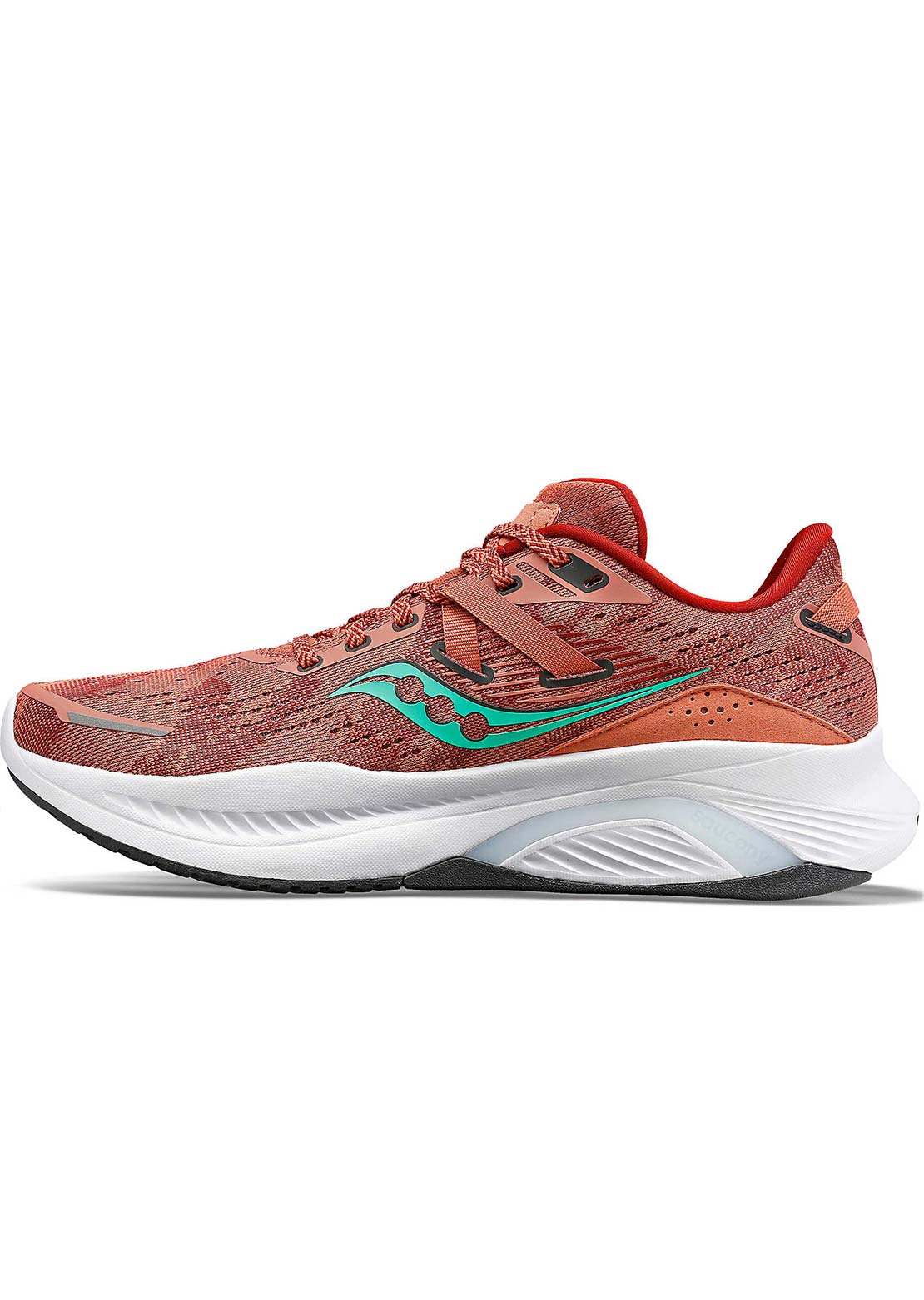
The Ride is a popular daily trainer with a balanced fit. It often feels true to size for average-width feet. Runners with wide forefeet may prefer a wide version rather than sizing up.
Saucony Triumph
The Triumph has a cushioned design and a comfortable upper. Many wearers find it true to size, although the thick padding can make the shoe feel snug at first.
Saucony Guide
The Guide is designed with stability features. Its secure structure may feel closer around the midfoot than a soft neutral shoe. If the length is right but the middle feels tight, consider a wider width.
Saucony Kinvara
The Kinvara has a lighter, more flexible feel. Its fit may seem more streamlined than a plush walking shoe. Runners who prefer extra toe room may need to compare both standard and wide options.
Saucony Endorphin series
Endorphin shoes are built for faster running and racing. Some versions have a more performance-focused fit, which can feel snug and secure. For long races, avoid choosing a fit that is tight in the toes just because it feels fast in the store.
Saucony walking shoes
Walking models often have more cushioning and a roomier feel. However, comfort models can still feel small if the upper presses across the instep or if the footbed takes up extra space.
Model names and designs can change over time. Always check the current product page, the available width options, and the model-specific size guide before buying.

How to find your correct Saucony size
A careful fitting process is more reliable than guessing from your usual size. Use these steps before ordering.
1. Measure both feet
Feet are rarely identical. Measure both while standing, because body weight lengthens and widens the foot slightly. Use the larger foot when selecting a size.
Place your heel against a wall and measure to the end of your longest toe. Do this for length and, if possible, measure the widest part of the foot for width.
2. Check the Saucony size chart
Use your foot measurement with Saucony’s current size chart. Do not rely only on the size printed inside another brand. Size charts are a useful starting point, but they cannot fully predict how a particular upper or toe box will feel.
3. Try shoes on later in the day
Feet may swell after normal daily activity. Trying shoes on later gives you a better test of how they may feel during a workout or long shift.
4. Wear your usual activity socks
Test running shoes with running socks and work shoes with the socks you normally wear. A thin store sock can hide a tight fit.
5. Check the toe room
Stand up and press gently above the front of the shoe. You should have about a thumb’s width of space beyond your longest toe. Do not judge the fit while sitting down.
6. Walk and bend your toes
Walk for several minutes. Try stairs if available. Your toes should move freely, and the heel should stay mostly in place.
7. Test the width
The shoe should hold your foot without squeezing it. If your toes feel compressed, do not assume that going longer is the only solution. A wide size may give a much better fit.
Should you size up in Saucony shoes?
You may need to size up by half a size if your toes touch the front, especially during walking or running. This can happen when your foot measurement falls between sizes or when a model has a shorter-feeling toe box.
However, sizing up is not always the right answer. If the shoe feels tight only across the forefoot, choose a wider width when available. A longer shoe can cause heel slipping, creasing, and poor control.
Consider sizing up when:
• Your longest toe touches the front while standing.
• Your toes hit the front during downhill walking.
• You plan to use thick socks.
• You are buying shoes for long-distance running.
• Your feet swell noticeably during exercise.
Avoid sizing up when:
• The length is correct but the midfoot feels tight.
• Your heel already slips.
• Your foot moves from side to side.
• The shoe feels loose when you walk.
A useful fitting test is the downhill test. Walk down a gentle slope or step. If your toes repeatedly strike the front, the shoe may be too short or the lacing may need adjustment.
How should Saucony shoes fit?
A well-fitting Saucony shoe should feel secure but not restrictive. It should hold the heel and midfoot while allowing the forefoot to move naturally.
Use this checklist:
• Toes: They should not touch the front or feel curled.
• Forefoot: The widest part of your foot should sit over the widest part of the shoe.
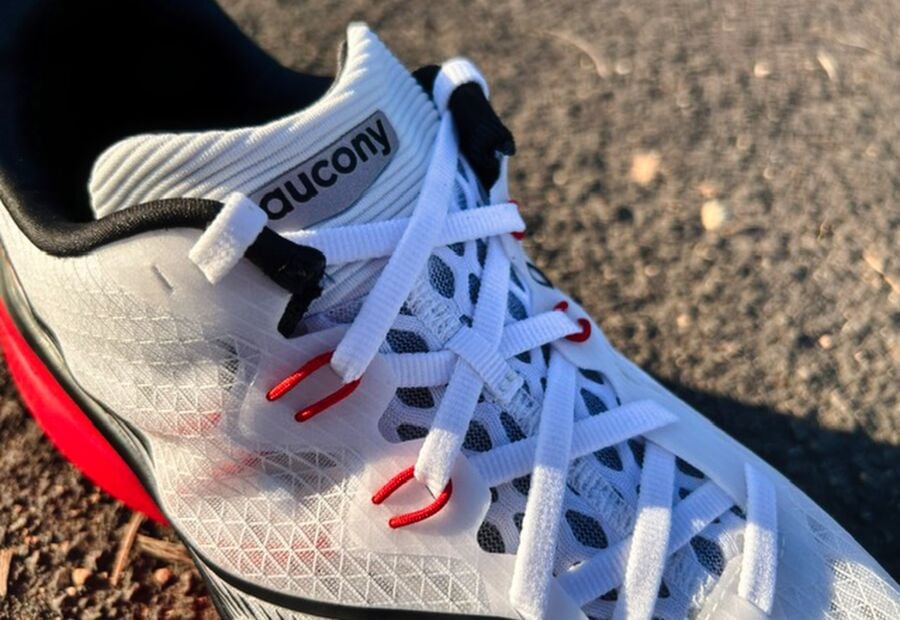
• Midfoot: The laces should secure the foot without creating painful pressure.
• Heel: Minor movement can be normal, but the heel should not lift with every step.
• Arch: The arch area should feel supportive, not sharply painful.
• Comfort: The shoe should feel comfortable soon after putting it on.
A small amount of break-in can be normal for leather or firm lifestyle shoes. Running shoes should not require a painful break-in period. Blisters, numbness, burning, or sharp pressure are signs to stop and reassess the fit.
One fitting mistake I often see is judging shoes only by how they feel while standing still. Movement changes everything. A shoe that feels fine in a chair may pinch the toes once the foot bends and spreads.
Saucony size and width tips for common foot types
Different feet need different solutions. The best answer to “do Saucony shoes run small” may depend more on your foot than on the brand.
For wide feet
Start with a wide or extra-wide option if the model offers one. Look for a rounded toe box and an upper that does not press on the little toe.
Do not automatically buy a longer shoe. Extra length can make the foot slide forward and increase friction.
For narrow feet
A standard Saucony shoe may feel roomy in some models. Use the lacing system to improve heel security, but do not tighten so much that you create pressure on the top of the foot.
A structured upper can provide a better fit than a very soft, stretchy design.
For high arches or a high instep
Focus on vertical space across the upper. A shoe may have the right length but still feel too small on top. A roomier upper or alternate lacing pattern may help.
For flat feet
Comfort and support are important, but foot shape alone does not determine the correct size. Check for toe room, heel stability, and a smooth fit across the midfoot.
For bunions
Choose a shoe with enough width and a soft, flexible upper. Avoid any model that presses directly on the bunion. A wider size is usually safer than simply buying a longer shoe.
Common mistakes when buying Saucony shoes online
Online shopping is convenient, but it removes the chance to test the shoe before payment. A few habits can reduce the risk of a poor fit.
• Buying only by brand size: Your usual size may not fit every Saucony model.
• Ignoring width: Many “small” shoes are actually too narrow.
• Measuring while seated: Standing gives a more realistic foot measurement.
• Trying shoes with thin socks: Use the socks you plan to wear.
• Removing tags too soon: Keep tags and packaging until you complete an indoor fit test.
• Ignoring return rules: Check whether worn shoes can be returned before ordering.
• Trusting reviews without context: A review from someone with a wide foot may not match your experience.
Read reviews for useful details such as “roomy toe box,” “narrow heel,” “high instep,” or “true to length.” These descriptions are often more helpful than a simple star rating.
If you are between sizes, order from a retailer with a clear return policy. Test the shoes indoors on a clean surface. Walk, bend, and check toe room before wearing them outside.
Are Saucony shoes good for all-day comfort?
Saucony shoes can be comfortable for walking, work, travel, and exercise when the model matches your needs. Cushioning can reduce the harsh feel of hard floors, while a stable heel can help the shoe feel secure.
Comfort is not just about soft foam. A shoe can feel soft but still cause pain if it is too narrow, too short, or poorly matched to your foot. Fit should come first, followed by cushioning and support.
For all-day use, look for:
• Enough room for natural toe movement.
• A breathable upper.
• A secure heel that does not rub.
• Cushioning suited to your activity.
• A sole with appropriate grip.
People with ongoing foot pain, diabetes, numbness, or circulation concerns should seek advice from a qualified health professional or podiatrist. Shoe advice cannot replace a medical assessment.
Frequently Asked Questions About Do Saucony Shoes Run Small
Do Saucony shoes run small compared with Nike?
Saucony shoes often fit close to standard athletic shoe sizing, but the shape may feel different from Nike. Compare foot measurements, width, and toe-box space instead of relying only on the same size number.
Should I order a half size up in Saucony running shoes?
Order a half size up only if your toes touch the front or you need extra room for swelling and thicker socks. If the shoe is tight across the sides, choose a wide width instead when available.
Are Saucony shoes good for wide feet?
Many Saucony models come in wide and extra-wide sizes. Availability varies by model, so check the width options before buying and avoid using extra length to solve a width problem.
Do Saucony shoes stretch after wearing?
Some uppers may soften slightly with use, but they should not be expected to stretch significantly. If the shoe causes strong pressure, numbness, or pain at the first fitting, choose a different size, width, or model.
How much room should be in Saucony running shoes?
Leave about a thumb’s width between your longest toe and the front of the shoe. Your toes should also have enough room to spread without pressing against the sides.
Why do my Saucony shoes feel tight on top?
A low upper, high instep, thick socks, or overly tight lacing can create pressure on top. Try loosening the laces or using a different lacing pattern, but replace the shoe if the pressure continues.
Do Saucony shoes fit true to size for women?
Many women find Saucony shoes true to size, but fit still varies by model and width. Measure both feet and use the current women’s size chart before choosing a pair.
Can I wear Saucony shoes for walking?
Yes. Many Saucony running and walking models work well for daily walking. Select a shoe with enough toe room, suitable cushioning, and a secure heel for your walking distance.
Conclusion
So, do Saucony shoes run small? In most cases, they fit true to size, but a narrow toe box, limited width, firm upper, or foot swelling can make a pair feel smaller than expected. Measure both feet, check the model’s width options, try shoes later in the day, and leave enough room in front of your toes.
The best Saucony size is the one that feels secure without squeezing your foot. Use these fitting steps before your next purchase, and compare the brand’s current size guide and return policy for extra confidence. If you have a favorite Saucony model or fit tip, share it in the comments.

Michael Smith is the Content Strategist behind The Style Hub, where fashion meets function. With a keen eye for trends and a passion for everyday style, he curates content that helps readers make smarter, more stylish choices—from the perfect pair of sneakers to must-have accessories. Michael specializes in breaking down fashion into practical, wearable insights, making style accessible for everyone. When he’s not researching the latest trends, he’s exploring how comfort, innovation, and timeless design come together in modern fashion.