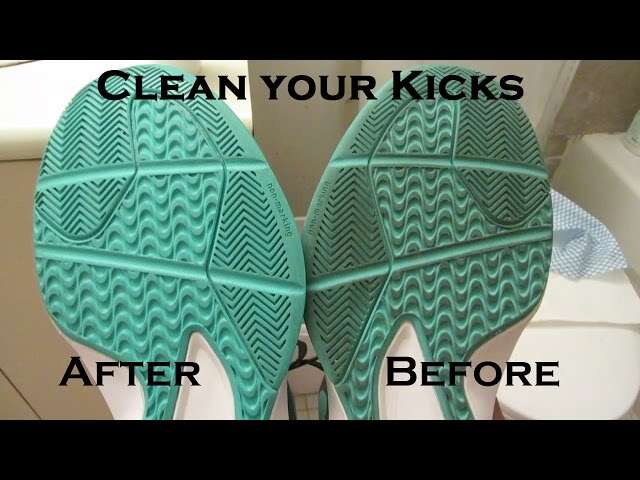
How To Make Basketball Shoes More Grippy: Easy Tips
Clean the outsole, improve court contact, and use safe grip habits to make basketball shoes more grippy.
When basketball shoes lose traction, quick cuts, stops, and landings can feel risky. Learning how to make basketball shoes more grippy starts with understanding the outsole, the court, and the buildup of dust or oil between them. I have tested several simple methods on indoor courts, and the most reliable results come from regular cleaning, proper drying, and knowing when the rubber is simply worn out.
Why Basketball Shoes Lose Grip
Basketball shoe traction comes from friction between the rubber outsole and the court. The outsole needs clean contact with the floor so its tread can grip during sprints, crossovers, jumps, and defensive slides.
Several common problems can reduce that contact:
• Dust fills the grooves in the outsole.
• Sweat and skin oils create a thin, slick film.
• Outdoor pavement wears down the rubber pattern.
• Old rubber can become hard and less flexible.
• A dirty or polished court can reduce traction, even with fresh shoes.
• Moisture may make some floors slippery rather than grippy.
A shoe can look clean but still have a layer of fine dust on its sole. That layer acts like tiny ball bearings under your feet. The result is sliding, delayed stops, and less confidence during fast movements.
The rubber compound also matters. Softer rubber often grips well on clean indoor courts, while harder rubber may last longer outdoors. However, no shoe can provide excellent traction on every surface. Court type, temperature, moisture, and outsole design all affect performance.

How to Make Basketball Shoes More Grippy
The safest method combines cleaning, drying, and regular inspection. Follow these steps before using harsh products or homemade solutions.
1. Remove Loose Dirt First
Take the shoes outside or over a trash can. Tap the soles together gently to remove loose dust, grit, and small debris.
Use a dry, soft brush to clean the tread. An old toothbrush works well for narrow grooves. Brush in several directions so you reach the edges of the traction pattern.
Do not start with water if the outsole has loose dirt. Water can turn dust into mud and push it deeper into the grooves.
2. Wash the Outsole With Mild Soap
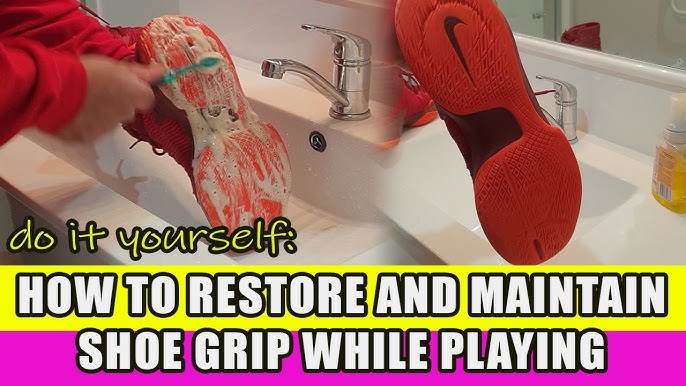
Mix warm water with a small amount of mild dish soap. Dip a cloth or soft brush into the mixture, then scrub the rubber outsole.
Focus on the toe area, heel, and the spaces between tread lines. These parts often collect the most dust because they contact the court during braking and quick changes of direction.
Avoid soaking the entire shoe. Too much water can weaken adhesives, damage the upper, and create a damp environment that may lead to odor.
3. Wipe Away Soap Residue
Use a clean, damp cloth to remove leftover soap. Soap residue can form a slick layer on rubber, which defeats the purpose of cleaning.
Rinse the cloth often. You want to lift dirt away, not spread it across the outsole.
4. Dry the Shoes Naturally
Pat the outsole with a clean towel. Then let the shoes air-dry at room temperature.
Keep them away from radiators, hair dryers, fireplaces, and direct high heat. Heat can warp the sole, shrink parts of the upper, or weaken the glue that holds the shoe together.
Let the shoes dry fully before playing. Damp rubber may feel sticky at first but can become unpredictable on a polished court.
5. Check the Tread
Run your fingers over the outsole. Look for smooth patches, shallow grooves, cracks, or uneven wear.
If the tread is nearly flat, cleaning will not restore the original traction. At that point, replacing the shoes is safer than trying another product.
Quick Ways to Improve Grip During a Game
Sometimes you need a fast solution between runs or during a practice session. These methods can help when dust is the main problem.
Use a Clean Damp Cloth
Wipe the outsole with a slightly damp microfiber cloth. The cloth should be moist, not dripping wet.
After wiping, wait a few seconds for excess moisture to evaporate. This can restore traction for a short time on a dusty indoor court.
Step on a Traction Mat
Many gyms provide sticky traction mats near the court entrance or bench area. Step on the mat with both shoes, then move onto the floor.
These mats remove loose dust from the rubber. They do not repair worn tread or replace proper cleaning.
Keep a Small Towel Nearby
A clean towel can remove sweat from your hands and wipe light dust from the outsole. Use a separate towel for shoes and your face or hands.
Avoid wiping the soles on your clothing. Fabric may transfer lint, oils, or dirt back onto the rubber.
Avoid Spitting on the Sole
Some players use saliva as a quick grip trick. It may create brief moisture, but it is unhygienic and unreliable. It also does not remove the dust that causes the problem.
A clean, damp cloth is a safer and more consistent choice.
Products and Methods to Avoid
Many online tips promise instant traction, but some can damage the shoe or make the court unsafe. Learning how to make basketball shoes more grippy also means knowing what not to use.
Avoid these methods:
• Cooking oil, baby oil, petroleum jelly, or lotion. These products leave a slippery film on rubber.
• Hair spray. It may feel sticky for a short time, but it can collect dust and leave residue on the court.
• Strong solvents, gasoline, acetone, or bleach. These chemicals may break down rubber, fade the outsole, or weaken adhesives.
• Sandpaper. Rough sanding can remove the traction pattern instead of restoring it.
• Glue or sticky household products. These can damage the floor and create an uneven, unsafe surface.
• Excessive water. Wet soles can slide, especially on smooth wood or synthetic courts.
Some traction sprays are made for athletic footwear, but results vary. Check the label, test a small area, and confirm that the product is allowed at your gym. A product that makes one outsole feel tacky may leave another outsole dry or damaged.
Court rules also matter. Some facilities ban grip products because they can transfer residue to the floor. When in doubt, ask the gym staff.

How Court Conditions Affect Traction
Clean shoes cannot fully overcome a dirty or worn court. Hardwood courts collect dust, body oils, cleaning chemicals, and moisture. Outdoor courts may contain sand, small stones, and rough debris.
Indoor courts usually offer the best traction for shoes designed with softer rubber. Outdoor concrete can quickly wear down that rubber. If you use indoor-only basketball shoes outside, the tread may become smooth much faster.
Temperature can also change how rubber feels. Cold conditions may make some rubber compounds feel harder. Warm conditions can make certain compounds feel more flexible, but heat does not solve a dirty outsole.
Before blaming your shoes, check the floor. If several players are slipping in the same area, the court may need cleaning. Report unusually slick spots to staff rather than trying to cover them with a product.
A practical test is simple: clean one shoe and leave the other untouched. Walk carefully on the court and compare the two. If the clean shoe performs better, dust was likely the main issue. If both shoes slide, inspect the tread and court surface.

How to Maintain Basketball Shoe Traction
Regular care is easier than trying to restore grip after months of buildup. A simple maintenance routine can help your shoes last longer.
Before Each Session
• Check for pebbles and debris.
• Brush away loose dust.
• Look for cracks or smooth tread.
• Make sure the outsole is dry.
During Play
• Wipe the soles when traction drops.
• Use a traction mat when available.
• Avoid walking outside whenever possible.
• Tell staff if one court area feels unusually slick.
After Each Session
• Brush off dirt before storing the shoes.
• Wipe the outsole with a damp cloth when needed.
• Let the shoes air-dry.
• Store them in a cool, dry place.
• Keep them in a shoe bag instead of a sealed plastic bag while damp.
Do not leave basketball shoes in a hot car. High heat can affect rubber, foam, and adhesives. It can also cause the upper to lose its shape.
I once made the common mistake of putting damp shoes straight into a closed gym bag. By the next session, they smelled bad and felt less comfortable. Airflow matters. A few minutes of care after practice can prevent bigger problems later.
When Cleaning Will Not Restore Grip
Cleaning can remove dust, but it cannot rebuild worn rubber. Replace the shoes if you notice any of these signs:
• The tread is visibly flat.
• The outsole has large smooth areas.
• The rubber is cracked or separating.
• The shoe slides even after careful cleaning.
• Your foot moves inside the shoe during cuts.
• Cushioning feels compressed or uneven.
• The outsole has separated from the midsole.
Worn traction is more than a performance issue. It can affect balance and increase the risk of an awkward slip. This is especially important for players who rely on hard stops, sharp cuts, or repeated jumps.
Some players rotate two pairs of shoes. One pair can be used indoors, while the other is reserved for outdoor play. This helps protect the softer indoor outsole from rough pavement.
When buying new shoes, consider the court where you play most often. Look for a durable rubber outsole for outdoor use and a strong multidirectional tread pattern for indoor movement. Reviews can help, but your playing style and court surface should guide the final choice.

Choosing Basketball Shoes With Better Traction
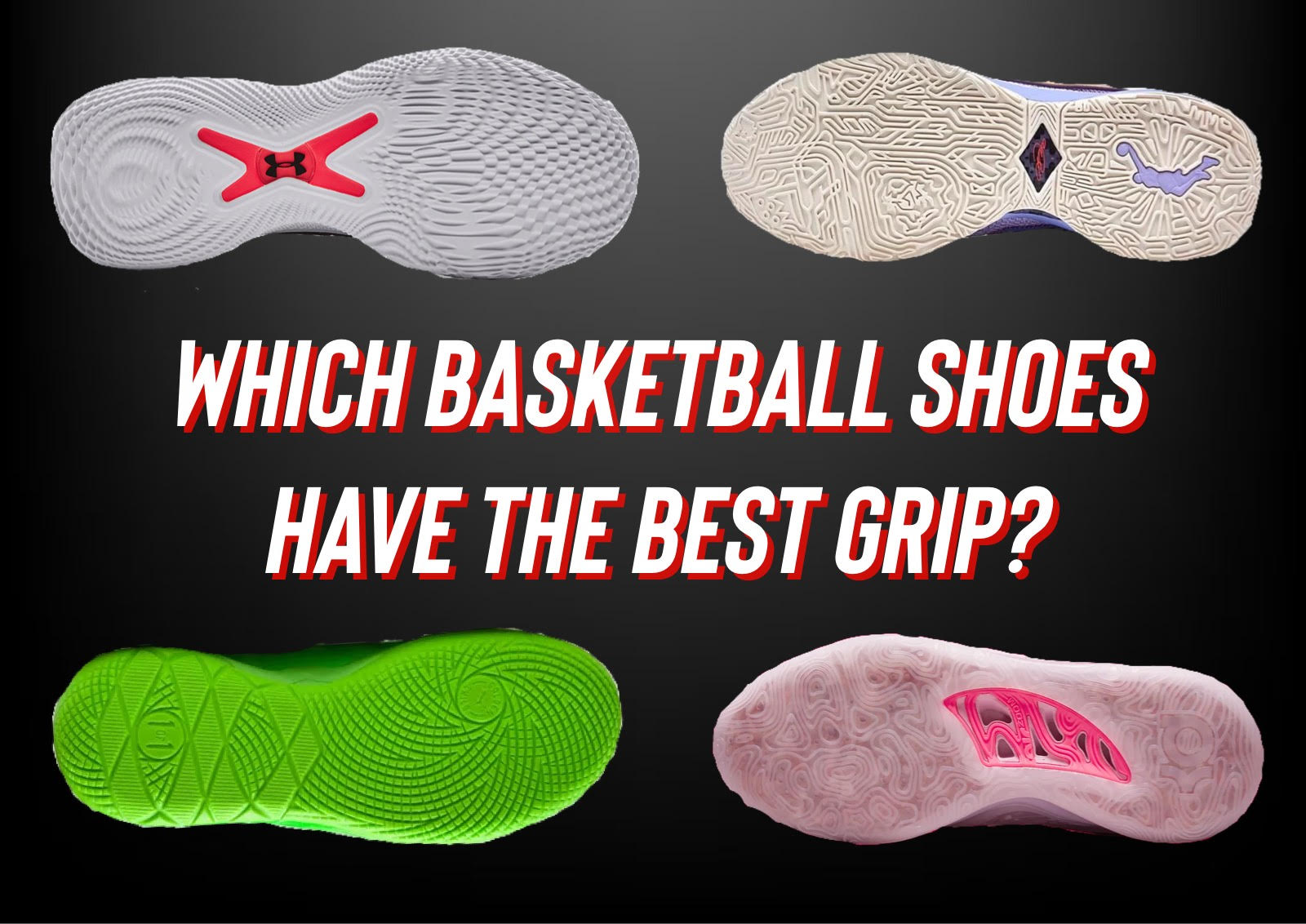
Traction begins with the design of the shoe. Look for an outsole pattern that matches your movements and playing surface.
A good indoor basketball shoe often includes:
• A multidirectional herringbone or similar traction pattern.
• Flexible rubber that maintains court contact.
• A stable heel and forefoot base.
• A secure fit that limits internal foot movement.
• A sole designed for clean indoor surfaces.
Outdoor players may need:
• Harder, more durable rubber.
• Deeper grooves.
• Reinforced areas near the toe and heel.
• A construction that tolerates rough concrete.
There is no single “best” grip pattern for every player. Guards may value fast lateral traction, while bigger players may want stability and strong braking support. A shoe with excellent rubber can still feel poor if the fit is loose or the sole does not flex with your foot.
Try to test shoes on a clean surface when possible. Walk, stop, and make controlled side steps. Comfort and secure fit are just as important as the rubber compound.

Common Mistakes That Reduce Shoe Grip
Small habits can shorten the useful life of basketball shoes. Avoid these common errors:
Wearing Court Shoes Outside
Outdoor surfaces grind down rubber and push grit into the tread. Even a short walk across a parking lot can pick up debris.
Using Too Much Cleaner
More soap does not mean better cleaning. Excess product can remain on the outsole and create a slippery film.
Playing With Wet Soles
A wet sole may feel sticky for a moment, then slide across a polished surface. Dry the rubber before you play.
Ignoring Fit
A grippy outsole cannot prevent your foot from shifting inside a loose shoe. Choose the correct size and tie the laces securely.
Waiting Until the Tread Is Gone
Inspect your shoes early. Replacing them before the outsole becomes completely smooth gives you more time to adjust to a new pair.
The biggest lesson is simple: traction is a system. The rubber, court, fit, cleanliness, and moisture level all work together. Improving only one part may not solve the whole problem.
Frequently Asked Questions About How to Make Basketball Shoes More Grippy
How do I make basketball shoes more grippy at home?
Clean the outsole with warm water, mild soap, and a soft brush. Rinse away all soap, then let the shoes air-dry fully before playing.
Does wiping basketball shoes with a wet cloth improve grip?
A slightly damp cloth can remove surface dust and provide short-term improvement. Do not leave the sole wet, because moisture may increase slipping on some courts.
Can I use hairspray to make basketball shoes more grippy?
Hairspray is not recommended. It can leave residue, attract more dust, damage the outsole, and transfer an unsafe film to the court.
Why are my basketball shoes slippery after cleaning?
Soap residue, excess moisture, worn rubber, or a slick court may be responsible. Wipe the outsole with clean water, dry it well, and inspect the tread for wear.
How often should I clean basketball shoe soles?
Clean them whenever traction drops or the tread looks dusty. Players who practice often may benefit from a light wipe after every session and a deeper clean once a week.
Can worn basketball shoes regain their original grip?
No cleaning method can restore rubber that has been worn smooth. If the tread is flat, cracked, or separating, replacing the shoes is the safest option.
Are basketball shoes more grippy on indoor or outdoor courts?
Shoes with soft rubber often grip better indoors, while outdoor courts can wear them down quickly. Outdoor shoes usually use harder rubber for improved durability, but traction still depends on court dust and moisture.
Conclusion
The best way to make basketball shoes more grippy is to keep the outsole clean, remove dust with a soft brush, use a slightly damp cloth when needed, and let the shoes dry naturally. Avoid oils, harsh chemicals, sandpaper, and sticky home remedies that can damage the rubber or create an unsafe court.
Inspect the tread often and match your shoes to the surface where you play. Start with a simple cleaning routine before your next session, then replace the shoes when wear—not dirt—is the real cause of slipping. Share your results or explore more basketball footwear tips to keep every cut, stop, and landing more confident.

Michael Smith is the Content Strategist behind The Style Hub, where fashion meets function. With a keen eye for trends and a passion for everyday style, he curates content that helps readers make smarter, more stylish choices—from the perfect pair of sneakers to must-have accessories. Michael specializes in breaking down fashion into practical, wearable insights, making style accessible for everyone. When he’s not researching the latest trends, he’s exploring how comfort, innovation, and timeless design come together in modern fashion.