How To Protect Shoe Soles: Easy Tips To Extend Life
Use resoling, sole protectors, cleaning, and smart habits to extend shoe sole life.
I’ve spent years repairing shoes and testing sole treatments, so I know what works. This guide shows practical, step-by-step advice on how to protect shoe soles, from materials and quick fixes to long-term care. Read on for actionable tips you can use today to keep soles strong, comfortable, and long-lasting.

Why protecting shoe soles matters
Worn soles hurt comfort and change how shoes fit. Thin soles can lead to foot pain and faster wear in other parts of the shoe. Protecting soles saves money and keeps shoes looking newer for longer. Learning how to protect shoe soles helps you avoid costly repairs and improves foot health.

Types of soles and how they wear
Different soles need different care. Rubber soles resist water and wear well on rough surfaces. Leather soles look dressy but wear faster on wet or rough ground. Foam and EVA soles compress and lose cushioning with time. Know your sole type before you choose methods for how to protect shoe soles.

Inspecting and maintaining shoe soles
Check soles every month for uneven wear, cracks, or thin spots. Use a bright light and feel for hard or soft areas with your fingers. Small issues caught early are easy to fix. Regular inspection is the first step in learning how to protect shoe soles.

DIY protection methods
There are simple steps you can do at home to slow wear.
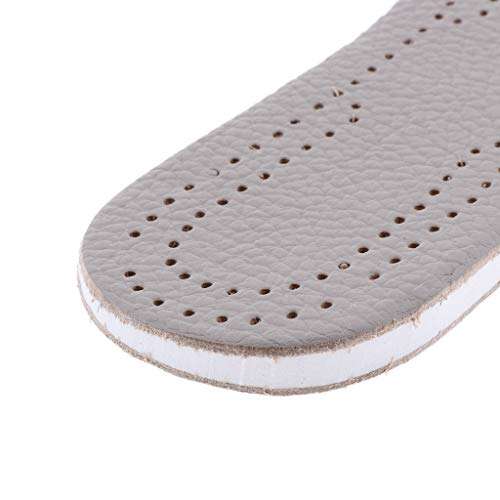
- Apply sole protectors: Thin adhesive sole guards stick under shoes and take the abrasion instead of the original sole. They are cheap and fast to install.
- Use heel taps: Metal or rubber heel taps bolt or glue onto the heel to stop heel wear. They work well for dress shoes.
- Add thin rubber sole patches: For high-wear spots, glue small rubber patches to extend life.
- Clean and dry soles: Remove grit and dry leather soles after wet days to prevent rot. Clean rubber soles to maintain traction.
- Apply sole dressings sparingly: Some products restore leather soles and slow water damage but follow instructions closely.
I once patched a pair of boots with adhesive sole guards and saved the soles for another season. That hands-on fix taught me that small DIY steps can delay professional resoling.

Professional options and aftermarket products
When DIY is not enough, go to a cobbler. Cobblers can resole, add full rubber soles, or stitch new leather. Aftermarket options include Vibram resoles, full-length rubber overlays, and specialized heel rebuilds. These choices cost more but extend the life of good shoes by years. For expensive or sentimental shoes, professional resoling is often the best way to protect shoe soles.

Everyday habits to extend sole life
Simple daily habits add up fast.
- Rotate shoes: Wearing the same pair daily wears soles unevenly and quickly. Give shoes 24–48 hours between wears.
- Avoid rough terrain when possible: Gravel and sharp rocks speed abrasion. Use rugged shoes for rough work.
- Remove dirt and grit: Particles grind into soles and wear them out faster.
- Use weather-appropriate footwear: Don’t wear leather-soled dress shoes in heavy rain or snow.
- Store shoes upright and dry: Keep soles cool and dry to avoid material breakdown.
From my experience, rotating shoes and avoiding puddles cut sole wear dramatically. Those two habits alone saved me from early resoling several times.

Cost, limitations, and when to resole
Not every sole can be saved cheaply. Thin leather soles often need full resoling after heavy wear. Adhesive protectors may peel on very old soles. Expect professional resoling to cost more than DIY fixes but less than replacing high-quality shoes. Knowing when to resole is part of how to protect shoe soles wisely: act before the sole wears through to preserve structure.

Quick questions about maintenance
What should I check first on a worn sole?
Look for thin areas, holes, and uneven wear on the heel and forefoot. These signs tell you when to act.
How often should I inspect soles?
Do a quick check monthly and a deeper look after long trips or wet seasons.
Can I use household glue for patches?
Some contact adhesives work, but use products labeled for shoe repair to avoid failures and mess.
Are sole protectors visible?
Thin guards are often discreet. Full overlays can change the shoe look, but many people accept that trade-off for protection.
Do waterproof sprays protect soles?
They help leather resist water but do not stop abrasion. Use sprays with other protection methods.
Frequently Asked Questions of how to protect shoe soles
What are the best products to protect shoe soles?
Best products include adhesive sole protectors, heel taps, rubber resoling kits, and professional Vibram resoles. Pick a product that matches the sole material and wear pattern.
How long do sole protectors last?
Sole protectors usually last several months to a year, depending on wear and surface. Replace them as soon as edges lift or traction decreases.
Can I resole shoes myself?
Yes, for basic repairs like heel taps or adhesive patches you can DIY with the right tools. Full resoling often needs a cobbler for durable results.
Will resoling change shoe fit?
A good resole preserves the shoe’s fit. Poorly done resoling can alter feel, so use a skilled cobbler for premium shoes.
How much does professional resoling cost?
Costs vary by shoe type and materials. Expect a simple heel repair to be inexpensive and a full resole to cost more, but it’s often cheaper than replacing high-quality shoes.
Conclusion
Protecting shoe soles is a mix of good habits, timely inspections, and the right fixes. Use shield products for small wear, rotate and clean shoes regularly, and call a cobbler when needed. Start with one habit today—inspect your soles—and you’ll cut repair costs and extend shoe life. Share your sole-care wins or questions below, and subscribe for more shoe-care tips.

Michael Smith is the Content Strategist behind The Style Hub, where fashion meets function. With a keen eye for trends and a passion for everyday style, he curates content that helps readers make smarter, more stylish choices—from the perfect pair of sneakers to must-have accessories. Michael specializes in breaking down fashion into practical, wearable insights, making style accessible for everyone. When he’s not researching the latest trends, he’s exploring how comfort, innovation, and timeless design come together in modern fashion.