Best Dress Shoes For Hallux Rigidus: Comfortable Picks
The best dress shoes for hallux rigidus offer a roomy toe box, low heel, soft upper, and steady support.
A hard, painful big toe can turn a normal workday into a slow march. You may want polished shoes for an office, dinner, or event, yet narrow toes and stiff soles can press on the joint with every step. I looked for dress styles that leave the forefoot room to move, feel gentle across the top of the foot, and stay stable on firm floors. The pairs below suit different needs, from easy flats to low-heel pumps and supportive loafers. Always check with a podiatrist if pain, swelling, or reduced motion keeps getting worse.
ZOOFLEX Wide Toe Box Mary Jane Flats

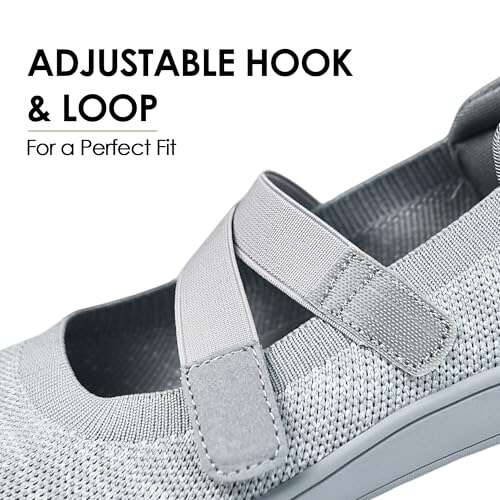
The ZOOFLEX Mary Jane is a smart pick for shoppers who want a soft flat with a more open front. Its knit upper has a relaxed look that can feel less harsh than stiff leather around a sore big-toe joint. The wide toe box gives the toes more side-to-side space. That matters because hallux rigidus often makes pressure at the first metatarsophalangeal joint hard to tolerate.
The Mary Jane strap adds a secure feel without forcing you to lace the shoe. I like this style for office outfits, travel, and casual events where a ballet flat looks more suitable than a sneaker. The gray color should pair well with black, navy, denim, and neutral clothing. Since every foot and every size fit differs, I would still measure your foot and review the size chart before ordering.
Pros:
- Wide toe box gives the forefoot more room
- Soft knit upper may reduce rubbing
- Mary Jane strap helps hold the foot in place
- Flat profile suits low-heel dress needs
- Gray color works with many outfits
- Light ballet-flat shape packs well for travel
Cons:
- Flat shoes may not suit people who need firm arch control
- Knit material may offer less weather protection than leather
- Some feet may need a more rigid sole to limit big-toe bend
Frank Mully Wide Width Knit Ballet Flats

The Frank Mully ballet flat stands out for its wide-width design, round toe, and listed arch support. A round front is usually a better starting point for a painful big toe than a sharp, tapered dress shoe. The knit upper also gives this pair a flexible, soft appearance. For someone who needs a simple black flat for work, this design has a useful balance of polish and comfort.
I would consider this pair when a narrow shoe causes pressure across the whole forefoot, not just at the big toe. The wider shape can help prevent the toes from being squeezed together. Still, a roomy toe box does not automatically correct hallux rigidus, and it cannot replace medical care. Try the shoes indoors first, and stop wearing them if the joint feels more painful after short walks.
Pros:
- Wide-width option helps accommodate broader feet
- Round toe avoids a narrow pointed front
- Listed arch support adds structure beyond a basic flat
- Black color suits office and formal outfits
- Knit upper has a soft, flexible feel
- Simple ballet-flat shape works with skirts and trousers
Cons:
- Flat construction may not provide enough rocker action for every wearer
- Wide sizing can feel loose on slim feet
- Soft knit may not give the firm control some rigid joints need
Waluzs Wide Toe Box Knit Mary Jane Flats
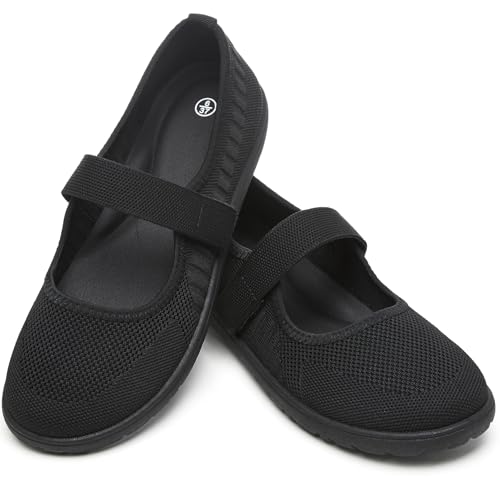
The Waluzs Mary Jane brings a dressy shape to the wide-toe-box category. Its knit upper can be a good match for people who dislike rigid material pressing over the forefoot. The strap creates a classic look and may help keep the shoe from sliding as you walk. That secure fit can reduce the need to grip with your toes.
This pair makes sense for daily wear when you want more style than a medical-looking shoe. I see it working well with cropped pants, dresses, and smart casual clothing. The wide front is the main reason I would place it on a hallux rigidus shortlist. However, check the sole and fit in person when possible, because a soft flat may not limit painful toe motion as well as a stiff or rocker sole.
Pros:
- Wide toe box leaves more space around the big toe
- Mary Jane strap gives a stable, classic fit
- Knit upper may feel gentle against sensitive skin
- Flat design avoids the extra forefoot load of high heels
- Dressy shape works for office and social settings
- Easy style for people who prefer slip-on comfort with a strap
Cons:
- A flat sole may not reduce joint bending for all users
- Knit fabric may need more care than smooth synthetic material
- The strap may feel snug if the top of the foot is high
Orthopedic Low-Heel Slip-On Pumps

This low-heel pump is aimed at shoppers who need a more traditional dress shoe. The slip-on design keeps the look clean and removes the hassle of laces. Its low heel is a better choice than a tall heel for many people with forefoot pain, since high heels shift more body weight toward the toes. The nude color can also create a long, simple line with dresses and dress pants.
I would choose this style for meetings, weddings, or work settings that call for a pump. The word “orthopedic” in a product name does not prove that a shoe will fit every painful joint, so I would judge the actual toe room, heel height, and sole feel. Wear it for a short period at home before a long event. If the pump makes your big toe bend or feel trapped, it is not the right choice, even if the look is attractive.
Pros:
- Low heel is more practical than a high heel for daily wear
- Slip-on design is quick and easy to use
- Traditional pump shape suits formal clothing
- Nude color pairs well with many dress colors
- Useful option for offices, ceremonies, and events
- More polished look than a casual walking shoe
Cons:
- Pump shape may still feel narrow for a very wide forefoot
- Any heel can increase pressure at the front of the foot
- Slip-on shoes may move if the heel fit is not secure
Ortho + Rest Orthopedic Dress Loafers

The Ortho + Rest loafer is the most structured-looking option in this group. It is marketed for bunions and orthotic use, which may appeal to people who need room and support in a dress shoe. The slip-on format is convenient for busy mornings and travel. Black PU gives it a clean look that can work with office trousers, uniforms, or simple dresses.
I like a loafer when a flat feels too casual but a pump feels too demanding. This style may also leave more room for an insole, although you should confirm the removable or usable interior before buying. A good loafer should hold the heel while allowing the toes to rest naturally. As with every pair here, the best fit depends on your foot shape, toe motion, and the amount of joint pain you have.
Pros:
- Loafer shape gives a polished office-ready appearance
- Designed with bunion and orthotic needs in mind
- Slip-on construction makes daily use simple
- Black finish works with formal and business clothing
- May suit shoppers who want more structure than a knit flat
- Low-profile style can replace a traditional pump
Cons:
- PU material may feel warmer than breathable knit fabric
- Loafer fit may not suit a narrow heel and wide forefoot without slipping
- Product sizing must be checked carefully before ordering
My Recommendation
For most shoppers, I would start with the ZOOFLEX Mary Jane because it combines a wide toe box, soft knit upper, flat shape, and a secure strap. It is a practical choice when you need the best dress shoes for hallux rigidus for office use, errands, and light social events. The Frank Mully flat is a strong alternative for people who want a black wide-width shoe with listed arch support. The Waluzs pair suits shoppers who prefer a similar wide Mary Jane look.
If you need a classic pump, the orthopedic low-heel slip-on is the most event-ready choice, but it deserves a careful indoor test because even a low heel can add pressure at the forefoot. The Ortho + Rest loafer is better for people who prefer a more structured black shoe or may need space for an orthotic. In my view, the best dress shoes for hallux rigidus should feel comfortable before they look fashionable. Pain is not a break-in signal.
| Best for | Why |
|---|---|
| Daily office wear | ZOOFLEX offers a roomy front, soft knit feel, and secure Mary Jane strap. |
| Wide feet needing a black flat | Frank Mully provides a wide-width shape, round toe, and listed arch support. |
| Formal events and dress outfits | The low-heel pump gives a more traditional polished look than a ballet flat. |
How Hallux Rigidus Changes Shoe Choice
Hallux rigidus means stiffness and pain in the joint at the base of the big toe. The joint is called the first metatarsophalangeal joint. It helps the foot push off as you walk. When the joint loses motion, the toe may hurt when it bends upward, and a bump can make shoe pressure worse.
That simple walking motion explains why dress shoes can cause trouble. A narrow toe box pushes the big toe inward or presses against the joint. A high heel shifts weight toward the ball of the foot. A very flexible sole may let the toe bend again and again. The right shoe cannot cure the condition, but it can remove some common sources of stress.
Medical guidance often focuses on shoes with a wide toe box, a low heel, and a sole that limits painful toe motion. Some people feel better in a firm sole or rocker bottom. Others prefer a soft upper that does not rub the joint. I look at both sides because comfort is personal, and one feature does not work for every foot.
What I Look For in the Best Dress Shoes for Hallux Rigidus
A wide and rounded toe box
The front of a dress shoe should follow the natural shape of the foot. Your toes should not taper into a point. They should rest flat and have room to spread. I check whether the widest part of the shoe sits near the ball of the foot instead of ending too early.
Do not confuse a long shoe with a wide shoe. Extra length may push your heel forward while the toe area stays tight. Measure both feet at the end of the day, when feet may be a little larger. Use the larger measurement, and compare it with the brand’s size chart.
A low heel
Heel height changes how your weight moves through the foot. A tall heel places more load near the toes and can increase pressure at the big-toe joint. A low heel is not a guarantee of comfort, but it is usually a safer starting point for a painful forefoot.
For work shoes, I prefer a stable heel with a broad base. A thin, narrow heel can make balance harder. It may also cause the foot to slide forward. If you must wear a higher heel for an event, use it for a short time and bring a more forgiving pair for travel and standing.
A sole that does not force toe bend
The big toe bends during push-off. If that motion hurts, a stiff sole may feel better than a very flexible flat. Some shoes use a rocker shape to move the foot through a step with less toe bend. Not every dress flat has this feature, so inspect the sole and test the walking feel.
A stiff shoe should still fit well. Firm does not mean painful. If the upper presses on the joint, a rigid sole will not solve the problem. I want the shoe to reduce motion while giving the forefoot enough room.
A soft, smooth upper
Many people with hallux rigidus also have a visible bump or swollen joint. Rough seams and stiff overlays can rub that area. A soft knit or smooth upper may feel kinder. Stretch can help, but too much stretch may let the foot slide.
Look inside the shoe for seams near the big toe. Run your hand over the lining. If you feel a sharp edge in your hand, your foot may feel it even more after several hours. This small check can prevent a large problem.
A secure fit at the heel
A wide toe box should not mean a loose shoe everywhere else. Your heel should stay in place as you walk. A Mary Jane strap, adjustable closure, or well-shaped loafer can help hold the foot.
A shoe that slips makes you grip with your toes. That can add fatigue and change your walking pattern. If you need a wide front and a narrow heel, search for adjustable shoes or use a thin heel grip only if it does not create new pressure.
How to Test Dress Shoes Before a Long Day
Start with clean, dry feet and the socks or hosiery you plan to wear. Try both shoes. Stand up, walk on a hard floor, and climb a few steps if you can. Check whether the big toe hits the front or whether the sore joint touches the upper.
Keep the first test short. Ten to fifteen minutes can reveal a hot spot. Remove the shoes and inspect your skin. Redness that fades quickly may be minor, but a sore spot, blister, or deep mark is a warning. Do not wait for the shoe to “break in” if it causes joint pain.
Test at the time of day when you usually wear the shoes. Feet often swell after hours of standing. A pair that feels fine early in the morning may become tight later. I also suggest walking on the same surfaces you will face at work or at an event.
Buy from a seller with a clear return policy. Keep the box and tags until you know the fit works. For online orders, compare your foot measurements with the brand chart rather than relying only on your usual size. Sizes can vary by brand and by shoe shape.
Dress Shoe Mistakes That Can Increase Big-Toe Pain
Choosing style over space
A pointed toe can look sleek, but it may crowd the big toe. The pressure may feel small at first. After hours of walking, that small pressure can become a sharp ache. A rounded or naturally shaped toe usually gives the joint more breathing room.
Assuming soft means supportive
A soft upper can reduce rubbing, but it does not always control foot motion. A completely loose flat may let the foot slide. I look for a soft upper paired with a stable heel and a sole that feels controlled.
Buying a larger size to gain width
Going up a full size may add length without adding enough room across the joint. Your heel may then slip. Instead, look for a wide width or a naturally broader design. Some shoes have several width choices, while others use a roomy shape in one standard size.
Wearing a new pair all day
Even a promising shoe needs a trial period. Wear it around the home first. Increase the time over several days. This gives you a chance to find pressure points before an important meeting or event.
Ignoring pain that changes your walk
If you limp, roll your foot outward, or avoid pushing off, the shoe is not working for you. Pain can change movement in the knee, hip, and back. Talk with a health professional if symptoms are strong, sudden, or persistent.
Flats, Loafers, and Pumps: Which Style Works Best?
Flats
Flats offer a low profile and often work well with casual office clothing. They can feel easy to wear, especially when they have a wide toe box. The main concern is sole flexibility. A very thin, bendy flat may allow painful big-toe motion.
The ZOOFLEX, Frank Mully, and Waluzs shoes are all flat styles in this review. Their roomy fronts make them useful starting points. I would choose among them based on the width, strap feel, arch needs, and the type of sole that feels best under your foot.
Loafers
Loafers can offer more structure than ballet flats. They also look polished with trousers and business clothing. A loafer may be a better choice if you want an enclosed shoe with a stronger shape.
The Ortho + Rest pair is worth considering for this role. Check whether your heel stays secure and whether the front has enough room. A loafer that pinches at the joint will not become comfortable simply because it has a supportive name.
Low-heel pumps
Pumps fit formal dress codes better than many flats. A low heel is usually less demanding than a tall heel, but it still moves some pressure toward the front of the foot. Use a pump for the shortest practical time if your joint is sensitive.
The low-heel nude pump in this review may suit weddings, ceremonies, and office events. I would not choose it as the first daily walking shoe for severe hallux rigidus. Comfort, toe room, and stable footing must come before the classic pump shape.
Can Inserts Help With Hallux Rigidus?
An insert may help some people by changing pressure under the foot or adding support. A stiff insert can sometimes limit big-toe bend. However, an insert takes up space. If the shoe already fits tightly, adding one can make the toe box worse.
Ask a podiatrist or qualified foot specialist for advice if you want a custom device. The right insert depends on your foot shape, joint motion, and walking pattern. Do not assume that every “orthotic” insole provides the same result.
If you try an insert, remove the factory insole only when the shoe allows it. Use the insert for a short period first. Check for new pressure at the big toe, arch, heel, and ball of the foot. Stop if it causes numbness or sharp pain.
Care Tips for Dress Shoes
Let shoes dry fully between wears. Damp fabric can lose its shape and may irritate the skin. Use a soft brush or cloth for surface dirt, and follow the care directions for knit or PU material.
Do not store shoes crushed under heavy items. A simple shoe tree or clean paper can help the upper keep its form, but avoid anything that pushes the toe box narrower. Keep the pair in a cool, dry place.
Rotate between two comfortable pairs when possible. Alternating shoes gives the materials time to recover and lets you change the pressure pattern on your feet. It also helps you avoid wearing one pair past the point where the sole or lining loses support.
FAQs Of best dress shoes for hallux rigidus
What features should I seek in dress shoes for hallux rigidus?
Look for a wide, rounded toe box, a low heel, a smooth upper, and a stable sole. A firm or rocker-style sole may help limit painful toe bend. The shoe should hold your heel without squeezing the forefoot.
Are flats good for hallux rigidus?
Flats can work when they have enough toe room and a stable sole. Very thin or flexible flats may allow more big-toe motion and may not feel good for every person. Test the shoe at home before wearing it for long periods.
Can I wear heels with hallux rigidus?
You may tolerate a low, stable heel for a short time, but high heels can increase pressure at the forefoot. Choose the lowest heel that meets your dress needs. Bring a more comfortable backup pair for long events.
Is a wide shoe always the best choice?
No. A wide shoe can still slip, lack support, or bend too much. The best fit gives your toes room while holding your heel securely. Match the shoe shape to your foot rather than choosing width alone.
When should I see a doctor about big-toe pain?
Seek medical advice if pain keeps returning, limits walking, causes a limp, or comes with swelling and reduced motion. A podiatrist can check the joint and discuss treatment options. Do not use a shoe review as a substitute for an exam.
Final Verdict: Which Should You Buy?
For most people, the ZOOFLEX Mary Jane is my top pick among these best dress shoes for hallux rigidus. It offers a roomy front, soft knit upper, flat shape, and secure strap. Choose the Ortho + Rest loafer for a more structured office look.
The right dress shoe should make walking easier, not test your pain limit. Measure carefully, test indoors, and choose comfort before fashion when shopping for hallux rigidus shoes.

Michael Smith is the Content Strategist behind The Style Hub, where fashion meets function. With a keen eye for trends and a passion for everyday style, he curates content that helps readers make smarter, more stylish choices—from the perfect pair of sneakers to must-have accessories. Michael specializes in breaking down fashion into practical, wearable insights, making style accessible for everyone. When he’s not researching the latest trends, he’s exploring how comfort, innovation, and timeless design come together in modern fashion.