The best sneakers for women in the United States are the ones that match your foot shape, daily activity, and comfort needs. A cushioned walking shoe may suit long days at work, while a lighter running shoe may work better for jogging. A stylish casual sneaker may look great but offer less support for long walks.
For many shoppers, these models are strong starting points:
- Best everyday walking: Brooks Ghost
- Best for soft cushioning: HOKA Clifton
- Best for wider feet: New Balance 990 series
- Best for running: ASICS GEL-Nimbus or Brooks Ghost
- Best for gym use: Nike Pegasus or Reebok Nano
- Best casual sneaker: New Balance 327 or Adidas Stan Smith
- Best for standing all day: New Balance 990 or HOKA Bondi
These are not universal winners. Your best choice depends on fit, support, activity, and any foot or joint concern you may have.
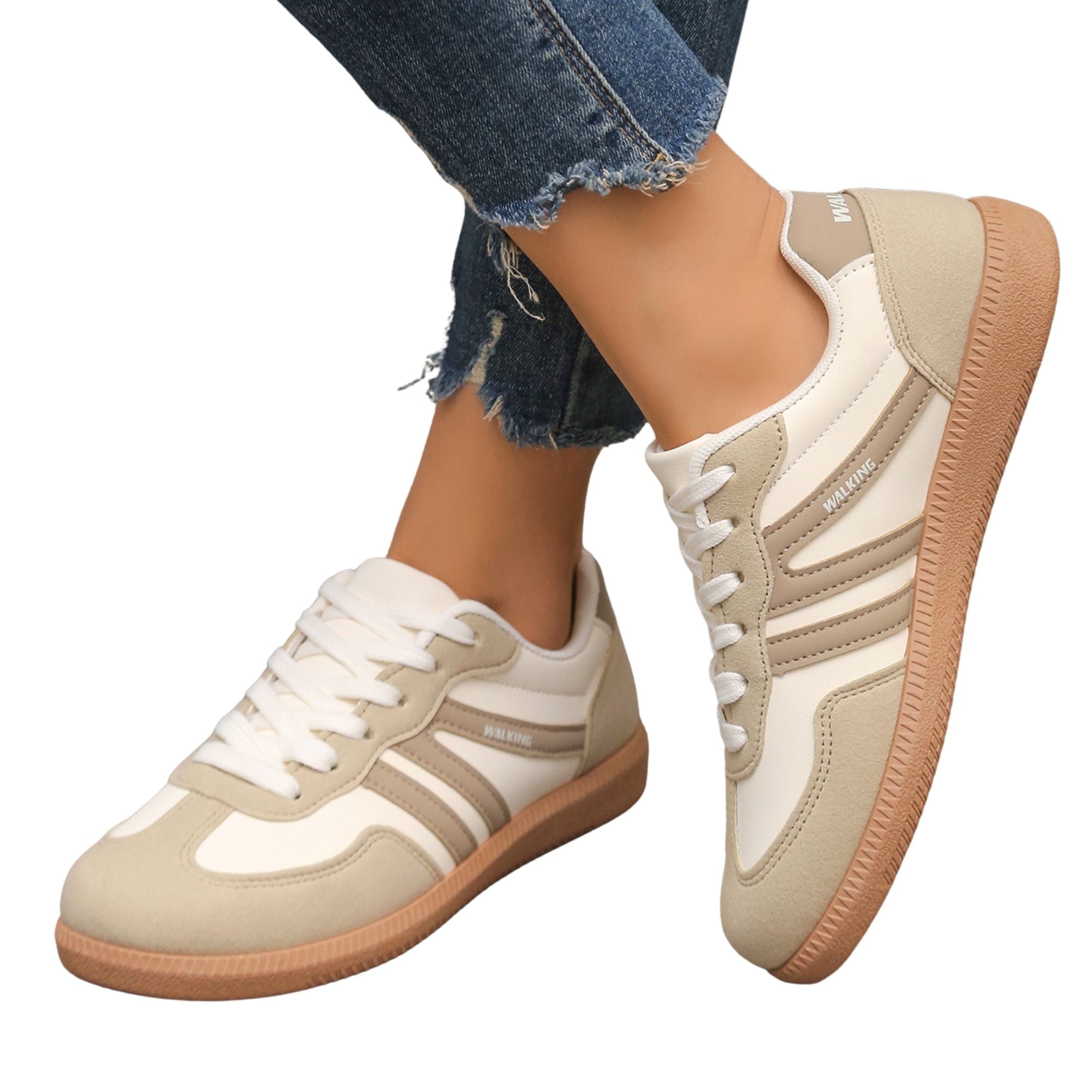
What makes a sneaker good for women?
A good women’s sneaker should fit the foot well, stay secure during movement, and provide enough cushioning for the activity. It should not pinch the toes, rub the heel, or force the foot into an unnatural position.
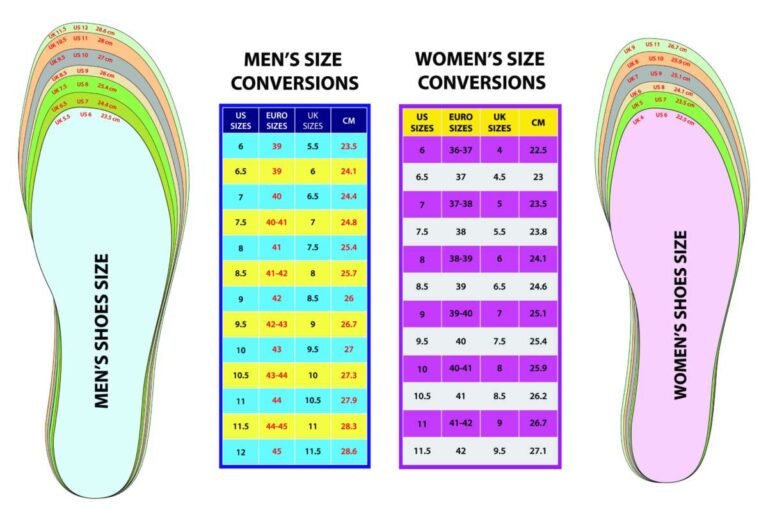
Women’s shoes often use a narrower heel and a different width range than men’s shoes. However, these labels do not tell the whole story. Many women need a wide toe box, while some prefer a unisex or men’s shoe for a better fit.
Look for these core features:
- Enough toe room: Your toes should be able to spread without touching the front.
- A secure heel: The heel should not lift more than slightly when you walk.
- Useful cushioning: Softer is not always better. The shoe should feel stable for your activity.
- A flexible forefoot: The shoe should bend near the ball of your foot.
- A stable base: The sole should not feel wobbly when you stand or turn.
- Breathable materials: Mesh uppers can help reduce heat and moisture.
- The right width: Common widths include narrow, standard, wide, and extra-wide.
The American Academy of Orthopaedic Surgeons advises trying shoes on later in the day, when feet may be slightly larger. It also recommends choosing shoes that fit the larger foot and leaving room at the front for the toes.
Best sneakers for women by use
The “best” sneaker changes with the job. A running shoe is built for repeated forward motion. A training shoe is built for side-to-side movement. A casual sneaker may focus more on style than impact control.
| Use | Strong starting options | Why they may fit | Main limit |
|---|---|---|---|
| Daily walking | Brooks Ghost, New Balance 880 | Balanced cushioning and easy flex | May feel too soft or too plain for some users |
| Long periods of standing | HOKA Bondi, New Balance 990 | Thick cushioning and broad platforms | Can feel heavy or bulky |
| Running | Brooks Ghost, ASICS GEL-Nimbus | Designed for repeated running impact | Not ideal for heavy lateral training |
| Gym training | Nike Pegasus, Reebok Nano | More useful for mixed workouts | Running models may lack side stability |
| Wide feet | New Balance 990, New Balance 1080 | Often available in several widths | The fit still varies by model |
| Casual wear | Adidas Stan Smith, New Balance 327 | Simple styling for daily outfits | Less cushioning for long walks |
| Travel | HOKA Clifton, Brooks Ghost | Comfortable for walking and airport use | Athletic shape may not suit formal settings |
Best everyday walking sneakers: Brooks Ghost and New Balance 880
The Brooks Ghost is a sensible choice for daily walking, light jogging, and errands. It has a neutral design, so it does not add strong motion control. That makes it a good starting point for people who want a conventional cushioned shoe.
The New Balance 880 is another balanced option. It is often sold in several widths, which can help shoppers who find standard shoes too tight. Check the exact version before buying because materials, fit, and weight can change between model updates.
Best cushioned sneakers: HOKA Clifton and HOKA Bondi
The HOKA Clifton offers a lightweight feel with a thick cushioned sole. It may suit people who walk often and like a soft, smooth ride. Its curved sole can help the foot move forward with less effort, though some people need time to adjust to the shape.
The HOKA Bondi has more bulk and cushioning. It can be useful for long walks or standing on hard floors. The trade-off is weight and less natural ground feel. A thick sole also does not automatically correct pain or poor fit.
Best sneakers for wide feet: New Balance 990 and New Balance 1080
The New Balance 990 series is a strong option for people who want a stable, supportive everyday shoe with multiple width choices. Its firm build may feel more secure than a very soft running shoe.
The New Balance 1080 offers a softer running and walking feel. It is worth considering if you want cushioning but still need a wider fit. Always check the width code. A “wide” version can fit very differently from the standard version.
Best running sneakers: ASICS GEL-Nimbus and Brooks Ghost
The ASICS GEL-Nimbus is designed for neutral runners who prefer substantial cushioning. It may work well for easy runs, walking, and people who dislike a firm ride.
The Brooks Ghost has a more balanced feel. It may be easier to use for both walking and running. Neither shoe is automatically best for every runner. Running form, pace, surface, body size, and injury history can change the right choice.
If you have recurring pain, numbness, swelling, or an injury, see a qualified health professional rather than choosing a shoe as a treatment.
Best gym sneakers: Nike Pegasus and Reebok Nano
The Nike Pegasus can work for treadmill running, weight training, and general gym sessions. It is more versatile than a highly specialized racing shoe.
The Reebok Nano is built more for training than distance running. Its flatter, firmer platform can feel more stable for lifting and strength work. It may not feel comfortable for long runs.
For workouts with jumps, lunges, and side-to-side movement, avoid very tall, soft running shoes if they make you feel unstable.

How to choose the right sneaker fit
Fit matters more than brand. A well-made shoe can still cause pain if it is too short, too narrow, or poorly matched to your foot.
Use this simple fitting process:
- Measure both feet. Stand while measuring. One foot is often slightly larger.
- Try shoes on with your usual socks. Thick athletic socks can change the fit.
- Check the toe space. Leave about a thumb’s width between your longest toe and the shoe’s front.
- Walk on a hard surface. Carpet can hide slipping or pressure.
- Test the heel. A small amount of movement is normal, but repeated rubbing is not.
- Bend the shoe. It should flex near the ball of your foot, not fold in the middle.
- Try stairs or a short walk. Watch for toe pressure, arch pain, or heel movement.
- Compare both shoes. Fit should feel comfortable on both feet.
Do not buy a shoe that needs a long “break-in” period to stop hurting. Some materials soften with use, but sharp pressure, numbness, and toe crowding are warning signs.
How much toe room do you need?
You need enough space for the foot to expand during walking and exercise. A practical guide is about one thumb’s width in front of the longest toe. This is not a strict medical measurement, so comfort and movement still matter.
Your toes should not press against the upper when you walk downhill or stop suddenly. If they do, try a longer size or a shoe with a deeper toe box.
How should sneakers feel under the arch?
The arch area should feel supported but not sharply pressed. A raised section that feels comfortable to one person may irritate another.
Do not assume that a visible arch feature means a shoe is more supportive. Stability comes from the whole shoe, including its base, heel fit, midsole, and flexibility.

Neutral, stability, and motion-control sneakers
Most shoppers do not need a motion-control shoe. A neutral sneaker provides cushioning without trying to guide the foot strongly. It is usually the simplest place to start.
A stability sneaker may include a firmer section or a wider base. It is designed to reduce some inward rolling, often called overpronation. However, foot motion is not automatically harmful, and a stability shoe may feel uncomfortable if you do not need its structure.
A motion-control shoe is more structured. It may help some people with specific needs, but it should not be selected only because the label sounds more supportive.
If a podiatrist, physical therapist, or other qualified professional has recommended a shoe type, follow that advice. Otherwise, choose the shoe that feels stable, comfortable, and secure during your real activity.

Sneakers for common foot concerns
Sneakers can improve comfort, but they do not cure most foot conditions. Choose carefully if you have bunions, plantar heel pain, flat feet, arthritis, diabetes, or a past injury.
Bunions
Choose a shoe with a wide and tall toe box. Avoid narrow, pointed fronts that push the big toe inward. Soft uppers may reduce rubbing, but they cannot change the joint position.
Plantar heel pain
A cushioned shoe may feel better than a very thin, hard sole. A firm heel counter and a comfortable fit can also help. Persistent heel pain needs medical assessment, especially if it limits normal walking.
Flat feet
Flat feet do not automatically require arch support. Some people prefer supportive shoes, while others feel better in a neutral design. Fit, comfort, and symptoms matter more than the appearance of the arch.
Arthritis
Look for cushioning, a stable base, and a sole that rolls forward easily. A roomy toe box may reduce pressure on stiff joints. If pain, swelling, or stiffness continues, speak with a clinician.
Diabetes or reduced sensation
Foot protection becomes especially important when sensation is reduced. Check your feet for blisters, red marks, and pressure spots. Ask your health care professional which footwear is safest for your condition.

Common sneaker-buying mistakes
The most common mistake is choosing by appearance alone. Style matters, but a narrow or unstable shoe can make daily walking uncomfortable.
Avoid these errors:
- Buying the same size in every brand
- Ignoring width options
- Shopping only in the morning
- Assuming expensive means better
- Using running shoes for heavy side-to-side training
- Wearing worn-out shoes for high-impact exercise
- Choosing maximum cushioning without checking stability
- Keeping shoes that cause numbness or blisters
- Buying based only on online reviews
- Treating a shoe as a cure for pain
Replace sneakers when the tread is worn, the midsole feels uneven, or the shoe no longer feels supportive. There is no single mileage number that applies to everyone. Body weight, walking surface, activity, and shoe design all affect wear.
How to care for sneakers
Good care can help sneakers stay comfortable longer.
- Let shoes dry fully before wearing them again.
- Remove loose dirt with a soft brush.
- Follow the maker’s washing instructions.
- Avoid high heat, which can damage foam and adhesives.
- Rotate between two pairs if you walk or train often.
- Use the correct lacing pattern to reduce heel slip.
- Replace shoes when the structure breaks down, even if the upper looks clean.
Do not put wet shoes on a heater or radiator. Heat can change the shape of the shoe and weaken its materials.
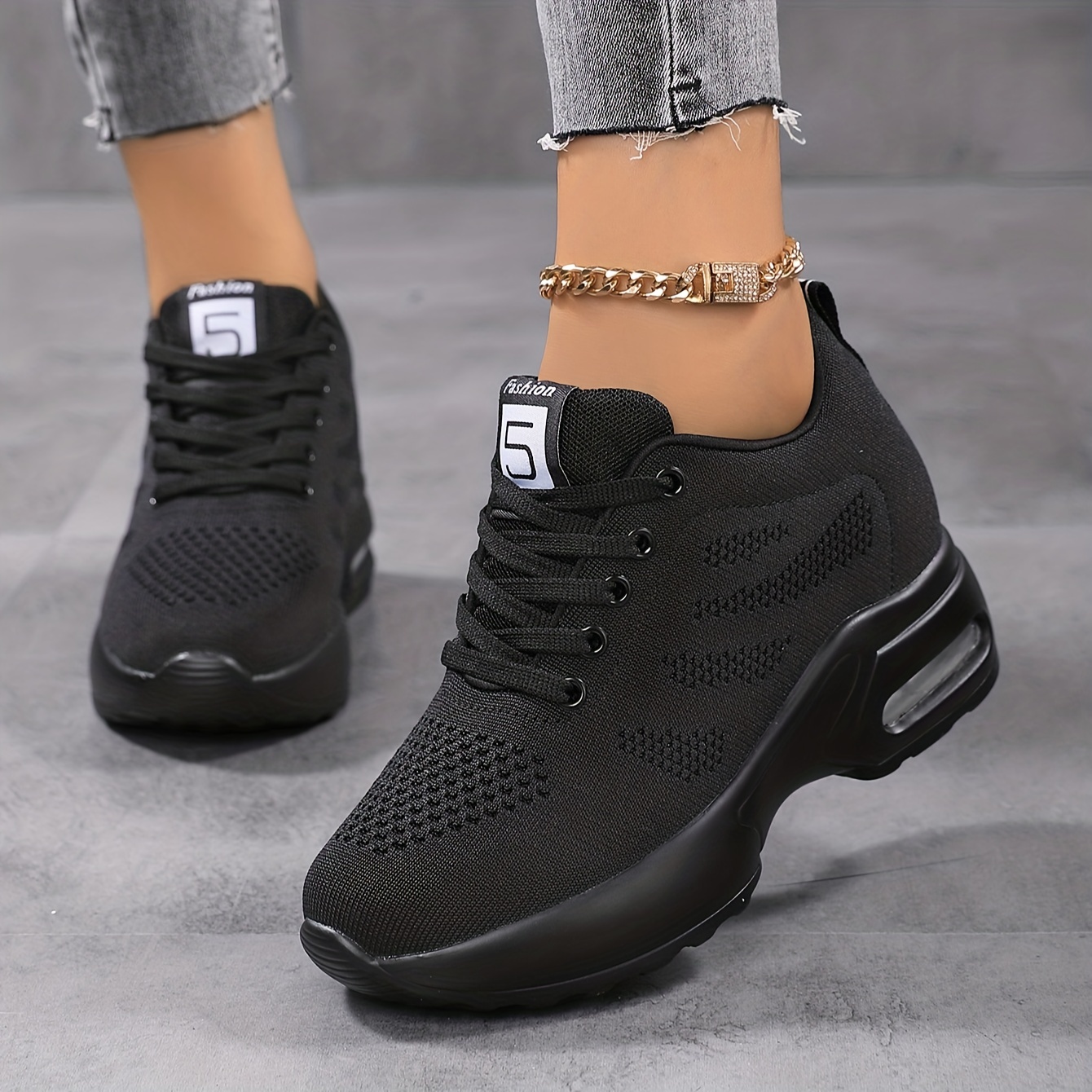
Key takeaways
- The best sneakers for women are the ones that fit your foot and match your activity.
- Brooks Ghost and New Balance 880 are useful starting points for daily walking.
- HOKA Clifton and Bondi suit shoppers who prefer substantial cushioning.
- New Balance often offers helpful width choices, including wide sizes.
- Use training shoes for lateral workouts and running shoes for forward motion.
- Leave room for your toes, but keep the heel secure.
- Pain, numbness, repeated blisters, or swelling are reasons to stop and reassess the shoe.
- A shoe can improve comfort but should not replace medical care.
Frequently asked questions
Are women’s sneakers different from men’s sneakers?
They can be. Women’s models may use a narrower heel, different proportions, and women-specific sizing. But the label is not a rule. Choose the shoe that fits your foot, even if that means trying a unisex or men’s model.
Should walking sneakers be soft or firm?
They should feel comfortable and stable for you. Soft cushioning can reduce harsh impact, while a firmer sole may feel more stable. Test the shoe by walking on a hard surface before deciding.
How often should women replace sneakers?
Replace them when the sole is worn, the cushioning feels flat, or the shoe causes new discomfort. High-use running shoes may wear out sooner than casual shoes, but mileage varies widely.
Can I use running shoes for walking?
Yes. Running shoes often work well for walking because they provide cushioning and support. They may be less suitable for workouts that involve frequent side-to-side movement.
Are expensive sneakers worth the cost?
Not always. Price does not guarantee better fit or comfort. A moderately priced shoe with the right size, width, and purpose may serve you better than a premium shoe that does not fit.
What should I do if every sneaker causes foot pain?
Stop using the pair that causes pain and check size, width, socks, and activity. If pain continues, or if you have swelling, numbness, wounds, or difficulty walking, seek advice from a podiatrist, physical therapist, or other qualified health professional.
Conclusion
The best sneakers for women are not chosen by color, trend, or price. They are chosen by fit, purpose, and comfort. Start with your main activity, measure both feet, compare widths, and test the shoe on a hard surface.
For a safe first purchase, try a neutral walking or running model such as the Brooks Ghost or New Balance 880. Choose HOKA for a softer, higher-cushion feel, or New Balance when width options are a priority. Your next step is simple: identify where and how you will wear the sneakers, then select the model that fits that need without pressure or pain.

Michael Smith is the Content Strategist behind The Style Hub, where fashion meets function. With a keen eye for trends and a passion for everyday style, he curates content that helps readers make smarter, more stylish choices—from the perfect pair of sneakers to must-have accessories. Michael specializes in breaking down fashion into practical, wearable insights, making style accessible for everyone. When he’s not researching the latest trends, he’s exploring how comfort, innovation, and timeless design come together in modern fashion.