For most men in the United States, the most comfortable sneakers are the ones that match their foot shape, daily use, and walking surface—not simply the ones with the most foam. Strong options include the Brooks Ghost Max 2, ASICS Gel-Nimbus 27, New Balance Fresh Foam X 1080, HOKA Bondi 9, and Skechers GO WALK line. Each serves a different need.
The best choice depends on four things:
- How long you wear the shoes
- Whether you walk, run, work, or stand in them
- Your foot width and arch shape
- Whether you need soft cushioning, firm support, or a stable base
Comfort is personal. A shoe that feels soft and easy to one person may feel unstable or too warm to another. Use the recommendations below as a starting point, then check fit, width, and return terms before buying.

Quick Answer: Which Men’s Sneakers Are Most Comfortable?
The most comfortable men’s sneakers for many people are:
| Best for | Recommended sneaker | Why it may feel comfortable | Main trade-off |
|---|---|---|---|
| Long walks and daily use | Brooks Ghost Max 2 | High cushioning and a smooth rocker shape | May feel too tall for some users |
| Soft, cushioned comfort | ASICS Gel-Nimbus 27 | Plush midsole and padded upper | Can feel warm and less flexible |
| Wide feet and many foot shapes | New Balance Fresh Foam X 1080 | Several width options and soft cushioning | Soft foam may feel less stable |
| Maximum cushioning | HOKA Bondi 9 | Thick sole and strong shock reduction | Bulky look and less ground feel |
| Casual walking | Skechers GO WALK | Light feel and flexible designs | Less support for demanding activity |
| Gym and mixed training | Nike Pegasus or New Balance 880 | More balanced cushioning and stability | Not as soft as maximum-cushion shoes |
| Dress-casual use | ECCO Soft 7 or Cole Haan GrandPrø | Cleaner style with everyday comfort | Less running-style cushioning |
These are not universal “best” shoes. They are useful categories. A person who stands on concrete all day may prefer a cushioned walking shoe. A person who lifts weights may need a lower, firmer, more stable platform.
What Makes a Men’s Sneaker Comfortable?
A comfortable sneaker usually combines enough cushioning, a secure fit, a flexible upper, and a stable base. No single feature works for every foot.
Cushioning
Cushioning helps reduce the sharp feel of each step. It can also make long walks feel easier. However, more cushioning is not always better.
Very soft shoes may compress unevenly. That can make some people feel less stable. Firm shoes may provide better control but can feel harsh on hard floors.
Fit
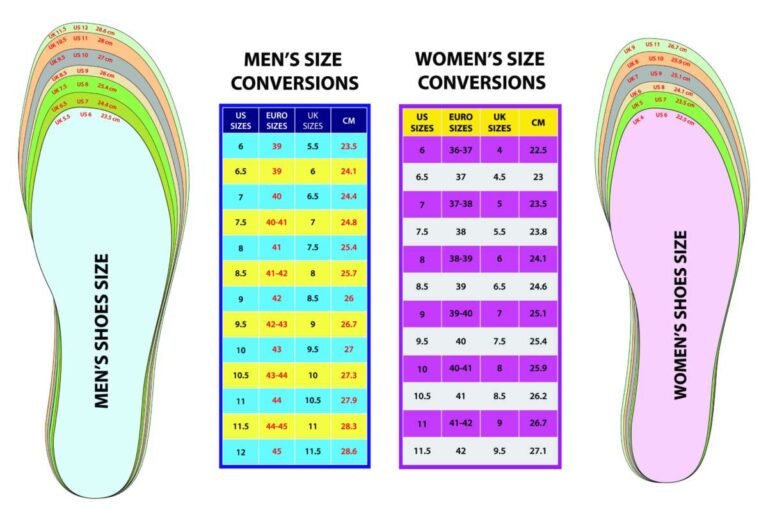
Fit often matters more than brand. The shoe should hold the heel without slipping, leave room for the toes, and avoid pressure across the widest part of the foot.
A useful rule is to leave about one thumb’s width of space between the longest toe and the front of the shoe. Feet can swell during the day, so try shoes in the afternoon or evening.
Width
A narrow shoe can squeeze the toes. A shoe that is too wide can let the foot slide. Both problems can lead to hot spots, blisters, or aching feet.
Men with wide feet should look for shoes sold in wide or extra-wide sizes. New Balance and Brooks are known for offering several width choices in selected models. Always check the exact model, since width options can vary.
Stability
Stability does not mean a shoe must have a hard support bar. A broad sole, firm heel counter, and secure upper can also help the foot feel steady.
If you have a neutral gait, a neutral sneaker may feel more natural. If your foot rolls inward sharply or you have a history of discomfort, a podiatrist or physical therapist can help you choose the right type.
Flexibility
A walking sneaker should bend near the toes. It should not fold in half with little effort. A very flexible shoe may feel pleasant for casual use but may not provide enough control for running or long work shifts.
The Most Comfortable Men’s Sneakers by Use
The right sneaker changes with the task. A soft walking shoe may be poor for lifting. A stable training shoe may feel stiff during a long city walk.
Best for Long Walks: Brooks Ghost Max 2
The Brooks Ghost Max 2 is a strong choice for long walks, travel, and daily use. Its thick cushioning and rocker-shaped sole help the foot move from heel to toe with less effort.
The model is designed as a neutral shoe. Brooks lists it with a broad base and high cushioning. These features can help people who want a soft ride without a strong corrective device.
Best for:
- Long walks
- Travel days
- Daily errands
- People who like a high-cushion feel
Limitations:
- The tall sole may feel less natural to people who prefer close-to-the-ground shoes.
- It may feel too large for office or dress-casual use.
- It is not the best choice for heavy lifting or quick side-to-side movement.
Best Plush Sneaker: ASICS Gel-Nimbus 27
The ASICS Gel-Nimbus 27 is built for a soft, cushioned ride. It has a padded upper and a thick midsole designed for everyday running and walking.
This type of shoe can work well for men who spend long hours on their feet and prefer a gentle landing. It is also a reasonable option for easy runs if the fit works for your foot.
Best for:
- Soft cushioning
- Walking and easy runs
- Men who like a padded feel
- Hard outdoor surfaces
Limitations:
- Plush shoes can feel warm.
- The thick design may feel less nimble.
- People who prefer firm support may find it too soft.
Best for Wide Feet: New Balance Fresh Foam X 1080
The New Balance Fresh Foam X 1080 is one of the more flexible choices for foot shape because selected versions come in multiple widths. The soft foam gives it a smooth feel for walking and easy running.
Width is the key reason to consider this model. A correct width can prevent toe pressure without forcing you to size up in length.
Best for:
- Wide or extra-wide feet
- Daily walking
- Easy running
- People who need a soft, flexible shoe
Limitations:
- The soft foam may not feel stable enough for everyone.
- Width availability differs by color and seller.
- A wide version should not be used as a substitute for proper fitting.
Best Maximum-Cushion Sneaker: HOKA Bondi 9
The HOKA Bondi 9 is designed for people who want a large amount of underfoot cushioning. Its thick midsole and rocker profile can make hard pavement feel less demanding.
It may suit men who walk for work, commute on foot, or spend many hours moving on concrete. Some users also choose it during recovery from general soreness, but a shoe cannot diagnose or treat an injury.
Best for:
- Maximum cushioning
- Long work shifts
- Pavement and concrete
- People who like a rocker sole
Limitations:
- It has a noticeable, high-stack feel.
- It may feel awkward for stairs or uneven ground.
- It is not a good match for men who want strong ground feedback.
Best Casual Walking Sneaker: Skechers GO WALK
Skechers GO WALK shoes are popular for casual walking because they tend to be light, flexible, and easy to put on. They are useful for errands, travel, and short walks.
Their comfort depends heavily on the exact version. Some models have more cushioning and structure than others. Check the product details rather than assuming all GO WALK shoes feel alike.
Best for:
- Casual daily wear
- Short walks
- Travel
- People who want a light shoe
Limitations:
- Some versions may not offer enough support for long work shifts.
- Flexible shoes may feel unstable during sports.
- The upper and sole can wear differently across models.
Best for Gym Training: Nike Pegasus or New Balance 880
A gym sneaker should balance cushioning with stability. The Nike Pegasus and New Balance 880 families are examples of neutral trainers that can work for treadmill use, walking, and light gym sessions.
For strength training, look for a firm, stable base. Very soft running shoes can make squats, lunges, and deadlifts feel less controlled.
Best for:
- Treadmill walking
- General gym sessions
- Short runs
- Mixed daily use
Limitations:
- A neutral running shoe is not ideal for all court sports.
- Maximum-cushion shoes may be too unstable for heavy lifting.
- Serious training may require a sport-specific shoe.
How to Choose the Most Comfortable Sneakers for Your Feet
Use this simple fitting process before you decide.
1. Match the shoe to your main activity
Choose the activity that will use the shoe most often.
- Walking: Look for cushioning, a smooth heel-to-toe transition, and a comfortable upper.
- Running: Choose a running shoe with the right fit and enough room for foot swelling.
- Standing at work: Prioritize cushioning, support, grip, and breathability.
- Gym training: Choose a stable base instead of the softest possible foam.
- Casual wear: Focus on fit, weight, and style, but do not ignore support.
One shoe can do several jobs. It may not do every job equally well.
2. Measure both feet
Feet are rarely identical. Measure both while standing. Use the larger foot when choosing size.
Wear the socks you plan to use with the sneakers. Thick work socks can change the fit. So can orthotics.
3. Check the toe box
Your toes should be able to spread and move. The front should not press down on the big toe or little toe.
Do not solve a short shoe by buying a much larger size. That can cause heel slip. Try a longer size, a wider size, or a different shape.
4. Walk on a firm surface
Walk for several minutes. Turn, climb stairs, and stand still if possible. Look for:
- Heel movement
- Toe pressure
- Arch pressure
- Slipping at the midfoot
- Rubbing at the ankle
- A hard seam or hot spot
A short store walk cannot reveal everything, but it can expose clear fit problems.
5. Test the shoe at home
Many US retailers offer a return window, but the rules differ. Check whether the store accepts worn shoes and how many days you have.
Wear the shoes indoors on a clean floor. Keep the box and tags until you decide. Do not assume a return policy applies to clearance items or third-party sellers.
Comfortable Sneakers for Specific Foot Concerns
Sneakers can improve comfort, but they are not a complete treatment for foot problems.
Flat Feet
People with flat feet may prefer a stable shoe with a broad base. Some may also benefit from an arch support, while others find aggressive arch shapes uncomfortable.
Do not choose a stability shoe only because you have low arches. Foot shape and walking pattern are not the same thing.
High Arches
High-arched feet often feel better in shoes with cushioning and some flexibility. A very firm shoe may increase pressure under the heel or forefoot.
Fit still comes first. A soft shoe that squeezes the toes is not a good match.
Wide Feet or Bunions
Choose a wider toe box or a true wide model. The shoe should not press against the bunion. Stretching a tight sneaker may help only a little and may damage the upper.
A roomy toe box should still hold the heel securely.
Heel Pain
Cushioning may make walking more comfortable, but heel pain has many possible causes. A shoe change alone may not solve it.
If pain is severe, keeps returning, causes limping, or lasts despite rest, seek medical advice. Sudden pain after an injury needs prompt evaluation.
Diabetes or Reduced Foot Sensation
People with diabetes or reduced sensation should pay close attention to fit and check their feet after wearing new shoes. A small blister can become a serious wound if it goes unnoticed.
A health professional can provide personal footwear advice, especially if there is a history of ulcers, nerve damage, or circulation problems.

Are Soft Sneakers Always More Comfortable?
No. Softness is only one part of comfort.
A very soft sneaker may reduce the feel of impact, but it can also feel unstable. A firmer shoe may spread pressure more evenly and help some people feel more secure.
Think of cushioning like a mattress. A very soft mattress is not automatically best for every sleeper. The useful question is whether the shoe supports your foot without creating new pressure.
The best test is your own response after gradual use. Start with short periods. Stop if you develop sharp pain, numbness, skin damage, or a new limp.
How Long Do Comfortable Sneakers Last?
Replace sneakers when their fit, cushioning, or structure no longer works—not only when the upper looks dirty.
Common signs include:
- The sole is worn smooth
- The midsole feels flat or uneven
- The heel leans to one side
- Your feet hurt in shoes that once felt fine
- The upper no longer holds the foot
- The outsole has cracks or separation
Running-shoe mileage can vary widely by body weight, surface, pace, weather, and construction. A mileage number is only a guide. Walking shoes used on concrete may wear differently from running shoes used on soft paths.
Rotate two pairs when possible. This gives the foam time between uses and lets one pair dry fully.

Common Mistakes When Buying Comfortable Men’s Sneakers
Buying by brand name alone
Brands use different lasts, foams, and width systems. A good fit in one model does not guarantee a good fit in another.
Choosing the wrong size to gain width
Sizing up may create heel slip and extra pressure under the arch. Try a wider model first.
Wearing new shoes for a full work shift
Break in new sneakers with short walks. New shoes can reveal rubbing only after several hours.
Ignoring socks
Cotton socks can hold moisture. Very thin socks can change the fit. Choose socks that match the shoe and your activity.
Using running shoes for every sport
Running shoes are made for forward motion. Basketball, tennis, and court sports need different side-to-side support.
Trusting “orthopedic” marketing
The term may appear in product marketing without proving that a shoe is right for your foot. Look at the actual fit, construction, and return policy.

Key Takeaways
- The most comfortable men’s sneakers depend on foot shape and use.
- Brooks Ghost Max 2 and HOKA Bondi 9 suit people who want high cushioning.
- ASICS Gel-Nimbus 27 offers a plush feel for walking and easy running.
- New Balance Fresh Foam X 1080 is a useful option for wide feet because selected versions offer several widths.
- Skechers GO WALK works well for casual walking, but exact models differ.
- Gym shoes should be stable, not simply soft.
- Leave room for the toes, secure the heel, and test shoes indoors.
- Seek professional care for lasting pain, numbness, wounds, or pain after injury.
Frequently Asked Questions
What are the best men’s sneakers for standing all day?
Look for cushioning, a stable base, a secure heel, and good traction. Brooks Ghost Max 2, ASICS Gel-Nimbus 27, HOKA Bondi 9, and selected New Balance walking or running models may work. The best choice depends on your foot width and whether your workplace has smooth or slippery floors.
Are HOKA shoes more comfortable than Nike shoes?
Not for everyone. HOKA often emphasizes thick cushioning and rocker-shaped soles. Nike offers many different designs, from flexible daily trainers to firm training shoes. Compare the exact models, not just the brands.
What men’s sneakers are best for wide feet?
New Balance and Brooks offer wide and extra-wide versions in selected models. Check the exact size chart and model page. A wide shoe should provide toe room while still holding the heel.
Should comfortable sneakers feel tight when they are new?
They should feel secure, not tight. The heel and midfoot should stay in place, while the toes should have room to move. Pressure, numbness, or rubbing is a sign to try another size, width, or model.
Can comfortable sneakers fix foot pain?
Sneakers may reduce pressure or improve walking comfort, but they cannot fix every cause of foot pain. Persistent pain, swelling, numbness, wounds, or pain after an injury should be assessed by a qualified health professional.
Conclusion
The most comfortable men’s sneakers are the ones that fit your feet and match your routine. For a soft daily shoe, start with the Brooks Ghost Max 2, ASICS Gel-Nimbus 27, New Balance Fresh Foam X 1080, or HOKA Bondi 9. For casual walking, consider a suitable Skechers GO WALK model. For the gym, choose stability over maximum softness.
Measure both feet, check the toe room, test the heel hold, and walk before you commit. Comfort should feel natural—not like your foot is being squeezed, lifted, or forced into a shape it does not want.

Michael Smith is the Content Strategist behind The Style Hub, where fashion meets function. With a keen eye for trends and a passion for everyday style, he curates content that helps readers make smarter, more stylish choices—from the perfect pair of sneakers to must-have accessories. Michael specializes in breaking down fashion into practical, wearable insights, making style accessible for everyone. When he’s not researching the latest trends, he’s exploring how comfort, innovation, and timeless design come together in modern fashion.