How Long Do Shoes Last: Signs You Need New Shoes
Most everyday shoes last one to three years, but use, fit, care, and shoe type can change that range.
Knowing how long do shoes last helps you spend wisely, avoid discomfort, and replace footwear before it causes pain or injury. A lightly used dress shoe may look good for years, while a daily running shoe can lose its support in months. This guide explains the signs of wear, average shoe lifespans, care tips, and the safest time to buy a new pair.

How long do shoes last on average?
So, how long do shoes last? Most shoes last between one and three years with normal use. However, that estimate is broad because a work boot, running shoe, and casual sneaker face very different demands.
Daily wear, body weight, walking surface, weather, and shoe quality all affect lifespan. A person who walks five miles each day may wear out shoes much faster than someone who wears the same pair once a week.
Here is a general guide:
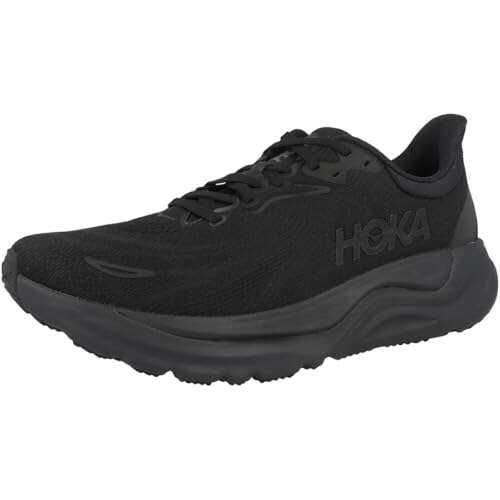
• Running shoes: About 300 to 500 miles, often six to twelve months for regular runners
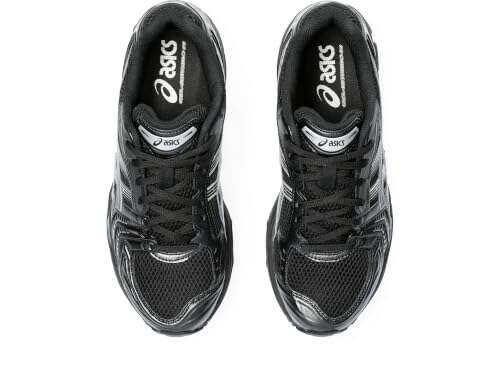
• Walking shoes: About six months to two years, depending on mileage and support
• Casual sneakers: About one to two years with frequent use
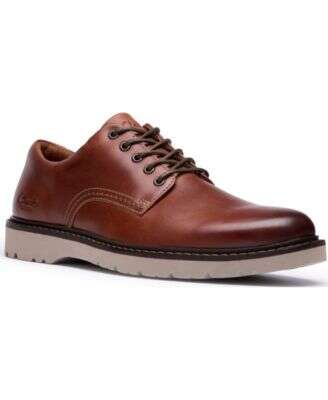
• Leather dress shoes: About two to five years, or longer with proper care
• Work boots: About one to two years in demanding jobs, and several years with light use
• Hiking boots: About one to three years, depending on terrain and maintenance
• Sandals: About one to three summers, depending on the sole and materials
These are estimates, not expiration dates. A shoe may still look clean while its cushioning, stability, or outsole has already weakened.
What affects how long shoes last?
Several factors determine how long do shoes last. The most important factor is not always the brand. It is the amount and type of stress placed on the shoe.
Frequency of use
Shoes worn every day compress faster. Repeated use gives foam less time to recover, especially in running and walking shoes. Rotating two or three pairs can extend the life of each pair.
Activity and surface
Concrete is harder on shoes than grass or indoor flooring. Running, court sports, warehouse work, and hiking create more impact and twisting than casual walking.
A shoe used for its intended purpose usually lasts longer. Running shoes are built for forward motion, while basketball shoes are designed for quick stops and side-to-side movement.
Body weight and gait
A heavier load places more force on the midsole and outsole. Your walking pattern also matters. Overpronation, underpronation, uneven foot pressure, and a worn gait can damage one side of a shoe faster than the other.
This does not mean a person needs to change their natural gait without professional advice. It simply explains why two people can wear out the same shoe at different speeds.
Shoe materials
Leather can last for years when cleaned, conditioned, and stored well. Mesh is light and breathable but may tear sooner. Foam midsoles feel comfortable, yet they gradually lose their bounce even when the upper still looks perfect.
Rubber outsoles often provide strong durability. Thin foam or soft rubber may wear down more quickly on rough pavement.
Weather and storage
Water, heat, salt, and humidity can shorten shoe life. Leaving shoes in a hot car may weaken glue and dry out leather. Storing damp shoes in a closed gym bag can also cause odor, mold, and material breakdown.

How long do running shoes last?
Most running shoes last about 300 to 500 miles. For a person running 20 miles per week, that equals roughly four to six months. Someone who runs only a few miles each week may use the same pair for a year or more.
Mileage is useful, but it is not the only measure. A runner should also watch for:
• Flattened cushioning
• New aches in the feet, knees, hips, or lower back
• Uneven outsole wear
• A midsole that feels hard or lumpy
• Creases that stay deeply compressed
• A loose heel counter
• Tears in the upper or exposed foam
A 2020 review of running footwear research found that shoe durability varies widely by model, runner, surface, and use. This is why the 300 to 500-mile rule should serve as a reminder to inspect your shoes, not as a strict deadline.
Track your mileage with a phone app, running watch, or simple note. If you cannot track miles, write down the purchase date and check the shoes every month.
How long do walking shoes last?
Walking shoes usually last six months to two years. The range depends on daily steps, body weight, surface, and shoe construction.
A person walking 10,000 steps per day may need new shoes sooner than someone who walks casually on weekends. A shoe that feels fine for short errands may fail during long walks because the support has weakened.
Check the sole from the back and bottom. If one side is much lower than the other, the shoe may no longer guide your foot evenly. Also look at the flex point. If the shoe bends in the middle instead of near the ball of the foot, its structure may be breaking down.
Comfort matters, but comfort alone is not enough. Some worn shoes feel soft because the foam has collapsed. That softness can hide a loss of support.
How long do work boots last?
Work boots can last one to three years, but harsh job sites may reduce that time to six months or less. Construction, landscaping, factory work, and outdoor labor expose boots to water, dirt, chemicals, sharp objects, and heavy pressure.
Replace work boots when:
• The outsole is smooth or badly cracked
• The heel is tilted or worn down
• The toe protection is damaged
• The sole separates from the upper
• Water enters through worn seams
• The boot no longer supports your ankle
• The inside lining creates friction or blisters
Safety boots have an extra concern: visible damage can reduce protection. If a steel or composite toe cap is crushed, exposed, or affected by a heavy impact, ask your workplace safety manager or the manufacturer whether replacement is needed.
Clean mud from boots after work. Let them dry at room temperature, and use boot trees or paper to help hold their shape. Do not place leather boots directly beside a heater.

How long do leather shoes last?
Quality leather shoes may last two to five years, and some can last much longer. Their lifespan depends on leather quality, construction, weather exposure, and whether the shoes can be repaired.
Goodyear welted and some Blake-stitched shoes are often easier to resole than many glued shoes. A replaceable sole can give a well-made upper a much longer life.
To help leather shoes last:
• Brush away dirt after use
• Condition the leather when it looks dry
• Use shoe trees to reduce deep creases
• Avoid wearing the same pair on wet days
• Allow at least a day for the shoes to dry between uses
• Repair loose heels or worn soles early