What Are Non Marking Shoes: Indoor Footwear Guide
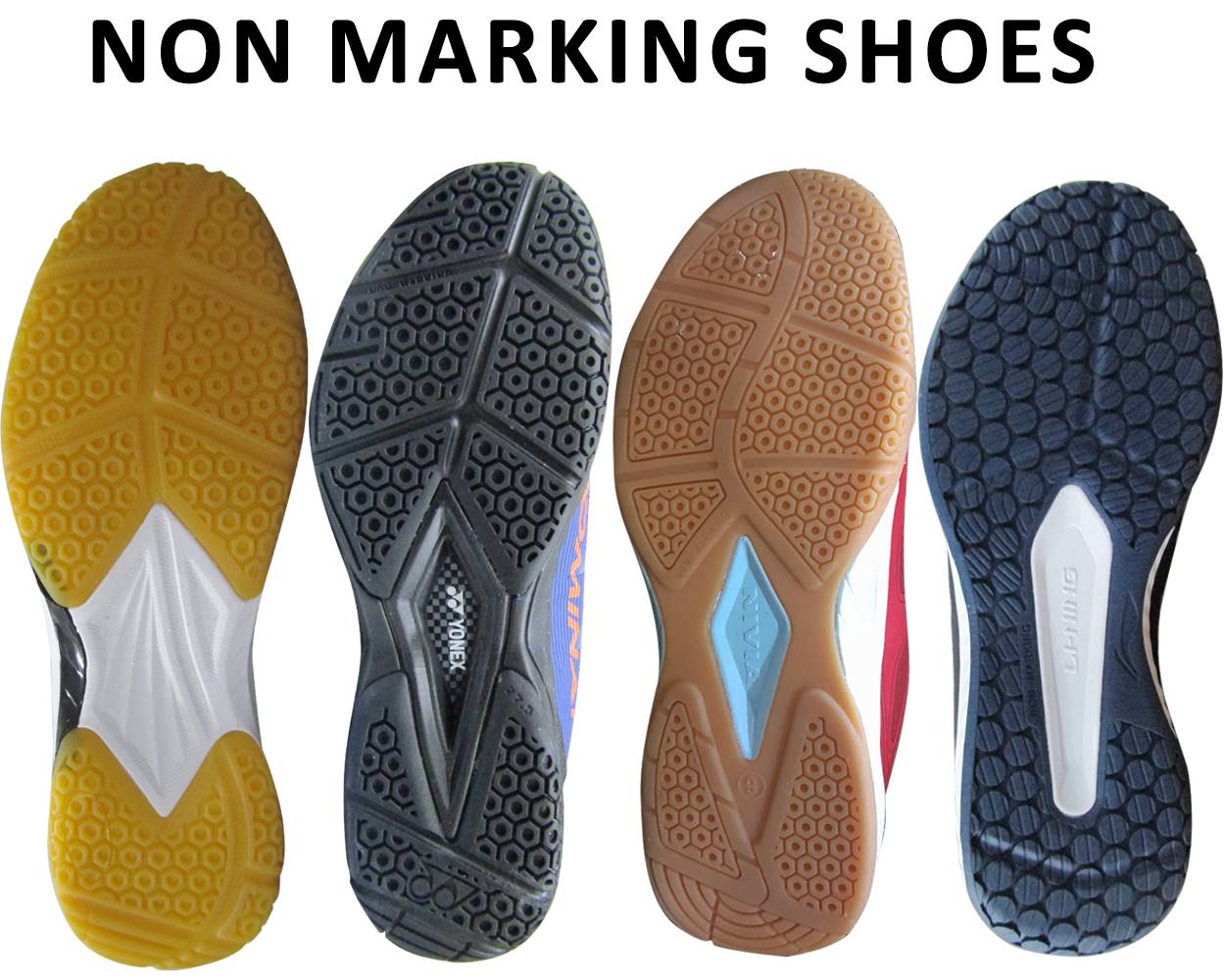
Non marking shoes have outsoles designed to leave little or no visible scuff marks on clean indoor floors.
If you have ever seen black streaks across a gym floor, school hallway, or polished court, you already know why this matters. Non marking shoes use special rubber or synthetic outsole materials that reduce floor marks during walking, running, stopping, and turning. In this guide, you will learn what non marking shoes are, how they work, where to use them, how to test them, and how to choose a safe pair.
What Are Non Marking Shoes?
Non marking shoes are footwear made with outsoles that should not leave dark streaks or scuff marks on indoor floors. They are common in gyms, sports halls, basketball courts, volleyball courts, schools, hospitals, and some workplaces.
The term usually refers to the outsole, not the entire shoe. A shoe may have a colorful upper, a black sole, or a white sole and still be non marking. The key factor is how the bottom material reacts to the floor under pressure and movement.
A non marking shoe is not always completely mark-proof. Dust, dirt, worn rubber, or a rough floor can still create a light mark. “Non marking” means the shoe is designed to reduce visible marks during normal use.
How Do Non Marking Shoes Work?
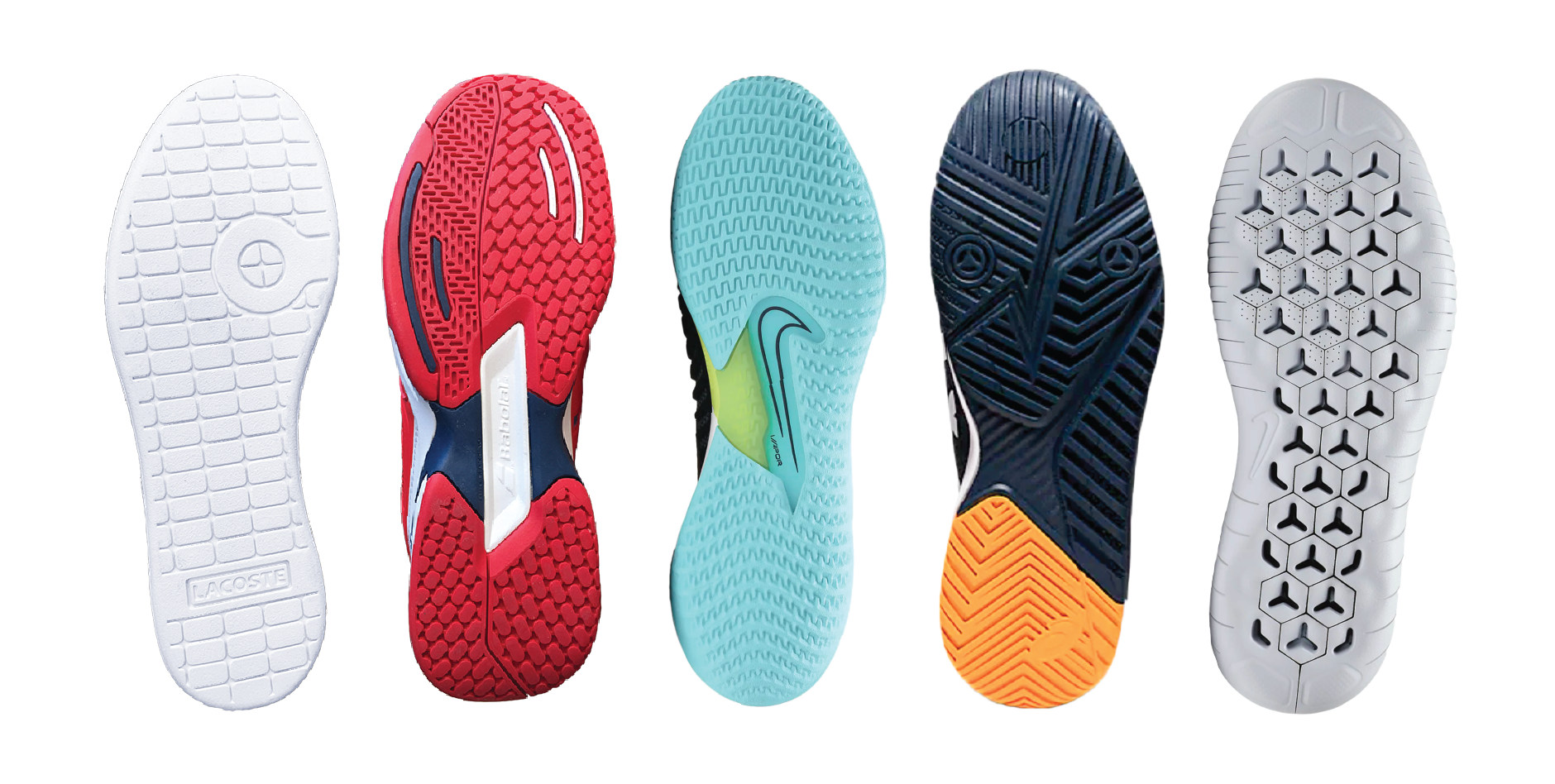
The outsole is the part of the shoe that touches the ground. Manufacturers choose materials and rubber blends that offer grip without rubbing large amounts of dark material onto indoor surfaces.
Many non marking shoes use:
• Light-colored rubber compounds
• Special synthetic rubber blends
• EVA foam with rubber sections
• Indoor court rubber made for controlled traction
• Outsole patterns that spread pressure more evenly
A black outsole can be non marking, while a white outsole can still leave marks. Color can offer a useful clue, but it is not proof. The material formula and the shoe’s intended use matter more than its appearance.
When you slide a shoe across a floor, friction creates heat and movement. A soft or poorly blended outsole may shed material and leave a streak. A properly designed outsole resists this transfer while still helping your foot grip the surface.
Why Do Indoor Floors Need Non Marking Shoes?
Indoor floors often have smooth finishes that show scuffs easily. Sports courts may use wood, polyurethane, vinyl, rubber, or synthetic flooring. Dark marks can make these surfaces look dirty and may require extra cleaning.
Non marking shoes help protect floors in several ways:
• They reduce dark rubber streaks.
• They help keep court lines and floor finishes clear.
• They lower the need for frequent spot cleaning.
• They support proper footwear rules in gyms and schools.
• They can help maintain a clean, professional appearance.
Some facilities require non marking shoes because regular outdoor footwear can carry sand, oil, mud, and small stones inside. These materials may scratch the floor or reduce traction. A clean indoor shoe protects both the user and the surface.

Non Marking Shoes vs. Regular Shoes
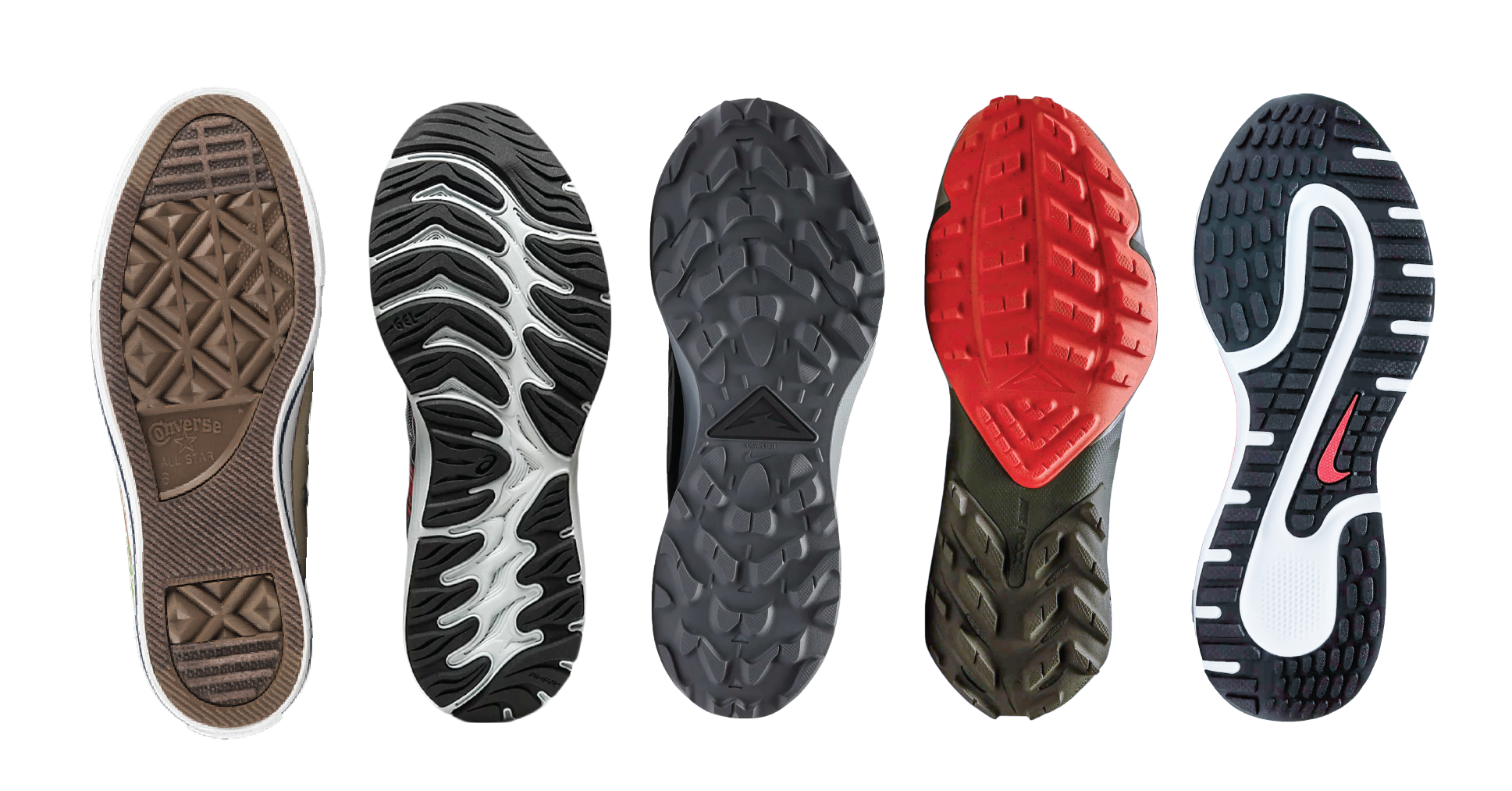
The main difference is the outsole design. Regular shoes may be made for sidewalks, trails, or roads. Their soles often have deeper patterns and harder compounds that work well outdoors but may damage or mark indoor floors.
Non marking shoes are usually built for controlled indoor movement. They often have flatter tread, flexible rubber, and a sole pattern made for smooth surfaces.
Here is a simple comparison:
| Feature | Non marking shoes | Regular outdoor shoes |
|---|---|---|
| Main use | Indoor courts and clean floors | Roads, trails, and outdoor paths |
| Outsole | Designed to reduce scuff transfer | Built for outdoor grip and wear |
| Tread | Often flatter and more flexible | Often deeper and more rugged |
| Floor effect | Less likely to leave marks | More likely to mark or scratch floors |
| Cleaning needs | Usually easier to keep court-ready | May carry dirt and debris indoors |
A running shoe may be non marking if the maker designs it for indoor training. However, many outdoor running shoes are not suitable for a polished court. Always check the product label or the manufacturer’s description.
Where Should You Wear Non Marking Shoes?
Non marking shoes are useful anywhere a clean indoor floor and controlled traction matter. The best choice depends on the activity, surface, and movement style.
Common locations include:
• Basketball courts
• Volleyball courts
• Badminton halls
• Squash and racquetball courts
• Indoor soccer fields
• School gyms
• Dance studios
• Fitness centers
• Bowling centers
• Hospital and workplace areas with footwear rules
Court shoes are often the safest option for sports. They provide side-to-side support, heel cushioning, and traction that matches quick movement. A general sneaker may not give your foot enough stability during sharp turns.
Do not assume that non marking shoes are suitable for every indoor sport. A volleyball shoe, basketball shoe, and badminton shoe may each use a non marking outsole, but their support and grip can differ.
Are Non Marking Shoes Good for Sports?
Yes, non marking shoes can be excellent for indoor sports when they fit the activity. Their outsole helps reduce floor marks while supporting traction during starts, stops, jumps, and turns.
A good indoor sports shoe should also provide:
• Secure heel hold
• Enough toe room
• Stable side support
• Cushioning suited to your activity
• A flexible forefoot
• A clean outsole with no stones or dirt
Grip is important, but maximum grip is not always better. If a shoe sticks too hard to the floor, it may make turning feel awkward and place extra stress on the ankle or knee. The best outsole balances grip with smooth movement.
From testing indoor shoes, one lesson stands out: a shoe can feel comfortable during a short walk but unstable during a full game. Try several side steps, stops, and light jumps before deciding. Comfort is useful, but movement control matters more.
Benefits of Non Marking Shoes
The main advantage of non marking shoes is simple: they help keep indoor floors clean. They also offer several practical benefits for users and facility managers.
They protect indoor floors
Non marking shoes reduce dark streaks caused by outsole friction. This is especially helpful on light wood, vinyl, and polished gym floors.
They improve court readiness
A clean outsole gives you more reliable contact with the floor. Dirt and loose debris can reduce traction, even when the shoe itself has a good rubber compound.
They follow facility rules
Many gyms and schools ask users to bring separate indoor shoes. Wearing non marking shoes shows respect for the facility and helps you avoid being turned away.
They support sports movement
Indoor court shoes often combine non marking rubber with support for lateral movement. This can make them more suitable for court sports than casual sneakers.
They reduce cleaning work
Fewer scuff marks can mean less time spent removing streaks. This benefit is important in busy schools, clubs, and fitness centers.