What Is Composite Toe Shoes: Benefits And Buying Guide
Composite toe shoes use nonmetal safety caps made from materials such as carbon fiber, fiberglass, or plastic to protect your toes.
If you work around falling objects, heavy tools, sharp debris, or electrical hazards, knowing what is composite toe shoes can help you choose safer work footwear. This guide explains how composite toe protection works, where it fits best, its limits, and how to select a pair that meets real workplace needs.
What Are Composite Toe Shoes?
Composite toe shoes are safety shoes or boots with a protective toe cap made from nonmetal materials. Common materials include fiberglass, carbon fiber, Kevlar, and strong plastic blends. The cap sits inside the front of the shoe and helps protect your toes from impact and compression.
When people ask, “what is composite toe shoes,” they often mean how these shoes differ from steel toe footwear. The main difference is the toe cap material. Steel uses metal, while composite protection uses materials that do not conduct electricity in the same way.
A composite toe cap is not simply a thick layer of foam. It is a tested safety component. Approved footwear must meet performance requirements for impact, compression, labeling, and other features under the applicable safety standard.
In the United States, many safety shoes follow ASTM F2413. This standard covers protective footwear and includes tests for toe impact and compression. Some shoes may also carry markings for electrical hazard protection, puncture resistance, or metatarsal protection.
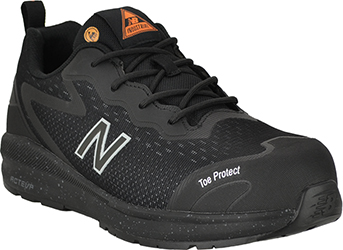
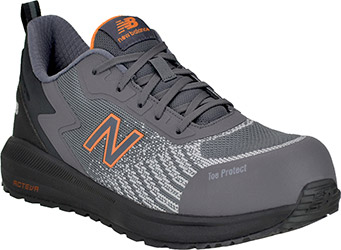
The shoe itself may look like a normal sneaker, hiking shoe, or work boot. The safety cap is built into the toe box, so you usually cannot see it from the outside.

How Do Composite Toe Shoes Work?
A composite toe cap spreads force across a wider area when an object hits the front of the shoe. This helps reduce the chance that the object will press directly onto one toe. Think of the cap like a small shield built into the shoe.
The cap must keep enough space around the toes after impact or compression. This matters because protection is not only about stopping a heavy object. It is also about preserving room for your foot inside the shoe.
The safety cap works with other parts of the footwear:
• The upper covers and holds the foot in place.
• The midsole adds cushioning and support.
• The outsole helps provide traction.
• The insole improves comfort and fit.
• The toe cap protects the toes from specific workplace hazards.
This last point is important. A composite toe is not a complete safety system. It does not automatically protect against every danger, such as sharp nails, chemicals, molten metal, or ankle injuries.
What is composite toe shoes in practical terms? They are protective work shoes designed to meet a safety need while often feeling lighter and less conductive than metal toe shoes.
What Materials Are Used in Composite Toe Caps?
Manufacturers use several nonmetal materials to make composite toe caps. Each material has different strengths, costs, and comfort features.
Fiberglass
Fiberglass is common because it offers strong protection at a reasonable weight. It does not conduct heat or cold as quickly as steel. This can make it more comfortable in very cold or hot work areas.
Carbon Fiber
Carbon fiber is light and strong. It can provide a slim toe cap with a roomy fit. However, carbon fiber footwear may cost more than shoes with basic fiberglass protection.
Kevlar
Kevlar is known for its strength and resistance to cuts. In footwear, it may appear in toe caps or puncture resistant plates. The exact protection depends on the shoe design and its test markings.
Plastic Composites
Some shoes use engineered plastic blends. These materials can be light and flexible compared with steel. Their performance depends on the design, thickness, and quality of the finished shoe.
The material alone does not prove that a shoe is safe. Look for the correct safety label and standard marking. A thick-looking toe area may offer no certified protection if the shoe was not tested for workplace use.

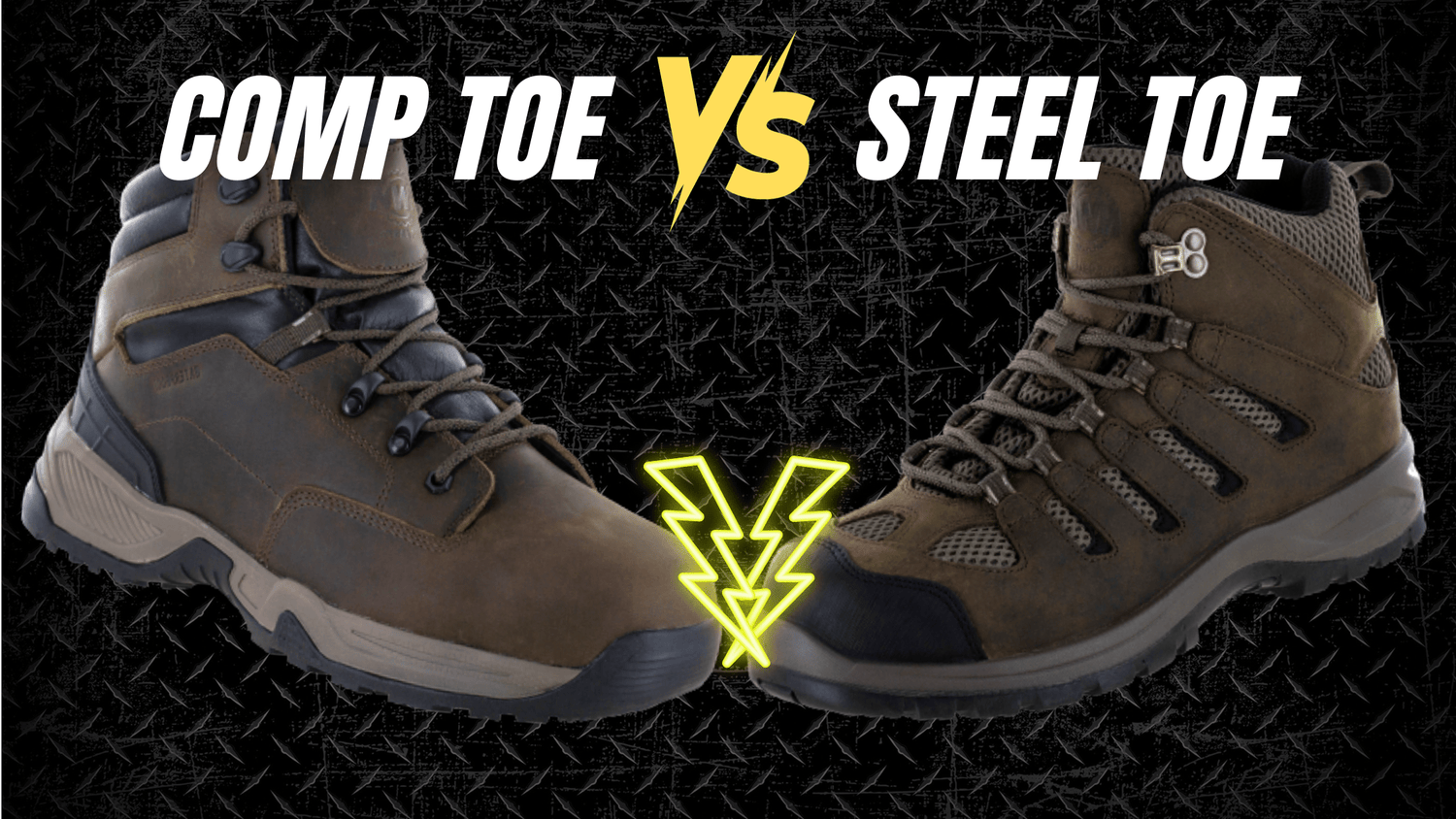
Composite Toe vs. Steel Toe
The best answer to what is composite toe shoes often includes a comparison with steel toe footwear. Both types can protect against impact and compression when they meet the required safety standard. Their differences are mainly related to weight, temperature, electrical conductivity, and fit.
| Feature | Composite toe | Steel toe |
|---|---|---|
| Material | Fiberglass, carbon fiber, plastic, or similar materials | Steel |
| Weight | Often lighter | Often heavier |
| Heat and cold transfer | Usually lower | Usually higher |
| Metal detection | Usually does not trigger metal detectors | May trigger metal detectors |
| Electrical conductivity | Nonmetal, but not automatically electrical hazard rated | Conductive metal may create added concerns |
| Toe space | Often offers a wider design | May feel narrower in some shoes |
| Cost | Can range from moderate to high | Often available across many price ranges |
Composite shoes are popular with airport workers, electricians, warehouse staff, delivery drivers, and people who move between indoor and outdoor areas. Steel toe shoes remain popular in construction, manufacturing, and other settings where workers prefer proven metal protection.
Neither option is always better. The right choice depends on your job hazards, employer rules, climate, walking demands, and foot shape.

Benefits of Composite Toe Shoes
Composite toe footwear offers several useful benefits. These benefits explain why many workers choose it for long shifts.
Lower Weight
A lighter shoe may reduce leg fatigue during a long shift. This can matter for warehouse workers, delivery drivers, and people who walk across large job sites.
The weight difference is not always dramatic. Some composite shoes have thick rubber soles, waterproof layers, and extra support. Always compare the full shoe weight, not just the toe cap.
Better Comfort in Cold Weather
Metal transfers cold faster than many nonmetal materials. Composite toe shoes may feel less cold during winter work. They can still become cold, but the toe cap itself usually does not pull heat from the foot as quickly as steel.
Less Conductive Material
Composite materials do not conduct electricity like steel. This is useful in some work settings. Still, a shoe is not electrically safe simply because it has a composite toe.
Look for a specific electrical hazard rating. Follow your employer’s safety policy and the manufacturer’s instructions.
Metal Detector Friendly
Composite toe caps generally do not set off standard metal detectors. This can help workers in airports, secure facilities, courthouses, and some industrial plants.
Other parts of the shoe may contain metal. Eyelets, shanks, nails, or decorative pieces can still trigger a detector.
Comfortable Fit Options
Many modern composite toe shoes use athletic designs. They may offer flexible uppers, cushioned midsoles, and wider toe boxes. This can make them easier to wear than stiff traditional work boots.
Comfort still depends on the shape of your foot. A safe shoe that causes blisters will not serve you well during a full shift.

Limitations of Composite Toe Shoes
Composite toe footwear has limits. Understanding them helps prevent unsafe assumptions.
It May Be Bulkier
Composite material is not always thinner than steel. Some designs need a larger cap to meet impact and compression requirements. This may create a taller or wider toe box.
It Can Cost More
Lightweight materials and modern shoe construction can raise the price. A low-cost pair may still be safe, but price alone does not show quality.
It Does Not Protect the Whole Foot
A composite toe cap mainly protects the front of the foot. It does not automatically protect against:
• Punctures from nails or sharp metal
• Slips on oil or wet floors
• Chemical spills
• Heat from molten materials
• Crushing forces above the toe
• Cuts to the sides of the foot
• Ankle twists
Choose added features based on your actual hazards. For example, a puncture resistant plate may be needed on a construction site, while slip resistance may matter more in a restaurant or food plant.
It Does Not Last Forever
A safety toe can weaken after severe impact, crushing, or heat exposure. If a heavy object strikes your shoe, inspect it and ask your safety manager whether it should be replaced.
The outside may look fine while the internal toe cap has damage. Do not keep wearing badly damaged protective footwear because it feels usable.

Are Composite Toe Shoes OSHA Approved?
People often ask what is composite toe shoes in relation to OSHA requirements. OSHA does not approve one specific brand or material for every job. Instead, employers must assess hazards and provide appropriate personal protective equipment when required.
Protective footwear should meet the applicable performance standard for the work. In the United States, ASTM F2413 is widely used for protective toe footwear. Check the label inside the shoe or the product information for the relevant marking.
Important markings may include:
• I for impact resistance
• C for compression resistance
• EH for electrical hazard protection
• PR for puncture resistance
• Mt for metatarsal protection
Markings can vary by product and standard edition. Read the manufacturer’s information instead of guessing from the shoe’s appearance.
Your employer may also require a specific type of sole, toe protection, or additional safety feature. Workplace rules can be stricter than a general shoe description.
Who Should Wear Composite Toe Shoes?
Composite toe shoes may suit many workers who face foot injury risks. They are common in jobs that require both protection and frequent walking.
Typical users include:
• Construction workers
• Warehouse and fulfillment staff
• Electricians
• HVAC technicians
• Landscapers
• Delivery drivers
• Mechanics
• Factory workers
• Airport and transportation workers
• Utility workers
They may be less suitable for jobs with extreme heat, molten metal, heavy chemical exposure, or unusual crushing risks unless the footwear has the proper specialty rating.
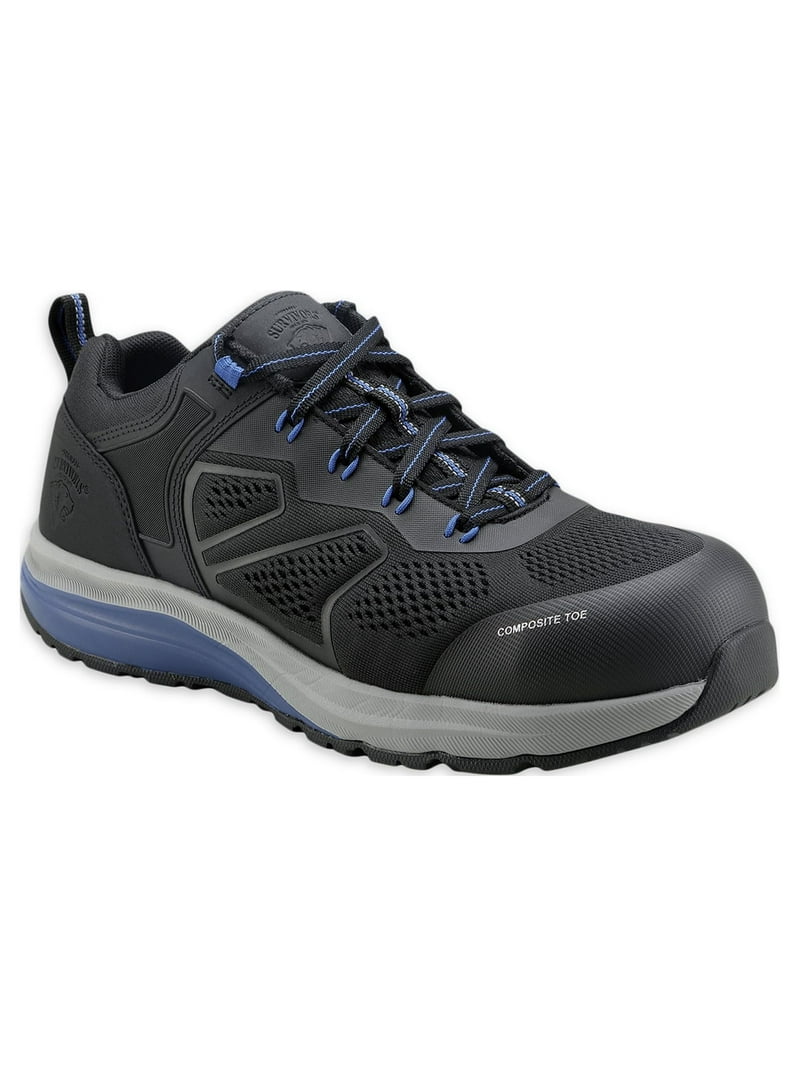
For example, a delivery driver may value a lightweight composite toe sneaker for stairs and long walks. A foundry worker may need a specialized boot designed for heat and molten material. The safest choice always begins with the hazard, not the fashion or material.
How to Choose the Right Composite Toe Shoes
A simple buying process can help you avoid common mistakes.
1. Identify the Main Hazards
Ask what could hurt your feet. Consider falling objects, rolling equipment, nails, slippery floors, electricity, chemicals, water, and extreme temperatures.
Write down the top two or three risks. This keeps you from buying a shoe with features you do not need while missing an important one.
2. Check the Safety Markings
Look for the required ASTM or other applicable standard marking. Confirm whether the shoe has impact, compression, electrical hazard, puncture, or slip resistance features.
Do not rely on phrases such as “work shoe” or “tactical shoe.” Those labels do not always mean the product has a certified safety toe.
3. Try the Shoes at the Right Time
Feet often swell during the day. Try work shoes in the afternoon or evening while wearing the socks you use on the job.
You should be able to move your toes without touching the cap. Your heel should stay in place, and your arch should feel supported.
4. Walk on a Safe Surface
Walk, bend, climb a few steps, and squat if possible. Check for pressure at the toe, heel slipping, and rubbing around the ankle.
A shoe that feels fine for two minutes may cause pain after eight hours. Take your time before removing tags or wearing the shoes outdoors.
5. Match the Sole to the Floor
Look for slip resistance if you work on wet, oily, or polished surfaces. Deep lugs may help outdoors but can feel awkward on smooth indoor floors.
Waterproofing can help in rain, but it may reduce breathability. Choose the balance that fits your work area.
Common Mistakes to Avoid
Many foot injuries happen because workers misunderstand what protective footwear can do.
One common mistake is choosing a shoe because it has a composite toe without checking the rating. A nonmetal cap is not automatically certified for impact or compression.
Another mistake is buying the wrong size. If the toe cap presses against your toes, the shoe is too short, too narrow, or the wrong shape. Do not expect the shoe to stretch enough to solve strong pressure.
Some workers also remove insoles or wear very thin socks to create room. This can reduce comfort and support. Choose a wider or deeper model instead.
A further mistake is wearing damaged shoes. Replace footwear when the sole is badly worn, the upper is torn, the toe area is crushed, or the shoe no longer stays securely on your foot.
A practical lesson from safety footwear fitting is simple: comfort is part of compliance. When shoes hurt, workers may loosen them, stop wearing them, or ignore warning signs. The best pair protects your feet and makes it realistic to wear the shoes for the full shift.
How to Care for Composite Toe Footwear
Good care can extend the useful life of your shoes.
• Clean dirt and chemicals from the upper after work.
• Let wet shoes dry at room temperature.
• Do not place them directly against a heater.
• Use the cleaner recommended for the shoe material.
• Check the outsole for worn or missing tread.
• Inspect seams, laces, eyelets, and the toe area often.
• Replace the shoes after serious impact or visible damage.
Do not cut, drill, or alter the toe area. Modifications may affect the shoe’s protection and could void the manufacturer’s rating.
Rotate between two pairs if your budget allows. This gives each pair more time to dry and can reduce odor and material breakdown.
What Is Composite Toe Shoes: Key Facts to Remember
The phrase what is composite toe shoes refers to nonmetal safety footwear with a protective toe cap. These shoes can use fiberglass, carbon fiber, Kevlar, or engineered plastic.
The most important facts are:
• Composite does not mean unbreakable.
• Composite does not automatically mean electrical hazard rated.
• Safety markings matter more than appearance.
• The toe cap protects the front of the foot, not every part of the body.
• Fit, traction, and job-specific features are just as important as toe material.
• Replace shoes that suffer major damage or lose their protective condition.
Once you understand these points, you can compare work shoes with more confidence. You are choosing a safety tool, not just a comfortable pair of sneakers.
Frequently Asked Questions About What Is Composite Toe Shoes
Are composite toe shoes as safe as steel toe shoes?
Yes, composite toe shoes can provide comparable impact and compression protection when they meet the same applicable safety standard. The material does not decide safety by itself; testing, design, and proper use matter.
Are composite toe shoes good for electricians?
They may be useful because the toe cap is nonmetal. However, the footwear must have the proper electrical hazard rating, and workers should follow all electrical safety rules.
Do composite toe shoes set off metal detectors?
Most composite toe caps do not set off metal detectors. Other shoe parts, such as metal eyelets or shanks, may still trigger them.
Are composite toe shoes lighter than steel toe shoes?
They are often lighter, but not every pair is. Soles, waterproof layers, insulation, and other features can make a composite toe shoe heavy.
Can composite toe shoes stop a nail from entering the foot?
Not necessarily. Toe protection and puncture protection are different features. Look for a puncture resistant marking if your work involves nails, screws, or sharp debris underfoot.
Are composite toe shoes comfortable for all-day wear?
They can be comfortable when the size, width, cushioning, and support match your feet. Try them with work socks and walk in them before wearing them for a full shift.
Conclusion
Composite toe shoes use nonmetal materials to protect the toes from workplace impact and compression. They can offer lower weight, less heat and cold transfer, and a metal detector friendly design, but they are not automatically right for every hazard.
Check the safety markings, match the shoe to your work environment, and prioritize a secure, comfortable fit. Take time to inspect and replace damaged footwear so your protection remains reliable.
Use this guide to compare your options, review your employer’s footwear rules, and make a safer buying decision. Share your experience with composite toe shoes or explore more workplace safety resources before your next purchase.

Michael Smith is the Content Strategist behind The Style Hub, where fashion meets function. With a keen eye for trends and a passion for everyday style, he curates content that helps readers make smarter, more stylish choices—from the perfect pair of sneakers to must-have accessories. Michael specializes in breaking down fashion into practical, wearable insights, making style accessible for everyone. When he’s not researching the latest trends, he’s exploring how comfort, innovation, and timeless design come together in modern fashion.