What Is Cross Training Shoe: Benefits, Uses & Buying Tips
A cross training shoe is a versatile athletic shoe built for workouts that mix strength, cardio, jumping, and quick movement.
If you switch between lifting weights, running short distances, doing classes, and training on machines, a cross training shoe can be a smart choice. It offers a balance of grip, support, stability, and flexibility, but it is not designed to replace every specialized shoe. This guide explains how cross training shoes work, where they perform best, and how to choose the right pair with confidence.
What Is a Cross Training Shoe?
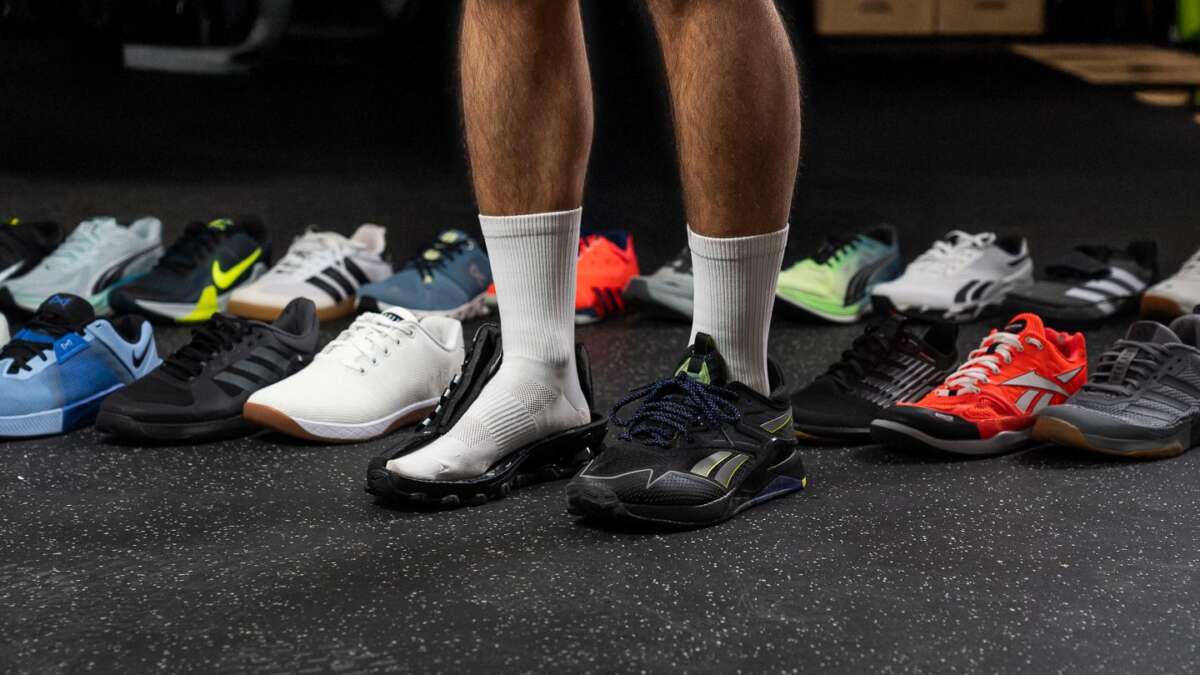
A cross training shoe is an athletic shoe made for many types of exercise. It supports movements in several directions, not just the repeated forward motion of running. This makes it useful for gym workouts, circuit training, aerobics, strength training, and recreational sports.
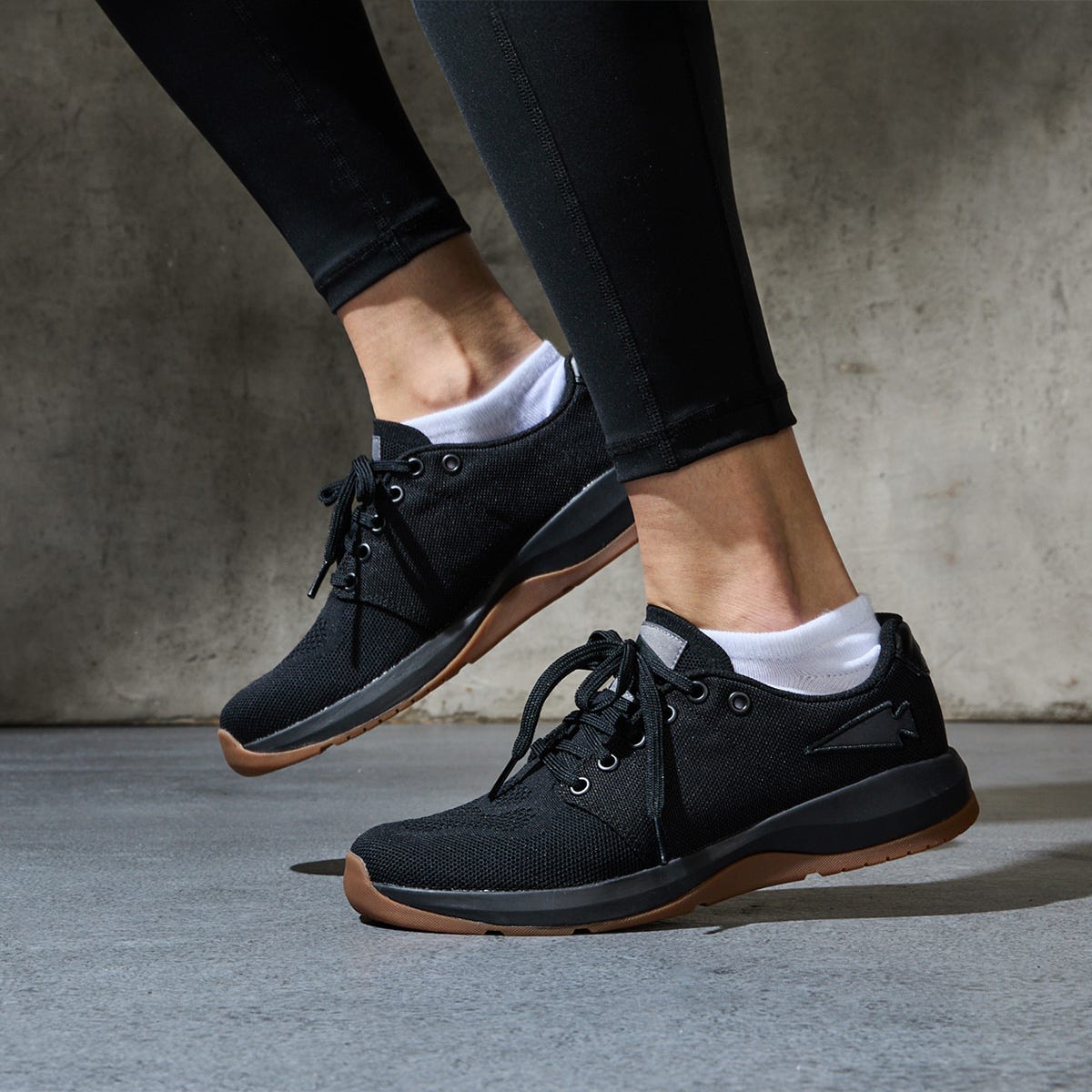
Unlike a running shoe, a cross training shoe usually has a wider and more stable base. It may also have firmer foam, stronger side support, and a flatter sole. These features help your feet stay steady when you lift, jump, squat, or move from side to side.
Think of a cross training shoe as a reliable all-purpose tool. A running shoe is like a road bike made for speed, while a cross training shoe is more like a hybrid bike built for different surfaces.
How Does a Cross Training Shoe Work?
A cross training shoe uses several design features to handle varied workouts. Each part of the shoe has a specific job.
Stable midsole
The midsole sits between your foot and the outsole. In a cross training shoe, this layer is often firmer and less tall than the midsole in a running shoe.
A firm midsole helps you feel connected to the floor during squats and deadlifts. It can also reduce the feeling of wobbling during lateral movements. However, it may feel less soft during long runs.
Wide base
Many cross training shoes have a broad platform under the heel and forefoot. This design gives your foot more contact with the ground.
A wider base can improve balance during:
- Weightlifting
- Lunges
- Box jumps
- Side shuffles
- Kettlebell workouts
- Bodyweight exercises
The ideal width still depends on your foot shape. A wide base should support your foot without squeezing your toes.
Flexible forefoot
The front of a cross training shoe often bends more easily than the heel. This helps with activities such as jump rope, burpees, climbing, and sprint drills.
Flexibility matters, but too much softness can reduce stability. A good cross training shoe balances movement with control.
Strong upper
The upper is the material that wraps around your foot. Cross training shoes often use mesh, synthetic overlays, or reinforced panels.
These materials help hold your foot in place during quick changes of direction. They can also improve breathability and durability.
Grippy outsole
The outsole is the part that touches the floor. A cross training shoe often uses rubber with a tread pattern that grips indoor gym floors, rubber mats, and smooth outdoor surfaces.
Good grip helps reduce unwanted sliding. Still, no shoe can prevent every slip, especially on wet or oily ground.
Cross Training Shoes vs. Running Shoes
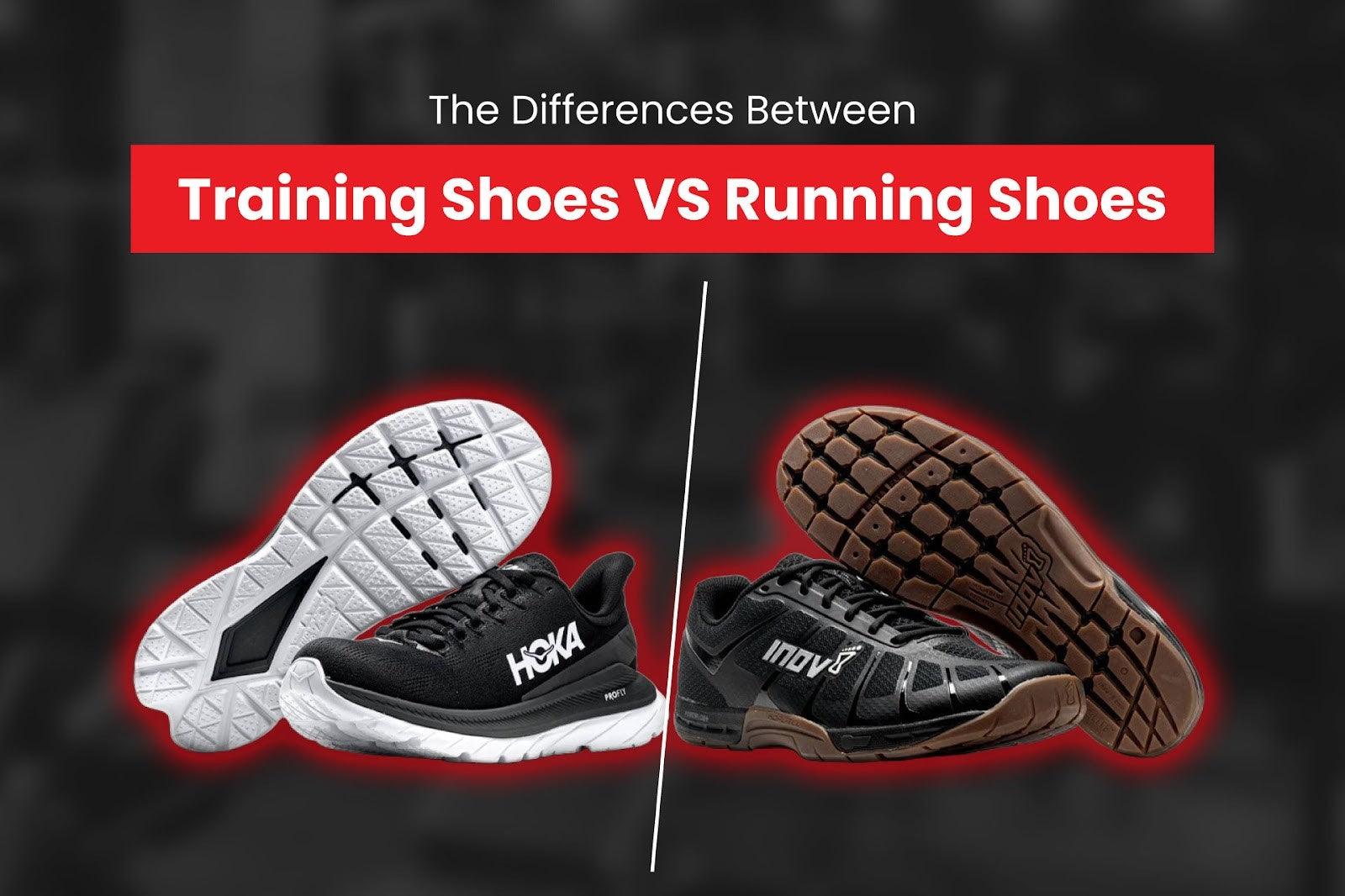
The main difference between a cross training shoe and a running shoe is the type of movement each one supports.
Running shoes are built for repeated forward steps. They often have thick cushioning, a curved shape, and a higher heel-to-toe drop. These features can make running feel smoother and more comfortable over longer distances.
A cross training shoe is built for variety. It must support forward movement, side movement, sudden stops, and pressure from lifting.
| Feature | Cross training shoe | Running shoe |
|---|---|---|
| Main use | Mixed gym and fitness workouts | Walking or running |
| Stability | Usually firm and broad | Often softer and more flexible |
| Side support | Stronger | Limited |
| Cushioning | Moderate | Often higher |
| Weightlifting | Better suited | Often less stable |
| Long-distance running | Limited | Better suited |
You can run short distances in a cross training shoe. For example, it may work well for treadmill intervals or a 400-meter run during a circuit class. But if you run several miles often, a proper running shoe is usually the better option.
Sports medicine experts commonly recommend matching footwear to the activity. That advice matters because repetitive impact, poor fit, and weak support can increase discomfort and injury risk.
What Are the Benefits of a Cross Training Shoe?
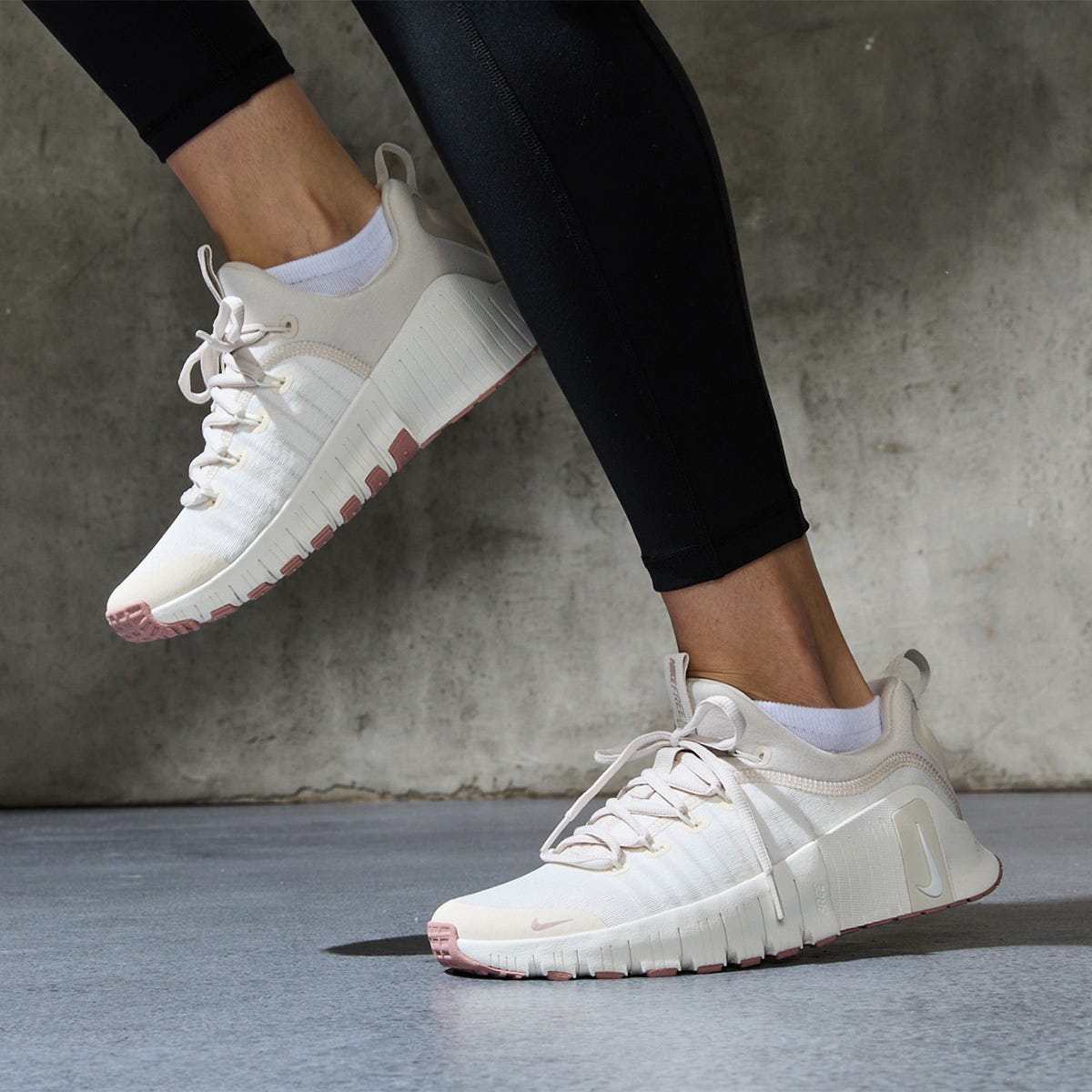
A cross training shoe can be useful if your exercise routine includes several activities. Its main benefits come from its balance of support and flexibility.
It supports many workouts
You can wear a cross training shoe for:
- Gym strength sessions
- High-intensity interval training
- Indoor cycling classes
- Fitness classes
- Short treadmill runs
- Jump rope
- Functional training
- Light court activity
This versatility can save money and space. You may not need a different pair for every workout.
It improves lateral stability
Many exercises require movement from side to side. Tennis drills, lateral lunges, dance workouts, and some boot camp exercises all place force across the foot.
A cross training shoe often includes sidewalls and a secure upper. These features help your foot stay centered inside the shoe.
It feels stable during lifting
A soft running shoe can compress under heavy weight. That compression may make your stance feel less secure.
A cross training shoe usually has a firmer platform. It is not the same as a specialized weightlifting shoe, but it can work well for moderate strength training.
It handles quick transitions
Many workouts change pace without warning. You may move from a squat to a sprint, then from a push-up to a jump.
A cross training shoe is designed for these transitions. It gives you enough flexibility to move while maintaining more control than a typical running shoe.
It can offer better durability
Gym workouts can place stress on the sides, toe box, and outsole. A cross training shoe often uses reinforced materials in these areas.
Durability depends on the model, your body weight, training surface, and workout style. Inspect the sole and upper often rather than relying only on a shoe’s age.
What Are the Limitations of a Cross Training Shoe?
A cross training shoe is versatile, but it is not perfect for every activity. Understanding its limits can help you avoid discomfort and wasted money.
It may not suit long-distance running
The cushioning and shape of a cross training shoe may not provide enough comfort for long runs. Some people also find the shoe too firm for repeated road impact.
If running is your main activity, choose a shoe made for your distance, pace, foot shape, and running surface.
It may not replace lifting shoes
Olympic lifting shoes often have a raised heel and a very firm sole. These features can help some lifters reach a better squat position.
A cross training shoe can work for general strength workouts. It may not provide the same support for serious barbell lifting or technical Olympic movements.
It may not provide sport-specific protection
Basketball, soccer, and tennis involve unique demands. Court shoes may offer different traction, cushioning, and ankle support.
Use a sport-specific shoe when you train or compete regularly in one sport. A general cross training shoe is best for mixed and recreational use.
It may feel firm at first
People who usually wear soft running shoes may need time to adjust to a firmer cross training shoe. Start with short workouts and pay attention to pressure points.
Pain is not a normal sign of a good break-in period. Persistent pain, numbness, or rubbing suggests that the shoe may not fit correctly.

How to Choose the Best Cross Training Shoe
Choosing a cross training shoe is easier when you focus on your actual workouts instead of marketing claims.
1. Identify your main activities
Write down what you do in a normal week. If you lift, jump, sprint, and attend classes, a cross training shoe may suit you well.
If you mainly run, walk, or play one sport, a specialized shoe may be a better choice.
2. Check the fit
Your heel should feel secure without pressure. Your toes should have enough room to spread and move.
Try shoes later in the day, when feet are often slightly larger. Wear the socks you normally use for training.
3. Test side-to-side support
Stand on one foot and make a few controlled side steps. Your foot should feel supported without the upper cutting into your ankle.
A loose shoe can make your foot slide inside. A tight shoe can cause hot spots and discomfort.
4. Look at the sole
Choose a sole that matches your training surface. Rubber traction works well in many gyms, but tread patterns vary.
Avoid worn soles with smooth patches. Poor traction can affect your confidence and movement control.
5. Consider the heel-to-toe drop
Heel-to-toe drop is the height difference between the heel and forefoot. A lower drop often feels stable for lifting and functional training.
A higher drop may feel more familiar to runners or people with limited ankle mobility. There is no single best drop for everyone.
6. Check the toe box
Your toes should not feel crushed together. A roomy toe box can improve comfort during squats and jumps.
Do not confuse extra space with a poor fit. Your heel and midfoot should remain secure while your toes have room to move.
7. Match cushioning to your needs
Choose moderate cushioning if you want a balanced shoe for gym work. Choose more cushioning if you perform frequent jumps or short runs and prefer a softer feel.
Too much cushioning can reduce your sense of connection with the floor during heavy lifts.
My Practical Experience With Cross Training Shoes
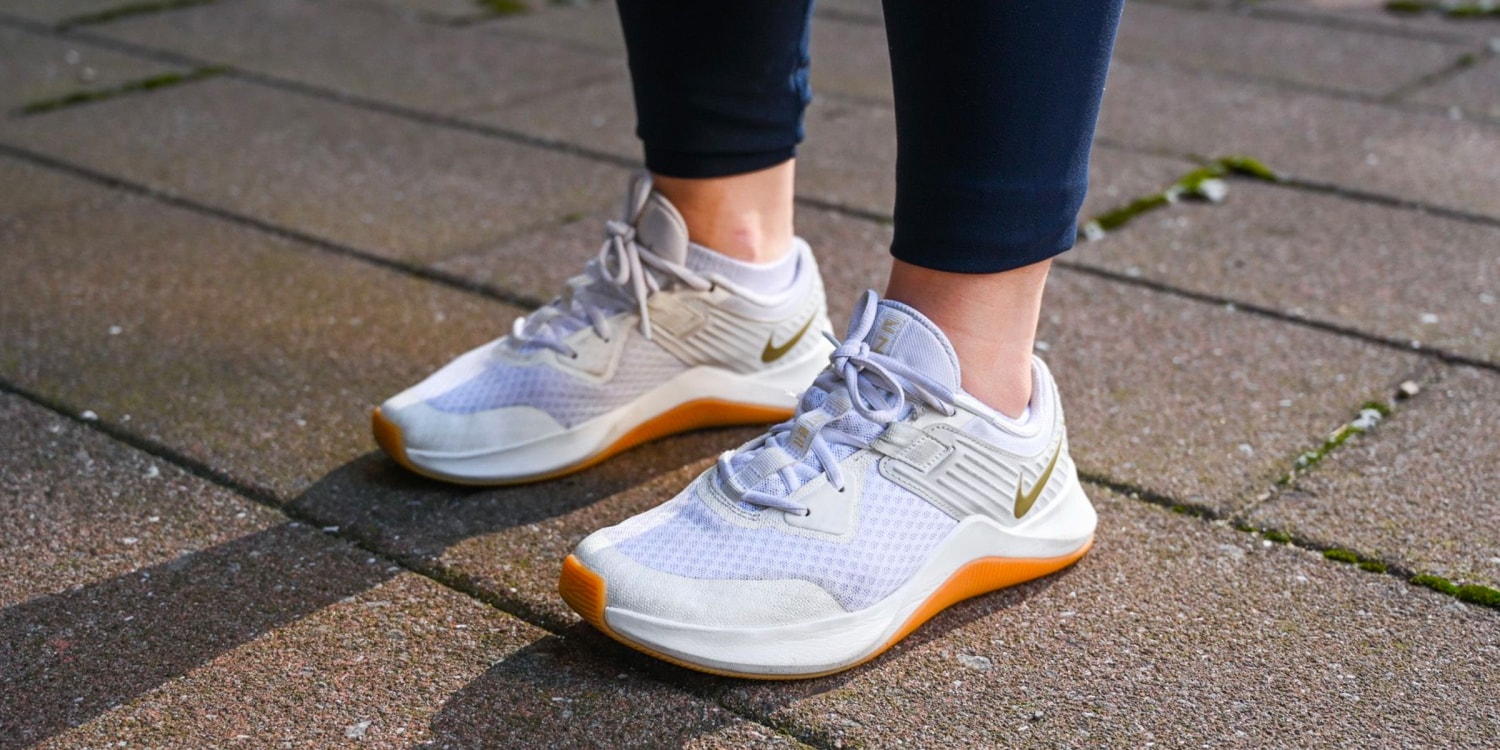
When I assess a cross training shoe, I do not judge it by appearance alone. I walk, squat, step sideways, and perform a few controlled jumps before deciding whether the shoe feels useful.
One mistake I have seen often is choosing a shoe because it feels soft in the store. Soft comfort can feel pleasant at first, but it does not always provide the stable base needed for lifting or lateral drills.
I also pay close attention to heel movement. If the heel lifts during a lunge or jump, the shoe may be too loose, too flexible, or the wrong shape for the foot.
A simple test is to wear the shoe for a short session first. Try 15 to 20 minutes of mixed movement before using it for a long class. This approach can reveal rubbing, pressure, or poor stability early.
My practical checklist is simple:
- The heel stays in place.
- The toes can spread.
- The arch feels supported but not squeezed.
- The sole grips the floor.
- The shoe bends near the toes.
- The foot does not slide during side steps.
- There is no pain after movement.
Your experience may differ because feet, training styles, and surfaces are different. Comfort and control should guide your choice more than brand popularity.

How Should a Cross Training Shoe Fit?
A well-fitting cross training shoe should feel secure from heel to midfoot and roomy near the toes. Your longest toe should have about a thumb’s width of space from the front of the shoe.
Your heel should not lift excessively when you walk or perform a small squat. The shoe should also bend near the ball of your foot rather than folding in the middle.
Use this fitting process:
- Put on both shoes with your usual training socks.
- Lace them firmly without creating pressure.
- Walk, squat, and step from side to side.
- Check for rubbing around the heel and toes.
- Stand with your full weight on each foot.
- Try a short movement test before buying, if possible.
Feet often swell during exercise. A shoe that feels tight in the store may feel worse during a long workout.
How Long Does a Cross Training Shoe Last?
A cross training shoe may last about six months to one year for regular users, but mileage and wear vary widely. Someone who trains five days a week may replace shoes sooner than someone who exercises once or twice a week.
Look for signs of wear instead of relying only on a calendar:
- The outsole has lost its tread.
- The foam feels flat or uneven.
- The upper has stretched.
- The heel slips more than before.
- Your feet feel unusually tired.
- New aches appear during normal workouts.
- The sole separates from the upper.
Rotate shoes when possible and let them air dry after training. Avoid placing them near direct high heat, which can damage adhesives and materials.
Can You Wear a Cross Training Shoe Every Day?
You can wear a cross training shoe for casual daily use if it remains comfortable and clean. It often works well for errands, travel, and short walks.
However, daily wear adds extra stress and can shorten the shoe’s training life. If you use the same pair for workouts and everyday activities, inspect the sole more often.
A cross training shoe is not always ideal for long walking trips. A walking shoe may offer a smoother roll and more suitable cushioning for extended pavement use.
Frequently Asked Questions About What Is Cross Training Shoe
What is a cross training shoe used for?
A cross training shoe is used for mixed workouts that include lifting, jumping, short runs, and side-to-side movement. It is common in gyms, fitness classes, circuit training, and functional workouts.
Can you run in a cross training shoe?
Yes, you can run short distances or perform treadmill intervals in a cross training shoe. It is usually not the best choice for frequent long-distance running because it may provide less specialized cushioning and forward-motion support.
Are cross training shoes good for weightlifting?
Cross training shoes can work well for general weightlifting and strength exercises. Serious lifters may prefer specialized lifting shoes with a firmer sole or raised heel for technical movements.
Are cross training shoes good for walking?
A cross training shoe can be comfortable for short walks and daily errands. For long walks, a walking shoe may offer better cushioning and a smoother stride.
How should a cross training shoe fit?
A cross training shoe should hold your heel and midfoot securely while giving your toes room to move. Your toes should not touch the front, and your foot should not slide during side-to-side steps.
Do cross training shoes help prevent injuries?
A properly fitted cross training shoe can improve comfort, grip, and stability, but it cannot prevent every injury. Training technique, workload, recovery, strength, and the exercise surface also affect injury risk.
How often should you replace a cross training shoe?
Replace a cross training shoe when the tread is worn, the foam feels flat, or the upper no longer holds your foot securely. Many regular users replace shoes within six to 12 months, but actual life depends on use and wear.
Conclusion
A cross training shoe is a flexible option for workouts that combine strength, cardio, jumping, and multi-directional movement. Its stable base, moderate cushioning, flexible forefoot, and grippy outsole make it more versatile than a typical running shoe.
The best cross training shoe should fit your foot, match your main activities, and feel stable without causing pressure. Use a running shoe for regular long runs and a specialized shoe for serious lifting or competitive sports.
Take time to test your next pair with the movements you actually perform. A thoughtful choice can make your workouts more comfortable, controlled, and enjoyable. Explore more fitness footwear guides, and share your favorite cross training shoe or fitting tip in the comments.

Michael Smith is the Content Strategist behind The Style Hub, where fashion meets function. With a keen eye for trends and a passion for everyday style, he curates content that helps readers make smarter, more stylish choices—from the perfect pair of sneakers to must-have accessories. Michael specializes in breaking down fashion into practical, wearable insights, making style accessible for everyone. When he’s not researching the latest trends, he’s exploring how comfort, innovation, and timeless design come together in modern fashion.