Are Barefoot Shoes Good For Neuropathy: Expert Guide
Barefoot shoes may help some people with neuropathy, but they can also increase injury risk without enough protection.
The answer to “are barefoot shoes good for neuropathy” depends on the cause, severity, and location of your nerve damage. These shoes may improve foot movement and balance for some people, yet their thin soles can be unsafe when you cannot feel heat, pain, pressure, or sharp objects. This guide explains the possible benefits, key risks, research limits, and safer ways to test barefoot-style footwear.

What is neuropathy?
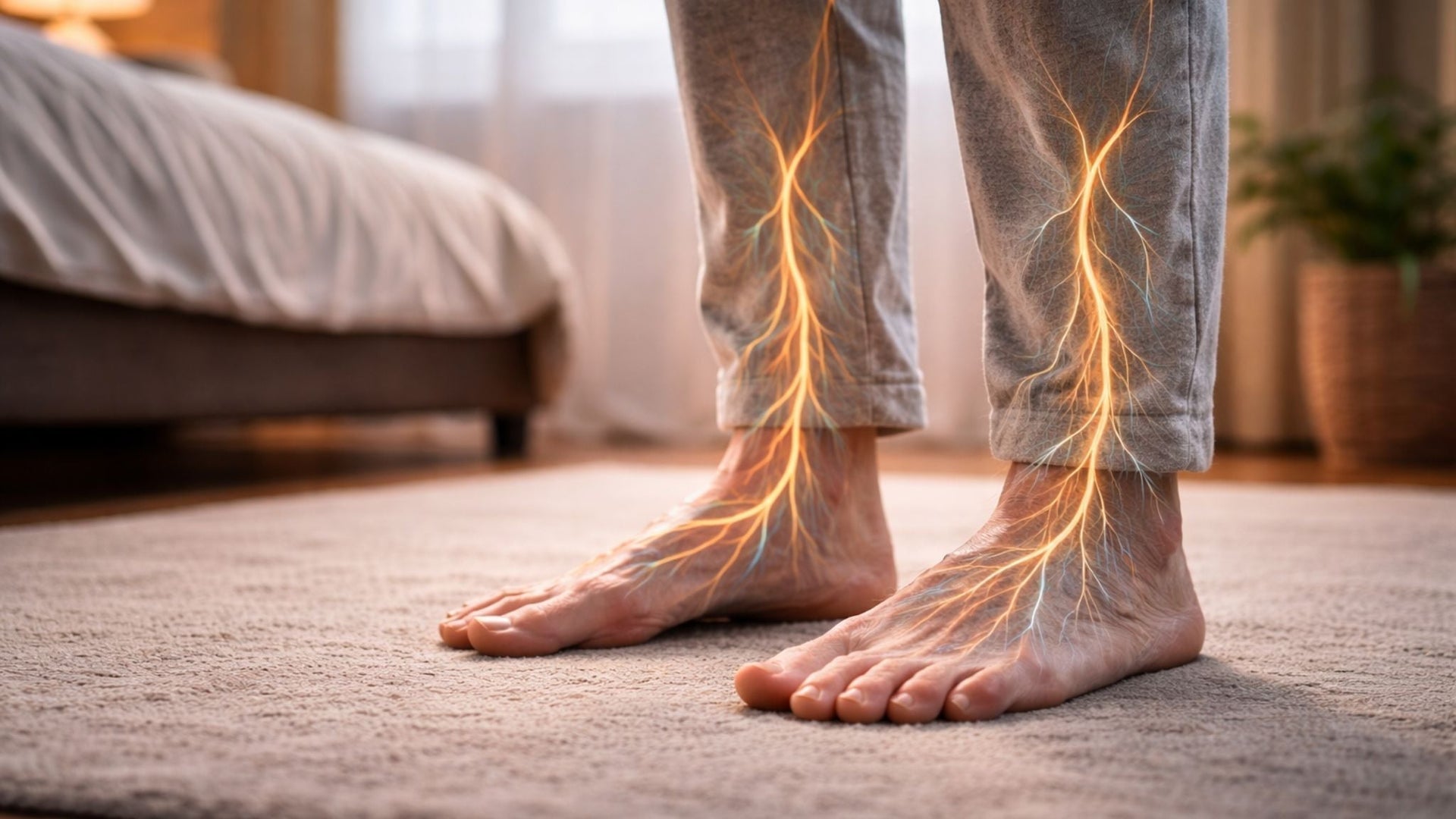
Neuropathy is nerve damage that changes how your body senses or controls movement. It often affects the feet and legs first. Symptoms may include tingling, burning, numbness, weakness, or a feeling like you are walking on pins.
Peripheral neuropathy is the most common form. Diabetes is a major cause, but other causes include:
• Chemotherapy
• Vitamin B12 deficiency
• Alcohol misuse
• Kidney disease
• Thyroid disorders
• Certain infections
• Autoimmune illness
• Nerve compression or injury
• Some medicines
Neuropathy can reduce your ability to notice pain. Pain normally acts like a warning alarm. When that alarm becomes quiet, a blister, cut, hot surface, or tight shoe may cause harm before you notice it.
The symptoms also vary from person to person. One person may feel burning but still sense pressure well. Another may have severe numbness and poor balance. That difference matters when asking, “are barefoot shoes good for neuropathy?”
Are barefoot shoes good for neuropathy?
In most cases, barefoot shoes are not a treatment for neuropathy. They may support natural foot movement, but there is limited clinical evidence that they repair damaged nerves or reduce neuropathy symptoms.
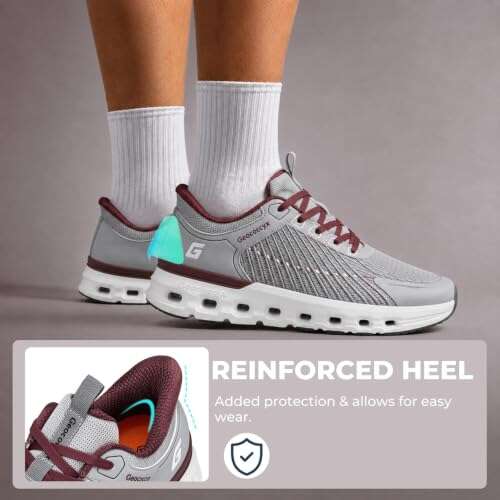
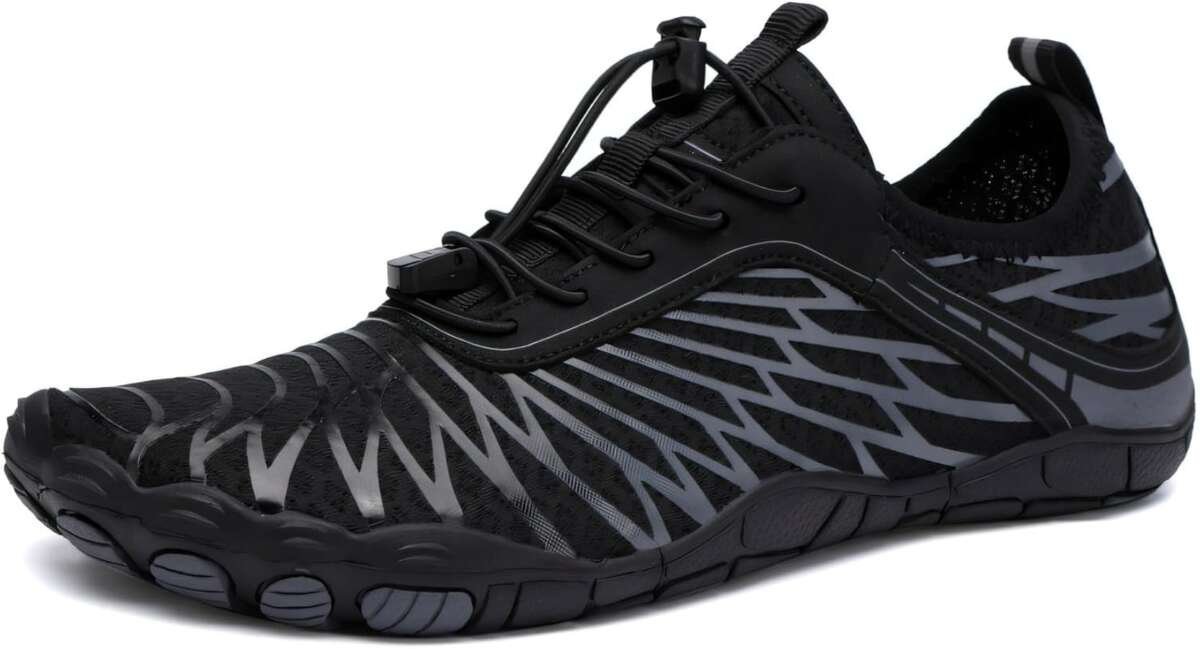
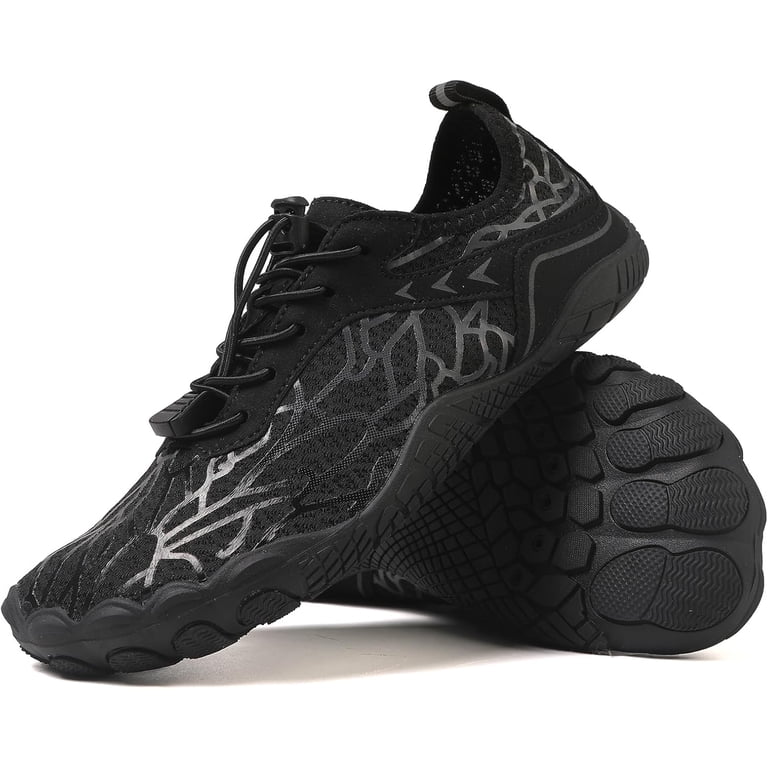
Barefoot shoes usually have these features:
• A wide toe box
• A thin sole
• Little or no heel lift
• A flexible design
• Minimal arch support
• A lightweight upper
A wide toe box can reduce pressure on crowded toes. A flexible sole may help your foot muscles move through a fuller range. Some people also feel more stable when their toes can spread.
The main concern is protection. A thin sole may not shield a numb foot from gravel, broken glass, hot pavement, cold ground, or rough flooring. If your nerves do not send clear danger signals, the shoe may feel comfortable while an injury develops.
So, are barefoot shoes good for neuropathy? They may be suitable for a small group of people with mild symptoms, good sensation, strong balance, and medical approval. They are often a poor choice for people with severe numbness, foot ulcers, poor circulation, major weakness, or a history of falls.

Possible benefits of barefoot-style shoes
Barefoot shoes can offer practical benefits, especially when compared with narrow, stiff shoes. These benefits do not mean the shoes are safe for everyone with neuropathy.
A wider toe box
Many regular shoes squeeze the toes together. Over time, this pressure may worsen discomfort from bunions, hammertoes, corns, or swollen feet.
A wide toe box allows the toes to spread. This may improve comfort and reduce rubbing. It can also make it easier to keep the foot in a natural position while standing or walking.
Better foot mobility
Barefoot-style shoes let the foot bend more easily. The toes and small foot muscles can take part in balance and movement.
Some studies on minimalist footwear suggest that gradual use may increase foot muscle strength. However, most research does not focus on people with neuropathy. A benefit seen in healthy adults may not apply to someone with reduced sensation or poor circulation.
Less pressure from rigid support
Some people dislike thick arch supports or stiff soles. A flexible shoe may feel more natural and less restrictive.
Still, less support is not always better. A person with weakness, joint instability, flat feet, or balance problems may need more structure. The best shoe is the one that protects your foot and supports your movement, not the one with the fewest materials.
Improved body awareness
Some users report that barefoot-style shoes help them notice how their feet contact the ground. This may support better movement habits when sensation is normal.
Neuropathy changes this equation. A person with numbness may not receive enough feedback to use the shoe safely. This is why a walking assessment by a podiatrist or physical therapist can be more useful than simply trying a popular shoe.

Risks of barefoot shoes for people with neuropathy
The risks deserve more attention than the marketing claims. Neuropathy can turn a small problem into a serious foot wound.
Cuts and punctures
A thin sole may not stop a sharp object. You may step on a thorn, tack, stone, or piece of glass and feel little or nothing.
Check your shoes before each use. Also inspect your feet after walking, even if you feel fine.
Blisters and pressure wounds
A new shoe can rub the heel, toes, or sides of the foot. A blister may seem minor, but it can become infected when circulation is poor or blood sugar is high.
Poor fit is a bigger problem than the shoe label. Even a wide shoe can cause injury if the upper presses against a numb area.
Burns and cold injuries
Barefoot shoes may not block heat from sidewalks, sand, floors, or car pedals. They may also provide limited insulation in cold weather.
Never use reduced sensation as a reason to test a surface with your feet. Use your hand, a thermometer, or a safe test area instead.
Falls and ankle strain
Minimal shoes require more work from the feet and lower legs. A sudden change can cause calf soreness, Achilles tendon pain, ankle strain, or instability.
This risk is higher if neuropathy affects strength or balance. Falls can lead to fractures and long recovery periods.
Delayed treatment
The most serious risk may be missing an injury. A cut can become red, swollen, warm, draining, or infected before you recognize it.
People with diabetes should take any new wound seriously. Contact a health professional promptly if a foot injury does not improve or shows signs of infection.
Who should avoid barefoot shoes?
Barefoot shoes may be unsafe if you have significant loss of protective sensation. A clinician can test sensation with tools such as a monofilament, vibration testing, and reflex checks.
Avoid experimenting with minimalist shoes without professional advice if you have:
• A current foot ulcer or open wound
• A history of diabetic foot ulcers
• Severe numbness
• Poor blood flow
• Charcot foot or major foot deformity
• Severe balance problems
• Muscle weakness
• Frequent falls
• Active infection
• A recent foot operation
• Severe ankle or joint pain
People with diabetes should also consider their blood glucose control and circulation. Foot care is not only about footwear. It includes daily inspection, skin care, nail care, safe exercise, and regular medical checks.
If you have mild neuropathy and normal skin, your clinician may allow a cautious trial. That decision should consider your sensation, walking pattern, foot shape, and daily environment.

How to choose safer shoes for neuropathy
If you want to try barefoot-style shoes, focus on protection and fit rather than the “zero-drop” label. A zero-drop shoe has little height difference between the heel and toe. That feature alone does not make a shoe safe or unsafe.
Look for:
• A protective sole that resists punctures
• A wide toe box with room to move
• A secure heel that does not slip
• Smooth seams and soft lining
• Strong grip on wet and uneven surfaces
• Enough room for prescribed inserts
• A stable design that does not twist too easily
• Breathable material that helps reduce moisture
Avoid shoes that are too loose. Extra space can make your foot slide and create friction. Avoid shoes that are too tight, even if they feel supportive at first.
Try shoes later in the day, when feet may be slightly swollen. Wear the socks you normally use. Walk indoors on a clean surface and check your skin soon after.
A shoe should not leave red marks that remain after you remove it. It should not cause numbness, burning, rubbing, or new pain.

How to transition safely
A gradual transition is essential. Switching from cushioned shoes to very thin shoes overnight can overload the calves, feet, and Achilles tendons.
Use this simple plan:
- Start with 10 to 15 minutes indoors.
- Check your feet before and after wearing them.
- Increase time slowly if your skin remains healthy.
- Use them on smooth, familiar surfaces first.
- Avoid long walks, trails, hot pavement, and uneven ground at the start.
- Stop if you notice rubbing, pain, swelling, weakness, or balance changes.
- Return to a more protective shoe if symptoms continue.
Do not rely on pain as your only warning. Look for redness, swelling, blisters, cracks, drainage, bruising, or changes in skin temperature.
A useful lesson from real-world footwear testing is that comfort during the first few minutes can be misleading. The true test is how your feet look and feel several hours later and the next morning.

Foot care tips when you have neuropathy
Daily foot checks are one of the safest habits you can build. Use a mirror to see the soles, or ask someone you trust to help.
Check for:
• Cuts and scrapes
• Blisters
• Red spots
• Swelling
• Bruising
• Cracked skin
• Drainage
• Fungal changes
• Areas that feel warmer or cooler than usual
Wash your feet with warm, not hot, water. Test the water with your hand or elbow. Dry well between the toes, but use moisturizer on dry skin rather than between the toes, where excess moisture may encourage infection.