
How To Prevent Raw Denim From Bleeding On Shoes: Easy Tips
Wash, seal, and wear raw denim carefully to keep loose indigo from staining your shoes.
Raw denim bleeding on shoes is common, but it is not unavoidable. The problem comes from loose indigo rubbing off dry fabric, damp fabric, or denim with a rough, unfinished surface. After testing different care methods on dark jeans and light sneakers, I have found that prevention works best when you combine denim preparation, smart shoe choices, and simple daily habits. This guide explains how to prevent raw denim from bleeding on shoes without ruining the color or character of your jeans.
Why raw denim bleeds onto shoes
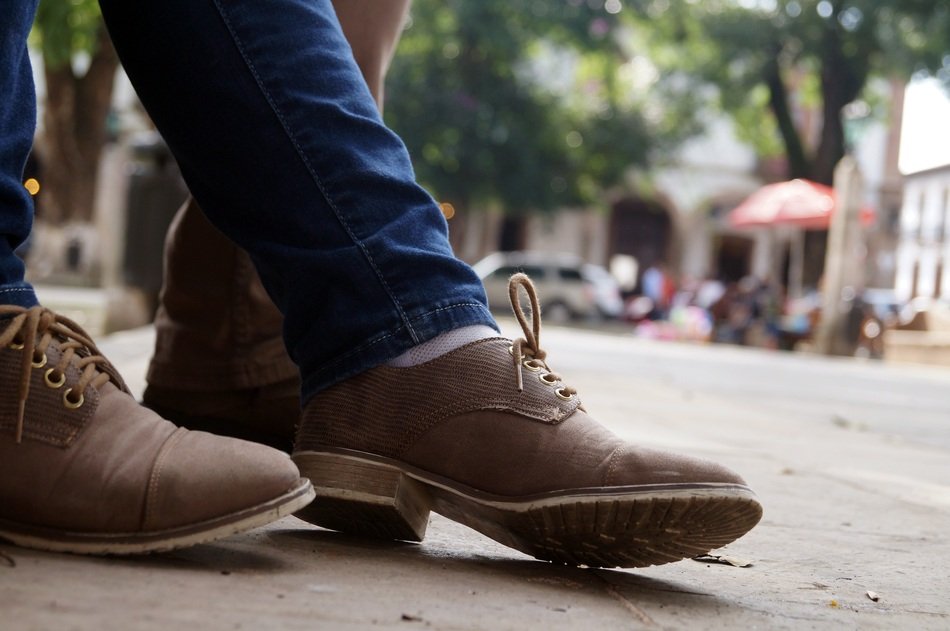
Raw denim is usually sold without a final wash. Its cotton yarns hold excess indigo dye on the surface. Some dye is bonded to the fibers, but some remains loose and can transfer through friction.
Your shoes often touch the lower leg opening of your jeans. Each step creates rubbing between the denim hem and the shoe. This contact can leave blue marks on leather, suede, canvas, rubber, and mesh.
Moisture makes the problem worse. Sweat, rain, and wet sidewalks help loosen surface dye. Heat can also increase moisture and friction, which is why denim stains often appear after a long summer walk.
The risk is higher when:
- Your jeans are very dark or heavily starched.
- The leg opening sits directly on the shoe.
- The denim has a narrow, stiff hem.
- Your shoes are white, cream, gray, or light brown.
- You wear suede or unsealed leather.
- You cuff the jeans so the inner, dye-heavy side touches the shoe.
- You wear the same pair of shoes with new raw denim every day.
Understanding the cause makes it easier to understand how to prevent raw denim from bleeding on shoes. You do not need to remove all the indigo from your jeans. You only need to reduce loose dye and limit contact.

How to prevent raw denim from bleeding on shoes before wearing it
The best time to control dye transfer is before your first full day of wear. Start by checking the care label and the denim maker’s instructions. Some raw denim is sanforized, which means it has been treated to reduce shrinkage. Unsanforized denim may shrink more and may need special care.
Use these steps:
-
Rub the inside and outside of the hem with a clean white cloth. If the cloth turns dark blue, expect strong transfer during early wears.
-
Turn the jeans inside out. This protects the outer surface during cleaning and reduces harsh rubbing.
-
Wash the jeans only if you accept some early fading. Use cold water and a small amount of mild detergent. Avoid bleach and strong stain removers.
-
Run an extra rinse cycle. This helps remove loose dye and detergent residue.
-
Hang the jeans indoors or in shade. Direct, intense sunlight can cause uneven fading.
-
Wait until the denim is fully dry before wearing it with light shoes. Damp denim transfers dye more easily.
A first wash can reduce bleeding, but it changes the appearance of raw denim. Many denim fans prefer to delay washing to build high-contrast fades. That choice is valid, but it increases the chance of staining during the early wear period.
If you want to preserve deep color, skip the full wash and use controlled spot cleaning. Wipe the hem with a slightly damp cloth, then let it dry fully. This will not remove as much dye as washing, but it may reduce surface transfer.

Use a colorfastness test
A simple colorfastness test can show how serious the risk is. Dampen a clean white cotton cloth with cool water. Press and rub it on the inside hem for about 10 seconds.
Check the cloth:
- A light blue mark means some transfer is present.
- A deep blue mark means the denim may stain shoes quickly.
- A nearly clean cloth suggests lower transfer, though it does not guarantee stain-free wear.
Repeat the test on the outer hem and on any cuff. These areas may contain different amounts of loose dye.
Do not soak the jeans just for testing. Too much water can cause shrinkage, water marks, or uneven fading. A small test gives useful information with less risk.
This test is one of the easiest answers to how to prevent raw denim from bleeding on shoes because it helps you choose the right shoes before a stain occurs. Test again after washing, since dye transfer often drops as the jeans age.

Choose shoes that resist indigo transfer
Shoe material matters. Smooth, finished leather is often easier to clean than suede or unfinished leather. Canvas and mesh can absorb blue dye deep into their fibers, making stains harder to remove.
For early wears, choose:
- Dark leather shoes.
- Black or navy sneakers.
- Smooth, coated leather.
- Shoes with a darker rubber edge.
- Older shoes that can handle some color transfer.
Avoid pairing new, dark raw denim with:
- White canvas sneakers.
- Pale suede.
- Light nubuck.
- Unfinished leather.
- Fabric shoes with a loose weave.
- Shoes you cannot replace or clean easily.
This does not mean you must avoid light shoes forever. It is safer to wait until the jeans have been worn, tested, and washed at least once. Once surface dye decreases, the risk becomes much lower.
A useful rule is simple: dark jeans need dark shoes at first. Think of the first few weeks as a break-in period for both the denim and your wardrobe.

Adjust the hem and reduce contact
The hem is often the main source of staining. If it rests on the shoe, the denim rubs against the same spot with every step. Small changes in the hem can reduce that contact.
Try these options:
- Wear a slight break instead of a large stack.
- Use a clean single cuff that keeps the inner denim away from the shoe.
- Avoid excessive stacking around the ankle.
- Ask a tailor to shorten the jeans if the hem drags.
- Wear boots with a taller shaft during the early wear period.
- Use a wider cuff only if it does not touch the shoe.
Be careful with cuffs. Folding the denim can expose the darker inside surface, which may transfer more dye. Test the cuff against a white cloth before wearing it with light footwear.
A shorter hem is not always better. If the denim ends above the shoe, it may avoid staining but can look too short after shrinkage. Measure after washing if you plan to alter the jeans.
Create a barrier between denim and shoes
A physical barrier can help when you must wear light shoes. Some people use removable fabric guards or temporary hem protectors on the inside of the jeans. These products can reduce direct contact, but they may change the way the jeans drape.
You can also use socks as a small buffer. Taller socks can cover part of the shoe collar and reduce contact with the denim. This works best with sneakers and boots.
Do not apply random waterproofing sprays to denim or shoes without reading the label. Some sprays darken leather, damage suede, or leave an oily surface. Always test a product on a hidden area first.
For valuable shoes, prevention is safer than cleaning. Once indigo reaches porous suede or fabric, even a professional cleaner may not remove every mark.
Clean and protect your shoes
If blue transfer appears, act early. Fresh dye is easier to remove than an old stain that has been pressed into the material.
For smooth leather:
- Brush away dry dirt.
- Wipe the mark with a clean, slightly damp cloth.
- Use a leather cleaner approved for that finish.
- Let the shoe dry away from heat.
- Apply a suitable leather conditioner if needed.
For suede or nubuck:
- Let the shoe dry completely.
- Brush the nap with a suede brush.
- Use a suede eraser on small marks.
- Brush again in one direction.
- Stop if the color spreads or the nap becomes damaged.
For canvas or mesh, check the shoe manufacturer’s cleaning instructions. Avoid aggressive scrubbing at first. It can spread the dye and roughen the fabric.
Never use chlorine bleach on leather or suede. Household bleach can weaken fibers, remove the original color, and create a larger damaged area.

Mistakes that make denim bleeding worse
Many staining problems come from rushed care. These common mistakes can increase transfer:
- Wearing raw denim while it is damp.
- Drying jeans on a hot radiator.
- Using too much detergent.
- Washing dark denim with light clothing.
- Applying hair spray or random chemicals to “seal” the dye.
- Scrubbing a shoe before identifying its material.
- Wearing a new pair of raw jeans with white shoes for a full day.
- Ignoring a long, dragging hem.
- Storing damp jeans in a closed space.
One mistake I made early on was wearing new black raw denim with cream canvas sneakers during a full day of travel. The shoes looked fine at breakfast and had blue-gray patches by dinner. A short cloth test would have warned me. Since then, I test every new pair and use darker footwear until the first wash.
Another lesson is that denim sprays are not magic. A product may reduce transfer, but it cannot replace washing, drying, and reducing friction. Results also vary by dye type, denim weight, and fabric finish.
A practical routine for everyday wear
If you want a simple answer to how to prevent raw denim from bleeding on shoes, follow this routine:
- Test the hem with a damp white cloth.
- Wear dark shoes during the first several wears.
- Keep the hem clean and fully dry.
- Reduce stacking and direct shoe contact.
- Use taller socks or boots when useful.
- Rotate your shoes instead of wearing one pair every day.
- Brush dirt from shoes after each wear.
- Wash the jeans according to the maker’s instructions when transfer remains heavy.
- Retest the hem after washing.
- Introduce light shoes slowly.
This routine protects your shoes while allowing the denim to develop natural fades. It also helps you learn how the specific jeans behave. Not all raw denim bleeds at the same rate.
Heavy, dark, rope-dyed denim may release more surface color than a lighter, softer pair. Humid weather may also increase transfer. Keep these factors in mind when planning an outfit.
How long does raw denim keep bleeding?
There is no exact timeline. Some jeans transfer heavily for the first few weeks. Others continue to release noticeable dye for several months. Wear frequency, dye concentration, fabric weight, washing, and friction all affect the result.
In many cases, transfer decreases after the first wash and continued wear. However, washing does not guarantee that bleeding will stop. A dark pair can still mark light shoes after several washes.
The safest approach is to test instead of guessing. If a white cloth still turns dark blue, treat the jeans as a high-transfer pair. Wear them with darker footwear and keep checking the hem.
Raw denim is designed to fade. Some color loss is part of its character, not a defect. The goal is to manage the transfer, not to force the fabric to become completely colorfast.
Is raw denim bleeding permanent on shoes?
Indigo marks are not always permanent. Smooth leather may clean up well, especially when the mark is fresh. Suede, nubuck, canvas, and mesh are more difficult because they absorb dye.
The original finish of the shoe also matters. A coated leather surface offers more protection than unfinished leather. A professional shoe cleaner may help with expensive footwear, but no treatment can promise perfect results.
If the shoe is valuable, stop wearing it with the jeans as soon as you see transfer. Clean the material using an approved method or ask a specialist for advice. More rubbing can push the dye deeper.
Frequently Asked Questions About How to Prevent Raw Denim From Bleeding on Shoes
Can I stop raw denim from bleeding completely?
You can reduce bleeding, but complete prevention is not guaranteed. Washing, testing, drying the denim fully, and reducing contact usually lower the risk.
Does washing raw denim prevent shoe stains?
A cold wash can remove some loose surface dye and may reduce transfer. It cannot make every pair completely colorfast, and it may also change the denim’s fades and fit.
Will vinegar set the dye in raw denim?
Vinegar is not a reliable solution for setting indigo in modern denim. It may affect odor or water chemistry, but it does not guarantee that dye will stop transferring.
Are white shoes safe with raw denim?
White shoes are safest after the denim has been tested and, when appropriate, washed. New dark raw denim can stain white leather, canvas, mesh, and rubber trim.
Can waterproofing spray prevent indigo stains?
A suitable protector may add resistance to some shoe materials, but it does not stop friction-based dye transfer. Follow the product directions and test it on a hidden area first.
How can I prevent raw denim from bleeding on suede shoes?
Wear the jeans only after testing the hem, keep the denim dry, and reduce contact with the suede. If transfer appears, let the shoe dry and use a suede brush or approved suede eraser.
Does cuffing jeans reduce bleeding?
Cuffing may reduce contact if it keeps the hem away from the shoe. However, the inside of the cuff can contain loose dye, so test the cuff before wearing it with light footwear.
Conclusion
Learning how to prevent raw denim from bleeding on shoes comes down to controlling three things: loose dye, moisture, and friction. Test the hem, wash or spot clean when appropriate, let the denim dry fully, reduce stacking, and choose darker or more durable shoes during the early wear period.
Treat raw denim like a new cast-iron pan: it needs a little care before it becomes easy to live with. Start with these steps today, then share your results or explore more denim and shoe-care guides for a wardrobe that looks better and lasts longer.

Michael Smith is the Content Strategist behind The Style Hub, where fashion meets function. With a keen eye for trends and a passion for everyday style, he curates content that helps readers make smarter, more stylish choices—from the perfect pair of sneakers to must-have accessories. Michael specializes in breaking down fashion into practical, wearable insights, making style accessible for everyone. When he’s not researching the latest trends, he’s exploring how comfort, innovation, and timeless design come together in modern fashion.


