Best Shoes For Flooring Installers: Top Picks For Comfort
The best shoes for flooring installers offer secure footing, comfort, and reliable grip on demanding job sites.
A long flooring day can mean kneeling, standing, twisting, and walking over rough subfloors for hours. Regular sneakers may slip, while heavy work boots can feel stiff and hot. The right footwear helps you stay balanced without marking or damaging a new surface. For epoxy work, spiked shoes also let you walk across wet coatings with less risk of deep footprints. I reviewed these options for fit, spike design, ease of use, and job-site value so you can choose the best shoes for flooring installers for your daily work.
FIETODK Epoxy Floor Spiked Shoes

The FIETODK spiked shoes use 3/4-inch spikes for epoxy floors, overlays, and cover work. The shorter spike length can suit installers who want access to wet coating without using very long cleats. The shoes arrive fully assembled, so there is less setup before a job.
The base can strap over work shoes, which helps you keep your normal foot support underneath. I would still check the straps and spike plates before every use. These shoes are made for coating work, not for normal walking on finished floors or long-distance travel.
Pros:
- Fully assembled for quick job-site setup
- 3/4-inch spikes suit many epoxy and overlay tasks
- Can fit over regular work shoes
- Black color hides coating stains well
- Useful for garage and shop floor projects
- Short spikes may feel steadier than taller spikes
Cons:
- May not fit every work shoe shape
- Spikes can damage hard finished surfaces
- Straps need regular checks during use
My Recommendation
I recommend the FIETODK pair for DIY users and flooring crews who want a ready-to-use option for epoxy coating work. The 3/4-inch spikes offer a practical balance between lift and control. They are among the best shoes for flooring installers when simple setup matters. Confirm the fit before stepping into wet material, and use them only on surfaces made for spiked footwear.
ComeFloor Anti-Slip Spiked Shoes

ComeFloor designs this model for epoxy floors, resin coatings, self-leveling compounds, and paint. Its large X-Large size may help installers who wear bulky work shoes. The spike layout gives the sole several contact points when you move across a fresh coating.
These shoes are best viewed as a coating tool rather than daily footwear. A roomy fit can improve comfort over safety shoes, but too much movement can reduce control. Wear them over clean, secure shoes and walk with short, flat steps to limit rocking.
Pros:
- Large X-Large size suits bigger work shoes
- Made for several wet coating applications
- Anti-slip design supports controlled movement
- Useful for self-leveling compound work
- Can reduce direct contact with fresh resin
- Works well for garage and commercial coating jobs
Cons:
- Large sizing may feel loose on smaller shoes
- Not intended for ordinary indoor walking
- Sharp spikes require careful storage
My Recommendation
Choose ComeFloor if you wear large boots or need one pair for different coating jobs. The broad application range makes it a flexible pick for contractors. These can be the best shoes for flooring installers who often switch between epoxy, resin, and self-leveling work. Measure your outer shoe width before ordering to avoid a loose fit.
Epoxy Spiked Shoes for Sizes 6–13

This fully assembled pair covers a broad stated range from size 6 through 13. That range makes it useful for shared tools on a small crew, though each user should test the fit before entering a wet floor. The shoes are described for self-leveling garage floors, overlays, and cover installation.
The design gives installers a simple way to keep working while a coating cures or levels. Fit remains the key issue because a spiked shoe that shifts can make balance harder. I would use snug laces or straps on the shoe underneath and keep the pace slow.
Pros:
- Broad size range supports many adult users
- Fully assembled before use
- Suitable for epoxy and self-leveling work
- Useful for garage floor projects
- Can serve a small team or rental kit
- Offers a practical entry point for new installers
Cons:
- One range may not fit every foot shape
- Shared crew use raises hygiene concerns
- Spikes need cleaning after coating work
My Recommendation
This pair suits homeowners, new contractors, and crews that want broad sizing without buying several pairs. It is a strong candidate among the best shoes for flooring installers because it focuses on common coating jobs and arrives assembled. Check the seller’s current fit details before purchase, especially if you wear wide or very narrow shoes.
QWORK 1-Inch Spiked Shoes
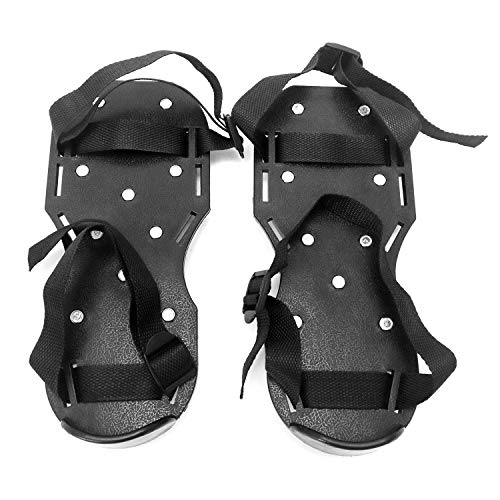
QWORK markets this pair with 1-inch short spikes for epoxy floors, overlays, and cover installation. The product also resembles lawn aerator shoes, so it may appeal to buyers who want a simple, multipurpose design. The black base helps hide dust and coating marks during busy work.
The 1-inch spike length gives useful clearance over fresh material, but it can feel less natural than a shorter spike. Installers should take small steps and avoid sharp turns. Clean the spikes at once after use, since cured resin can make later work harder.
Pros:
- 1-inch spikes provide useful coating clearance
- Works with epoxy and overlay applications
- Simple design suits occasional users
- Black finish hides common job-site stains
- Can serve lawn aeration and coating tasks
- Often attractive for budget-minded buyers
Cons:
- May feel tall for first-time users
- Not a replacement for protective work boots
- Multipurpose use can spread dirt to clean floors
My Recommendation
I would choose QWORK for homeowners and occasional flooring installers who need one affordable pair for epoxy work. The 1-inch spikes offer good lift, but balance takes practice. They belong on a shortlist of the best shoes for flooring installers when value and occasional use matter more than specialized comfort. Keep a separate pair for clean indoor work.
Epoxy Spike Shoes for Resin Flooring

This X-Large model is listed for US sizes 11 through 16. That makes it one of the more useful choices for installers with large feet or oversized work shoes. It is aimed at resin flooring, where staying above a wet surface can protect the finish and save rework.
Large footwear needs a stable base, so I would pay close attention to strap placement. A good fit should hold the shoe over the work shoe without side-to-side slide. The spikes are for wet coating access, not for traction on tile, concrete, stairs, or finished wood.
Pros:
- Fits a stated size range of 11–16
- Designed for resin flooring work
- Useful over large safety shoes
- Helps create clearance over wet coatings
- Good option for tall or broad-footed users
- Can reduce the need to kneel during coating work
Cons:
- Too large for many average-size users
- Large spikes need careful balance
- May take extra time to secure over boots
My Recommendation
This model is best for large-footed professionals who struggle with standard shoe covers. It gives those users a better chance of keeping a stable fit during resin work. For that group, it may be among the best shoes for flooring installers available on Amazon. Confirm your boot size and outer sole width before ordering.
Premium 3/4-Inch Epoxy Shoes

This premium-labeled pair uses fully assembled 3/4-inch spikes for garage floors, overlays, and cover installation. The shorter spike size can help users feel closer to the floor than they would with 1-inch cleats. It comes in a large size and uses a black finish suited to messy work.
For an installer, the main appeal is control. Shorter spikes may feel less awkward during careful steps, though they still require practice. I would select this pair when the job needs wet-coating access but does not call for maximum spike height.
Pros:
- Short 3/4-inch spikes support closer foot control
- Fully assembled for fast preparation
- Made for garage and overlay work
- Large size suits many work shoes
- Black finish helps hide coating residue
- Good fit for careful indoor coating jobs
Cons:
- Large size may not suit small shoes
- Shorter spikes may not fit every coating system
- “Premium” labeling does not replace fit checks
My Recommendation
I recommend this pair to experienced users who prefer shorter spikes and a more controlled feel. It is a sensible choice for garage floors, overlays, and smaller coating areas. Among the best shoes for flooring installers, this model makes the most sense when stability feels more important than extra clearance. Check the actual coating instructions before use.
DenForste 3/4-Inch Spiked Shoes

DenForste offers another fully assembled pair with 3/4-inch spikes. The stated uses include garage floor epoxy, overlays, and cover installation. This familiar format keeps the setup simple for contractors who do not want to attach spike plates before a job.
The shorter cleats should work well for installers who want measured movement on a wet coating. Still, any spike shoe can catch if you pivot too fast. I suggest walking heel-to-toe only when the coating maker allows it, and keeping your hands free for balance.
Pros:
- Fully assembled before delivery
- 3/4-inch spikes suit controlled coating work
- Designed for epoxy and overlay applications
- Simple format is easy for new users
- Useful for garage floor contractors
- Compact spike height may reduce awkwardness
Cons:
- Fit depends on the shoe worn underneath
- Not suitable for dry finished floors
- Requires careful cleaning after each job
My Recommendation
DenForste is best for users who want a basic, ready-to-wear epoxy shoe without extra assembly. Its 3/4-inch spike format makes it a practical middle-ground option. I would include it among the best shoes for flooring installers for small contractors and garage coating crews. Compare the size details with your work shoe before buying.
ROLLINGDOG 1-Inch Spiked Shoes

ROLLINGDOG uses 1-inch short spikes for epoxy floor work. This size gives a useful amount of lift when the coating needs more room beneath the sole. It can be a helpful choice for overlays and areas where the installer must move across the surface during application.
The tradeoff is feel. One-inch spikes can seem less stable until you learn to place each foot with care. I would use this pair only after a dry practice session, then start on a small edge of the work area.
Pros:
- 1-inch spikes provide strong coating clearance
- Made for epoxy floor applications
- Useful for overlays and cover work
- Simple design supports quick setup
- Good choice for users who need taller cleats
- Can help reduce contact with wet resin
Cons:
- Needs practice for confident balance
- Taller spikes may feel tiring over time
- Not safe for normal walking surfaces
My Recommendation
ROLLINGDOG fits experienced installers who value extra clearance over a low, close-to-floor feel. It can serve well on larger epoxy jobs where wet access is part of the process. These are among the best shoes for flooring installers who already understand spiked footwear. New users should practice first and avoid rushing across the coating.
Shoe in Spikes Large

Shoe in Spikes Large is a straightforward option for people who need a larger spiked shoe format. Its main purpose is to let an installer step onto a coating while keeping the regular work shoe above the surface. That can save time when a wet area needs a final touch.
The large size may provide room for sturdy work footwear, but room is not the same as a secure fit. Make sure the straps hold the shoe firmly in place. I also suggest keeping a clean storage bag nearby so the spikes do not touch tools or vehicle interiors.
Pros:
- Large format can fit over work shoes
- Useful for wet coating touch-ups
- Simple design is easy to understand
- Supports epoxy and resin floor tasks
- Can reduce direct contact with fresh material
- Practical for contractors who need a spare pair
Cons:
- Large sizing may not suit narrow shoes
- May need extra strap adjustment
- Spikes require safe storage between jobs
My Recommendation
I would choose Shoe in Spikes Large as a spare pair for a flooring truck or small crew. It is also useful for users with larger outer shoe sizes. While it has a simple design, it can still rank among the best shoes for flooring installers when backup gear matters. Prioritize a snug fit and never use it on a finished floor.
Shoe-in Pro Finish Spiked Shoes

The Shoe-in Pro Finish model comes in X-Large and uses sharp spikes. It is built for installers who need to move across a wet finish while working on the surface. The sharper cleats may offer strong penetration, but they also demand more care and better balance.
This pair is best for trained users who already know how spiked shoes respond. Sharp spikes can catch on the wrong material and can injure skin if handled carelessly. Store them away from other tools, inspect the sole before each job, and follow the coating maker’s safety directions.
Pros:
- X-Large size suits many larger work shoes
- Sharp spikes provide firm coating penetration
- Designed for professional finish work
- Useful for epoxy and resin applications
- Good choice for experienced contractors
- Can help reach wet areas without kneeling
Cons:
- Sharp spikes require extra handling care
- May feel unsafe for first-time users
- Large size will not fit every work shoe
My Recommendation
This model is best for trained flooring professionals who need sharp spikes and a large fit. I would not make it my first choice for a beginner. For experienced crews, it can be one of the best shoes for flooring installers when finish work calls for secure penetration. Keep proper eye, hand, and foot protection in place during the job.
How to Choose the Best Shoes for Flooring Installers
Choosing spiked shoes is not only about spike length. The shoe must fit over your work footwear without sliding. A loose shoe can twist under your foot, while a tight shoe can restrict movement. Before ordering, measure the outer length and width of the shoe you plan to wear underneath.
Next, match the spike length to the coating task. A 3/4-inch spike often feels more controlled for careful work. A 1-inch spike can offer more clearance, but it may feel less stable. Always follow the coating maker’s instructions because some systems need a specific spike length or do not allow spiked access at all.
Fit and Strap Security
A secure fit is the first safety check. Put the spiked shoes over your work shoes on a dry surface. Walk slowly, stop, and turn with care. If the overshoe shifts, rocks, or lifts at the heel, adjust it before starting.
Look for straps that hold the front and rear of the shoe. The strap should feel firm without cutting into your foot. Do not rely on a loose fit just because the product has a large size label. Work shoe shapes vary widely.
Spike Length and Surface Type
Spikes are tools for wet coatings. They are not general traction shoes. Do not walk in them on finished wood, tile, vinyl, polished concrete, or other surfaces that can scratch or dent. The sharp points can also create a trip risk on hard ground.
Shorter spikes may suit thin coatings and controlled touch-up work. Longer spikes can help with thicker materials, but only when the coating instructions support them. When in doubt, ask the coating manufacturer or a trained flooring supervisor.
Comfort During Long Flooring Jobs
Spiked shoes do not replace supportive work shoes. Wear a pair with a firm heel, good arch support, and a secure upper. A flat, flexible sneaker may feel fine at first but can make balance harder over time.
Take short breaks during long coating jobs. Move from the heel through the forefoot instead of dragging the spikes. I also suggest keeping water nearby and working with a partner when the floor area is large.
Job-Site Safety Tips
Use eye protection, gloves, and suitable clothing when working with resin or epoxy. Many coatings have strong fumes, so use the ventilation and respirator protection listed on the product label. Spiked shoes cannot protect you from chemical exposure or falls.
Inspect every spike before use. Replace or stop using a pair if a spike bends, loosens, or breaks. Keep the shoes away from children, pets, and clean work areas. After the job, remove coating before it cures whenever the product instructions allow it.
Cleaning and Storage
Fresh coating is easier to remove than cured resin. Wipe the spike plates and base after use with a method approved for the coating. Do not use a solvent unless the shoe material and coating instructions allow it.
Store the shoes upright in a sealed box or heavy bag. Keep the spikes from touching vehicle seats, floor mats, cords, and other tools. Good storage extends useful life and prevents a painful surprise the next time you reach into a tool bag.
What Regular Flooring Installers Should Look For
Professional users should focus on repeatable fit, durable straps, and easy cleanup. A pair that takes too long to prepare can slow down a crew. A pair that moves underfoot can create a defect that costs far more than the shoes.
For frequent work, buy a backup pair. Keep one pair clean for coating work and another for emergencies. This small step can protect your schedule when a strap fails or a coworker needs a different size.
Best Features at a Glance
| Best for | Why |
|---|---|
| Shorter spike control | FIETODK, Premium, and DenForste use 3/4-inch spikes that may feel more controlled. |
| Large work shoes | ComeFloor, the X-Large resin pair, Shoe in Spikes Large, and Shoe-in Pro suit bigger footwear. |
| More coating clearance | QWORK and ROLLINGDOG use 1-inch spikes for users who need extra lift. |
FAQs Of best shoes for flooring installers
Can I wear epoxy spiked shoes over regular work boots?
Yes, most overshoe-style models are designed to fit over work shoes or boots. Check the listed size and sole width first. The fit should stay firm without sliding.
Are spiked shoes safe on finished flooring?
No. Spikes can scratch, dent, or mark finished floors. Use them only on a coating or surface approved by the coating manufacturer.
Are shorter or longer spikes better?
It depends on the coating and the needed clearance. Shorter spikes may feel easier to control, while 1-inch spikes may provide more lift. Follow the coating instructions instead of guessing.
How do I clean epoxy floor spiked shoes?
Remove fresh material as soon as possible with a method approved for the coating and shoe. Avoid unapproved solvents. Let the shoes dry fully before storage.
What makes the best shoes for flooring installers?
The best shoes for flooring installers fit securely, match the coating, resist strap movement, and allow controlled steps. Comfort matters, but safe fit and correct spike length matter more.
Final Verdict: Which Should You Buy?
For most users, I recommend the FIETODK 3/4-inch pair because it offers simple setup, useful clearance, and a controlled format. Large-footed installers should consider the X-Large resin model.
The best shoes for flooring installers should match your coating, work shoe, and skill level. Check fit, follow safety directions, and compare current Amazon availability before ordering.

Michael Smith is the Content Strategist behind The Style Hub, where fashion meets function. With a keen eye for trends and a passion for everyday style, he curates content that helps readers make smarter, more stylish choices—from the perfect pair of sneakers to must-have accessories. Michael specializes in breaking down fashion into practical, wearable insights, making style accessible for everyone. When he’s not researching the latest trends, he’s exploring how comfort, innovation, and timeless design come together in modern fashion.